Chubu (Hokuriku)6 min read
The Noto Peninsula After the Quake: Travelling Respectfully
Noto Peninsula travel after the earthquake — what is open, how to visit respectfully, and why thoughtful tourism supports Ishikawa's recovery. Check ahead.
Best time: Spring–autumn
The Noto Peninsula After the Quake: Travelling Respectfully
On 1 January 2024, a major earthquake struck the Noto Peninsula in Ishikawa Prefecture. It reshaped coastlines, damaged homes, roads and beloved landmarks, and upended the lives of the people who live there. Any honest conversation about Noto travel after the earthquake has to begin there — with respect for what was lost and for a community still rebuilding.
This guide is not a claim that everything is back to normal. It is an invitation to travel here thoughtfully. Recovery on Noto is real but uneven: roads, railways and many attractions have reopened, while other sites, inns and services are still closed or operating at reduced capacity. Because that picture keeps changing, the single most important thing you can do is check ahead — confirm access, opening status and road conditions through official Ishikawa and Noto tourism sources before you set out, and again close to your travel dates.
Done with care, a visit becomes a small act of support. Money spent in local markets, workshops, shrines and inns goes directly to the people rebuilding them. Below are places that show why the peninsula is worth knowing — and worth returning to.
01Ishikawahidden gem
Chirihama Nagisa Driveway
千里浜なぎさドライブウェイ
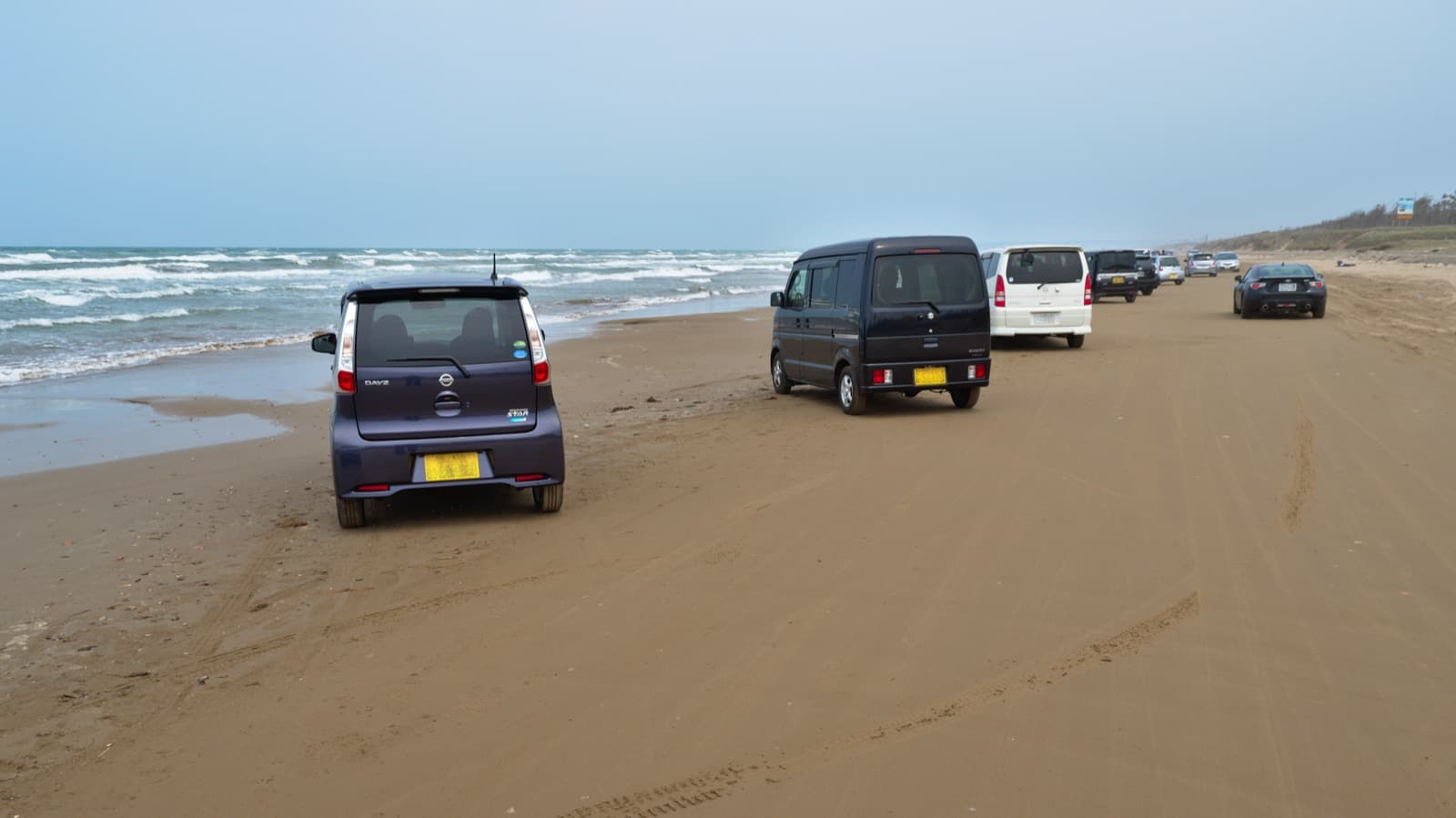
Chirihama is one of the most singular drives in Japan: an roughly 8-kilometre stretch of firm, wet sand along the Sea of Japan in Hakui City where ordinary cars, buses and motorcycles can legally drive right by the waterline. The sand grains here are unusually fine, compacting into a road-like surface when saturated with seawater — a phenomenon found on only a handful of beaches worldwide, and nowhere else in Japan. It gets far less international attention than it deserves. As always on the coast, confirm current conditions before you go.
Getting there: By car (recommended): the free Noto Satoyama Kaido expressway, exit Chirihama IC or Imahama IC (1 min to beach), about 40 min from central Kanazawa. By train, roughly a 23-minute walk from Hakui Station (JR Nanao Line) to the north entrance. Free — not a toll road.
02Ishikawahidden gem
Suzu Pottery Kiln
珠洲焼窯
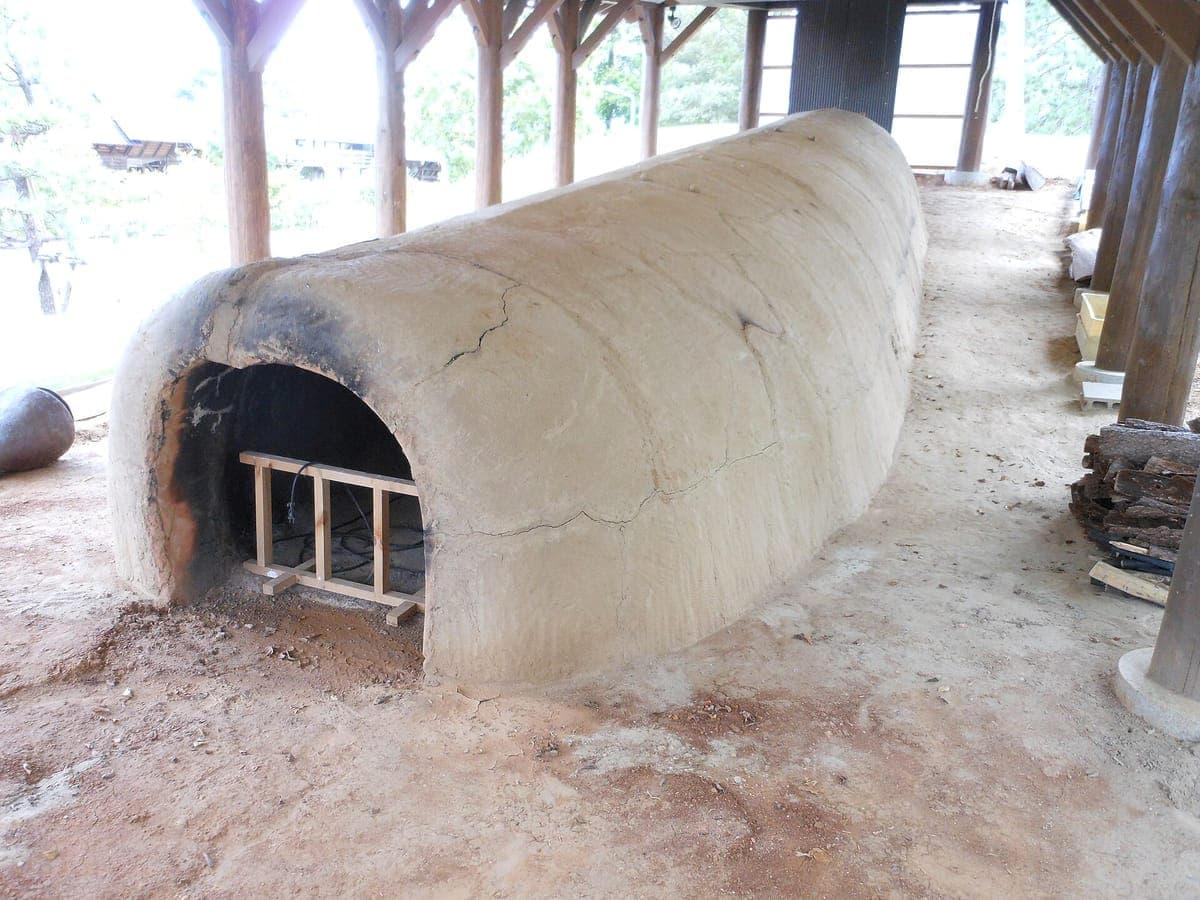
At the far northeastern tip of the peninsula, Suzu is home to Suzu-yaki — a distinctive unglazed stoneware fired to a dark, iron-grey finish, with roots reaching back centuries. At working kilns you can watch artisans shape their pieces and, in places, try your own hand at the craft. Because of Suzu's remote location, most travellers never make it this far, which is precisely part of its quiet appeal. Suzu was among the hardest-hit areas, so please confirm access and opening status before visiting.
Getting there: Accessible by car or local bus from Suzu Station; from Nagoya Station, about 5h 10m by car. The kiln and workshop shops are free to browse; the nearest official ticketed facility is the municipal Suzu Ware Museum, ¥330 adult.
03Ishikawahidden gem
Suzu Cape Noto
珠洲岬
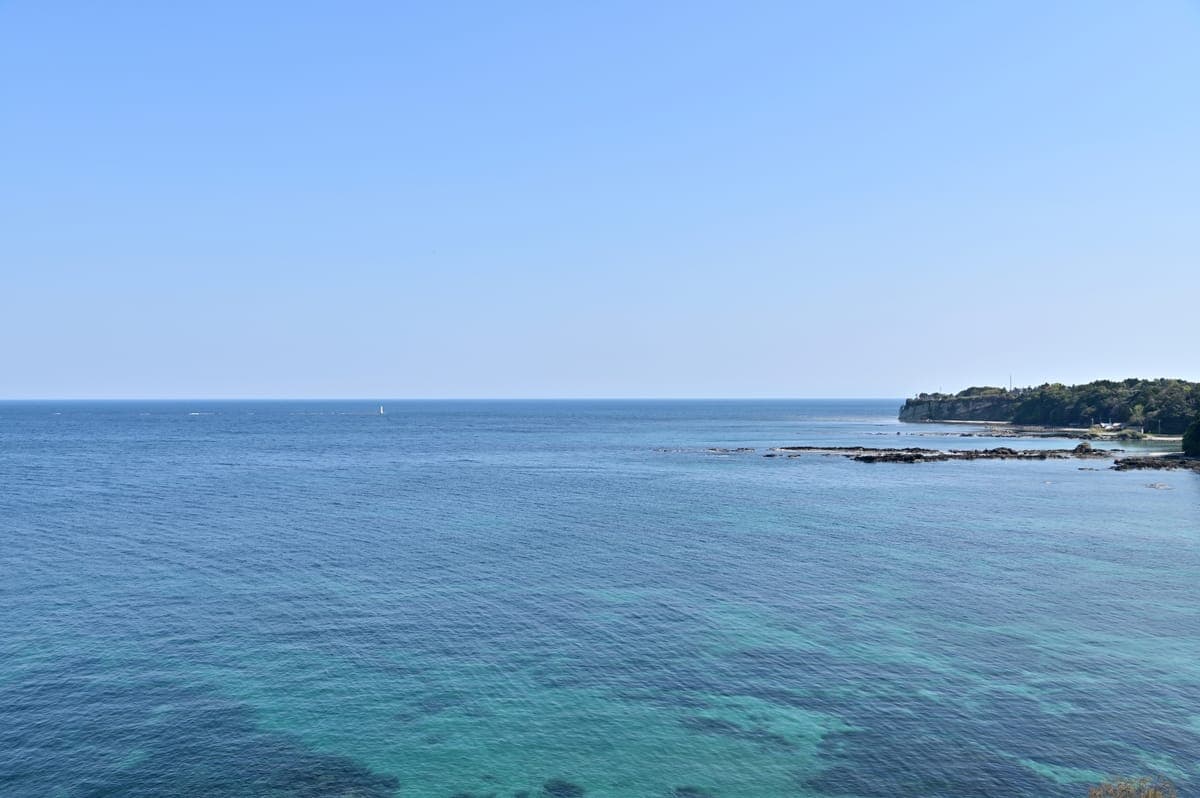
Suzu Cape — Noto's dramatic northern point — is known for a striking window-shaped rock formation that frames the coastal scenery, and for a local tradition of centuries-old salt-making that offers a genuine window into the region's culture. Long overlooked in favour of busier destinations, it rewards those who make the journey with spring and autumn being especially mild and beautiful. Given its remoteness and the earthquake's impact on the area, check access before planning your route.
Getting there: No rail access — take the Suzu-Tokkyu express bus from Kanazawa Station to Suzu (about 2h20), then the Suzu community bus toward Yoshigaura plus a 10–15 min walk, or drive. From Nagoya Station, about 4h 59m by car.
04Ishikawahidden gem
Hegurajima
舳倉島
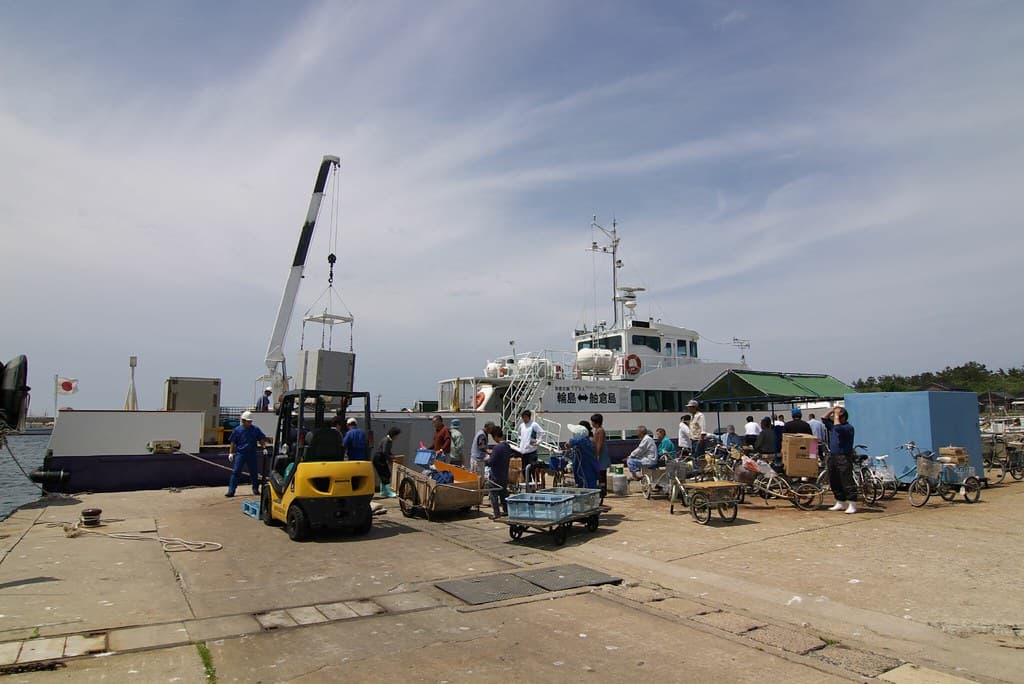
Hegurajima is a small, remote island off the Noto coast and a celebrated stopover for rare migratory birds — a genuine paradise for birdwatchers during the spring and autumn migration seasons. Its unusual ecosystem makes it a critical habitat for many species. Reached only by ferry, it sees few visitors, which is part of what keeps it special. Ferry schedules and services can change, so confirm current sailings before you plan around it.
Getting there: Take a ferry from Wajima City to reach the island.
05Ishikawa
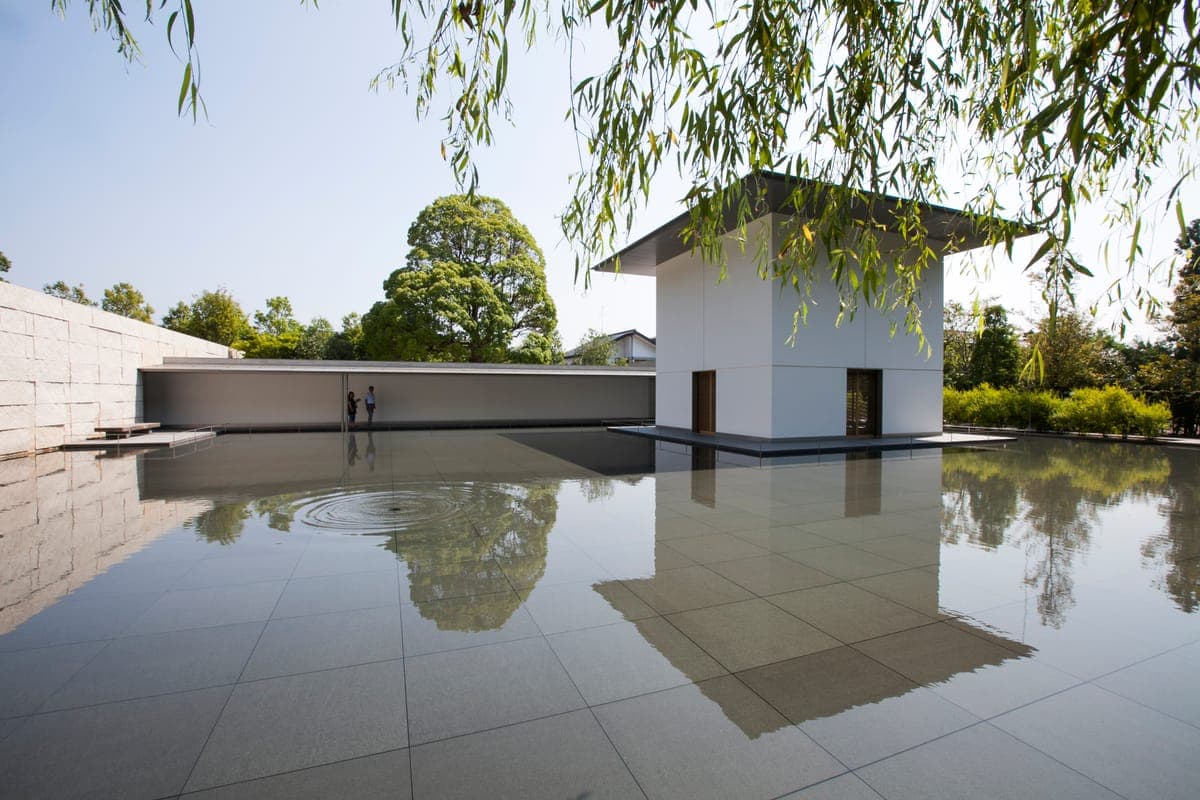
D. T. Suzuki Museum
鈴木大拙館
In Kanazawa — the region's gateway city, and a natural base for exploring Noto — the D. T. Suzuki Museum honours Daisetz Teitaro Suzuki, the scholar who introduced Zen Buddhism to the West. Its heart is the Water Mirror Garden, a large, still reflecting pool on which the spare concrete "Contemplative Space" pavilion appears to float. Designed by Yoshio Taniguchi, it is one of Japan's most quietly meditative modern spaces, often overlooked by visitors drawn to Kanazawa's more famous sights.
Getting there: Accessible by bus from Kanazawa Station to the D. T. Suzuki Museum stop; nearest rail is Nomachi Station, about a 28-minute walk. Adult admission ¥310.
06Ishikawa
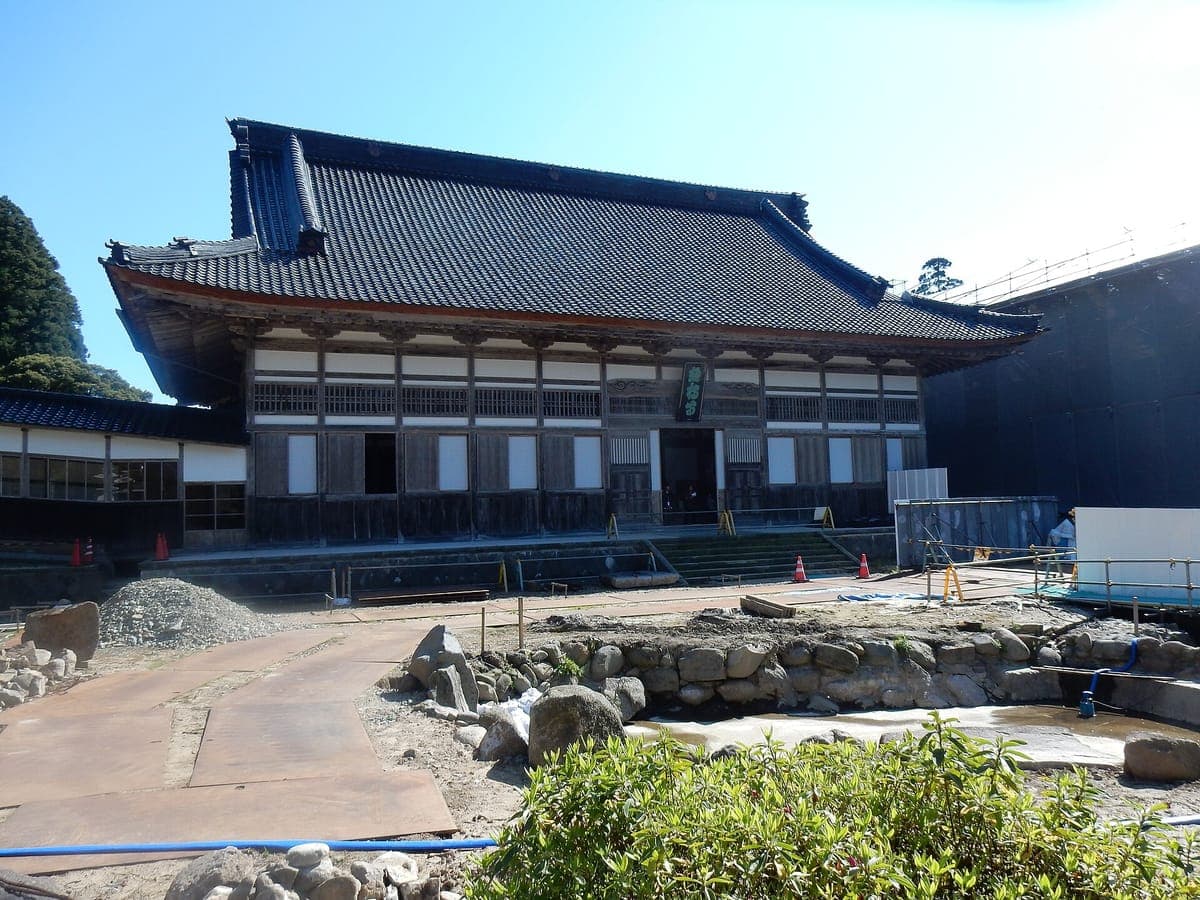
Monzen Sojiji Temple
總持寺祖院
Monzen Sojiji (Sojiji Soin) is the historic head temple of the Soto Zen sect, set within a serene cedar grove that once housed some 70 sub-temples. It remains a tranquil retreat into Zen architecture and practice, especially lovely under autumn foliage, and it sits well off the major tourist routes. As a heritage site in an affected area, please confirm its access and opening status before you visit.
Getting there: Take a train from Kanazawa to Nanao, then a local bus to the temple; from Nagoya Station, about 4h 43m by car. Adult admission ¥500 (students ¥400/¥200).
07Ishikawa
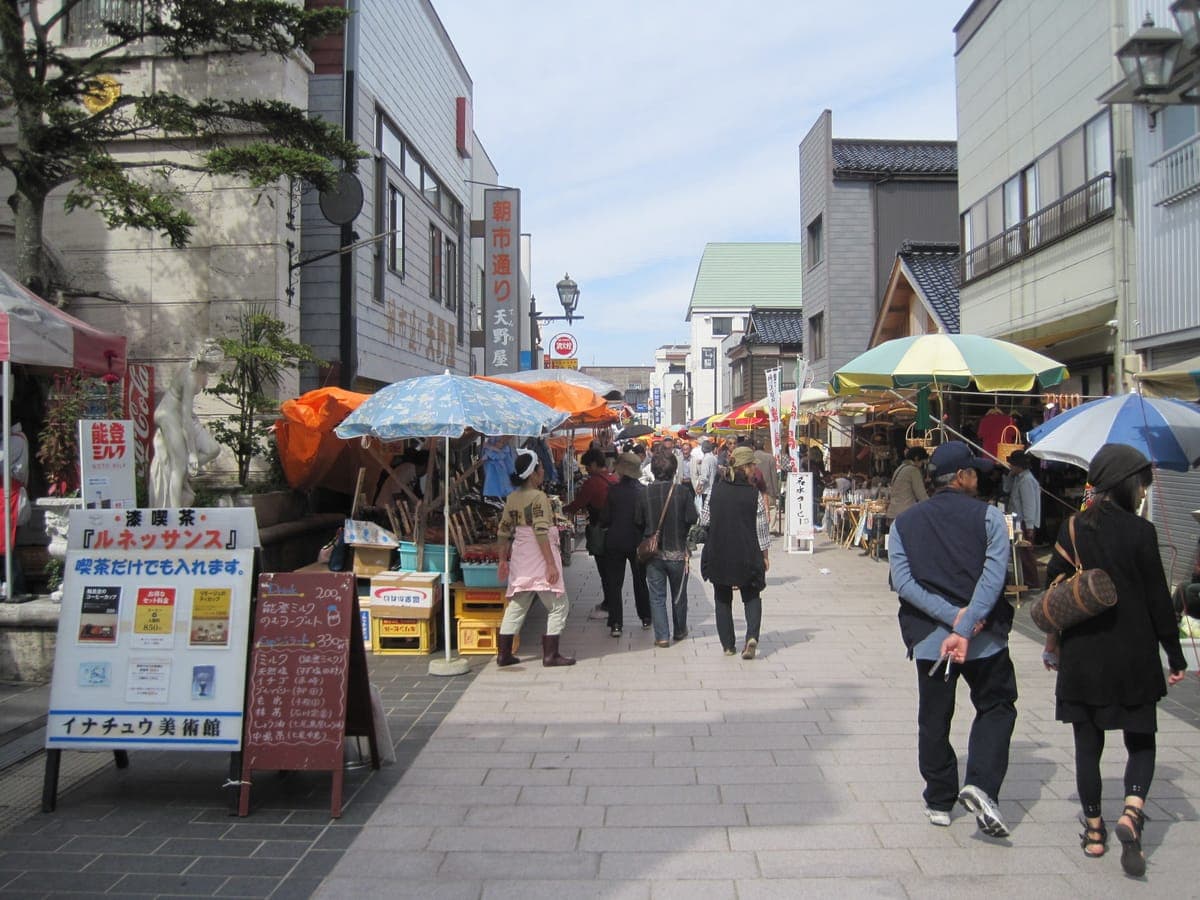
Wajima Morning Market
輪島朝市
The Wajima Morning Market has run for more than a thousand years, its obaachan vendors selling fresh seafood, vegetables and prized Wajima-nuri lacquerware along a lively street of stalls. It is one of the peninsula's most beloved institutions — and one of the clearest reasons to travel here in support of recovery. Following the January 2024 earthquake the market has been operating at a temporary, reduced site, so please check its current status and location before visiting.
Getting there: From Kanazawa, take the JR Noto Line to Wajima Station, then about a 15-minute bus ride; from Nagoya Station, roughly 4h 47m by car. No entrance fee — you pay only for goods.
08Ishikawa
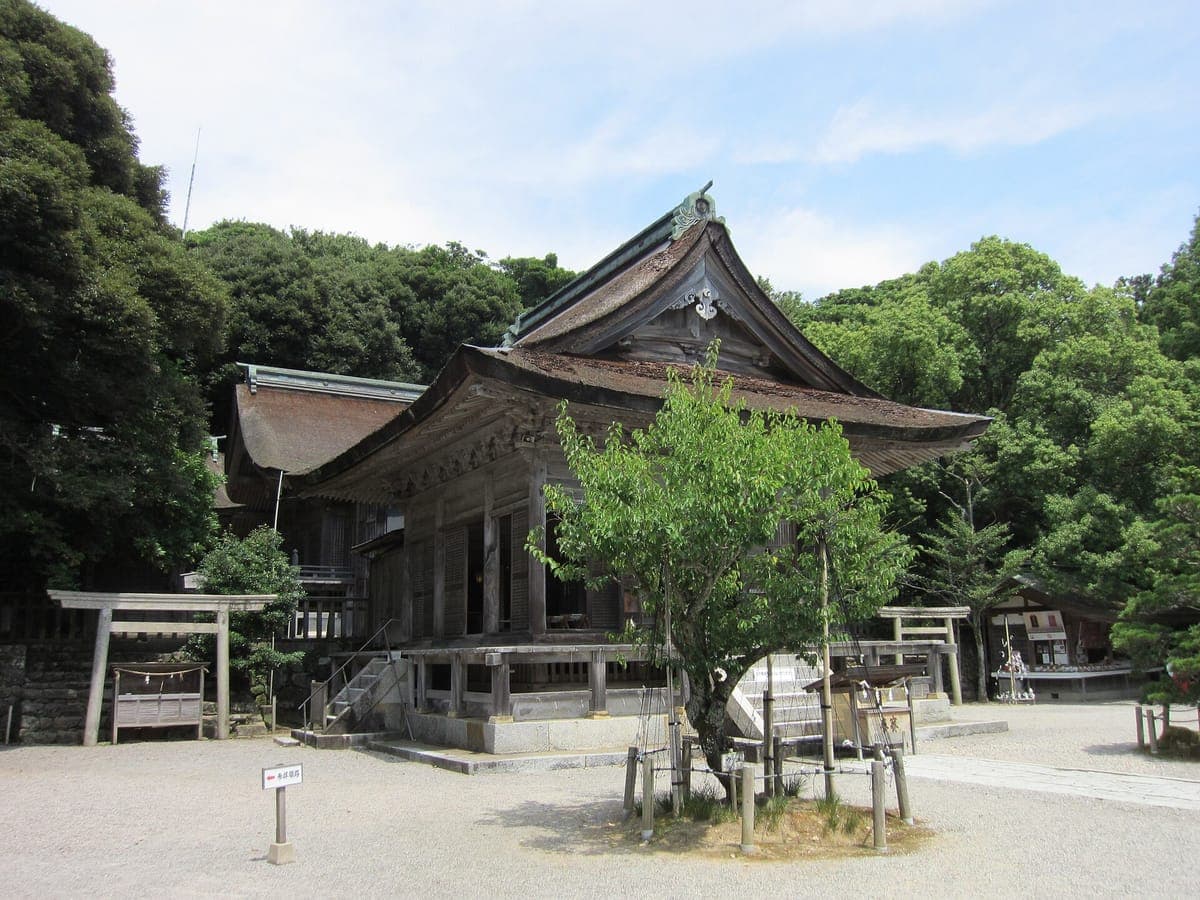
Keta Taisha Grand Shrine
気多大社
Keta Taisha is one of the most important shrines on the Noto Peninsula, wrapped in a sacred forest that lends it a deeply serene atmosphere. It is known for an annual lantern festival, when thousands of lanterns illuminate the grounds. Many travellers pass it by on the way to Kanazawa, missing one of the region's spiritual anchors. Autumn is a particularly fine time to visit; as ever, confirm access first.
Getting there: From Kanazawa, take the Noto Railway to Anamizu Station, then a local bus to Keta Taisha; nearest rail is Chiji Station, about a 48-minute walk. Free for the regular grounds (a fee applies only for special interior goshoden worship).
Travelling responsibly right now
Before anything else, check official Noto and Ishikawa tourism updates close to your trip — road, rail and site conditions are still changing, and a page that was accurate last month may not be today. Where you can, book directly with inns, restaurants and workshops so your spending reaches them in full. Be patient and flexible: some services run at reduced capacity, staff are stretched, and plans may need to shift on short notice. Above all, spend locally — buy the lacquerware, eat the seafood, stay the extra night. Thoughtful, well-timed visitors are one of the most useful things a recovering region can have.
Keep exploring
- Hokuriku: Kanazawa, Noto & Fukui
- The Sanin Coast: Shimane & Tottori
- Sacred Japan: Kumano, Koya & Dewa
Ready to plan? Build your own hidden-Japan itinerary → — our trip generator turns any of these spots into a day-by-day route.