Chubu (Hokuriku)6 min read
Hokuriku Uncovered: Kanazawa, the Noto Peninsula & Fukui
A hokuriku itinerary through Kanazawa, the Noto Peninsula and Fukui — geisha lanes, gold-leaf craft, a drivable beach, sea cliffs and quiet Zen temples.
Best time: Spring–autumn; winter crab/snow
Most travelers racing between Tokyo and Kyoto skip the Sea-of-Japan side entirely, which is exactly why it rewards those who don't. This hokuriku itinerary threads through Kanazawa, the Noto Peninsula and Fukui — the trio of coastal prefectures where Japan feels slower, saltier and less rehearsed. In Kanazawa you can lose an afternoon in Edo-era teahouse lanes and samurai walls without ever queuing behind a tour flag. Push north into the Noto Peninsula and the roads empty out toward capes, cedar groves and a beach you can legally drive on. Drop south into Fukui and you find hot-spring towns, five oddly colored lakes and a wind-scoured cape that blooms with wild narcissus in winter. It is a region built for people who like their sightseeing quiet, their seafood fresh and their crowds thin. Here are nine spots to build a route around, spread across Ishikawa and Fukui.
01Ishikawa
Higashi Chaya District
東茶屋街
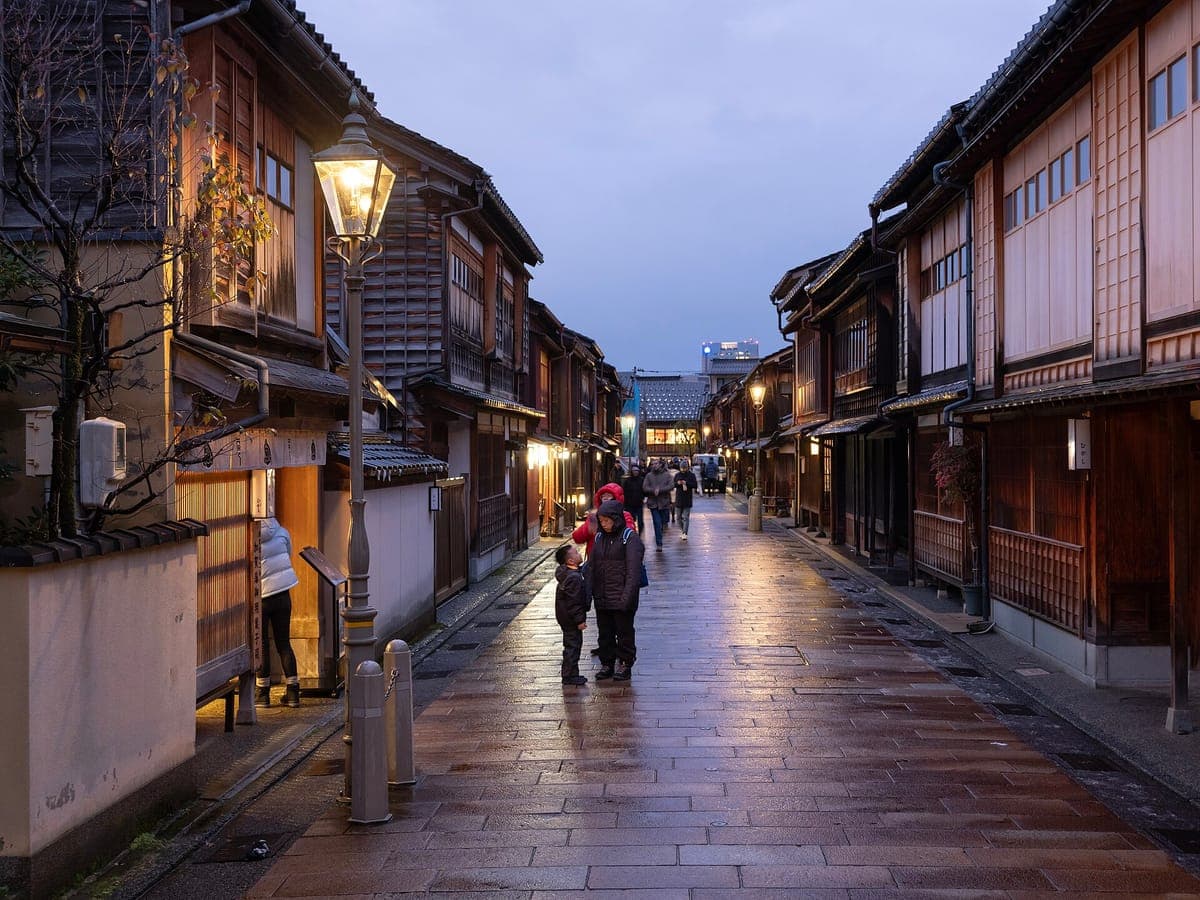
The best-preserved of Kanazawa's old geisha quarters, Higashi Chaya is a grid of cobbled lanes lined with two-storey wooden teahouses, their slatted lattice fronts glowing at dusk. You can duck into a former chaya for tea, browse gold-leaf and lacquer shops, or simply photograph the golden-hour light on the timber facades. It carries the atmosphere of Kyoto's Gion with a fraction of the foot traffic. Getting there: About a 25-minute walk from Hokutetsu-Kanazawa Station, or a short bus or taxi ride from Kanazawa Station. Free to wander (individual teahouses charge separately, roughly ¥500–750). Best in spring or autumn.
02Ishikawa
Nagamachi Samurai District
長町武家屋敷跡
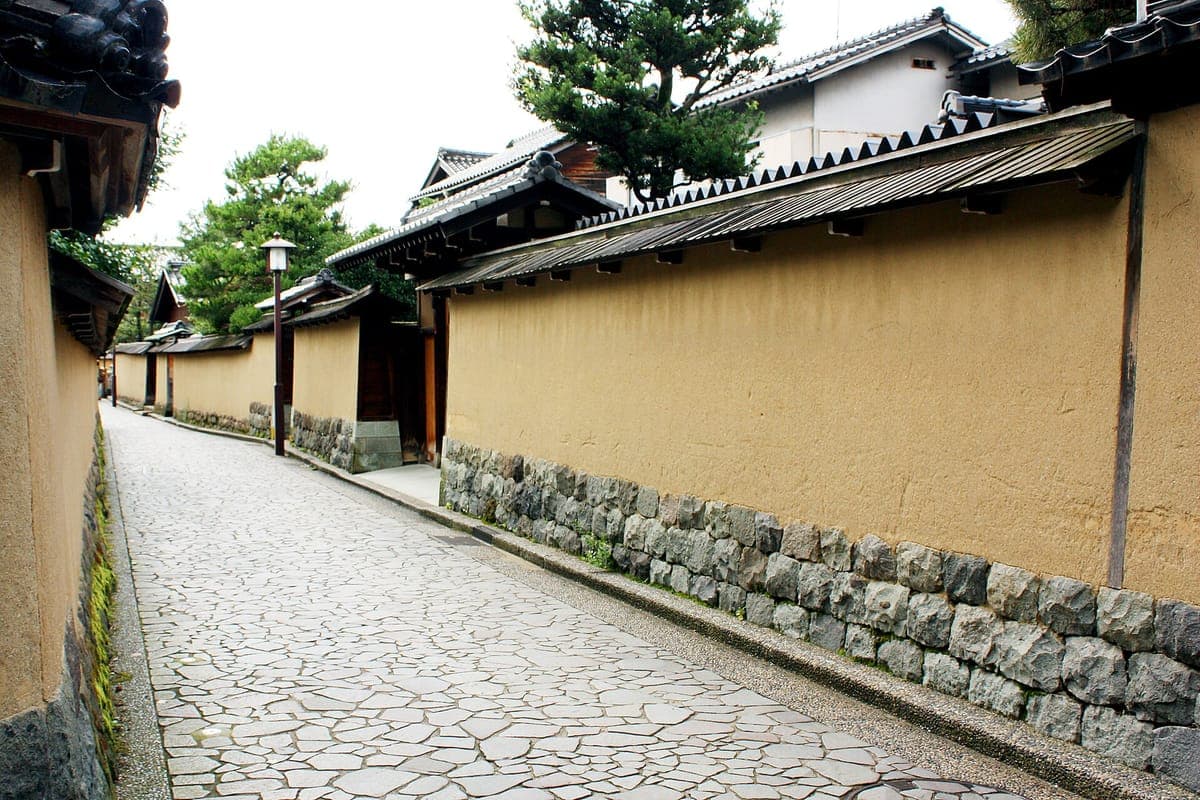
Just below Kanazawa Castle, Nagamachi is a warren of earthen-walled lanes where mid-ranking samurai families once lived. The ochre mud walls, water channels and restored residences give a rare, tangible sense of Edo-period daily life, and it stays remarkably calm even when the city's headline sights fill up. The Nomura family house at its heart is worth stepping inside for its small but exquisite garden. Getting there: Roughly a 20-minute walk from Nomachi Station, or a bus from Kanazawa Station toward Nagamachi. The district itself is free; the Nomura Samurai House charges ¥550 admission. Best in spring or autumn.
03Ishikawa
Omicho Market
近江町市場
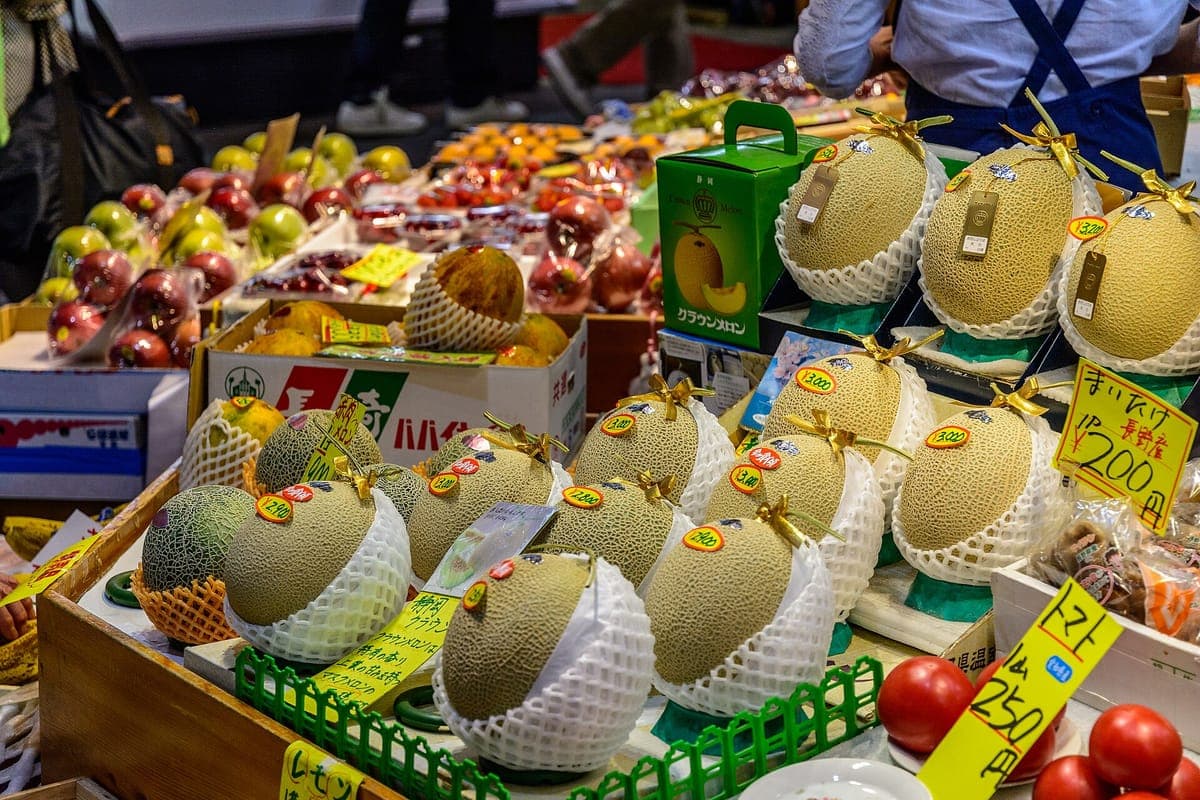
Kanazawa's kitchen for nearly 300 years, Omicho is a covered warren of stalls piled with the cold-water bounty of the Sea of Japan — snow crab, sweet shrimp, sea bream and glistening trays of sashimi. Come hungry: many stalls will crack open and serve seafood on the spot, and the winter crab season is a genuine event. It is the easiest, most delicious introduction to Hokuriku's larder. Getting there: About a 15-minute walk from Hokutetsu-Kanazawa Station, or a short bus ride from Kanazawa Station. Free to enter. Open year-round.
04Ishikawahidden gem
Kanazawa Yasue Gold Leaf Museum
金沢市立安江金箔工芸館
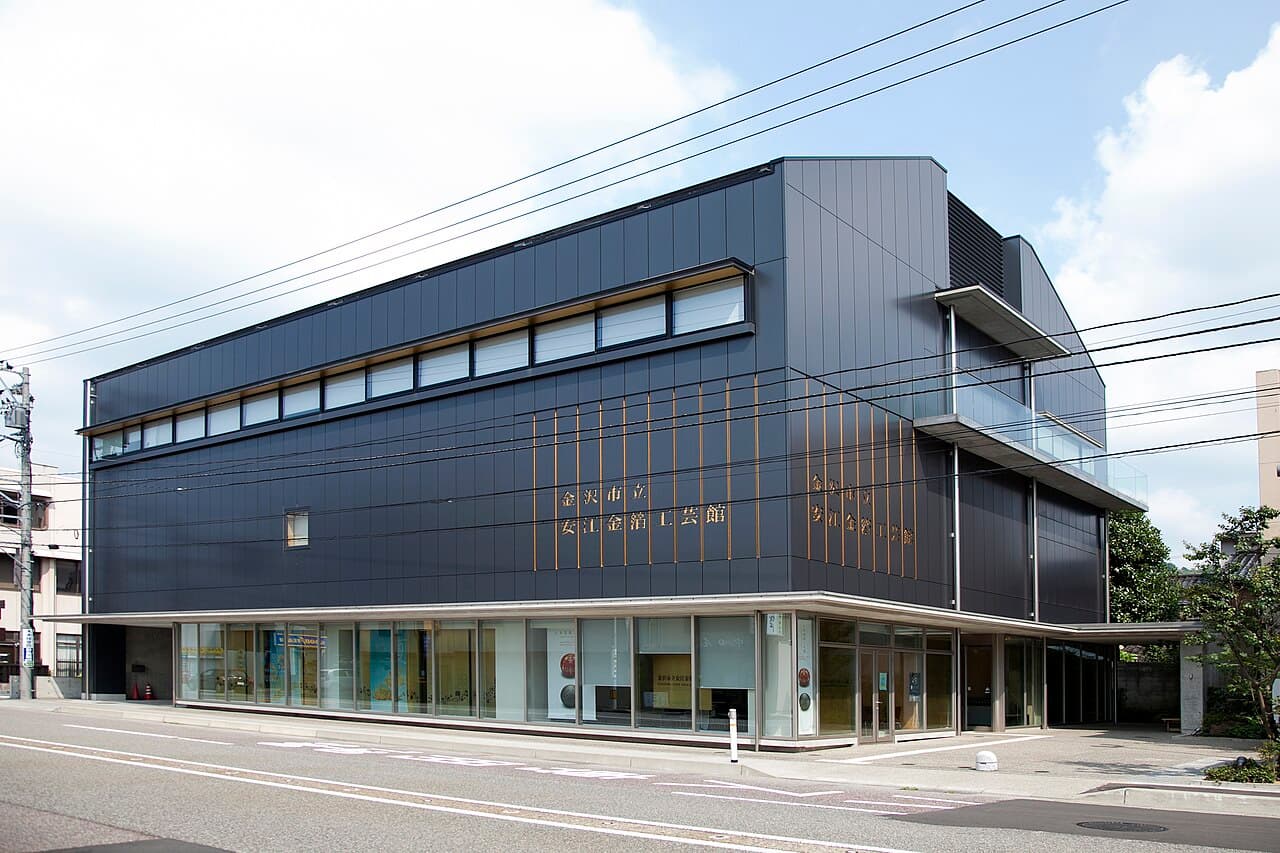
Kanazawa produces almost all of Japan's gold leaf, and this small municipal museum is where that centuries-old craft is explained properly. Contemporary displays walk you through the astonishing process of beating gold into sheets thinner than a human hair, alongside porcelain and lacquerware sheathed in the stuff. Most visitors never make it here, which makes it a quiet, genuinely local counterpoint to the big-name sights. Getting there: About a 25-minute walk from Hokutetsu-Kanazawa Station, or a bus from Kanazawa Station toward Kenroku-en. Admission ¥310. Open year-round (closed Tuesdays).
05Ishikawahidden gem
Chirihama Nagisa Driveway
千里浜なぎさドライブウェイ
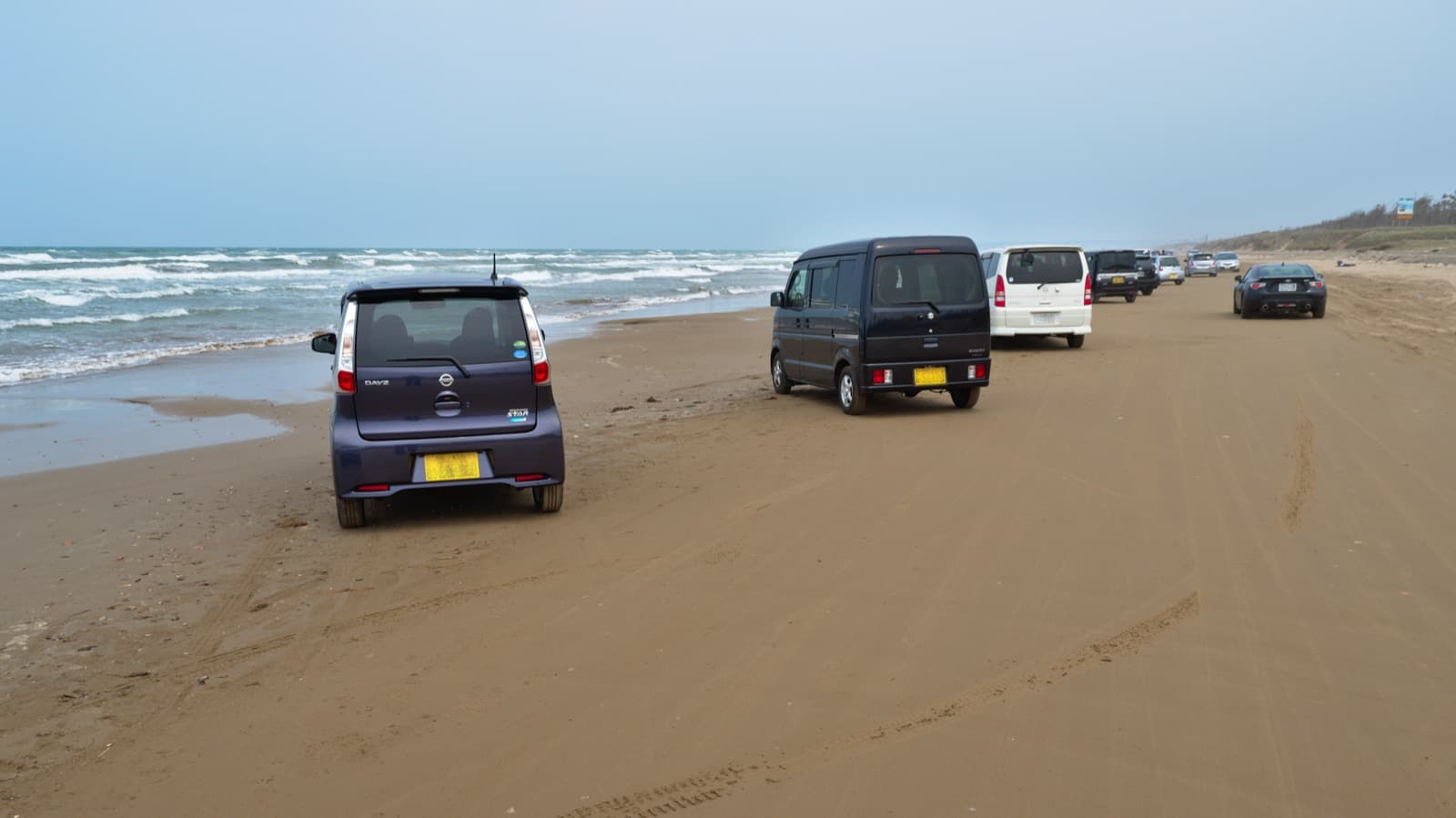
On the Noto Peninsula's west coast near Hakui, this roughly 8km strip of Sea-of-Japan beach doubles as a public road — one of the only places in Japan where you can legally drive an ordinary car directly on the wet sand near the waterline. The sand here is so fine it compacts into a firm, road-like surface when saturated with seawater. Windows down, waves to one side, it is a genuinely singular experience most Noto visitors never realize exists. Getting there: Best reached by car via the free Noto Satoyama Kaido expressway (exit Chirihama or Imahama IC), about 40 minutes from central Kanazawa; by train it's roughly a 23-minute walk from Hakui Station on the JR Nanao Line to the north entrance. Free — it's a public beach, not a toll road.
06Ishikawahidden gem
Suzu Cape Noto
珠洲岬
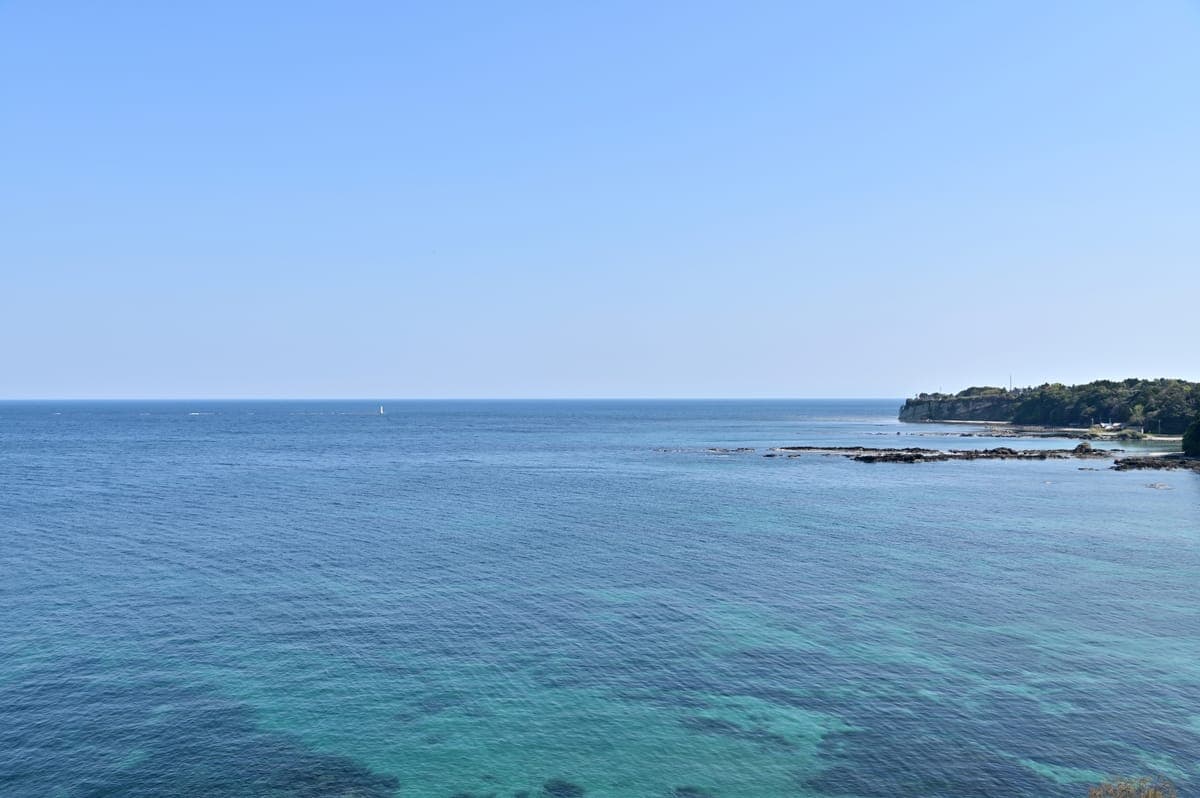
Out at the far northeastern tip of the Noto Peninsula, Suzu Cape is where the road runs out and the coastline turns wild. Its signature is a window-shaped rock formation that frames the sea, and the surrounding area has long been known for traditional agehama salt-making. This is remote, end-of-the-line country that mainstream itineraries almost always skip. Access across parts of Noto can be slow and changeable, so check local transport before committing. Getting there: From Kanazawa, take the Noto Railway to Anamizu Station, then a local bus toward Suzu; a rental car gives you far more flexibility this far out. Best in spring and autumn for mild weather.
07Fukuihidden gem
Cape Echizen
越前岬
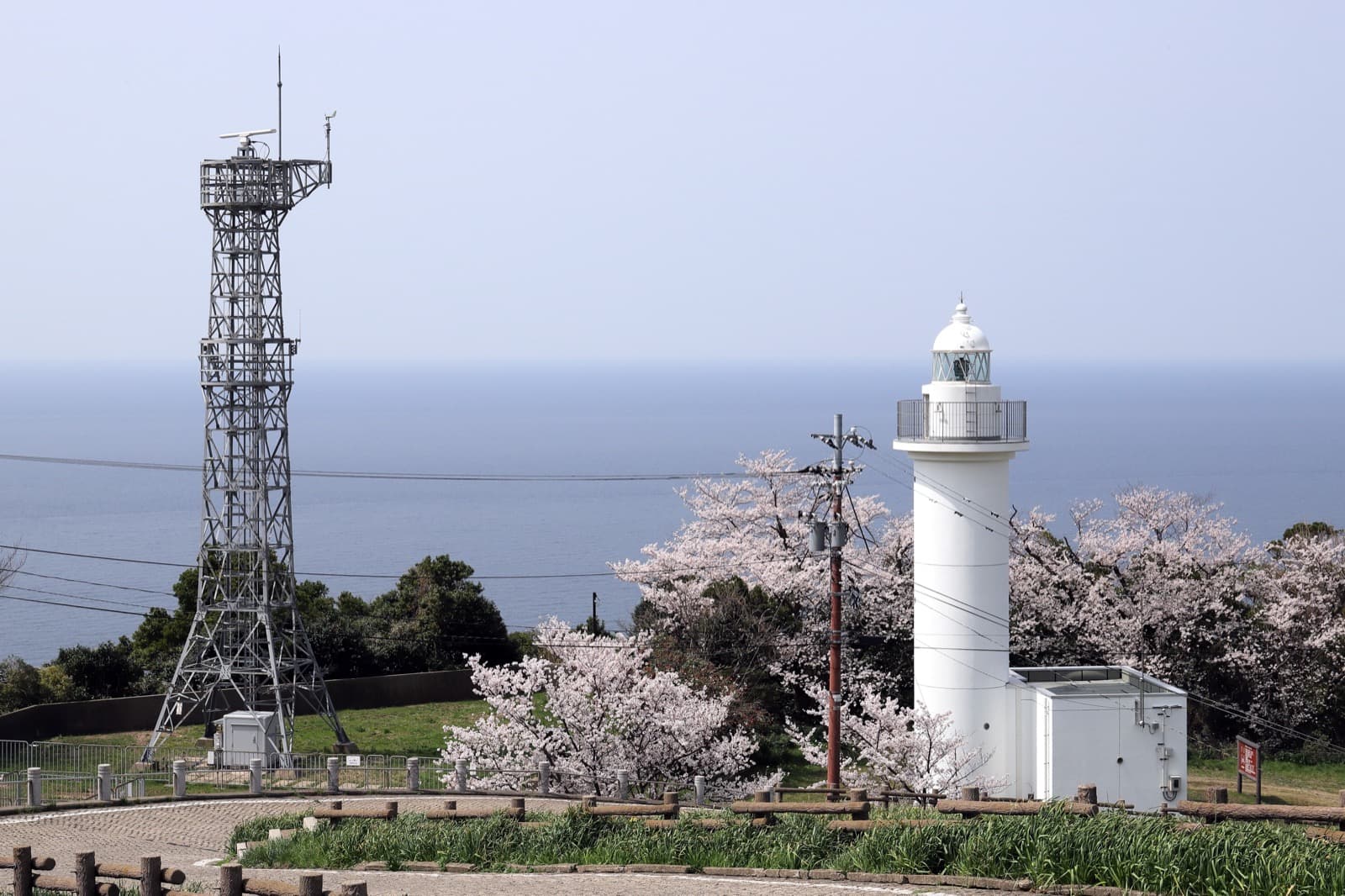
On Fukui's rugged Echizen coast, a dramatic 130-metre basalt headland rises straight from the sea, crowned by a white lighthouse and cut by wind- and wave-carved rock. Most people stop at nearby Tojinbo and turn back, missing this wilder, quieter second cape entirely. Its secret season is winter: from late December through February the surrounding cliffs bloom with wild Echizen suisen (narcissus), one of Japan's three great naturalized narcissus colonies. Getting there: No train nearby — from JR Fukui Station take the Keifuku Bus Echizen Kaigan route toward the cape (about 60–90 minutes), or roughly a 35-minute taxi from JR Sabae or Echizen-Takefu Station. The cape and lighthouse area is free public land.
08Fukui
Awara Onsen
あわら温泉
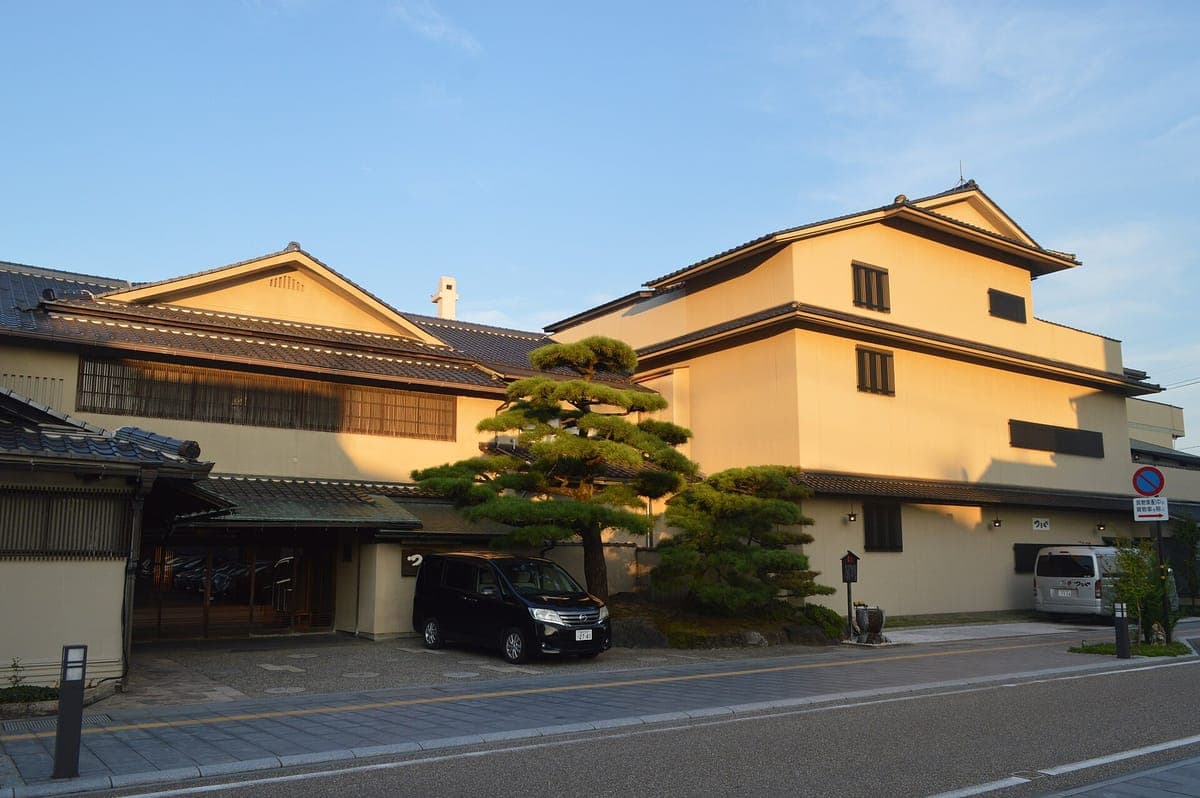
Fukui's premier hot-spring town, Awara Onsen trades on graceful ryokan and a surviving geisha culture, with an old-world calm that its more famous rivals have largely lost. Soak, then take the town's signature evening rickshaw ride through lantern-lit streets. It is the kind of unhurried, authentic onsen stay that mainstream travelers routinely overlook. Getting there: Awara-Yunomachi Station is about a 1-minute walk away; the town is roughly 30 minutes from Kanazawa Station on the JR Hokuriku Line. Best in spring and autumn.
09Fukui
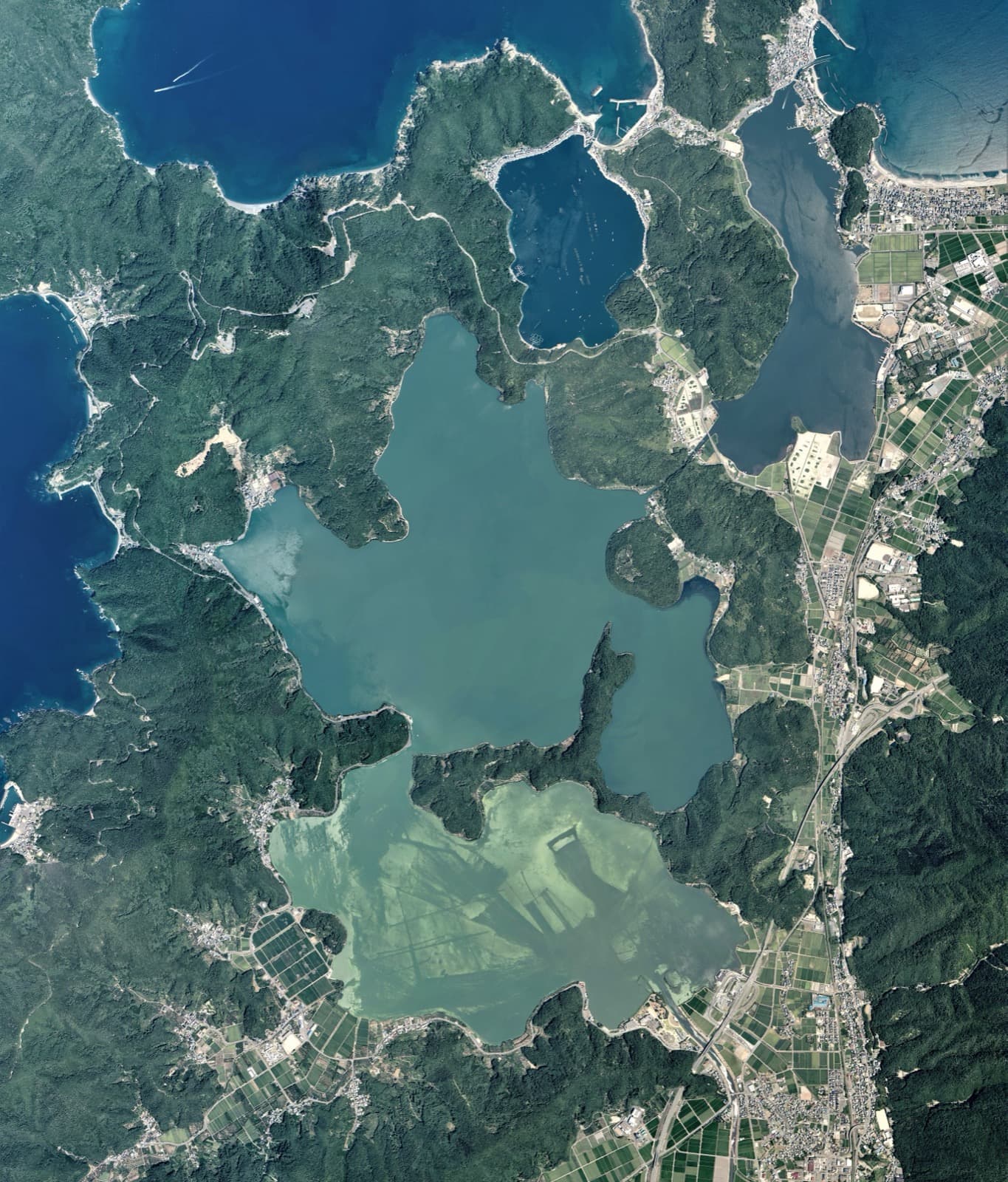
Mikata Five Lakes / Rainbow Line Summit Park
三方五湖・レインボーライン山頂公園
In Fukui's Wakasa Bay Quasi-National Park lie five interconnected lakes, each with a subtly different salinity, depth and water color. The Rainbow Line toll road climbs Mt. Baijodake to a 360-degree summit park with a floating terrace that takes in all five lakes and the Sea of Japan at once. Lake Suigetsu is even famous among geologists worldwide for its annually banded sediment core, used as a global dating reference. It's every bit as photogenic as Tojinbo, with far fewer visitors. Getting there: About a 15-minute taxi from JR Mihama Station on the Obama Line to the first parking lot, then a lift or cable car (about 2 minutes) to the summit park. Admission ¥1,000 (includes the lift or cable car up; separate car park fee applies).
When to go
Spring and autumn are the sweet spots across all three prefectures — cherry blossom and fresh green in April and May, fiery foliage in October and November, and comfortable walking weather for Kanazawa's lanes and the Noto capes alike. Winter reshapes the trip: it brings heavy Sea-of-Japan snow, prized snow crab at Omicho and Fukui's ryokan tables, and the narcissus bloom at Cape Echizen from late December into February. Summer is warm and green but can be humid, though it's the most forgiving season for driving Chirihama and exploring the exposed Noto coast. Whenever you go, this side of Japan runs on infrequent trains and buses, so build in buffer time — and strongly consider a rental car for the Noto Peninsula and Fukui's coastal capes, where public transport thins out fast.
Keep exploring
- Japan Alps: Nagano & Gifu — the mountainous inland neighbor just over the ridgeline.
- San'in Coast: Shimane & Tottori — more quiet Sea-of-Japan coastline to the southwest.
- Kansai Beyond Kyoto & the Kii Peninsula — where to head next when you drop south out of Fukui.
- The Noto Peninsula After the Quake: Travelling Respectfully — A closer, respectful look at Noto and how to visit as it recovers.
Ready to plan? Build your own hidden-Japan itinerary → — our trip generator turns any of these spots into a day-by-day route.