Chugoku6 min read
The San'in Coast: A Shimane & Tottori Travel Guide to Japan's Myth Country
A San'in region travel guide to Shimane and Tottori — Izumo Taisha, the Iwami Ginzan silver road, Matsue's lakeside art and quiet onsen towns off the tourist trail.
Best time: Spring & autumn
Face the Sea of Japan and you leave the bullet-train crowds behind. This San'in region travel guide to Shimane and Tottori maps out the country's quiet northern shoulder — a land the old chronicles call the birthplace of the gods, where eight million deities are said to gather each autumn and a silver mine once minted a third of the world's supply. Shimane is one of Japan's least-visited prefectures, and its neighbour Tottori is smaller still in the guidebooks, which is exactly why they reward the traveller willing to swap Kyoto's queues for empty shrine paths, hilltop castle ruins and hot-spring valleys recorded in eighth-century texts. The two threads that tie it all together are myth and the silver road: the shrines and folklore of Izumo, and the UNESCO-listed mining country that funded an empire. Here are nine places to build a slow week around.
01Shimane
Izumo Taisha
出雲大社
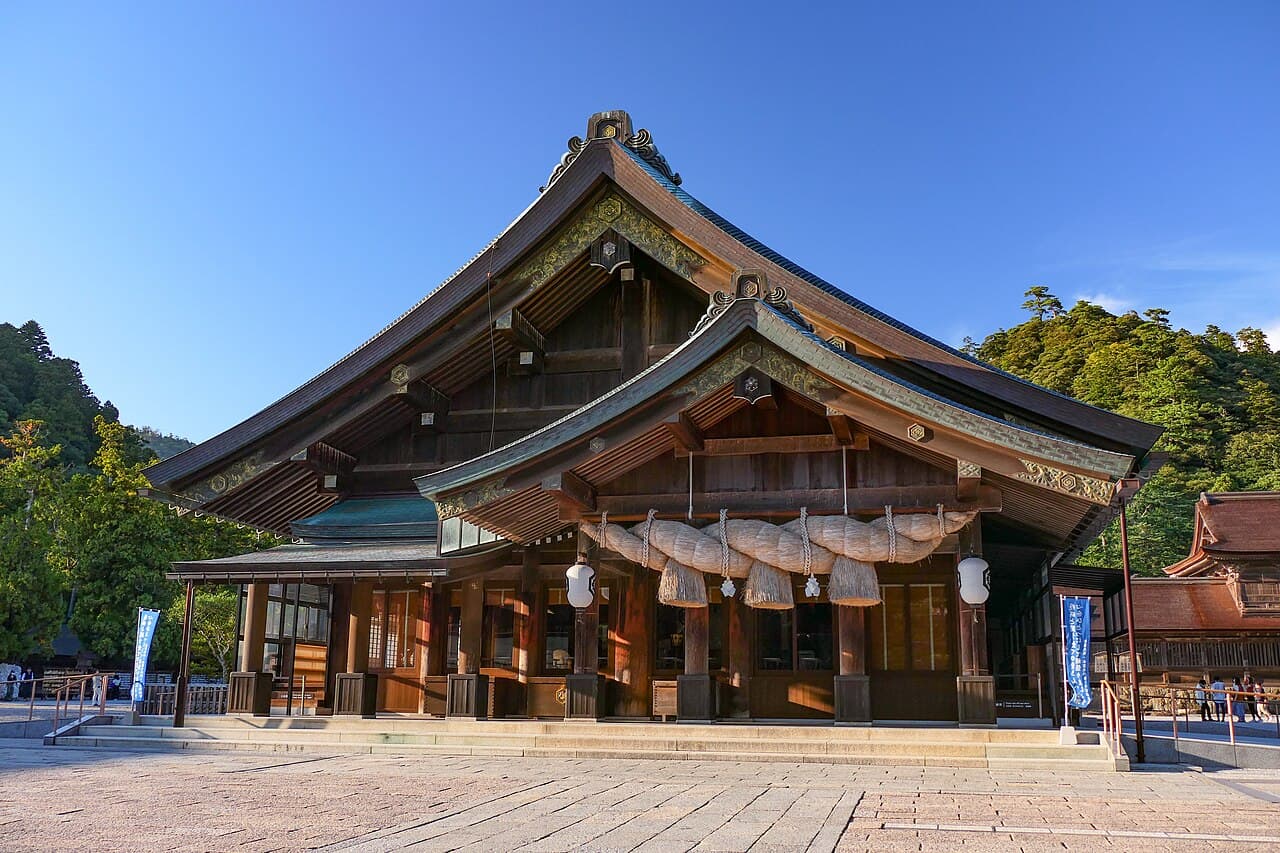
One of Japan's oldest and most important Shinto shrines — older even than Ise — Izumo Taisha is dedicated to Okuninushi no Mikoto, the deity of relationships and marriage, and draws pilgrims year-round. The complex is unusually vast, crowned by a colossal shimenawa rope and built in the taisha-zukuri style found nowhere else. During the October lunar-calendar festival of Kannazuki, all eight million gods of Japan are said to convene here. Because Shimane is so often skipped for Kyoto or Hiroshima, this nationally significant site stays far quieter than it deserves. Getting there: From Matsue City, take the JR San'in Line to Izumo-shi Station (13 min walk), then a local bus or taxi to the shrine. Grounds and worship free; the optional treasure hall is ¥300. Best in October.
02Shimane
Yaegaki Shrine
八重垣神社
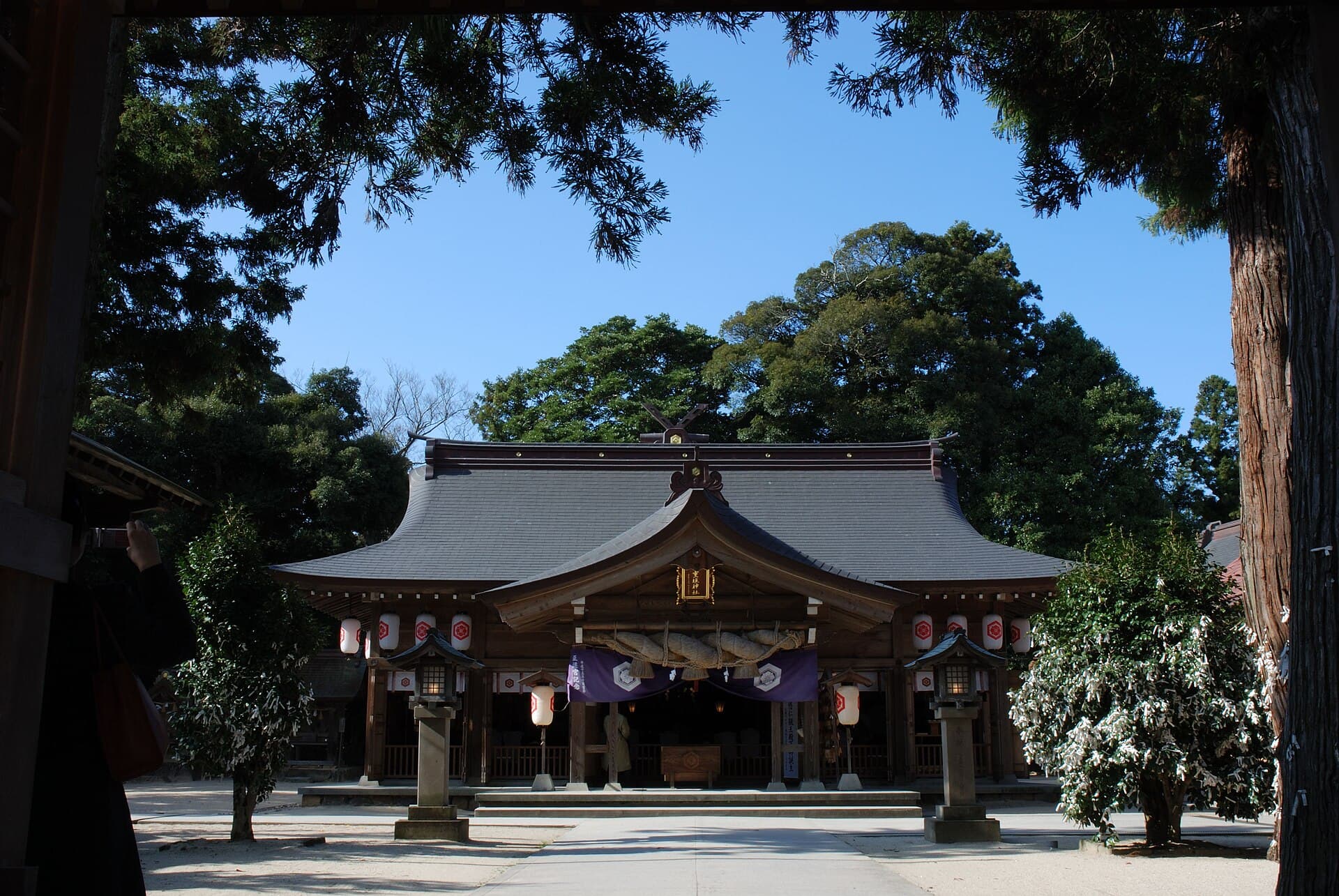
South of Matsue, Yaegaki Shrine is dedicated to Susanoo and Princess Kushinada-hime and is traditionally said to mark the site of Japan's first marriage. Behind the main hall, a wooded grove hides the Mirror Pond, where visitors float a coin on a slip of paper as a matchmaking divination — a living, still-practised "power spot" ritual. Most Izumo-focused itineraries skip it entirely, which leaves the romance-and-folklore corner of the myth country wonderfully undisturbed. Getting there: About 20 minutes by Ichibata Bus (Yaegaki Line) from Matsue Station, or a 15-minute drive south of central Matsue. Best year-round, with plum blossoms in early spring.
03Shimane
Iwami Ginzan Silver Mine
石見銀山
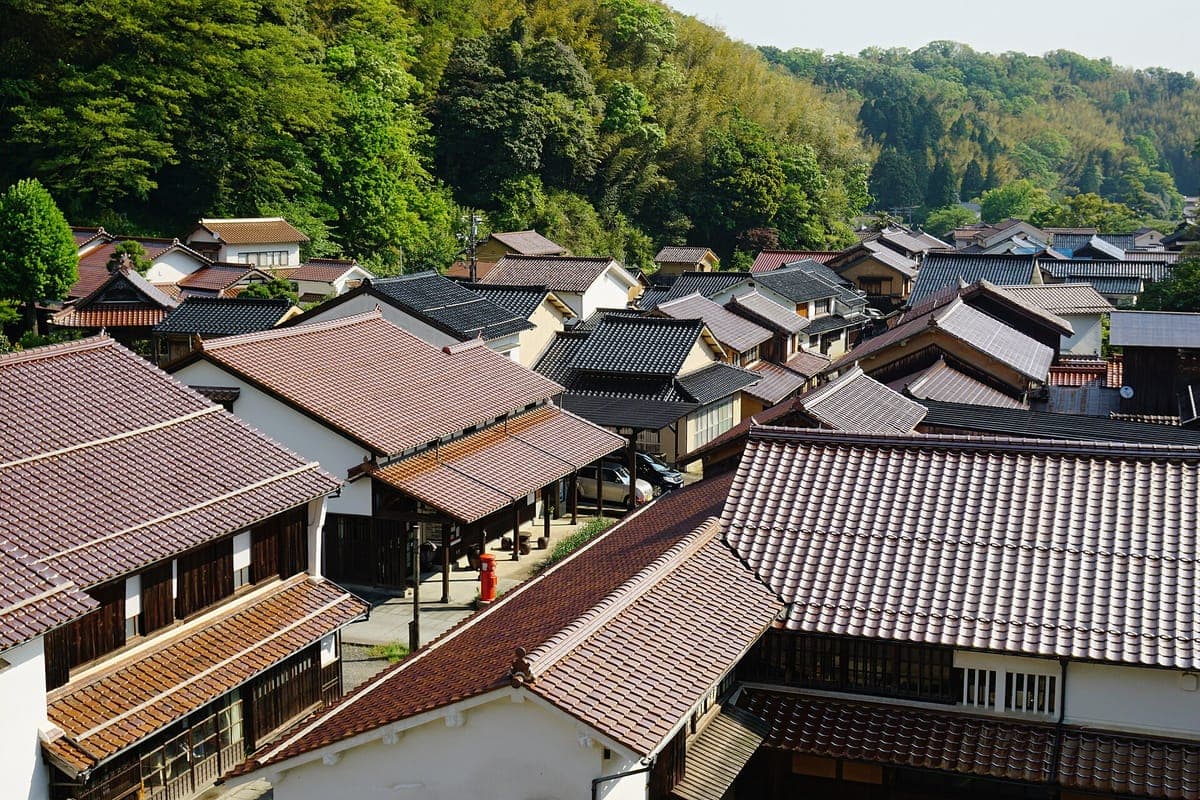
A UNESCO World Heritage Site, Iwami Ginzan tells the story of Japan's silver-mining boom through surviving mine shafts, traditional townscape architecture and forested hillsides. In its heyday this remote valley supplied a staggering share of the world's silver, and the mining tunnels, or mabu, can still be walked today. Its off-the-map location is precisely why mainstream travellers pass it by — and why it remains one of the most atmospheric heritage walks in western Japan. Getting there: Train to Oda City, then a bus or taxi to the mine area. Admission ¥500 for the Ryugenji Mabu mine shaft. Best in spring and autumn.
04Shimane
Adachi Museum of Art
足立美術館
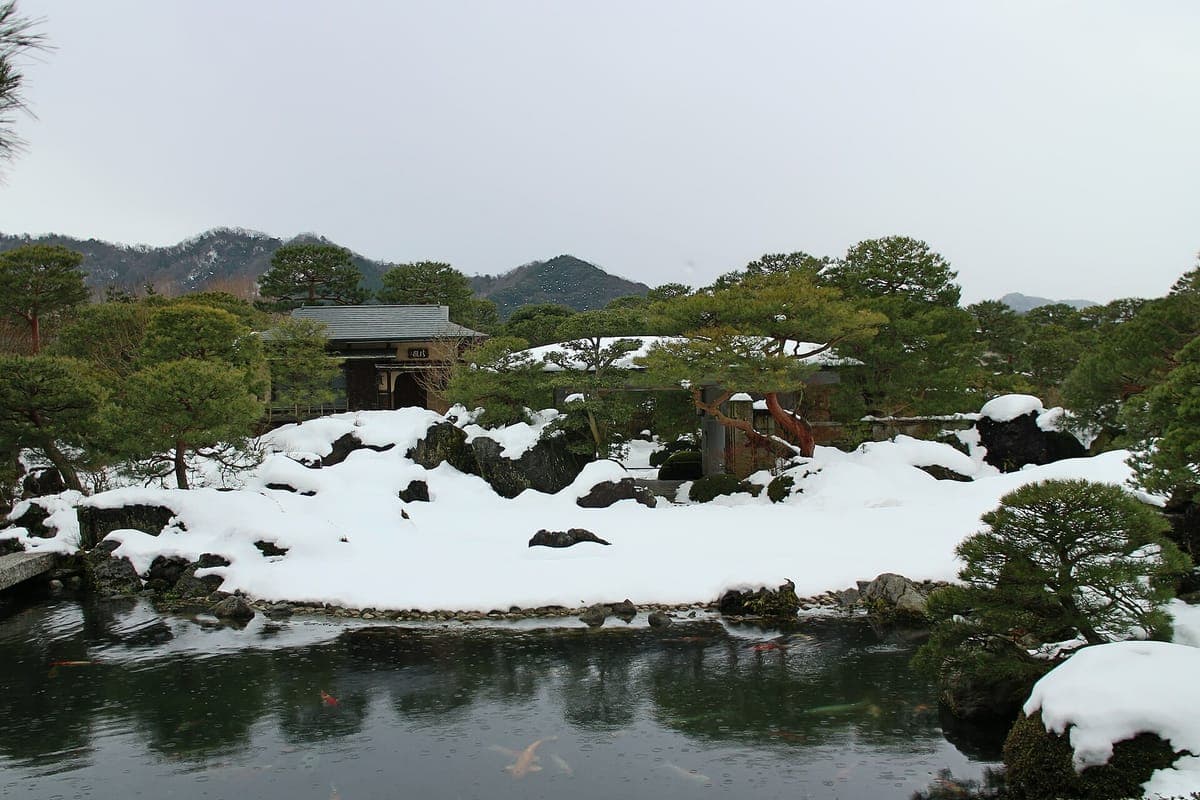
The Adachi Museum pairs a serious collection of modern Japanese painting — above all the works of Yokoyama Taikan — with gardens that have been ranked the finest in Japan year after year. The point isn't just the art on the walls but the way the museum frames its living gardens like scroll paintings through picture windows, a deliberate blend of nature and craft. Its position in a quiet, untouristed pocket of Shimane keeps it off most first-timer routes. Getting there: By train from Matsue Station, then a short bus ride to the museum. Admission ¥2,500. Best year-round.

05Shimane
Tamatsukuri Onsen
玉造温泉
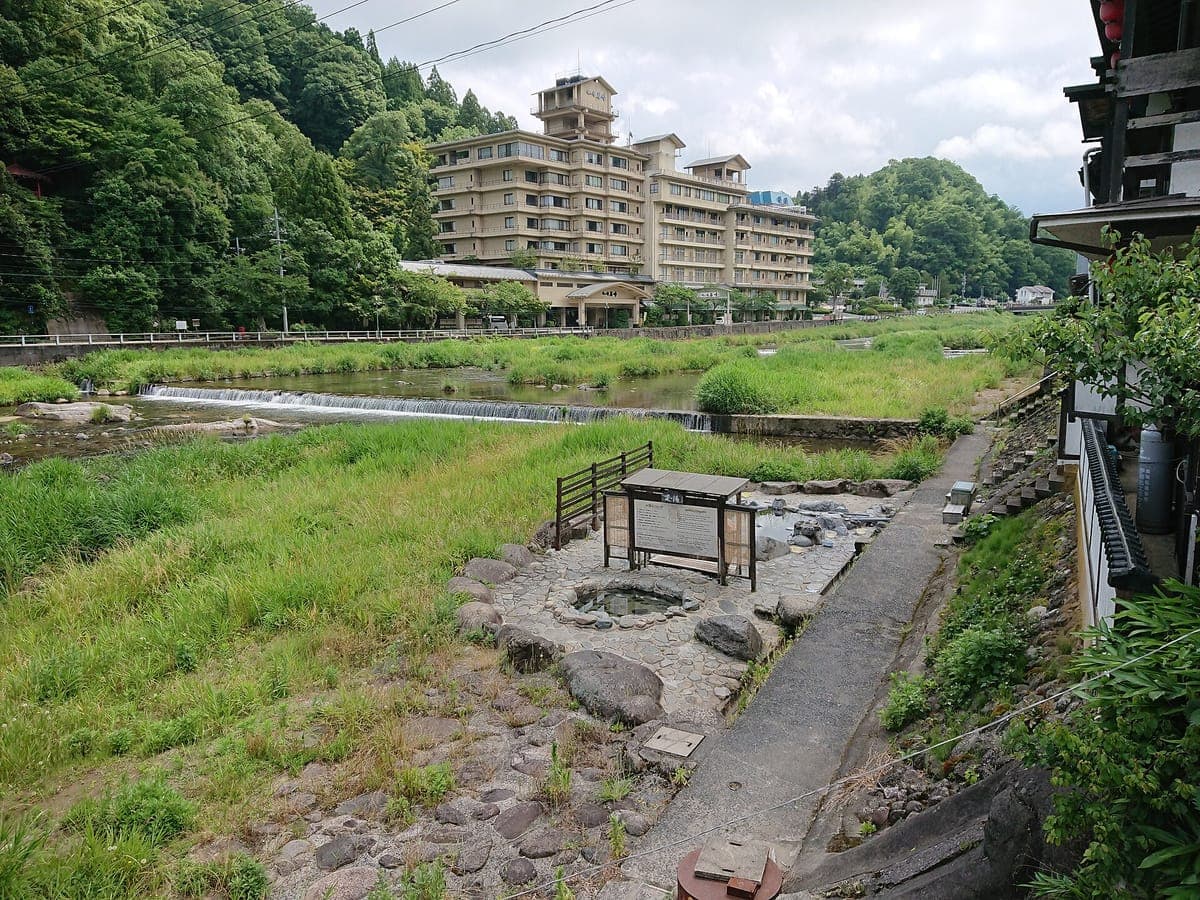
One of Japan's oldest hot-spring towns, Tamatsukuri appears in the 733 Izumo Fudoki and was praised by the Heian-era writer Sei Shonagon in The Pillow Book as one of the three great onsens. Traditional ryokan line the Tamayu River in a compact resort valley about 10km southwest of Matsue, making it an ideal history-and-relaxation overnight that sits apart from the Izumo Taisha cluster. Getting there: About a 10-minute walk or free shuttle from Tamatsukuri-Onsen Station (JR San'in Main Line); roughly 20 minutes by car from central Matsue. Best year-round, with autumn foliage along the Tamayu River.
06Shimane
Shimane Art Museum
島根県立美術館
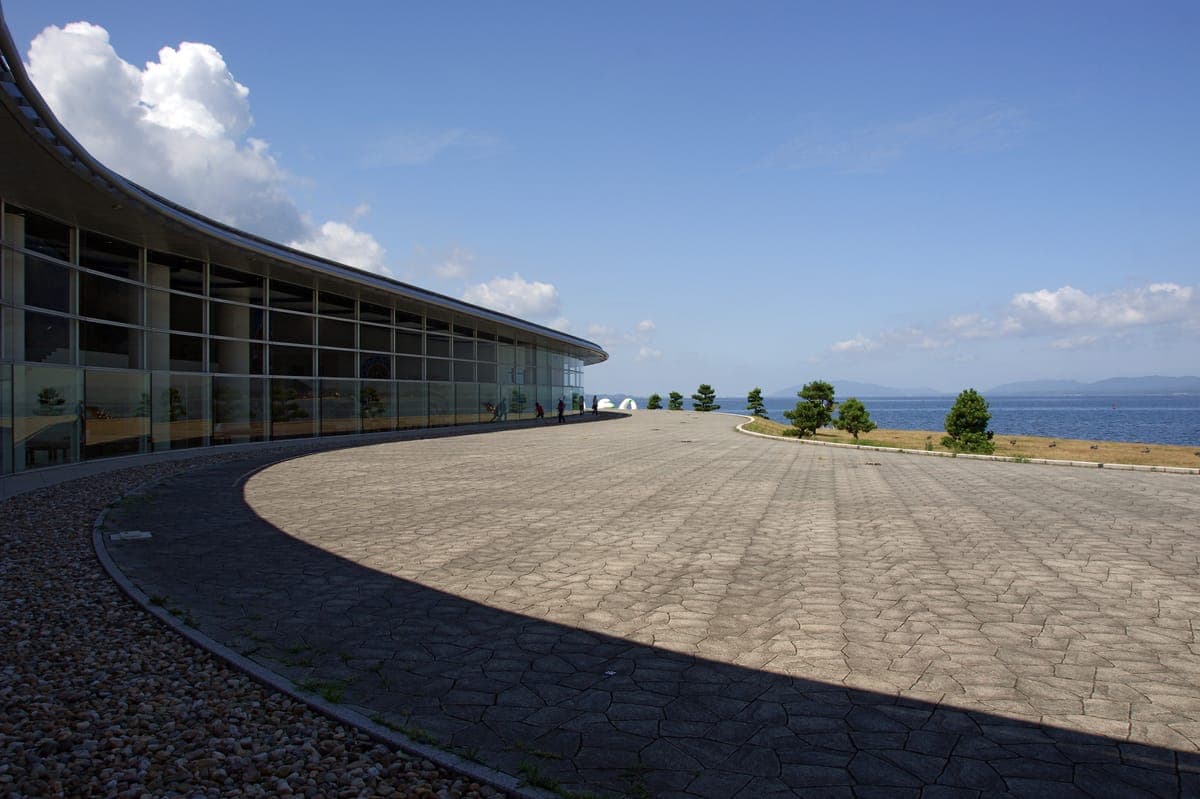
On the shore of Lake Shinji in Matsue, the Shimane Art Museum gathers silk paintings, woodcuts and ceramics spanning the 16th to 20th centuries, alongside a lakeside sculpture lawn famous for its sunset views. Its striking architecture and peaceful waterside setting make it a calm counterpoint to the region's shrines and mines — and, like so much of Shimane, it is quietly overlooked in favour of Japan's marquee attractions. Getting there: A short bus ride from Matsue Station, or a 22-minute walk from Matsue-Shinjiko-Onsen Station. Admission ¥400 for the collection exhibition (groups ¥320); closed Tuesdays. Best year-round.
07Tottori
Misasa Radium Onsen
三朝温泉
Crossing into Tottori, Misasa is renowned for having one of the world's highest radon concentrations, drawing visitors for the therapeutic reputation of its mineral-rich waters, which are also suitable for drinking. Tucked near the Daisen mountain range, it is a genuinely tranquil retreat wrapped in nature — and, like the region's other hot springs, it stays under the radar next to Japan's headline onsen resorts. Getting there: From Tottori City, take the JR San'in Line to Misasa Station, then a short bus ride to the onsen. Best in spring and autumn.
08Tottori
Daisen-ji Temple
大山寺
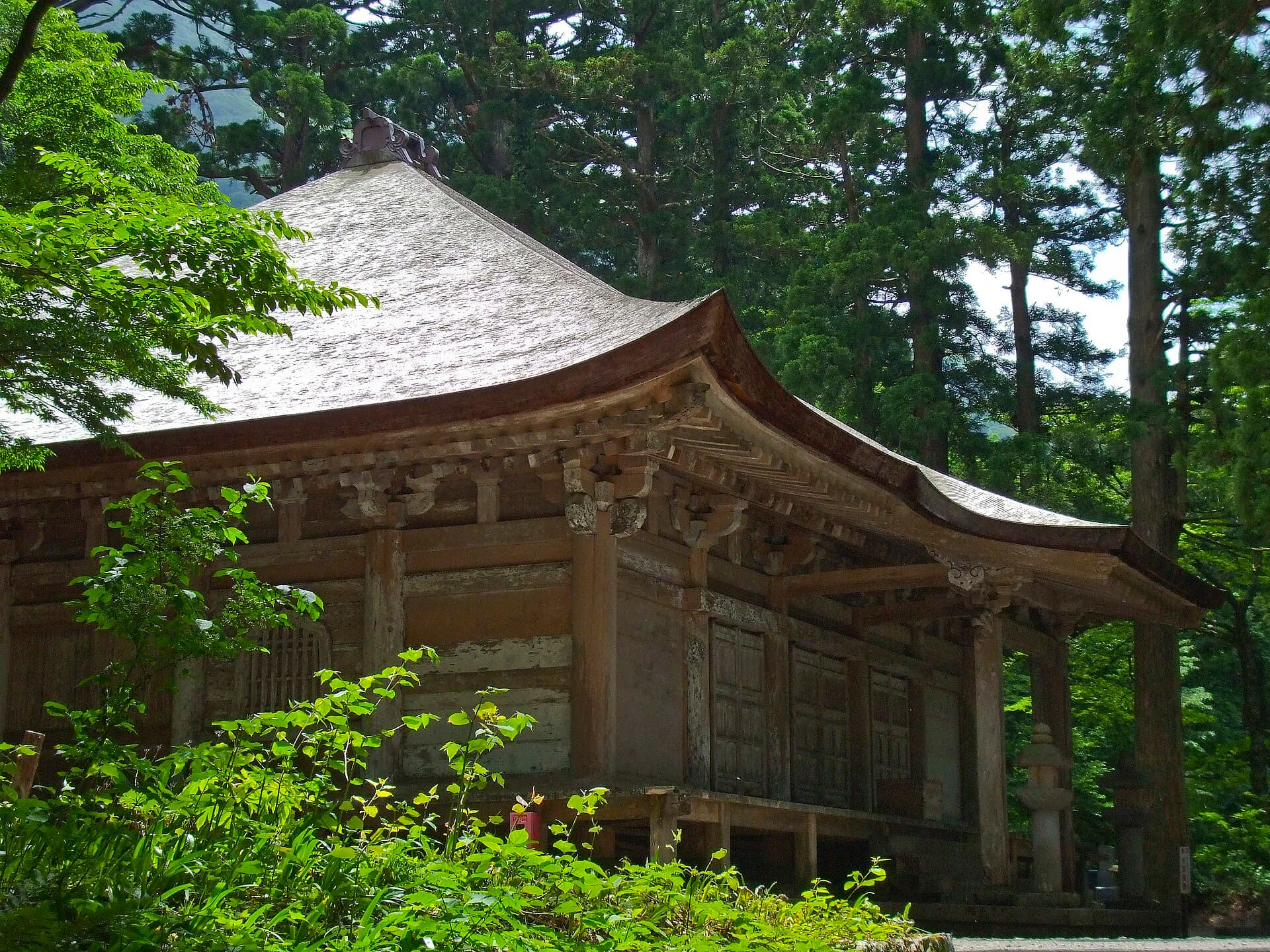
Founded in 718 CE on the slopes of Mt. Daisen, Daisen-ji was for over a millennium a major Shugendo mountain-worship centre in the Chugoku region. Its main hall and the adjacent Ogamiyama Shrine reflect the syncretic Shinto-Buddhist practice that shaped the mountain, and the temple doubles as the functional trailhead for Mt. Daisen hikes — a rare combination of living heritage and practical starting point. Getting there: About 50 minutes by bus from JR Yonago Station to the Daisen-ji bus terminal, then a short walk uphill. Best in spring and autumn foliage, or summer for cooler mountain air.
09Tottori
Yonago Castle Ruins
米子城跡
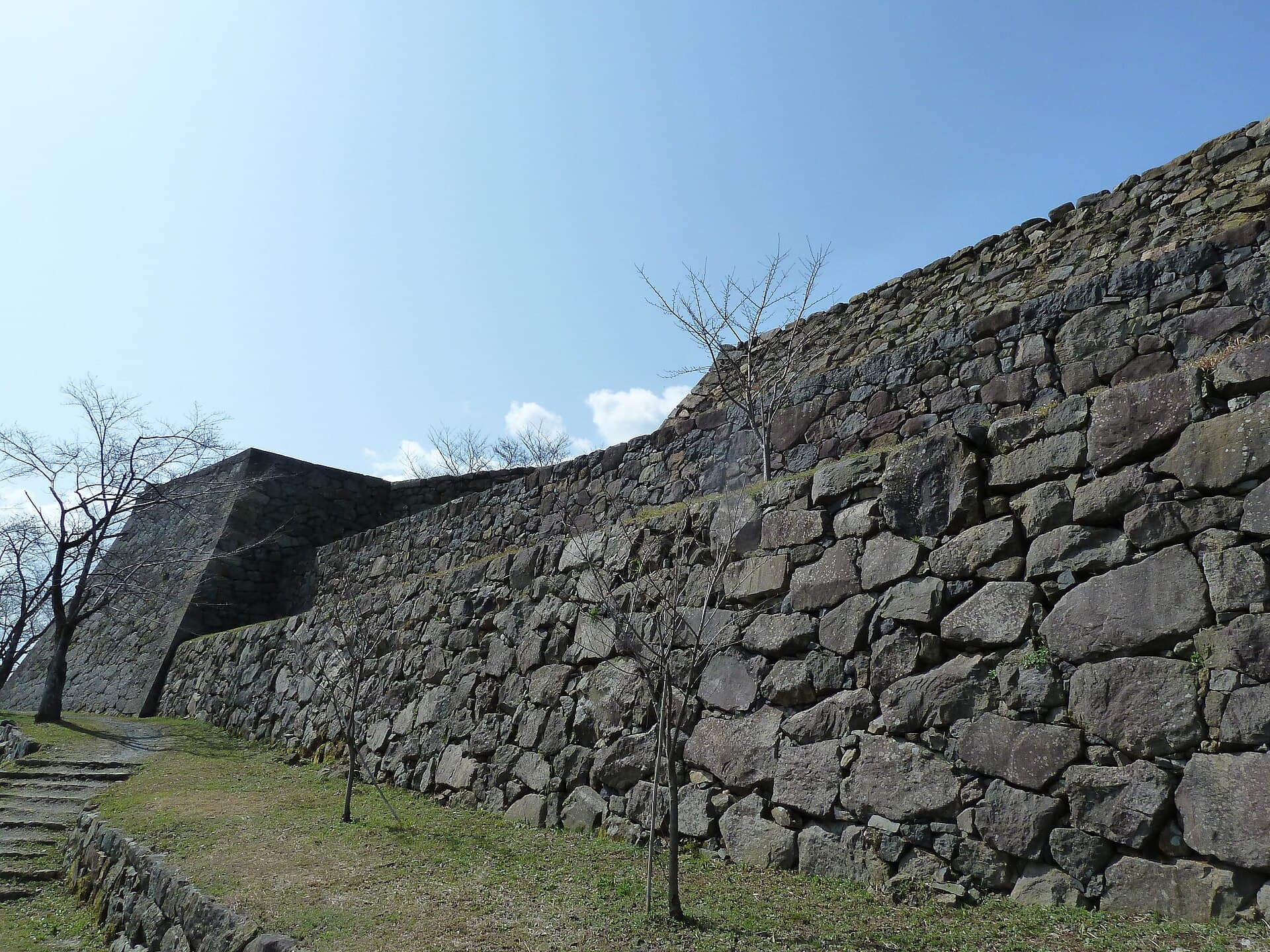
On Mt. Iinoyama above the city of Yonago, these are the ruins of a hilltop castle completed in 1601 and demolished in 1874, leaving only its stone walls and terraces — protected as a National Historic Site since 2006. The climb is rewarded with panoramic views across Yonago, Lake Nakaumi and the Sea of Japan, with Mt. Daisen filling the horizon on clear days. It is a quiet, atmospheric stop on the Yonago–Sakaiminato corridor that almost no visitors seek out. Getting there: About a 20-minute walk from JR Yonago Station. Best in spring and autumn for clear Daisen views.
When to go
Spring and autumn are the sweet spots across the San'in coast: Yonago Castle and Misasa reward clear-weather visits with sharp Daisen views, Iwami Ginzan is at its most photogenic under fresh greenery or turning leaves, and the Tamayu River at Tamatsukuri glows with autumn foliage. If your trip revolves around Izumo Taisha, aim for October — the lunar-calendar month of Kannazuki, when all eight million gods are said to gather here. The lakeside museums at Matsue and the gardens at Adachi hold up year-round, so they make reliable anchors in any season; just note that the Shimane Art Museum closes on Tuesdays.
Keep exploring
- Japan Alps: Nagano & Gifu — mountain valleys and post towns on the country's spine.
- Shikoku's Slow Road — another under-travelled corner of western Japan.
- Kyushu Onsen Towns Nobody Knows — more hot-spring country far from the crowds.
- Japan by Local Train — Ride the Ichibata “Bataden” line along Lake Shinji.
- The San'in Coast in Winter: Crab, Onsen & Empty Shores — Come in the cold months for matsuba crab, snow-dusted coast and empty shores.
Ready to plan? Build your own hidden-Japan itinerary → — our trip generator turns any of these spots into a day-by-day route.