Multi6 min read
Sacred Japan: Kumano Kodo, Koyasan & Dewa Sanzan
A sacred japan pilgrimage guide to Kumano, Koyasan & Dewa Sanzan — ancient cedar trails, temple lodgings, waterfall shrines and Shugendo mountains.
Best time: Apr–Nov (trails); winter Koya
Long before Japan was a country of bullet trains, it was a country of walking pilgrims. Any honest sacred japan pilgrimage runs through three great mountain worlds: Koyasan, the mist-wrapped monastic town Kukai founded in 816 for Shingon Buddhism; the Kumano Kodo, a web of cedar-shaded trails linking the grand shrines of the Kii Peninsula; and Dewa Sanzan, the three sacred mountains of Yamagata where yamabushi ascetics still practice the mountain religion of Shugendo. This guide threads all three — from Kobo Daishi's mausoleum beneath ancient cedars, to a 133-meter waterfall worshipped as a deity, to 2,446 stone steps climbing through old-growth forest. Most travelers never leave Kyoto and Tokyo. These are the roads that reward the ones who do.
01Wakayamahidden gem
Okunoin Cemetery
奥の院
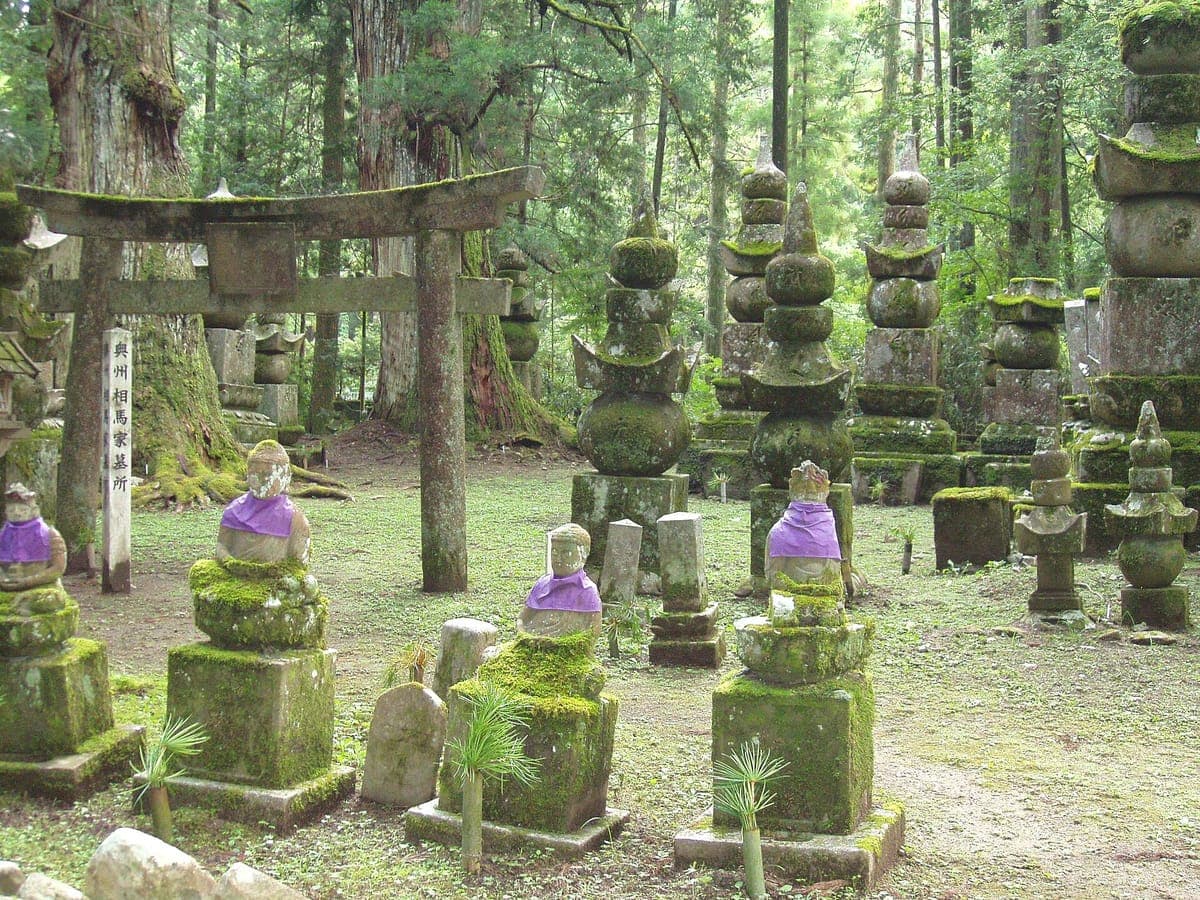
Okunoin is the largest cemetery in Japan and the final resting place of Kobo Daishi, founder of Shingon Buddhism, who is said to lie here in eternal meditation rather than death. A path winds beneath towering ancient cedars past thousands of tombstones, memorials and lanterns to his mausoleum, and Shingon devotees still bring offerings to the sacred ground at its heart. The serene atmosphere makes it the most quietly mystical place on the mountain — yet many day-trippers head straight for the more accessible temples and miss it.
Getting there: Take a bus from Koyasan Station to Okunoin (about 30 minutes); the nearest rail access is Gokurakubashi Station on the Nankai Koya Line. From Shin-Osaka Station it is roughly 1h 51m by car. The walking path and Torodo Hall are Free. Best in autumn and spring.
02Wakayama
Kongobu-ji Temple
金剛峰寺
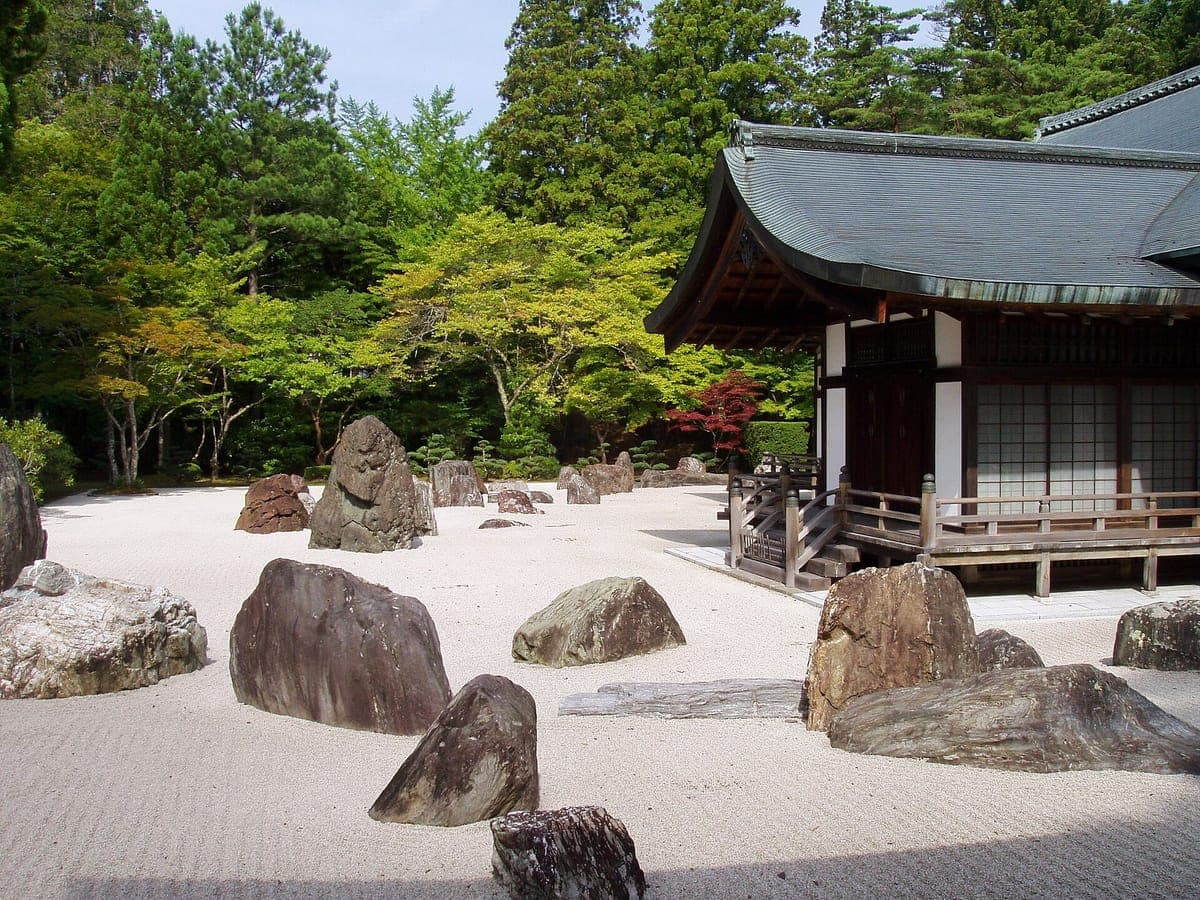
Kongobu-ji is the head temple of the Koyasan sect of Shingon Buddhism and the administrative heart of Mount Koya. Inside are intricately painted sliding doors, rooms of historic artwork, and a serene rock garden, all wrapped in the stillness that draws visitors seeking spiritual reflection. It is calmer than its status would suggest, since travelers tend to gravitate to the more famous names nearby.
Getting there: Take the Nankai Koya Line to Gokurakubashi Station, then the cable car and a short bus to the temple. From Shin-Osaka Station it is about 1h 48m by car. Admission ¥1,000 (elementary ¥300, preschool free). Open year-round, 8:30 AM–5:00 PM.
03Wakayamahidden gem
Kumano Kodo Pilgrimage Route
熊野古道
The Kumano Kodo is a network of ancient pilgrimage routes crossing the Kii Peninsula to connect the sacred sites of Kumano. These cobbled forest paths have carried emperors, monks and commoners for centuries, offering stunning natural scenery, historic shrines, and a chance to experience traditional Japanese culture along the way. It stays under the radar largely because most travelers point themselves at Kyoto and Tokyo instead.
Getting there: Reachable by train and bus from Osaka and Kyoto, with trailheads at several starting points along the peninsula. From Shin-Osaka Station it is roughly 1h 49m by car to the western gateway. Open 24 hours. Best in spring and autumn.
04Wakayama
Kumano Hongu Taisha
熊野本宮大社
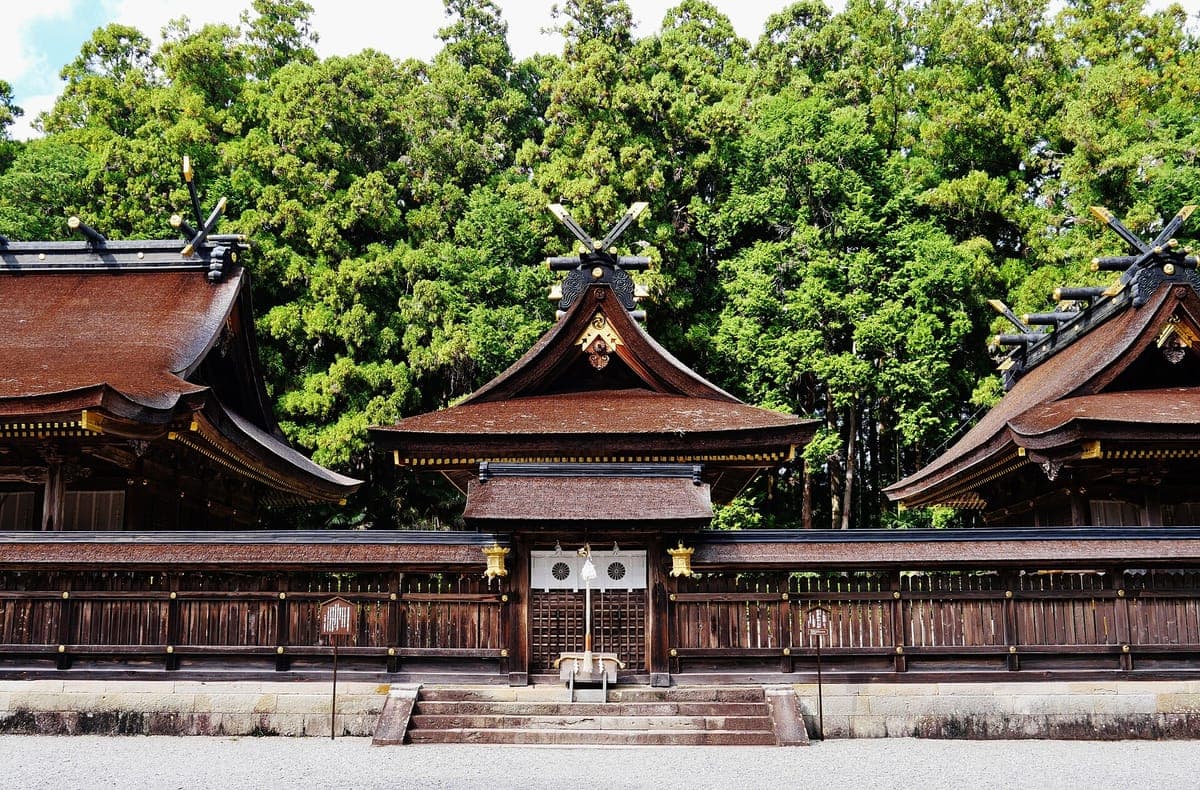
Kumano Hongu Taisha is one of the three grand shrines of Kumano and a spiritual anchor of the entire pilgrimage, deeply rooted in the mountain-worship traditions of Japan. Surrounded by lush forest and hills, its dark cypress-bark halls offer a serene atmosphere for visitors seeking tranquility and a connection with nature — worlds away from the crowds elsewhere in the country.
Getting there: Accessible by bus from Shingu Station, or by car with parking nearby. From Shin-Osaka Station it is about 3h 3m by car. Open 8:00 AM–5:00 PM. Best in autumn.
05Wakayama
Nachi Falls
那智の滝
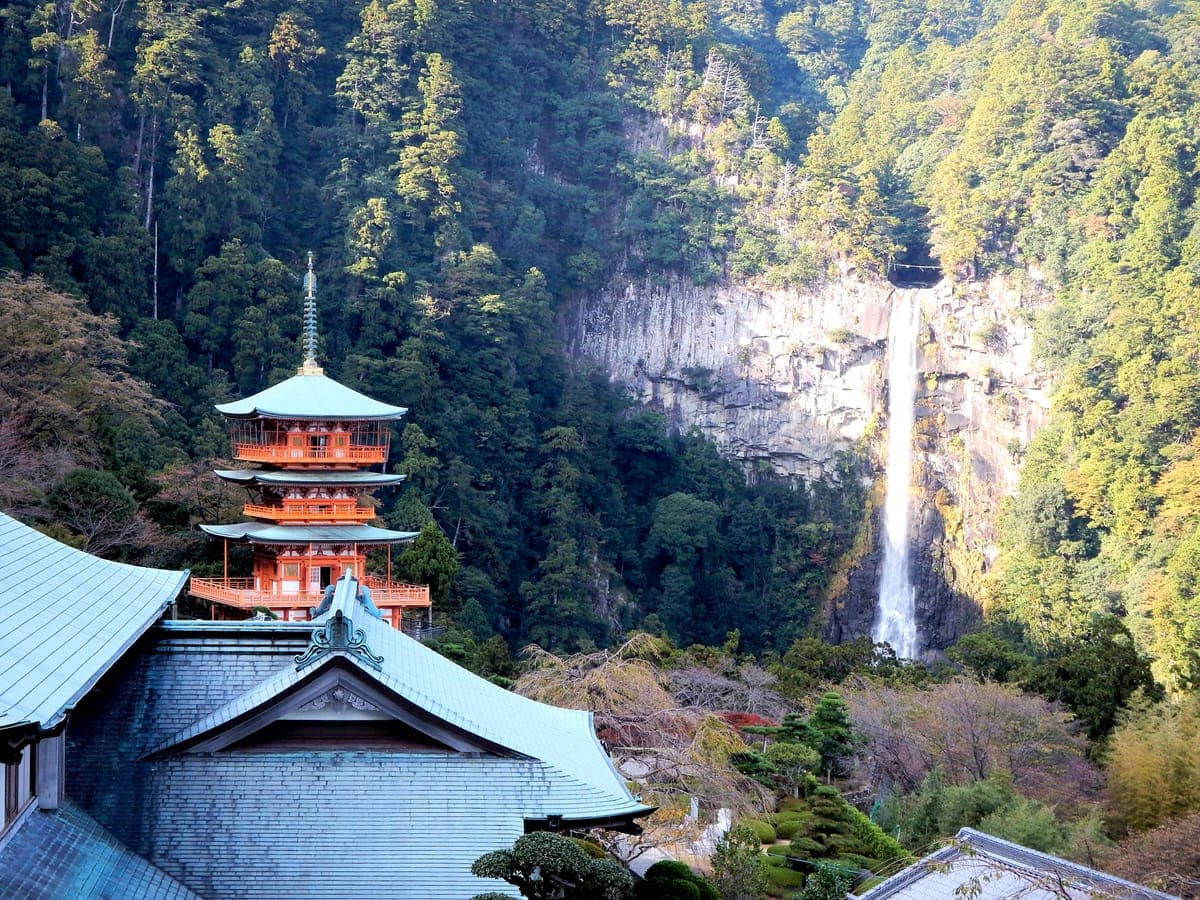
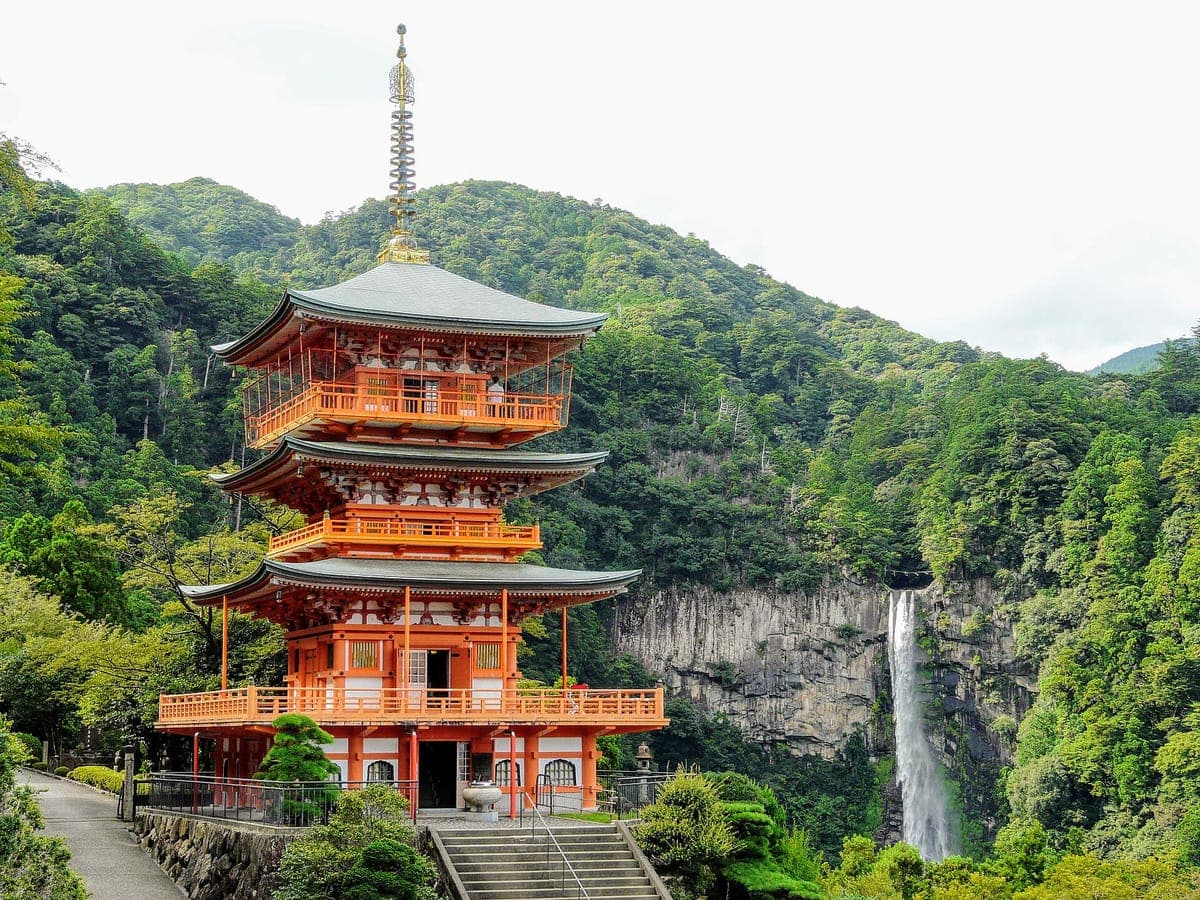
At 133 meters, Nachi Falls is one of Japan's tallest waterfalls, plunging into a serene pool ringed by lush greenery. It is part of the UNESCO World Heritage "Sacred Sites and Pilgrimage Routes in the Kii Mountain Range," worshipped as a sacred object in its own right — a natural wonder that many travelers chasing headline sights overlook entirely.
Getting there: Take a bus from Nachi Station, then a short hike down to the falls. From Shin-Osaka Station it is roughly 3h 53m by car. Open 24 hours. Best in spring and autumn.
06Wakayama
Yunomine Onsen
湯の峰温泉
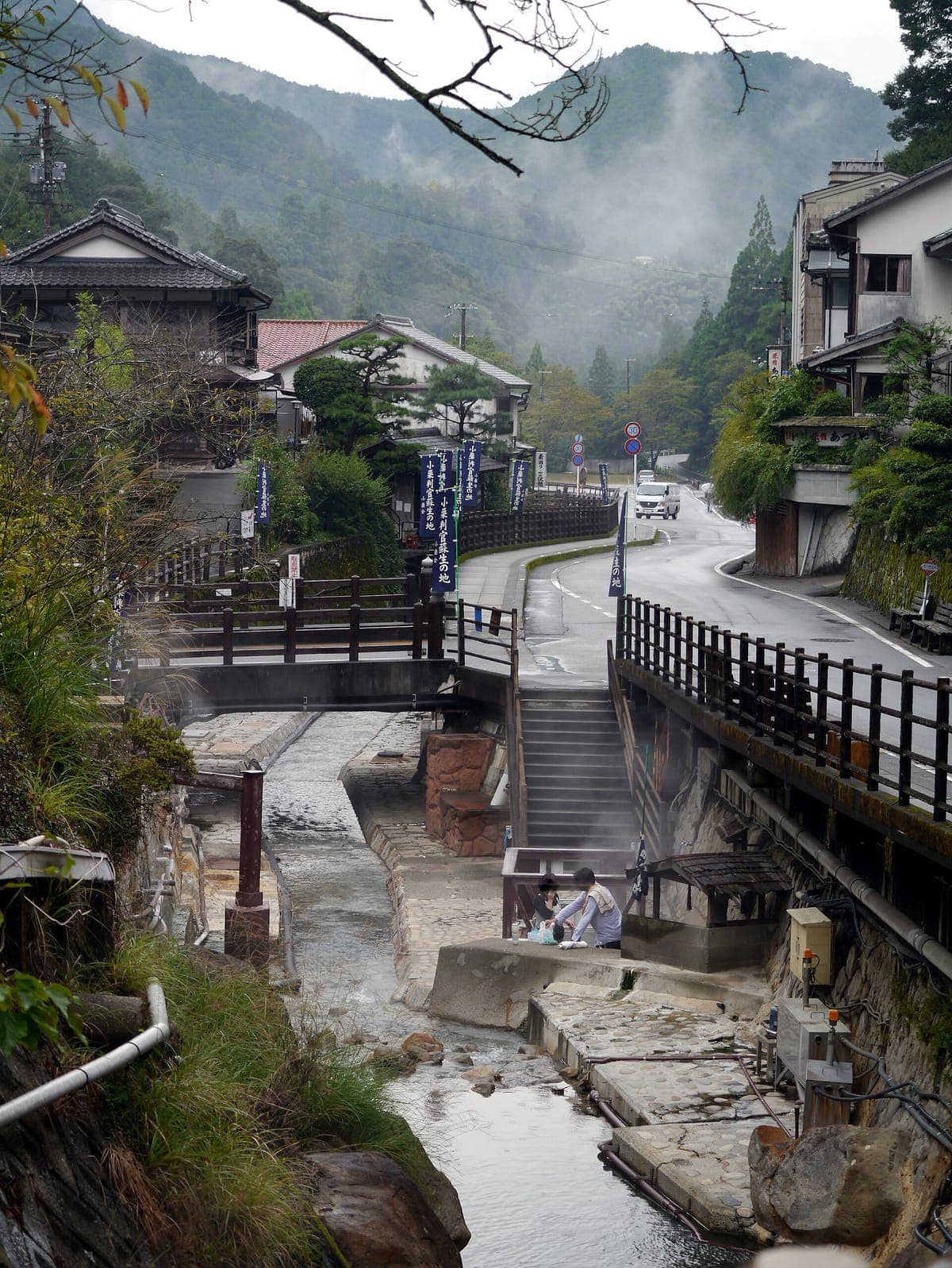
Tucked into a valley near Kumano Hongu, Yunomine Onsen is one of the oldest hot-spring villages in Japan, its healing waters flowing for more than 1,000 years. Pilgrims once purified themselves here in the mineral-rich springs before completing the Kumano circuit, and the village retains a serene, timeless atmosphere. Most travelers overlook it in favor of more famous hot-spring resorts — which is exactly its appeal after a day on the trail.
Getting there: Take a train to Kii-Tanabe Station, then a bus to Yunomine Onsen. From Shin-Osaka Station it is about 3h 12m by car. Open year-round.
07Yamagata
Dewa Sanzan
出羽三山
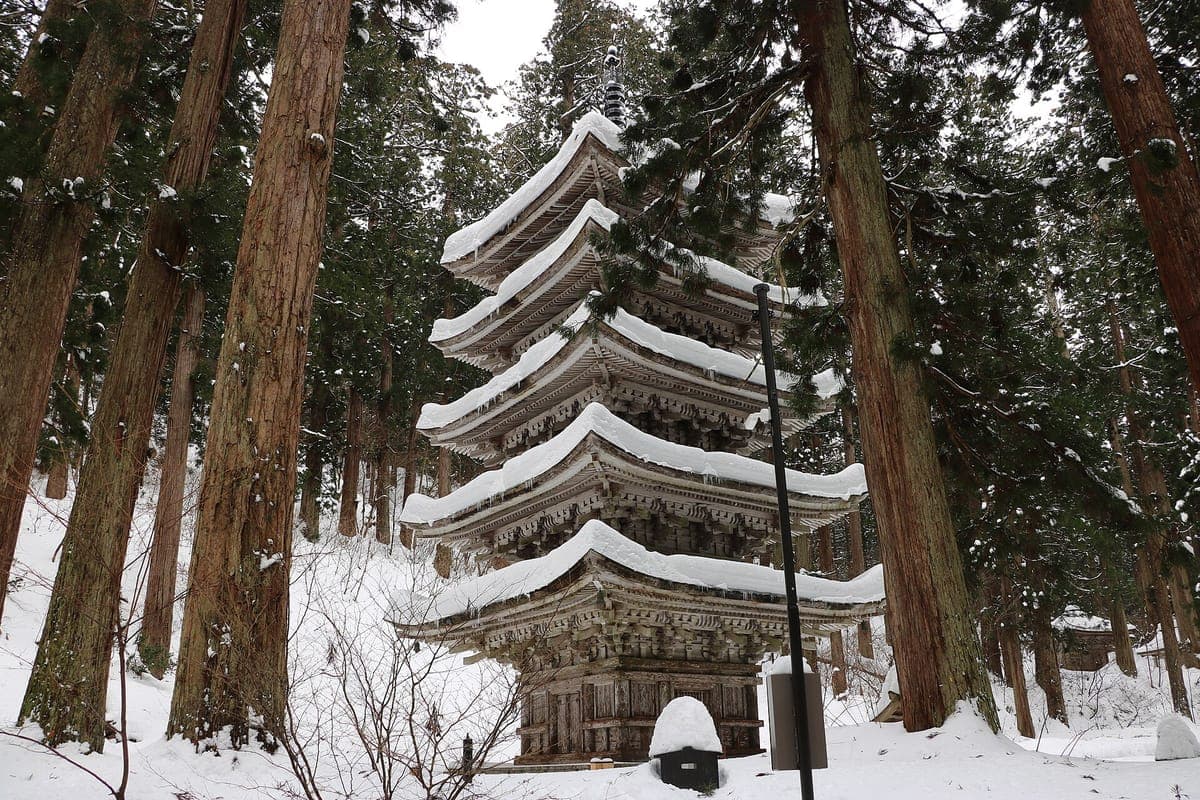
Far to the north in Yamagata, Dewa Sanzan comprises three sacred mountains — Haguro, Gassan and Yudono — renowned for their spiritual significance and beautiful hiking trails. For centuries these peaks have been the heartland of Shugendo, the mountain faith of the white-clad yamabushi ascetics, and pilgrims still traverse all three in sequence. It is one of Japan's most profound spiritual landscapes and one of its least crowded, overshadowed by more famous destinations to the south.
Getting there: Take a train to Tsuruoka Station, then a bus toward the base of the mountains. From Sendai Station it is roughly 2h 31m by car. Open 24 hours. Best in spring and autumn; the higher peaks are only accessible in the warmer months.
08Yamagatahidden gem
Haguro Mountain
羽黒山
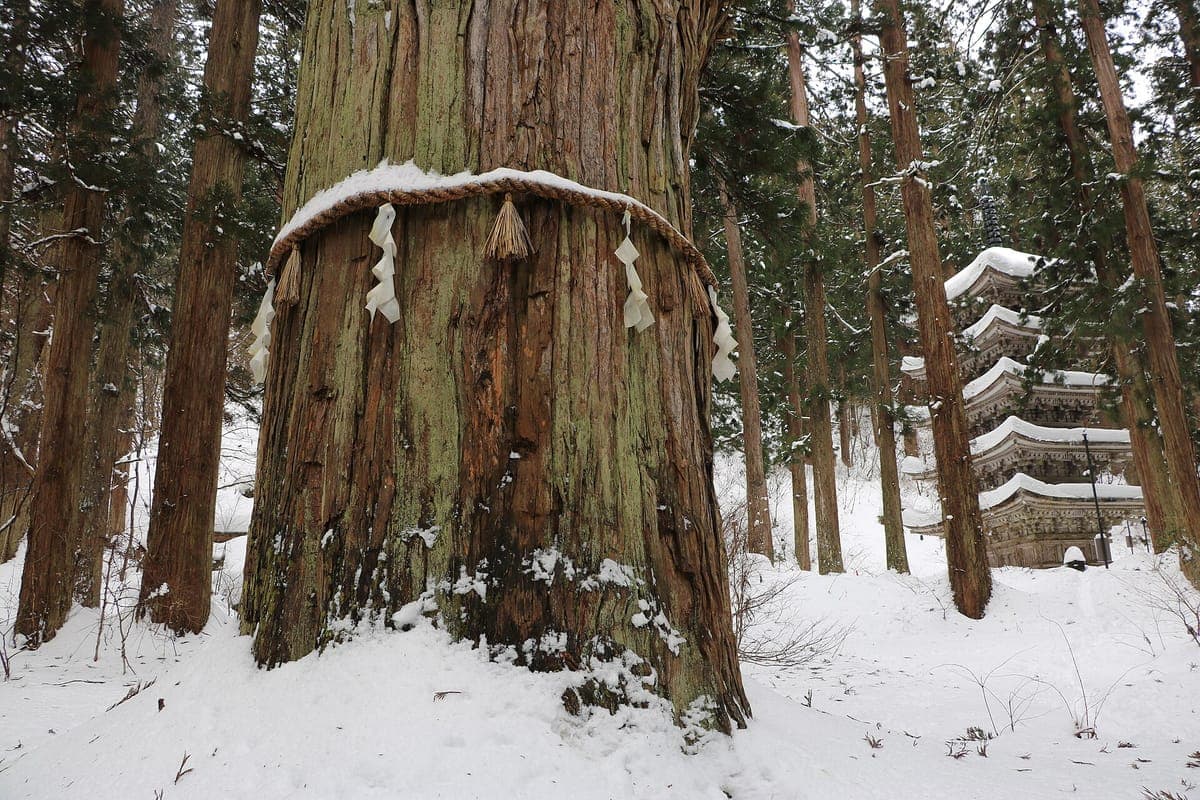
Haguro is the lowest and most accessible of the three Dewa peaks, and the one open year-round. Its pilgrimage climbs 2,446 cedar-lined stone steps to the summit, the air so thick with the scent of the towering trees that it is likened to incense. One of the Three Mountains of Dewa, it offers a rare blend of nature and spirituality — and stays quiet, overlooked by mainstream travelers bound for more famous peaks like Mount Fuji.
Getting there: From Yamagata City, take a bus to the Dewa Sanzan Guchi stop, then a local bus toward Haguro-san; buses also run from Tsuruoka Station. From Sendai Station it is about 2h 31m by car. Best in spring and autumn.
09Yamagata
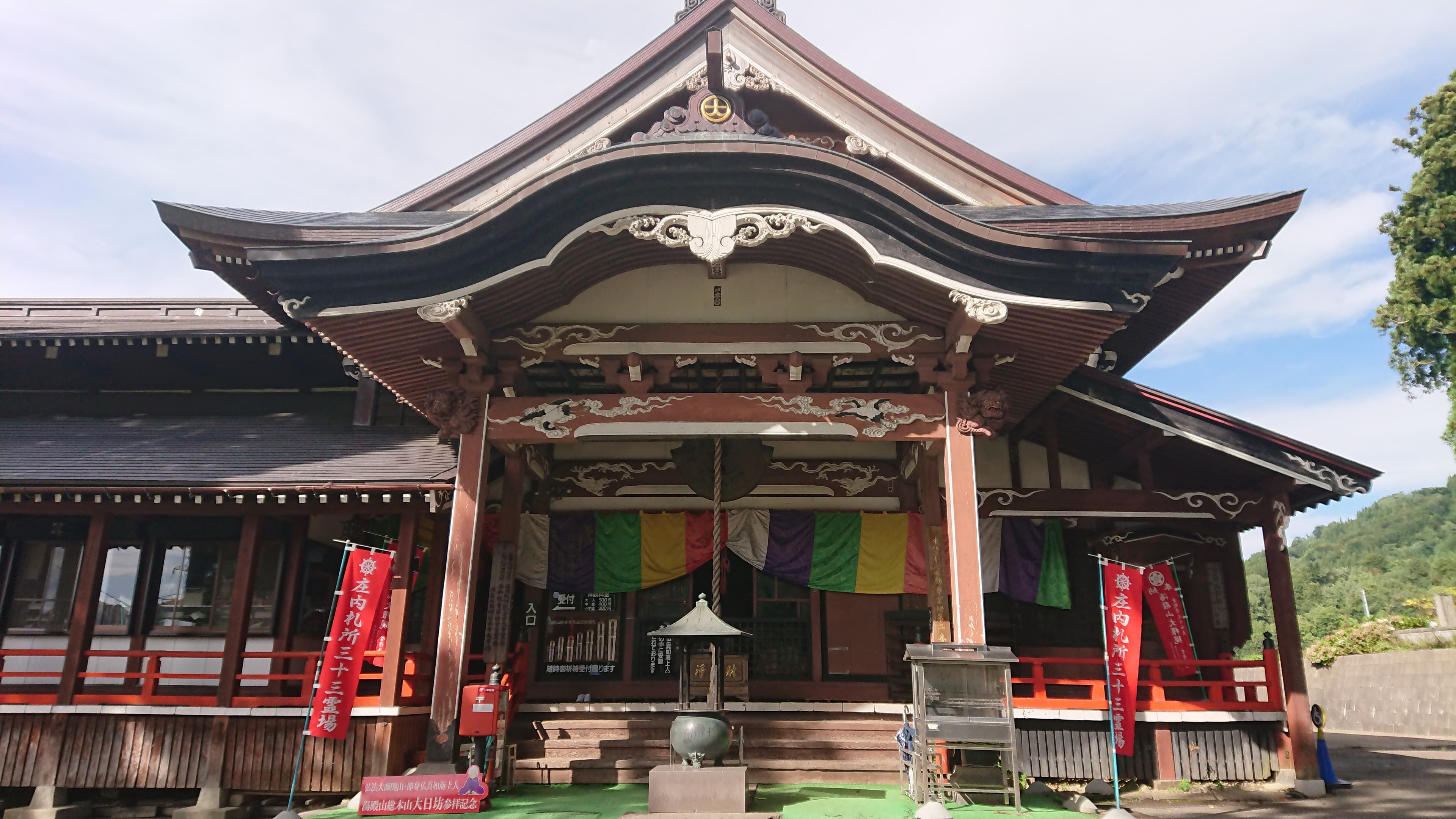
Dainichibo Temple (Sokushinbutsu)
瀧水寺大日坊
Perhaps the most extraordinary site on the whole route, Dainichibo is a remote mountain temple on the pilgrimage path to Mt. Yudono that houses the mummified remains of Shinnyokai Shonin — one of Japan's self-mummified Buddhist monks, or sokushinbutsu, who through years of severe ascetic practice mummified himself in pursuit of enlightenment. It is a genuinely striking encounter with the extremes of ascetic Buddhism, and its sheer remoteness keeps it far off the mainstream circuit.
Getting there: No practical public transport — about a 30-minute drive from central Tsuruoka, with a taxi running roughly ¥10,000 one-way. Admission ¥500 (children ¥400), including a resident monk's guided explanation and purification prayer. Open 9:00 AM–4:30 PM.
When to go
Pilgrimage here follows the seasons. Plan the Kumano Kodo and its onsen villages for spring or autumn — roughly April through November — when the weather is mild and the cobbled paths are at their most beautiful, framed by fresh green or fired-up maples. Dewa Sanzan is even more seasonal: Haguro can be climbed year-round, but Gassan and Yudono only open to pilgrims in the warmer months (roughly May to October), so Tohoku's leg of the journey belongs to summer and early autumn. Koyasan is the exception — a working monastic town you can visit in any season, though it turns bitterly cold and snow-quiet in winter, which some travelers seek out precisely for the hush. If you want one trip that links all three, aim for late spring or October, when every trail is open and the crowds are thinnest. Wherever you go, arrive early: these places are at their most sacred, and least crowded, in the first light of morning.
Keep exploring
- Kansai Beyond Kyoto: The Kii Peninsula — more of Wakayama and the Kumano heartland.
- Tohoku Winter Festivals — the snow-country side of northern Japan, near Dewa Sanzan.
- Autumn Leaves Off the Beaten Path — where to catch the foliage these pilgrim trails are famous for.
- Rural Stays: Shukubo Temple Lodging & Farmhouse Japan — Sleep the tradition — shukubo temple lodging and gassho farmhouses.
Ready to plan? Build your own hidden-Japan itinerary → — our trip generator turns any of these spots into a day-by-day route.