Chubu6 min read
Into the Japan Alps: A Hidden Itinerary Through Nagano, Gifu & Toyama
A japan alps hidden itinerary across Nagano, Gifu & Toyama — snow monkeys, Kiso post-towns, the Tateyama snow corridor, Takayama & Zenkoji temple.
Best time: Late Apr–Oct (alpine); winter for snow monkeys

The central spine of Honshu rises into the peaks people call the Japan Alps — a high country of post-road villages, mineral hot springs, wild macaques, and one of the most theatrical mountain crossings on earth. This japan alps hidden itinerary for Nagano, Gifu and Toyama threads together the places most travelers rush past on their way to Kyoto: an Edo-era checkpoint on the old Kiso Road, a snow corridor carved twenty meters deep through spring drifts, a temple built around a Buddha no one has ever seen, and a wetland of "hungry ghosts' rice paddies" that Alpine Route riders never step off the bus to see. Some spots suit the alpine season of late April through October; others, like the bathing snow monkeys, are at their best under winter snow. Here are eight highlands stops worth slowing down for, spread across all three prefectures.
01Nagano
Jigokudani Monkey Park
地獄谷野猿公苑
This is the only place in the world where wild monkeys are known to bathe in a hot spring, and it earned global fame when a photo of the bathing "snow monkeys" ran on the cover of LIFE magazine in 1970. In the Yokoyu River valley at 850m inside Jōshin'etsu-kōgen National Park, wild Japanese macaques descend from the forest to soak in a natural steaming pool built just for them — with no fences or barriers between people and animals. Established in 1964, it remains a genuinely undomesticated wildlife encounter.
Getting there: From Yudanaka Station (reached by limited express from Nagano Station, about 45 minutes), take a local bus roughly 15 minutes to the Snow Monkey Park stop, then walk 30–35 minutes on the unpaved Yumichi forest trail to the entrance — there is no vehicle access to the park itself. Admission ¥800 (adults 18+). Best in winter (December–March) for peak monkey numbers, though it is open year-round.
02Nagano
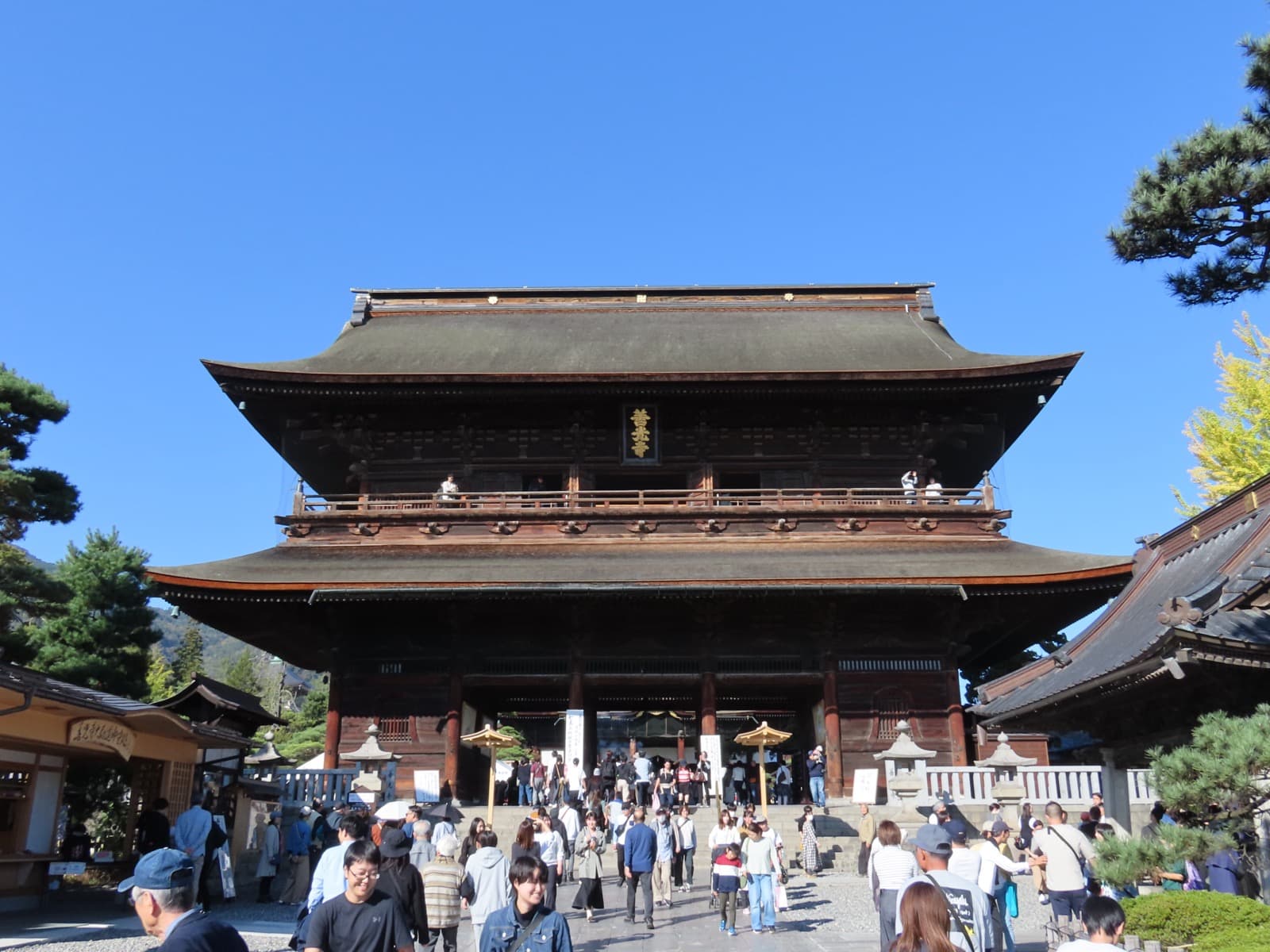
Zenkoji Temple
善光寺
A 7th-century Buddhist temple that predates Japan's sectarian split, Zenkoji is built around a hidden Buddha (hibutsu) never shown to anyone — reputedly the first Buddhist image ever brought to Japan. Its most famous experience is the Okaidan Meguri, a pitch-black corridor beneath the main altar where visitors feel along the wall in total darkness for a "key to paradise." It is a major pilgrimage site that anchors Nagano City the way Matsumoto Castle anchors Matsumoto.
Getting there: Take the Nagano Dentetsu line to Zenkoji-shita Station (4–5 minutes from Nagano Station) then walk 5–10 minutes; alternatively it is about a 25-minute walk or bus ride direct from Nagano Station. Admission ¥800 (adult Naijin-ken ticket covering the inner sanctuary, Okaidan Meguri and treasure hall); the outer sanctuary and grounds are free.
03Naganohidden gem
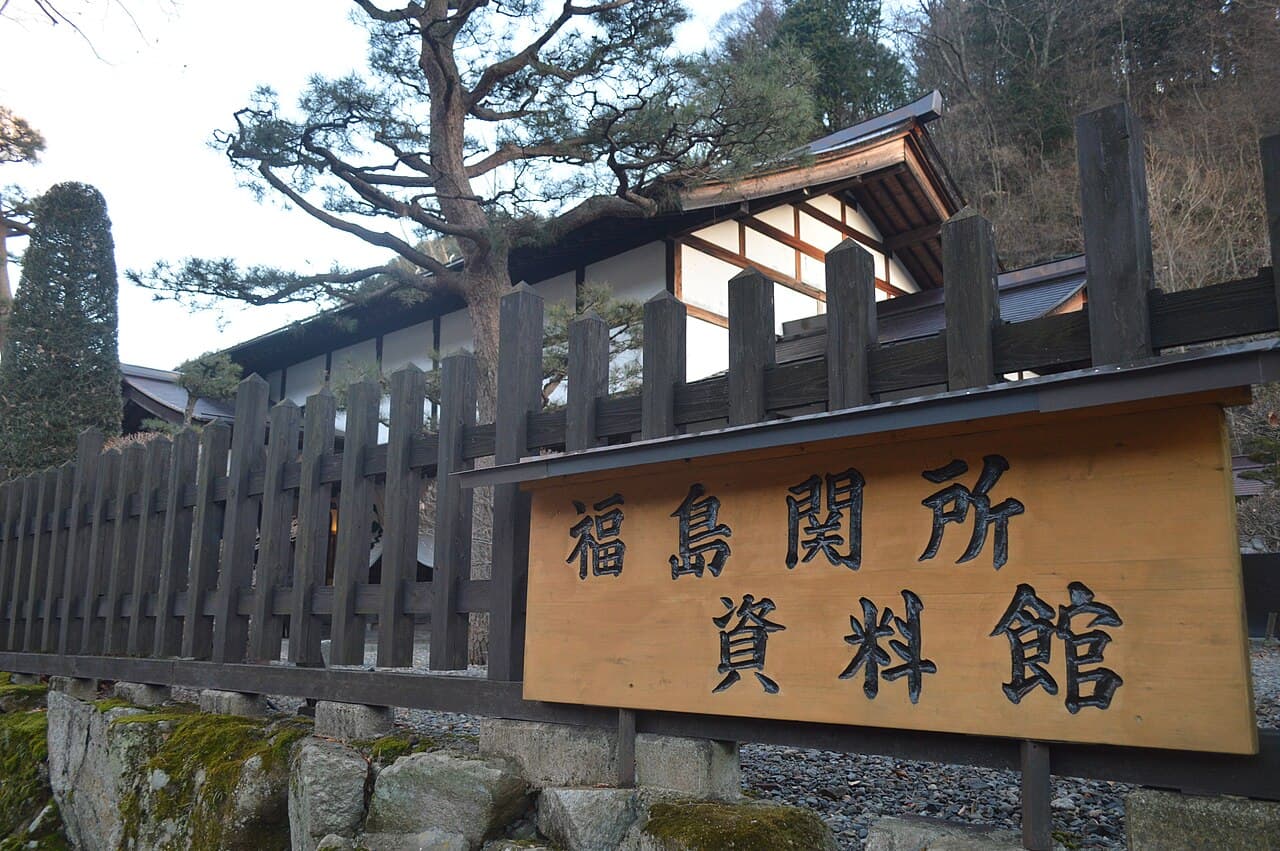
Fukushima Checkpoint (Kiso-Fukushima)
福島関所跡
The Kiso Valley was crossed by the Nakasendo, the Edo-period highway between Edo and Kyoto, and Fukushima was one of the four great checkpoints (sekisho) of the era — where travelers were inspected for smuggled weapons and the covert movement of women. A reconstructed barrier building and small museum sit on the original ground overlooking the Kiso River, and the surrounding post town preserves the atmospheric Kami-no-dan old streets. Tourists heading straight for photogenic Tsumago and Narai skip it, leaving this major site quiet.
Getting there: About a 15-minute walk from Kiso-Fukushima Station on the JR Chuo Line, near the Kiso River. Open 09:00–16:30 (reconstructed barrier building; closed year-end). Best year-round.
04Gifu
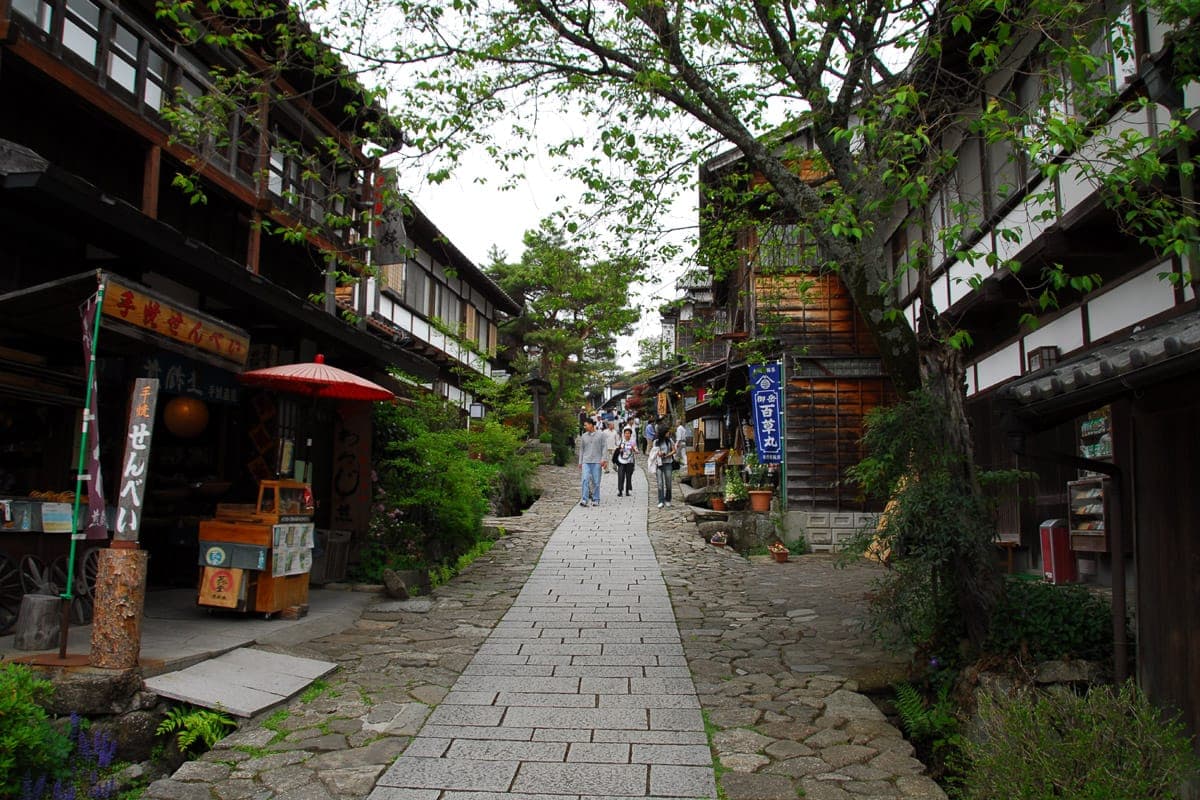
Magome
馬籠
At the southern end of the Kiso Valley, Magome is a historic Nakasendo post town of well-preserved Edo-period architecture climbing a hillside with wide mountain views. Its best-known feature is the old trail that links it over a forested pass to neighboring Tsumago — one of Japan's most rewarding short historic walks. Most travelers make for Takayama or Shirakawa-go and overlook this village entirely.
Getting there: Reached by bus from Nakatsugawa Station, which is accessible by train from Nagoya. Best in spring or autumn.
05Gifu
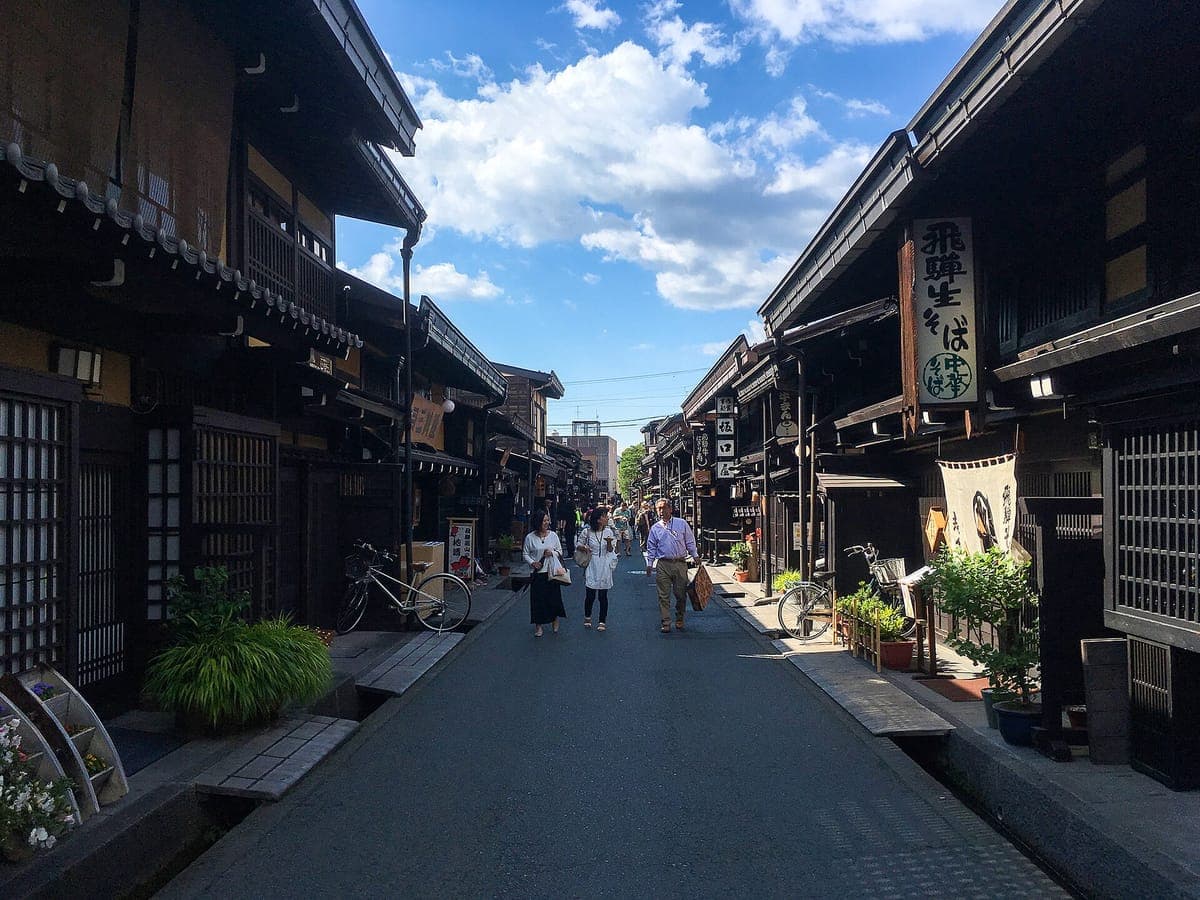
Takayama Old Town
高山の古い町
Deep in the Hida mountains of Gifu, Takayama Old Town is a beautifully preserved district of Edo-period wooden houses, merchant shops and sake breweries. Strolling its lattice-fronted streets is the closest many visitors come to walking through a functioning castle-town of the shogun's era, and it makes the natural base for exploring the wider Hida highlands.
Getting there: Easily reached on foot from Takayama Station (about a 12-minute walk); Takayama itself is served by train from Nagoya. The old-town streets are open 24 hours with shops roughly 9:00–17:00. Free to walk (paid attractions such as Takayama Jinya sit separately within it). Best in spring or autumn.
06Gifu
Gero Onsen
下呂温泉
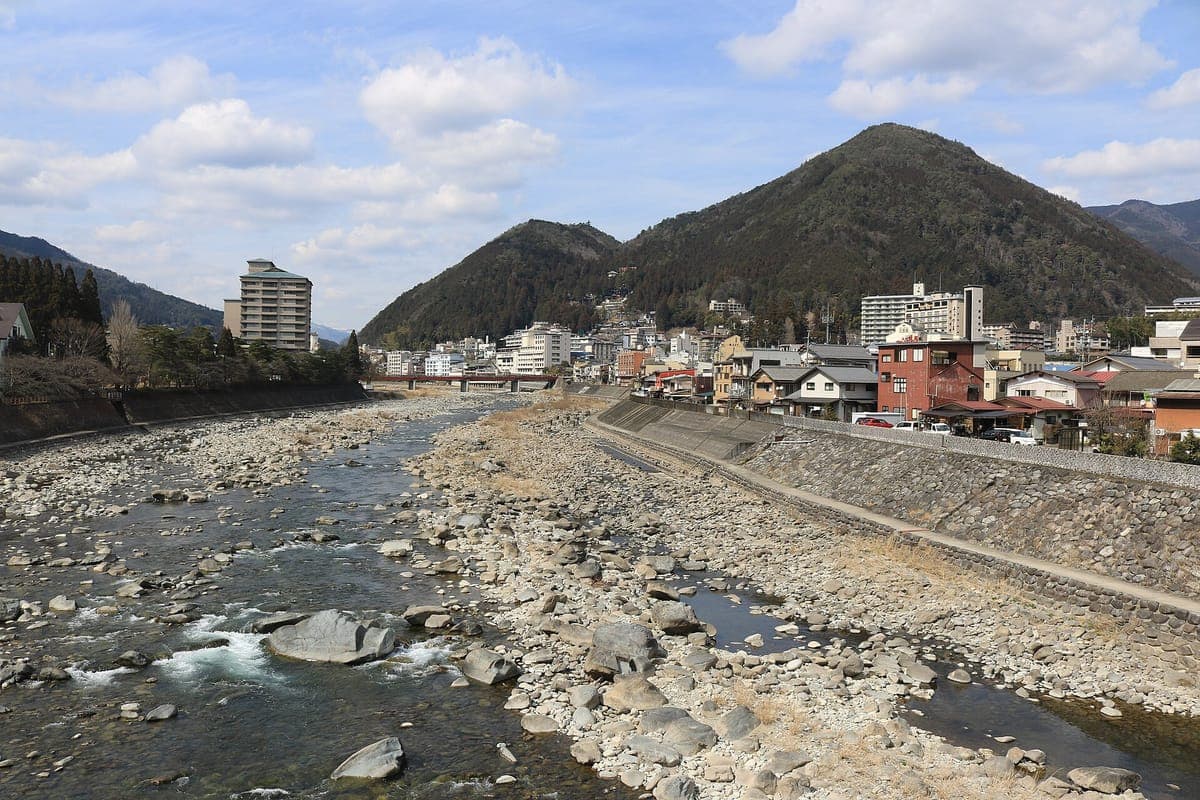
Ranked among Japan's three great hot springs, Gero Onsen sits against the backdrop of the Hida Mountains in southern Gifu, its mineral-rich waters drawing bathers to a cluster of traditional ryokan and public baths along the river. It stays under the radar next to famous names like Hakone and Beppu, which is precisely its appeal — a classic onsen town without the crowds.
Getting there: Take the JR Takayama Line from Nagoya to Gero Station (about 2.5 hours); the town center is roughly a 7-minute walk from the station. Best in autumn for the foliage.
07Toyamahidden gem
Murodo (Yuki-no-Otani Snow Corridor)
室堂・雪の大谷
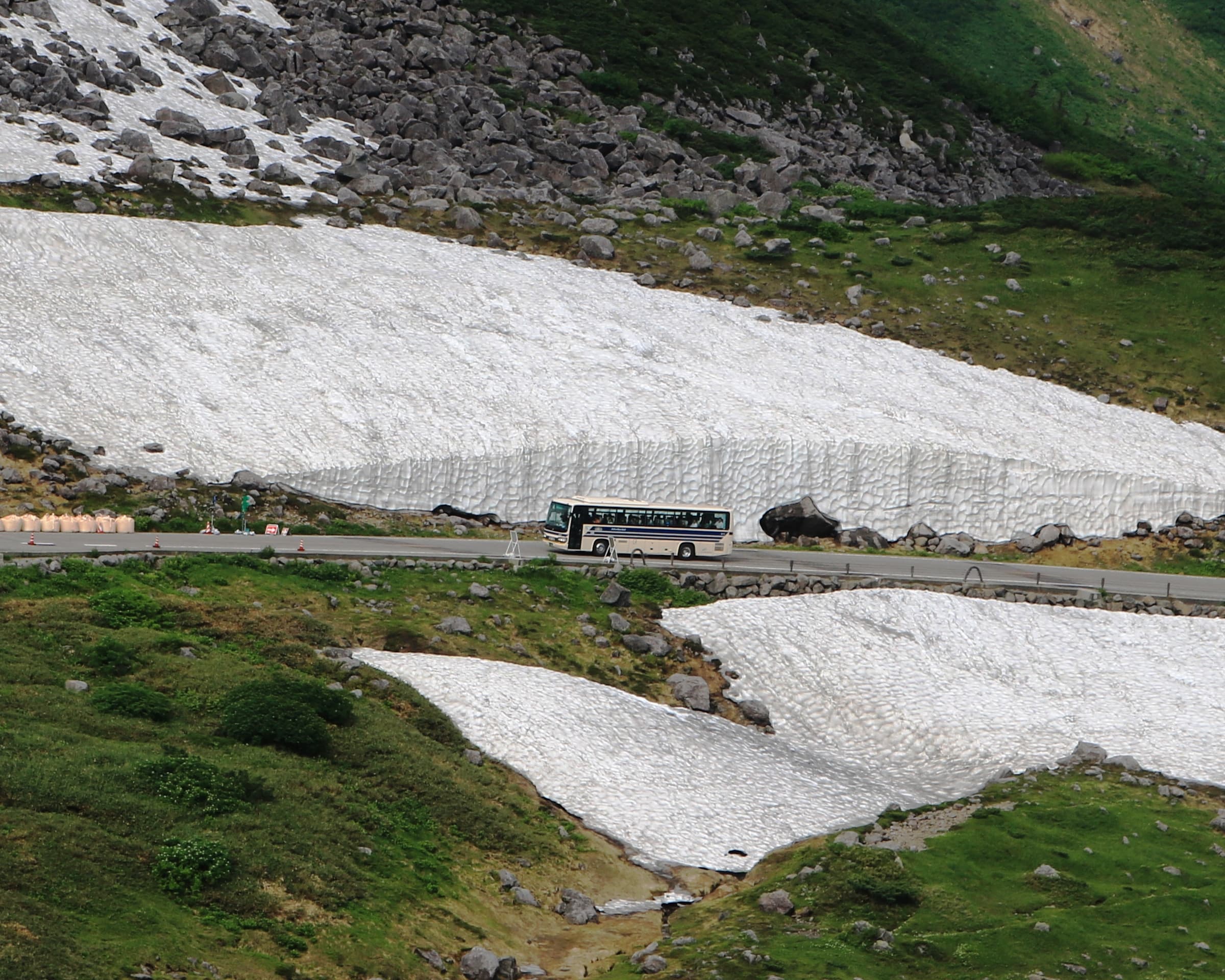
At 2,450m, Murodo is the high-altitude heart of the Tateyama Kurobe Alpine Route. Each spring, snow-clearing crews carve a walkable corridor through walls of accumulated snow reaching 7–20m — the Yuki-no-Otani Snow Wall Walk, a 500m open-air zone that runs from mid-April to late June. It is one of the few places you can stroll on cleared road between towering blue-white cliffs of snow.
Getting there: From Tateyama Station on the Toyama Chihō Railway, ride the cable car to Bijodaira (about 7 minutes) then the highland bus to Murodo (about 50 minutes). There is no separate admission to walk the corridor; access is via Alpine Route transport, with a one-way fare of roughly ¥4,000+ — verify the current fare when booking.
08Toyamahidden gem
Midagahara Wetlands
弥陀ヶ原
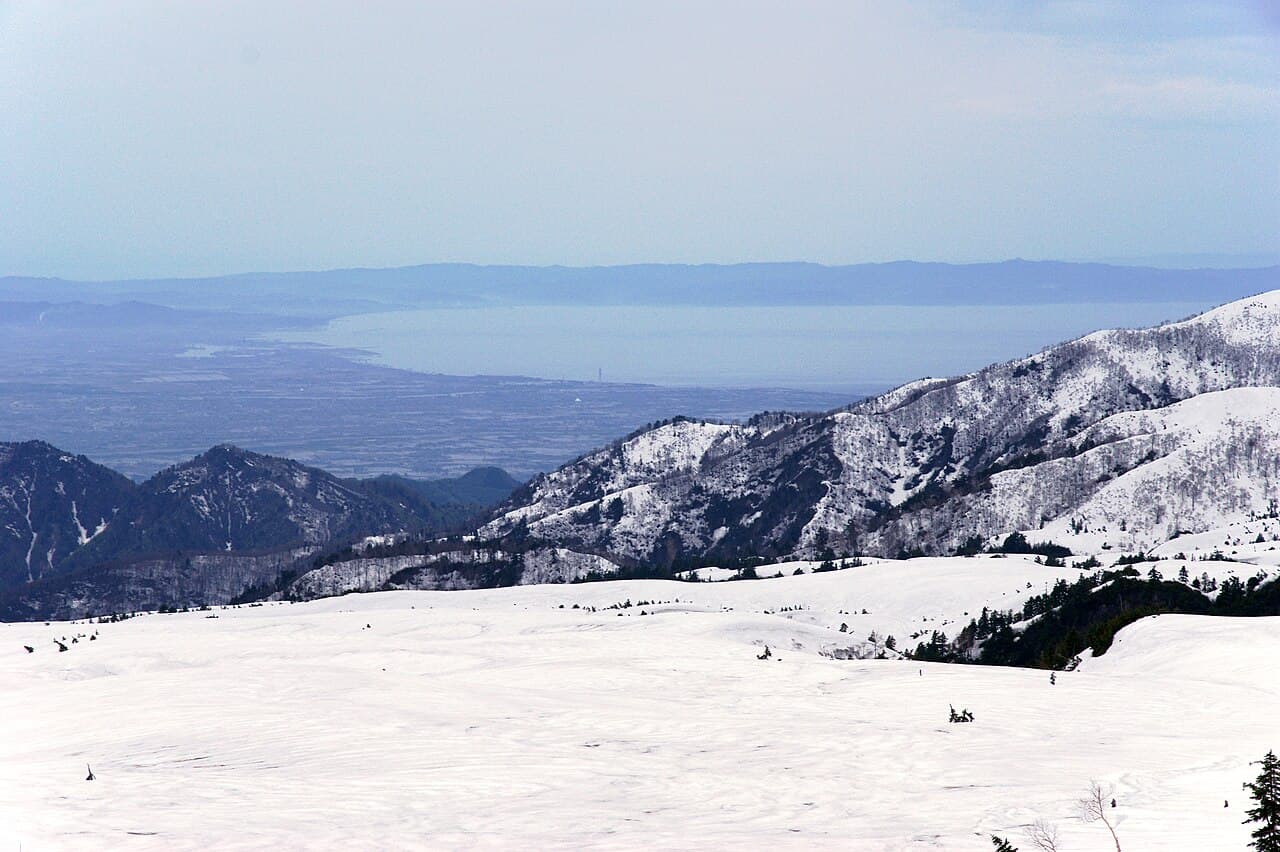
Between Bijodaira and Murodo lies Midagahara, a high volcanic plateau of marshland at 1,600–2,000m dotted with hundreds of small ponds the locals call "gaki-no-tanbo," or hungry ghosts' rice paddies. Wooden boardwalks cross the fragile bog past alpine wildflowers in summer and golden grasses in autumn, and the site was designated a Ramsar wetland of international importance in 2012. Most Alpine Route riders stay on the bus straight to Murodo and never step off at this quieter mid-mountain stop.
Getting there: Car-free — alight the Tateyama Highland Bus at the Midagahara stop, on the Toyama side of the route, where the boardwalk loops begin beside the bus stop. Accessible only while the Alpine Route operates (mid-April to end of November). Best in summer.
When to go
This region runs on two clocks. The alpine high country — Murodo's snow corridor, the Midagahara boardwalks, and the Tateyama Kurobe Alpine Route that connects them — is strictly seasonal: the route operates only from mid-April to the end of November, and Midagahara is inaccessible outside those months. Within that window, spring (mid-April to late June) is the time for the towering snow walls at Murodo, while summer brings wildflowers to the wetlands and autumn turns the plateaus gold. The Kiso post-towns of Fukushima and Magome, the Hida towns of Takayama and Gero, and Nagano City's Zenkoji are all year-round, showing their best in the spring and autumn shoulder seasons. Jigokudani's snow monkeys, by contrast, invert the calendar — they gather in greatest numbers in the depths of winter (December to March), when the contrast of steaming water and falling snow is at its most striking. Plan the alpine legs first, since their fixed operating dates are the hardest constraint, then build the towns and temples around them.
Keep exploring
- Autumn Leaves Off the Beaten Path — for the koyo season that sets these highlands ablaze.
- First-Timer 7-Day Hidden Japan — a route framework you can hang these Alps stops on.
- Shikoku Slow Road — another mountainous, unhurried corner of Japan to pair with a Chubu trip.
- Hokuriku: Kanazawa, Noto & Fukui — Drop to the Sea-of-Japan side: Kanazawa, Noto & Fukui.
- The Nakasendo on Foot — walk the old post road through the Kiso Valley.
Ready to plan? Build your own hidden-Japan itinerary → — our trip generator turns any of these spots into a day-by-day route.