Kansai6 min read
Kansai Beyond Kyoto: Wakayama & the Kii Peninsula
Explore Kansai beyond Kyoto — Wakayama and the Kii Peninsula, from Shirahama's white sand and Nachi Falls to Ise-Shima's bays and hidden onsen.
Best time: Spring & autumn; summer coast
Most first-time visitors to Kansai never leave the Kyoto–Osaka–Nara triangle, yet the region's wildest, quietest half hangs just to the south. The Kii Peninsula — Wakayama on the west, Mie on the east — is a mountainous thumb of land pushing into the Pacific, laced with white-sand beaches, thundering waterfalls, thousand-year-old hot springs and Japan's holiest Shinto shrine. Travel here is slower and more analog: single-track rail lines hug the coast, buses climb into cedar-covered valleys, and the crowds that jam Kyoto's temple gates simply evaporate. This guide skips the pilgrimage-trail deep dive (that lives in our sacred-Japan guide) and focuses on the everyday joys of Kii travel — where to swim, soak, paddle and eat once you've decided Kansai has more to offer than another kaiseki lunch. Spring and autumn are ideal inland; summer belongs to the coast.
01Wakayama
Shirahama Beach
白浜海岸
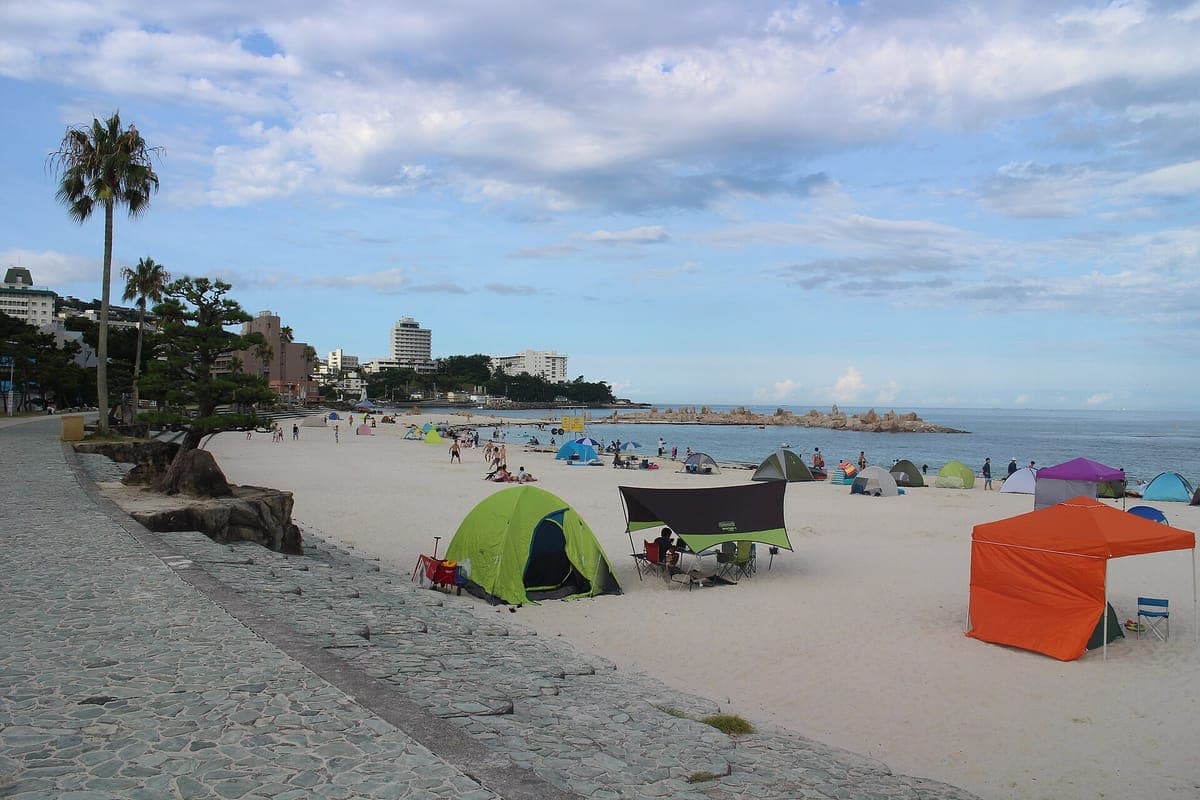
Shirahama is Wakayama's flagship resort town, and its namesake beach delivers exactly what the name promises: a crescent of brilliant white sand meeting clear blue water, backed by one of Japan's oldest hot-spring districts. It is an easy swim-and-soak base — sunbathe by day, then work through the town's seaside onsen by evening. Overlooked by travelers chasing more famous beaches, it stays relaxed even in peak season. Getting there: Reachable by train from Osaka or Kyoto, then a short bus to the beach; nearest is Shirahama Station (about a 63-minute walk, so take the bus). Best in summer.
02Wakayama
Adventure World
アドベンチャーワールド
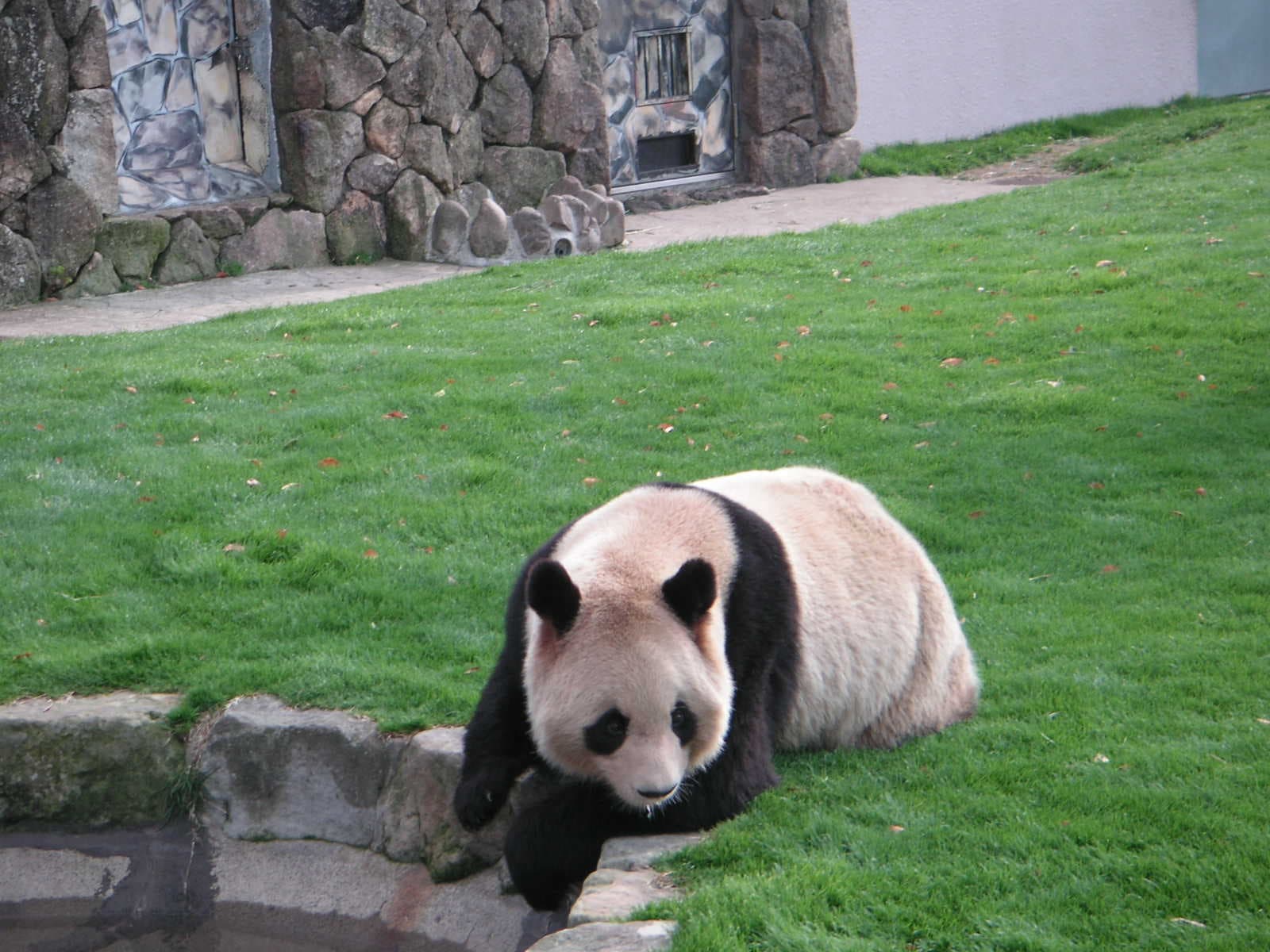
A short hop from Shirahama Beach, Adventure World is a genuinely unusual hybrid of zoo, aquarium and amusement park — most famous for its giant pandas, alongside a drive-through safari and a full slate of rides. It's the peninsula's best rainy-day and family option, and a welcome change of pace from shrines and hiking trails. Getting there: Bus from Shirahama Station, or by car via the Nanki-Tanabe Expressway. Adult one-day admission ¥5,300 (zoo, safari, aquarium and park; some rides extra). Best in spring.
03Wakayama
Ryujin Onsen
龍神温泉
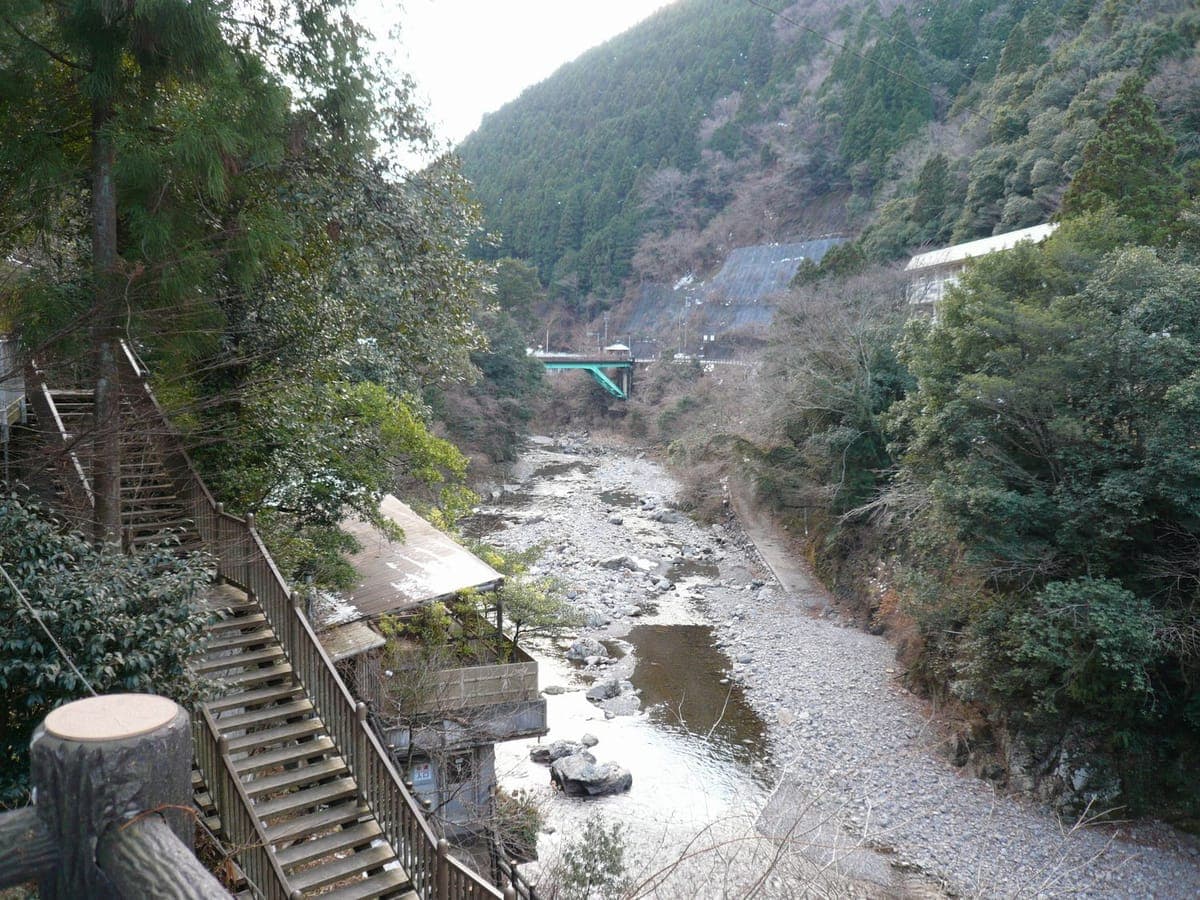
High in the mountains between the coast and Mount Kōya, Ryujin Onsen is a tranquil hot-spring village prized for silky, skin-softening waters — long counted among Japan's finest for the complexion. Outdoor baths look out over densely forested slopes, and traditional ryokan serve local mountain cuisine, making this an ideal overnight detour on the drive up toward the Kōya foothills. Getting there: Bus from Kishi Station on the Nankai line; roughly 2h 47m by car from Shin-Osaka. Best in spring and autumn.
04Wakayama
Nachi Falls
那智の滝
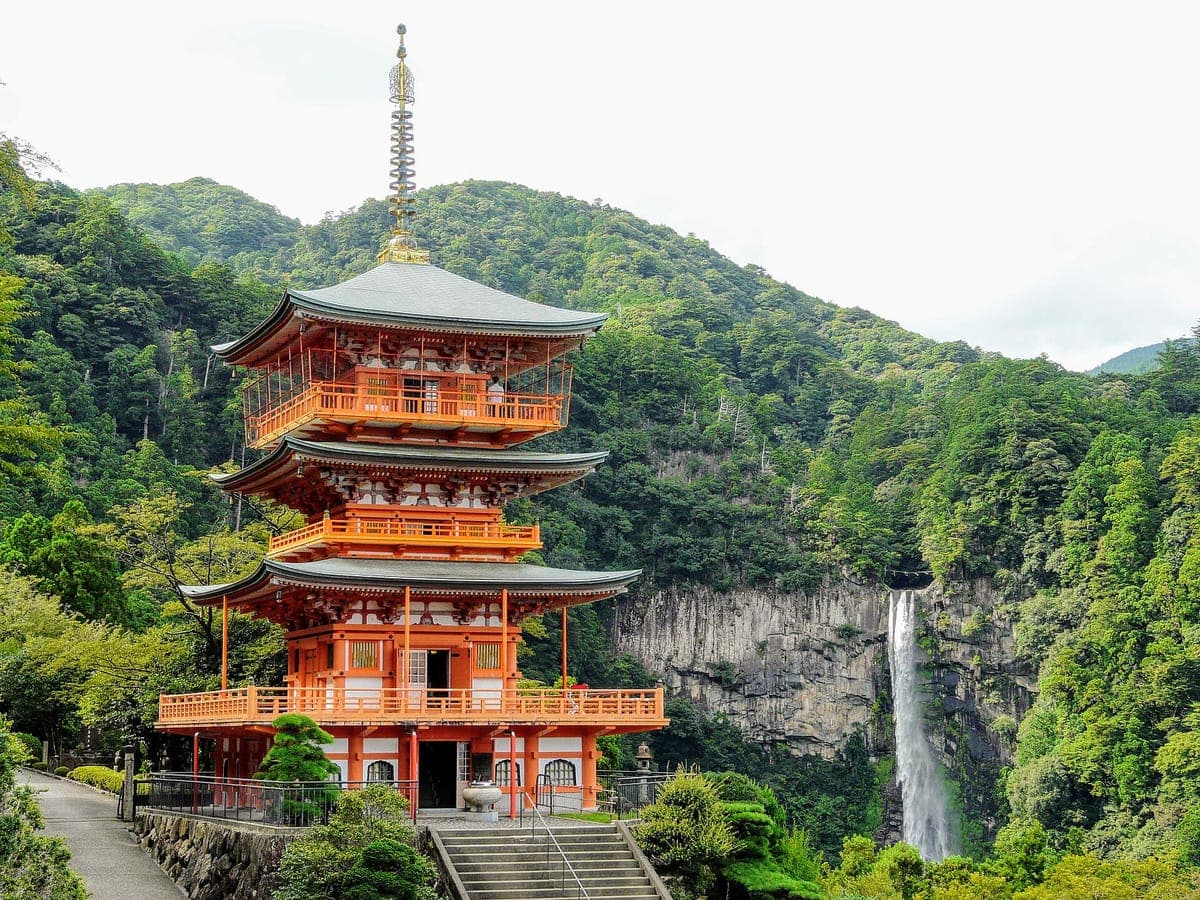
Plunging 133 meters in a single unbroken drop, Nachi Falls is one of Japan's tallest waterfalls and the natural centerpiece of the Kii mountains' UNESCO World Heritage landscape. The sight of the white column against deep-green forest — often framed by a nearby vermilion pagoda — is one of the most photographed scenes on the whole peninsula, yet it draws a fraction of Kyoto's foot traffic. Getting there: Bus from Nachi Station, then a short walk down to the viewing area. Best in spring and autumn.
05Wakayama
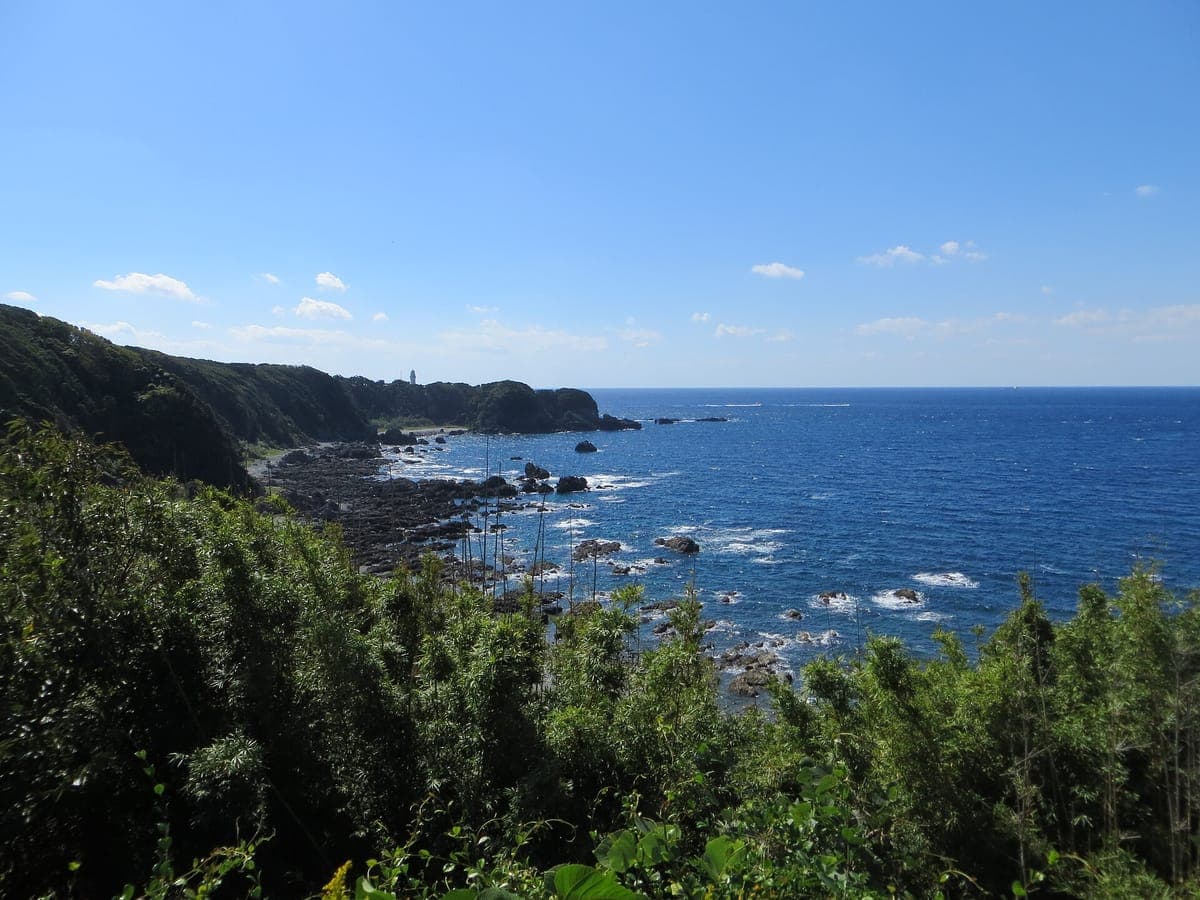
Kushimoto Cape Shionomisaki
潮岬
Cape Shionomisaki is the southernmost point of Honshu, a windswept headland where a historic lighthouse commands sweeping views over the open Pacific. The cape carries a layer of history too, tied to the wreck of a Spanish ship offshore. It feels like the edge of the country — because it very nearly is — and rewards anyone willing to ride the coastal line all the way down. Getting there: JR Kisei Line to Kushimoto Station, then a short taxi to the cape (the station is about a 75-minute walk away). Best in spring and autumn.
06Mie
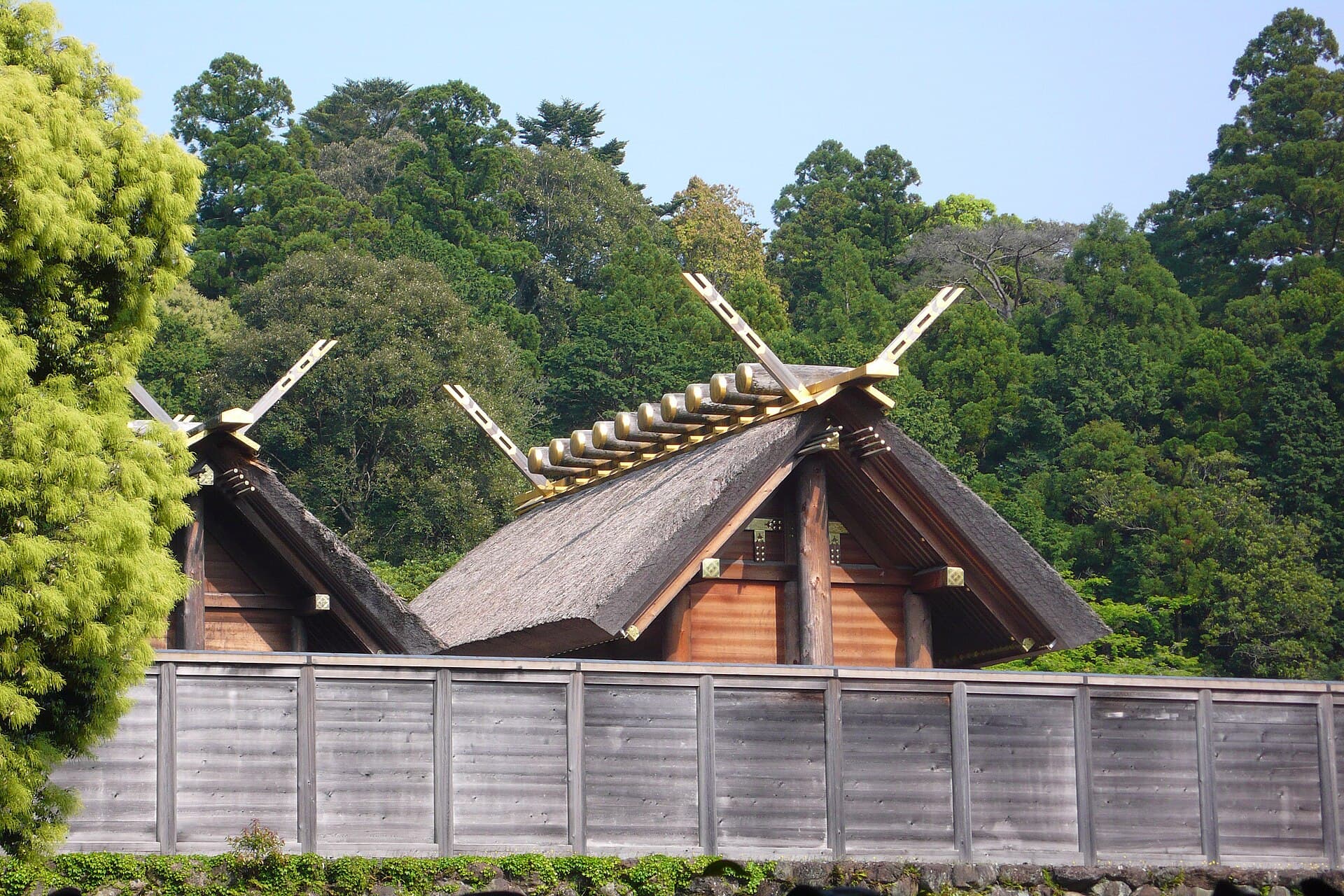
Ise Jingu (Naiku – Inner Shrine)
伊勢神宮 内宮
Crossing into Mie, the mood shifts from wild coast to sacred forest. Ise Jingu's Naiku, or Inner Shrine, is the holiest site in Shinto, enshrining the sun goddess Amaterasu. The approach begins at the sacred Uji Bridge over the crystalline Isuzu River; the innermost structures stay hidden behind plain wooden fences, rebuilt from scratch every twenty years in an unbroken cycle of renewal. Not hidden so much as essential — this is a must-see anchoring any Ise-Shima trip. Getting there: Bus to the Naiku-mae stop from Ise-shi or Uji-yamada Station (about 20 minutes), or from Isuzugawa Station (about 6 minutes). Free to worship.
07Miehidden gem
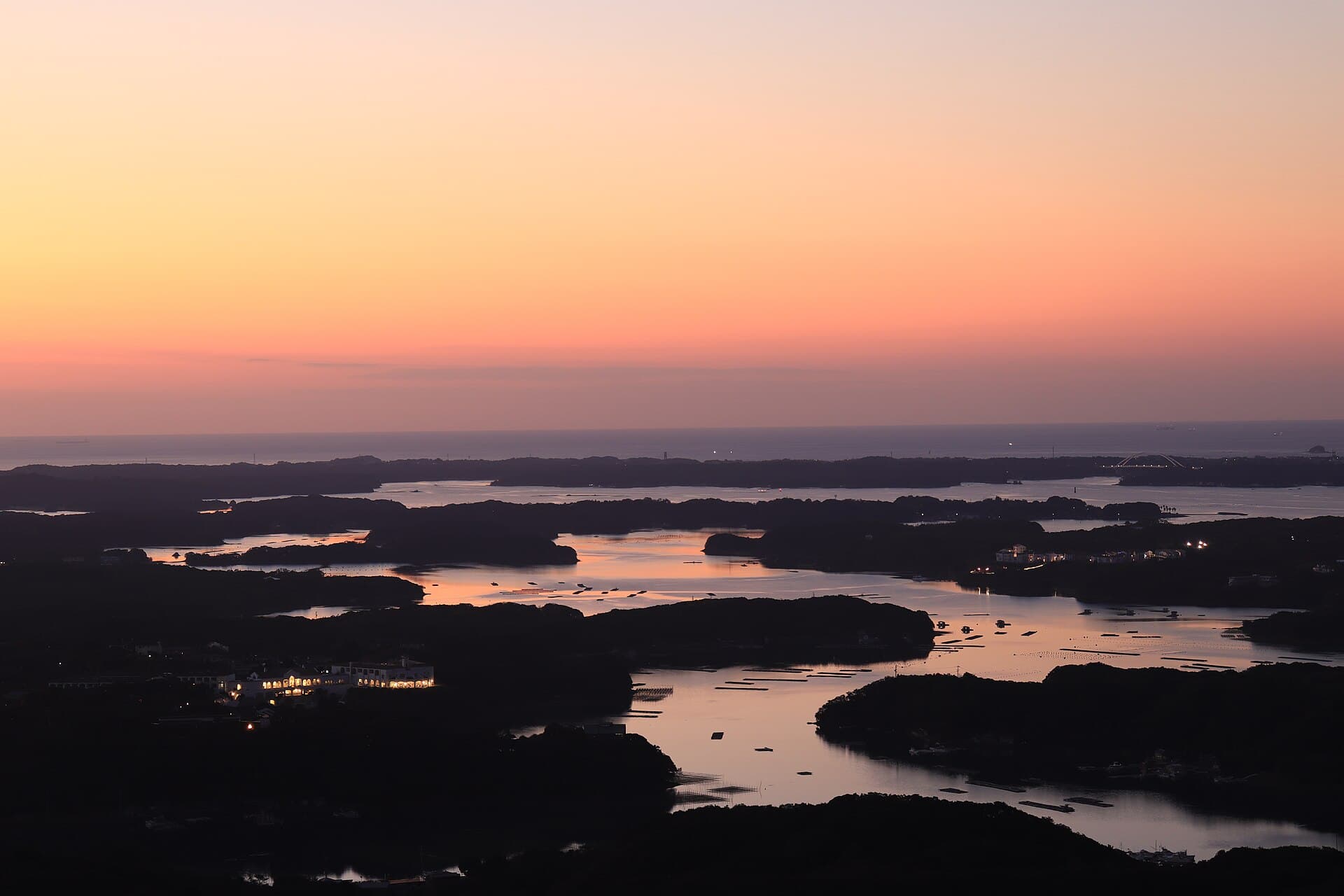
Ago Bay Kayak
英虞湾カヤック
Deeper into the Shima Peninsula, Ago Bay is a maze of islets and calm inlets that has been the heart of Japan's cultured-pearl industry for over a century. Paddling a kayak here lets you glide between the floating raft farms where pearls are grown, up close to a working tradition most visitors only see from a sightseeing boat. The water is sheltered and the scenery quietly spectacular. Getting there: About 30 minutes by car from Tsu City, or take a local train to the Shima area and a short taxi; nearest is Kashikojima Station. Best in spring and early autumn.
08Miehidden gem
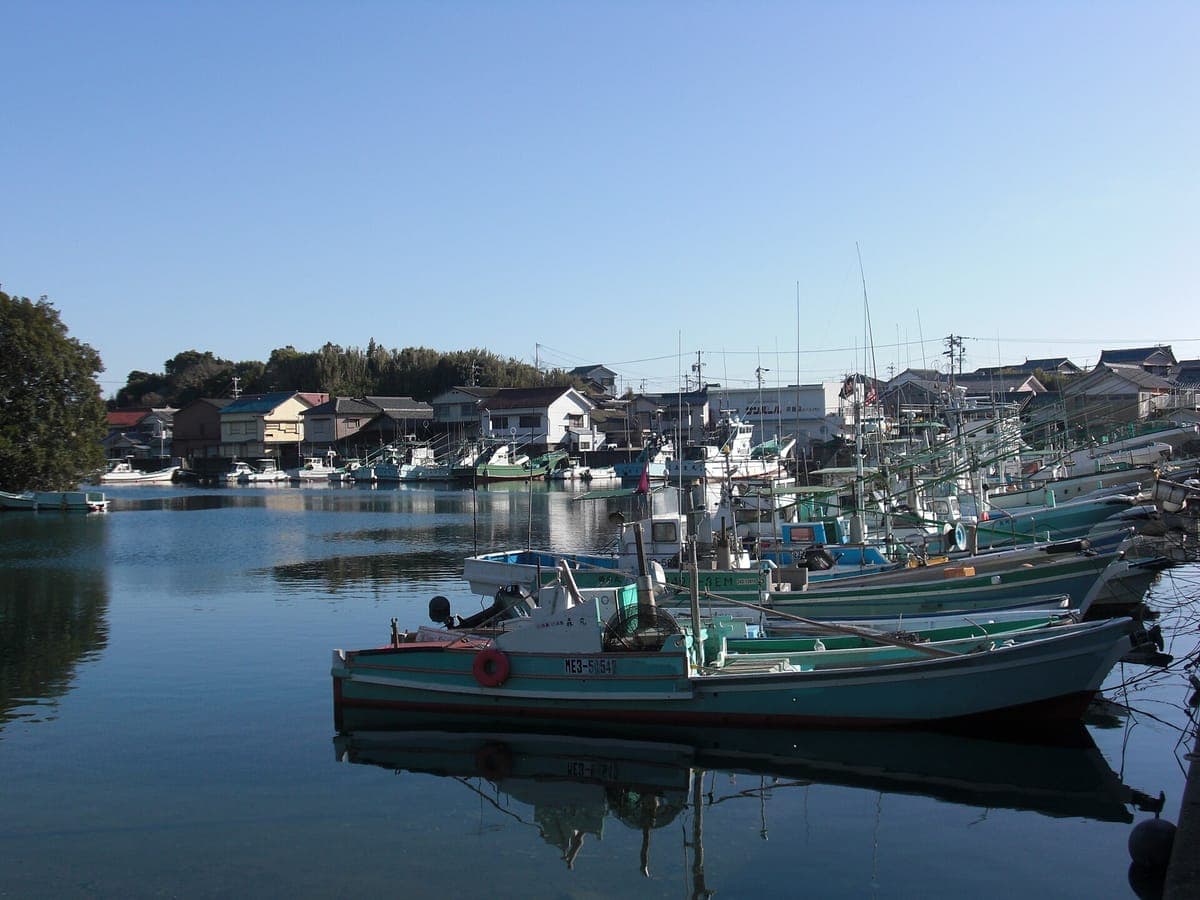
Hamajima Oyster Farm
浜島牡蠣養殖場
Also on the Shima Peninsula, Hamajima is where you eat what those coastal waters produce. This oyster farm grills fresh, plump oysters on-site, served with wide views over the bay — a hands-on, straight-from-the-source seafood experience that rewards the trip out to this remote corner of Mie. Getting there: From Nagoya, take the Kintetsu Limited Express to Shima-Isobe Station, then a local bus to Hamajima. Best from autumn to winter, peak oyster season. (Closed Wednesdays.)
09Mie
Akame 48 Waterfalls
赤目四十八滝
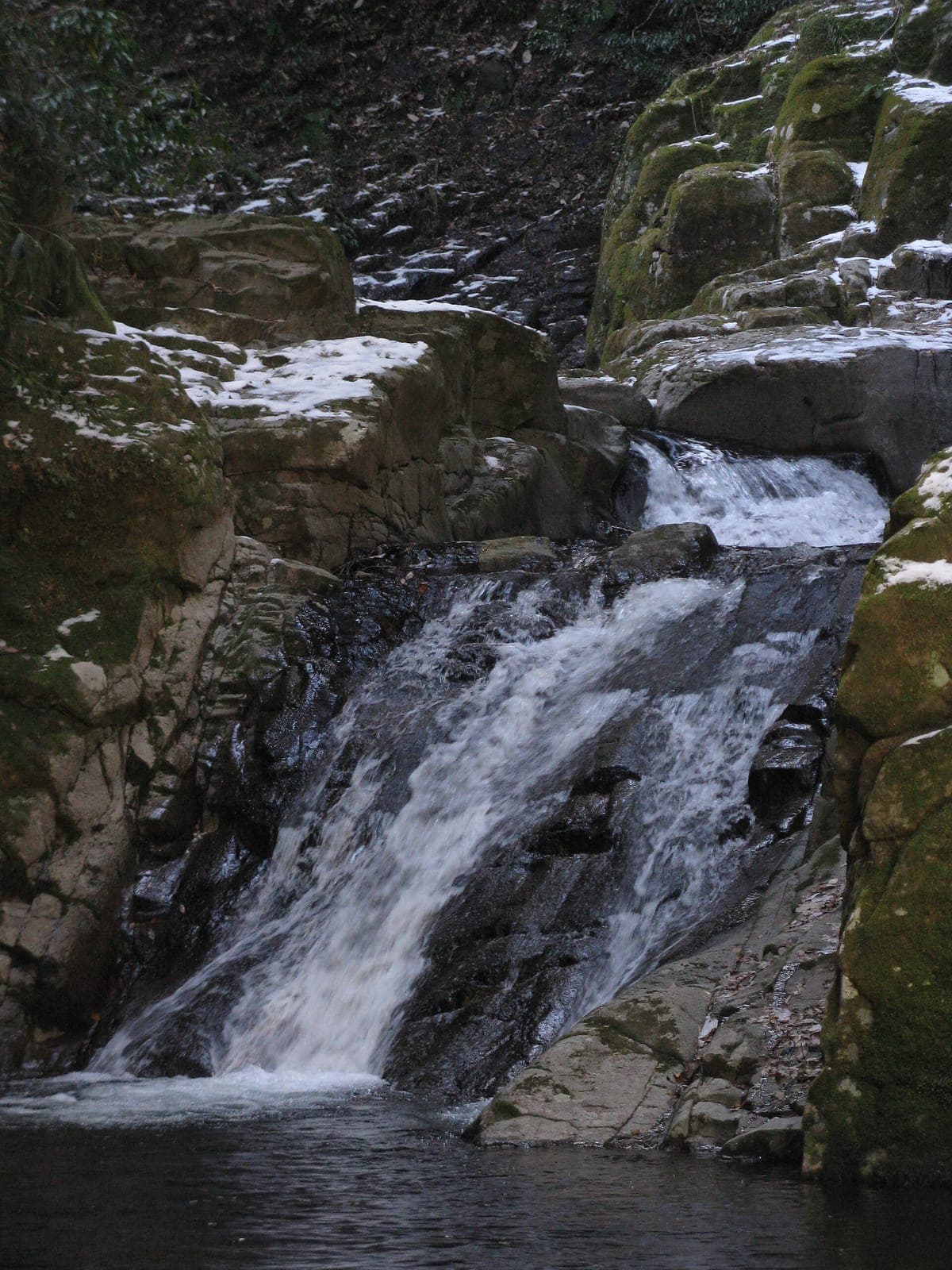
Inland toward the Iga area, the Akame 48 Waterfalls string a series of cascades along a lush forested gorge — a cool, mossy hiking route famous for its salamanders and, historically, as ninja training ground. Well-maintained trails make it approachable for casual walkers, while the layered falls and dense greenery draw photographers. It's an easy nature escape from the Kansai plains. Getting there: Train to Akameguchi Station, then a short bus or walk to the gorge entrance; about 1h 44m by car from Kyoto. Gorge/trail admission ¥1,000 adult (includes the Japanese Salamander Center at the entrance). Best in spring and autumn.
When to go
The Kii Peninsula rewards two very different seasons. Spring and autumn are the sweet spot for almost everything inland — mild temperatures for hiking Akame's gorge or Ryujin's mountain trails, clear light at Nachi Falls and Cape Shionomisaki, and comfortable strolls through Ise Jingu's forest. Autumn foliage and spring greenery both frame the waterfalls at their best. Summer is when the coast comes alive: Shirahama's white sand and warm water are made for July and August, and the seaside onsen towns hit their stride. If seafood is the draw, aim Shima-bound between autumn and winter, when Ago Bay's oysters are at their peak. Whenever you come, budget extra time — rail and bus connections down the peninsula are scenic but unhurried, and the distances are real.
Keep exploring
- Sacred Japan: Kumano, Kōya & Dewa — the pilgrimage side of the Kii mountains, from the Kumano Kodō trails to Mount Kōya's temple lodgings.
- Autumn Leaves Off the Beaten Path — where to catch peak foliage without the tour buses, including quieter mountain valleys.
- Hidden Food Towns — more places like Hamajima where a regional specialty is the whole reason to make the trip.
- Hidden Kansai Temples: Zero-Crowd Alternatives to Kyoto — Swap the Kyoto crowds for zero-queue temples across Kansai.
Ready to plan? Build your own hidden-Japan itinerary → — our trip generator turns any of these spots into a day-by-day route.