Multi6 min read
Hidden Food Towns: Markets, Sake & Local Kitchens
The best food towns in Japan off the beaten path — morning fish markets, a sake-brewing quarter, a cheese factory and covered arcades locals actually shop.
Best time: Year-round
Japan's most memorable meals rarely happen in a guidebook's top-ten restaurant. They happen where locals actually shop and eat — under the tin roof of a covered market, at a stall counter passed down three generations, or in a merchant town that has been brewing sake since the Edo period. This guide gathers some of the best food towns in Japan off the beaten path: working fish markets, regional-specialty producers, and the arcades where a city feeds itself. None of these are big-city food halls dressed up for visitors. They are the real supply lines — the places chefs source from and residents queue at — spread from Hokkaido's dairy country down to a harbor market in Okinawa. Come hungry, bring cash, and let your appetite set the itinerary rather than a list of sights.
01Kyoto
Nishiki Market
錦市場
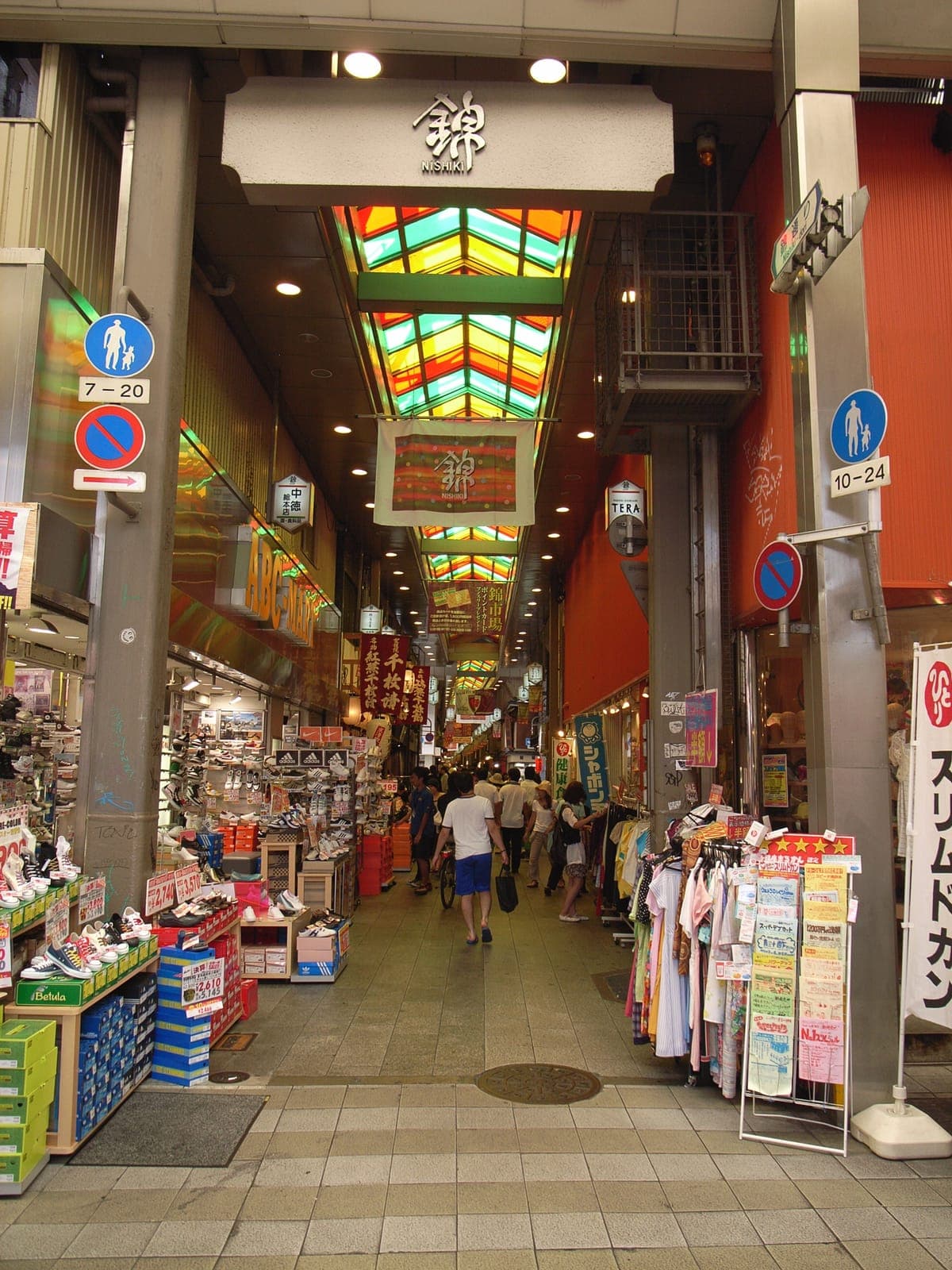
Kyoto's Nishiki Market is a 400-year-old covered street lined with stalls selling every manner of Japanese edible — pickled vegetables, fresh seafood, tofu, sweets, and traditional Kyoto crafts. Narrow and vibrant, it rewards slow grazing far more than a single sit-down meal. Most visitors pour their energy into the city's famous temples and miss this genuinely local culinary experience, which is exactly why it belongs on any food-first route through Kansai.
Getting there: In the heart of Kyoto, a short walk from Shijo Station; nearest is Kyoto-Kawaramachi Station, about 7 minutes on foot. Free to browse — pay per item.
02Osaka
Kuromon Ichiba Market
黒門市場
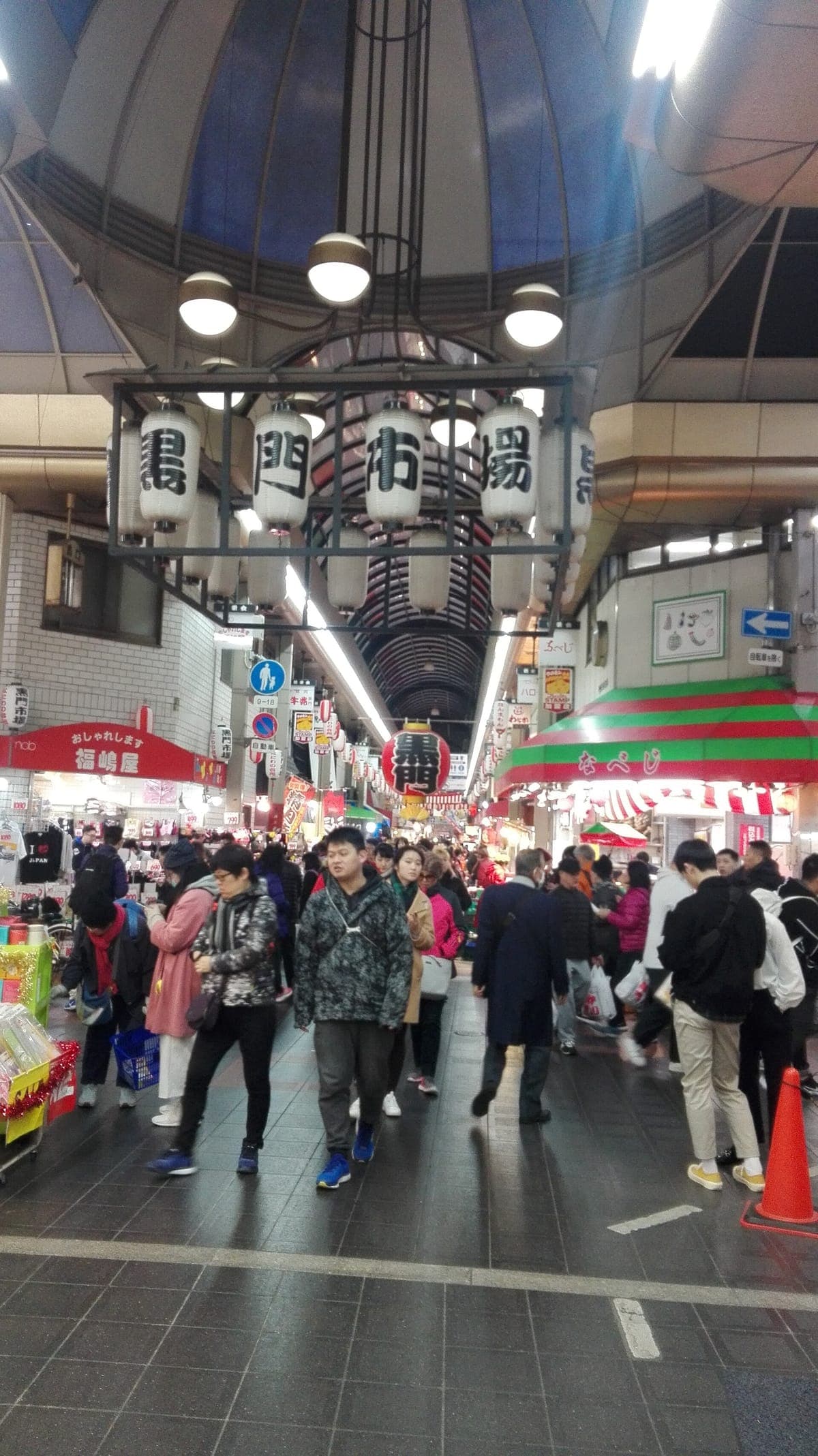
Osaka calls itself Japan's kitchen, and Kuromon Ichiba is where that claim gets tested. This bustling covered arcade is known for fresh seafood, produce, and street-food stalls, from grilled shellfish to traditional sweets, eaten standing up amid a lively crowd. Many travelers default to Osaka's bigger shopping districts and skip this more authentic market — their loss.
Getting there: From the subway, get off at Nippombashi Station and walk about 5 minutes; Kintetsu-Nippombashi Station is roughly 3 minutes away. Free public arcade — you pay only for what you eat.

03Tokyo
Kappabashi Dougu Street
合羽橋道具街
Not every food town is about eating — some are about the tools. Tokyo's Kappabashi Dougu Street is a paradise for chefs and home cooks, a shopping street packed with restaurant-supply shops and kitchen-equipment dealers selling everything from hand-forged knives to the uncannily realistic plastic food replicas seen in restaurant windows nationwide. Most visitors chase Tokyo's headline attractions and never discover this deeply practical, deeply Japanese corner of the culinary world.
Getting there: Take the Tokyo Metro to Tawaramachi Station and walk about 10 minutes; Asakusa Station is roughly 12 minutes on foot. Free to browse; note many shops close on weekends.
04Kanagawa
Yokohama Chinatown
横浜中華街
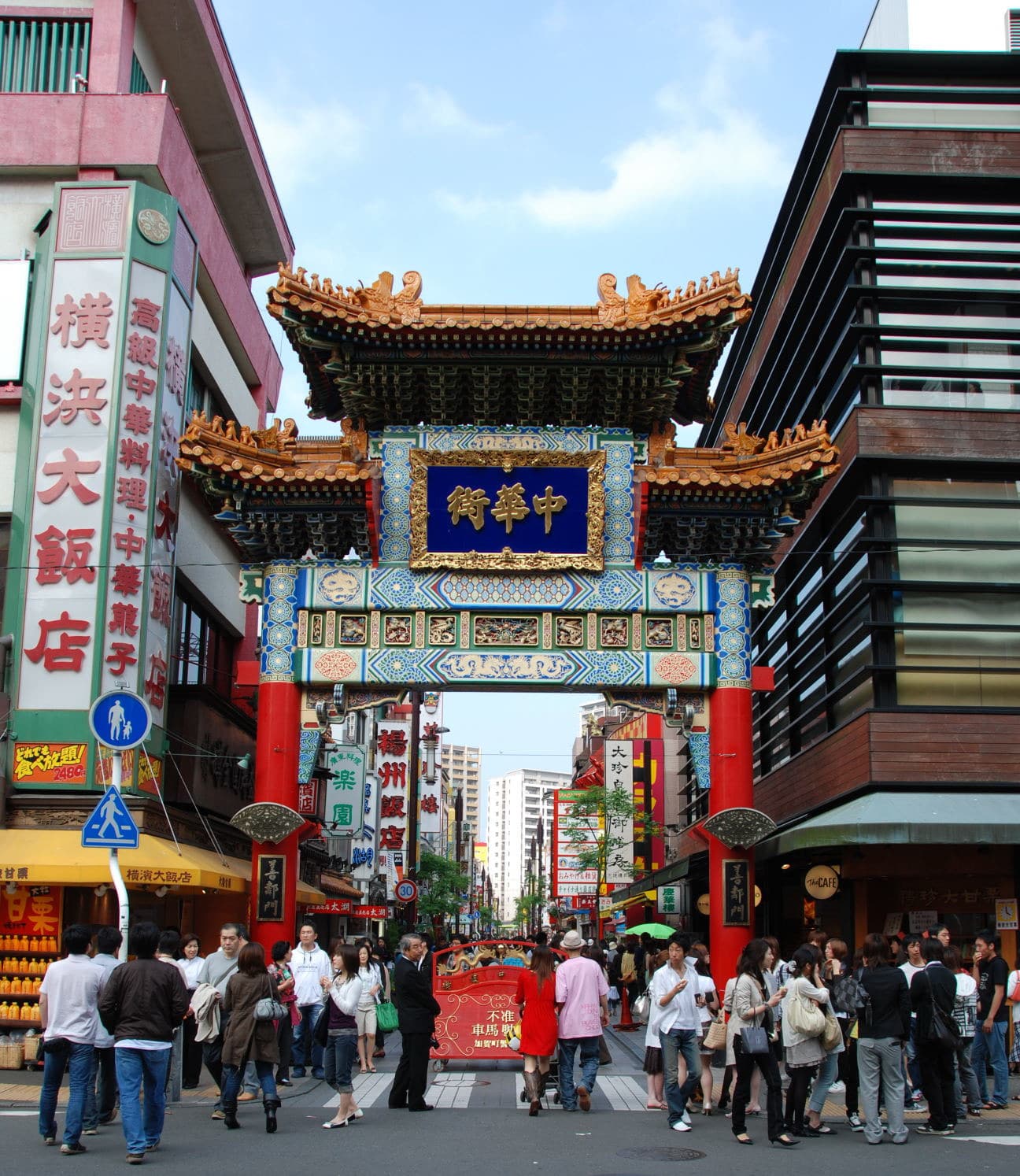
Established after Yokohama's port opened to foreign trade in 1859, this is the largest Chinatown in Japan and one of the largest in the world — some 500 restaurants and shops packed behind ornate paifang gates like the Zenrinmon and Choyomon. The district still centers on the Kwan Tai Temple and remains the beating heart of Japan's ethnic-Chinese community. It is less a hidden gem than a living record of Japan's 19th-century opening to the world, and it eats like one: steamed buns, hand-pulled noodles, and banquet halls at every turn.
Getting there: A 1-minute walk from Exit 2 of Motomachi-Chukagai Station on the Minato Mirai Line, or about 7 minutes from JR Ishikawacho Station.
05Hiroshima
Okonomimura
お好み村
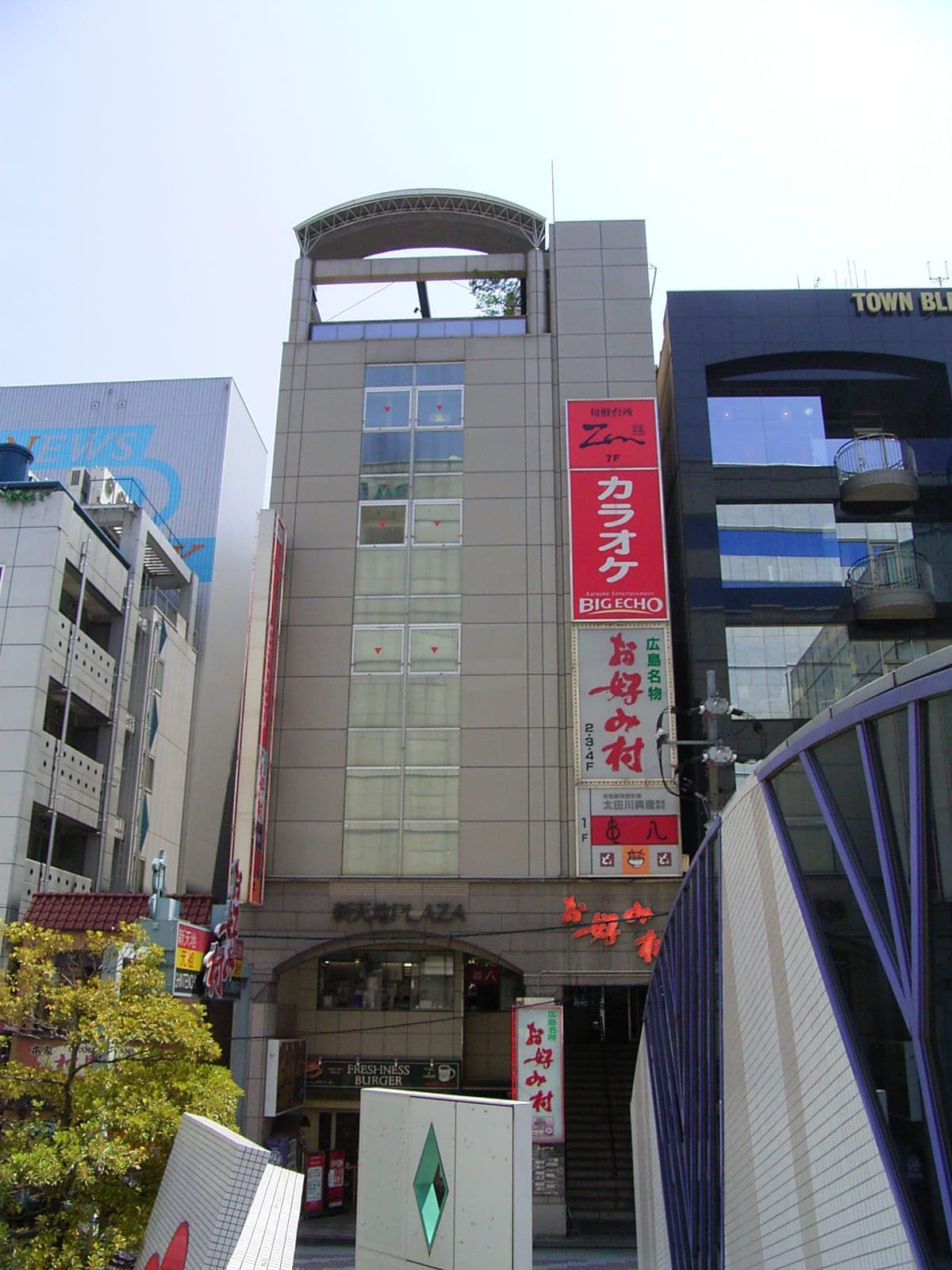
Hiroshima's Okonomimura is a food theme park devoted to a single dish: Hiroshima-style okonomiyaki, the layered savory pancake built on noodles and cabbage. Multiple floors of stalls each cook their own version on a hot griddle in front of you, so half the fun is choosing which counter to claim a seat at. Travelers often rush past it for the city's more famous landmarks, but for anyone who wants to understand Hiroshima through its signature food, this is the single best stop.
Getting there: A short walk from Hiroshima Station via public transport; nearest is Hondori Station, about 8 minutes on foot. No entrance fee — pay per meal at individual stalls.
06Hiroshima
Takehara Historic District
竹原歴史的地区
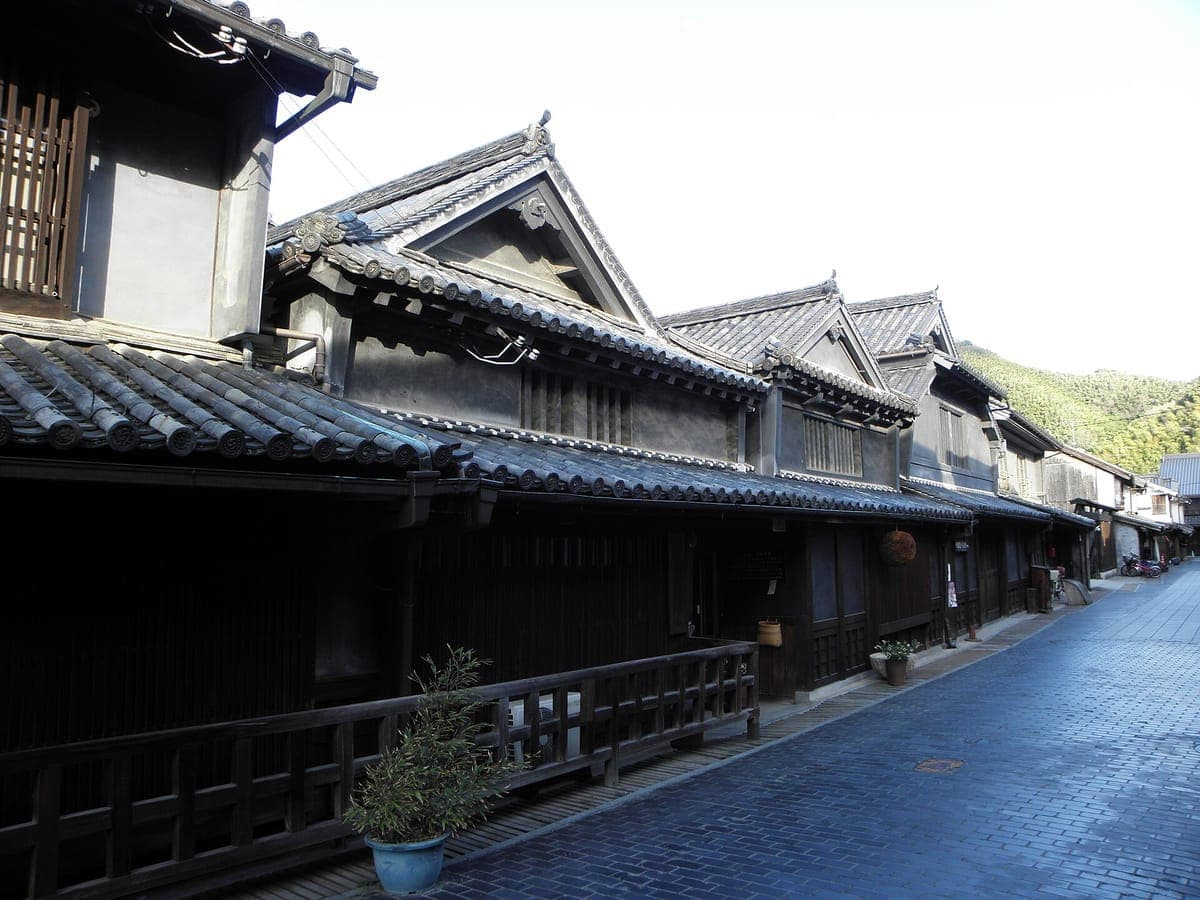
An hour east of Hiroshima, Takehara is a former sake-brewing town whose Edo-period streets survive almost intact — white-walled warehouses, wooden merchant facades, and latticed terraces earned it the nickname "Little Kyoto of Aki." Wandering the preserved lanes is the main event, and the town's brewing heritage still flavors the atmosphere. Most visitors funnel toward Hiroshima and Miyajima and never make the detour, which keeps Takehara quiet and unhurried.
Getting there: Take the JR Sanyo Line to Takehara Station, then a short walk to the historic district. Free to explore the streets; the Former Matsusaka Family Residence charges ¥300 separately.
07Ehimehidden gem
Saijo Uchinuki Springs
西条のうちぬき
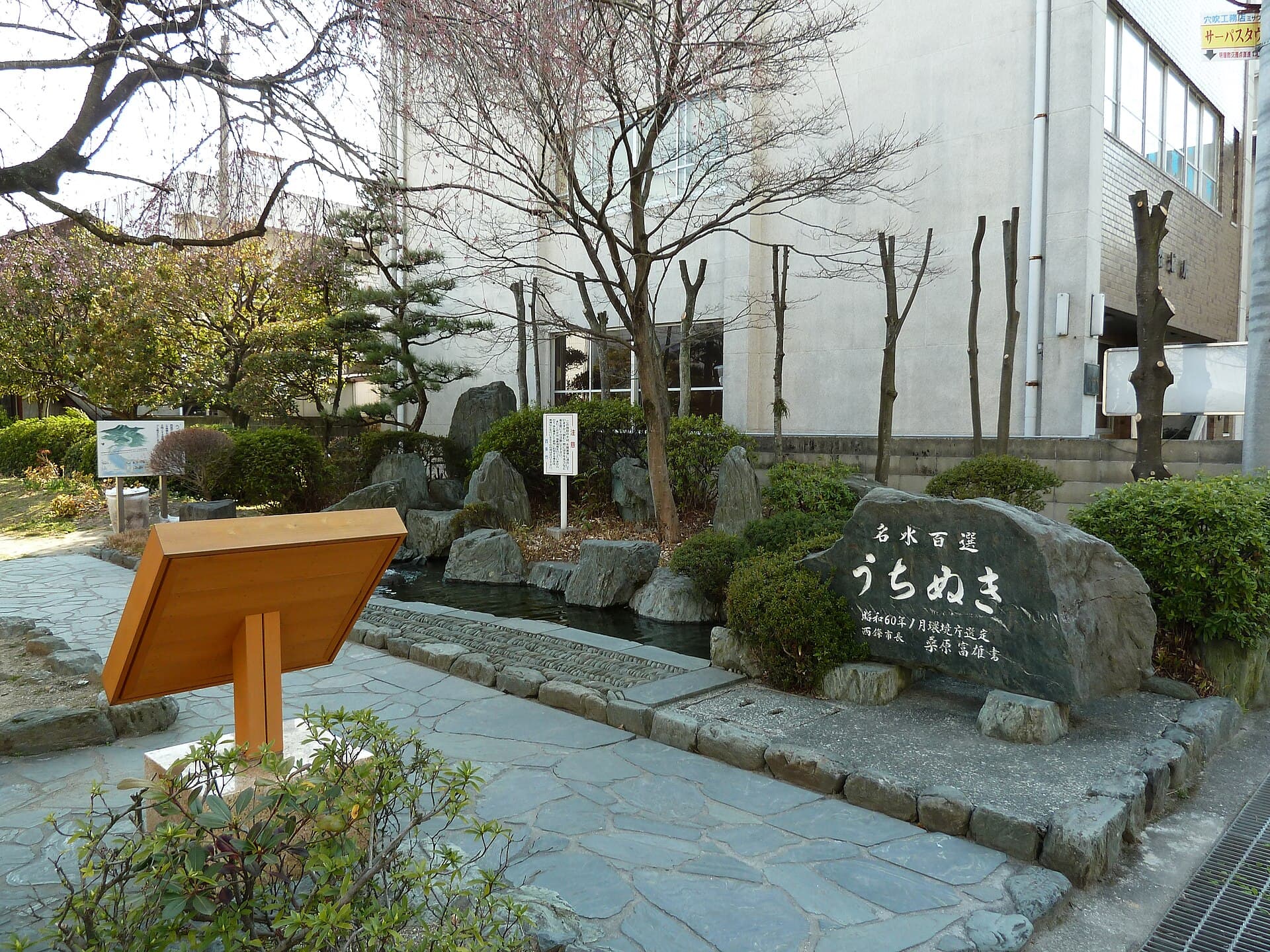
Saijo, on the Shikoku coast in Ehime, is a food town built on water. Fed by runoff from Mount Ishizuchi, the city sits on an aquifer so productive that residents simply drive iron pipes into the ground to tap self-flowing artesian water — roughly 3,000 of these uchinuki wells still gush across town. The water has been ranked Japan's best-tasting in national competitions and counts among the country's Top 100 Famous Waters; locals still line up with jugs at public taps like the Meisui Hyakusen monument. Saijo markets itself around Mount Ishizuchi and the Shimanami Kaido, so its identity as a "water city" barely registers with passing visitors.
Getting there: Walk or cycle from JR Iyo-Saijo Station; several public draw-points are marked on the city's Uchinuki Map, with free water to fill your own bottle.

08Hokkaido
Furano Cheese Factory
富良野チーズ工房
Hokkaido is Japan's dairy country, and the Furano Cheese Factory is where you taste why. This working facility lets visitors learn how cheese is made and sample a range of it, alongside a café with countryside views, a gourmet shop, soft-serve, and a wood-fired pizzeria. Hands-on workshops turn a quick stop into an afternoon. Most travelers chase Furano's flower fields and overlook this quietly delicious detour.
Getting there: Easily reached by car from Furano city center, or by a local bus connecting major tourist spots; Furano Station is a longer haul on foot. Facility admission is free; hands-on cheese, butter, and ice-cream workshops start from ¥1,200.
09Okinawa
Tomari Port (Tomarin)
泊港(とまりん)
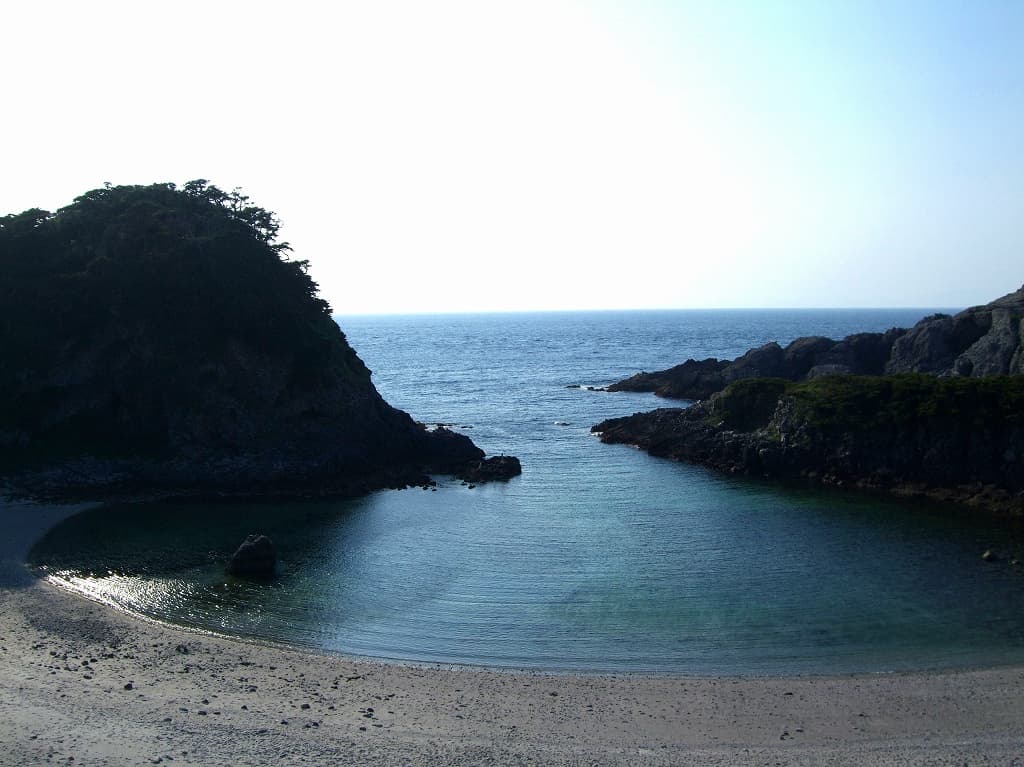
Naha's inter-island ferry terminal, nicknamed Tomarin, is where boats leave for the Kerama Islands, Kume Island, and other outlying isles — but the reason to come early is the adjacent Tomari Iyumachi fish market, which sells fresh tuna and local seafood straight off the boats. This is a working harbor, not a resort, and that is the appeal: you eat what the day's catch delivered. Many visitors chase Okinawa's beaches and overlook this tranquil, functional corner of the city.
Getting there: Easily reached by car or local bus from central Naha, about 25 minutes by car from Naha Airport. Free-access public terminal and adjacent market.
When to go
Every stop here is a year-round destination, which makes food towns a reliable backbone for a trip in any season. Markets like Nishiki, Kuromon, and the Tomari fish market are best in the morning, when the seafood is freshest and stalls are fully stocked — aim to arrive before the lunch crowds. Takehara's preserved streets and the Furano Cheese Factory's countryside setting are loveliest in spring and autumn, when the light is soft and the surrounding scenery is at its best. Saijo's spring water runs cool and constant all year, making it a welcome refill point in the summer heat. Kappabashi keeps shorter, weekday-leaning hours, so plan kitchenware shopping for a weekday rather than a weekend.
Keep exploring
- Tokyo's Hidden Neighborhoods — more low-key corners of the capital beyond Kappabashi.
- Kansai Beyond Kyoto & the Kii Peninsula — pair Nishiki and Kuromon with the wider region.
- Japan by Local Train — string these market towns together the slow, scenic way.
- Sake Country — the brewing towns, from Nada to the old kura streets.
Ready to plan? Build your own hidden-Japan itinerary → — our trip generator turns any of these spots into a day-by-day route.