Kanto5 min read
Tokyo's Hidden Neighborhoods: Beyond Shibuya & Shinjuku
A guide to Tokyo's hidden neighborhoods and local areas — cobbled Kagurazaka, canal-side Naka-Meguro, shitamachi Asakusa, Kichijoji and more.
Best time: Year-round
Most first trips to the capital collapse into the same three or four stations — Shibuya's scramble, Shinjuku's neon, the crowds funnelling through Harajuku. But the city that residents actually live in is quieter, and it rewards anyone willing to ride two or three stops past the guidebook stops. This guide to Tokyo's hidden neighborhoods and local areas trades the megablocks for cobbled slopes, canal-side cherry trees, old shitamachi lanes and fabric-shop streets where the pace drops and the coffee gets better. None of these districts are secret to the people who live there — they are simply overlooked by travelers who never leave the center. Each one is walkable, easy to reach on a single train line, and free to wander; you only pay if you step inside a museum or teahouse. Pick two or three, string them into an afternoon, and you will see a version of Tokyo that most visitors miss entirely.
The seven neighborhoods below spread across the city, from the old low-town in the northeast to the design districts in the west and the reclaimed bayfront in the south. Together they show off Tokyo's full range — geisha-era refinement, working-craft streets, riverside cafe culture, temple towns and modern waterfront — without ever asking you to fight a crowd for it. Read on, then let the map and your own appetite decide the order.
01Tokyo
Kagurazaka
神楽坂
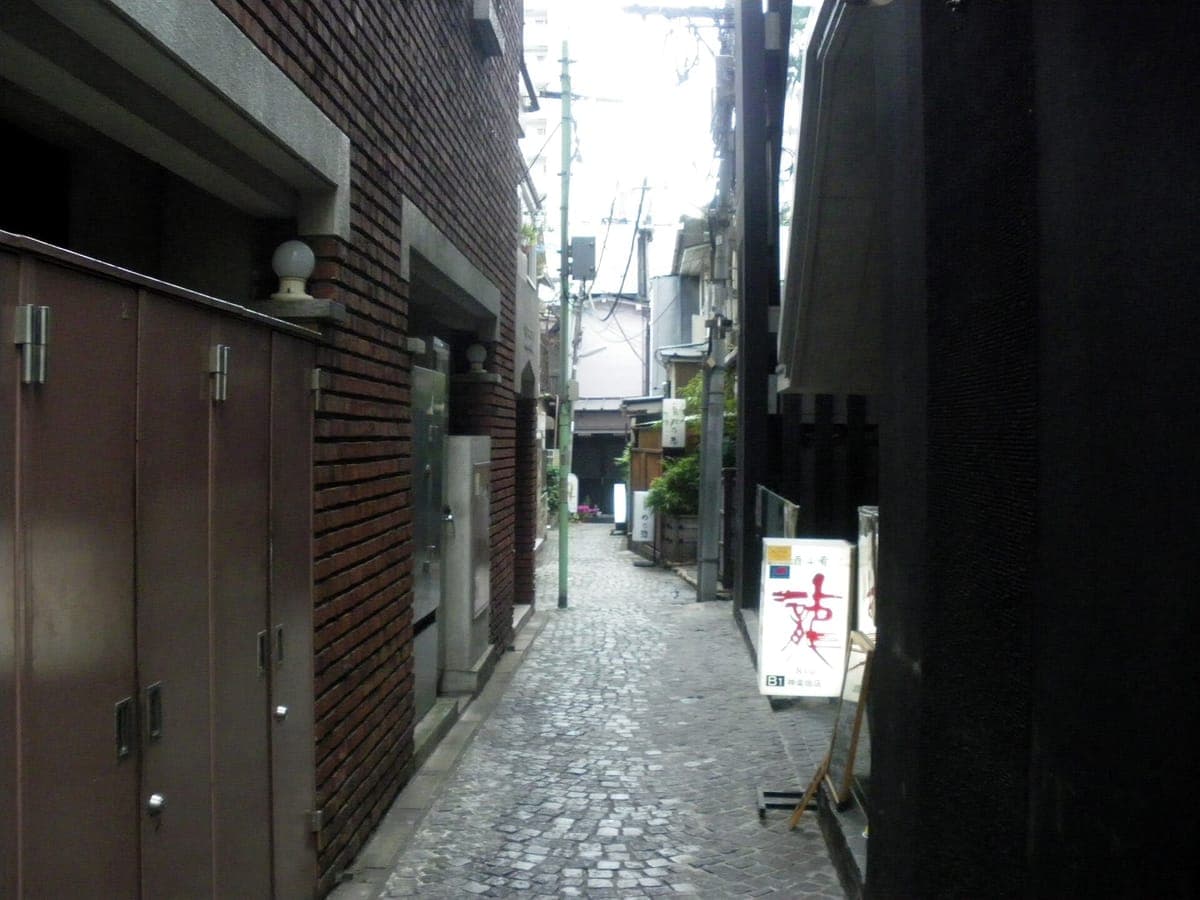
Tucked on a hillside northwest of the Imperial Palace, Kagurazaka is one of central Tokyo's most atmospheric quarters — narrow cobblestone streets lined with historic buildings, quiet shops, and a lingering geisha-district refinement. The neighborhood is famous for its blend of old and new: former teahouse alleys now share the slope with cafes and some of the city's best French dining, a legacy of its long-standing expatriate community. Come to wander the side lanes on foot, duck into a hidden restaurant, and watch the light change on the cobbles at dusk. Getting there: Iidabashi Station · 9 min walk (also served by Kagurazaka Station on the Tokyo Metro Tozai Line). Free to explore; individual venues charge separately.
02Tokyo
Naka-Meguro
中目黒
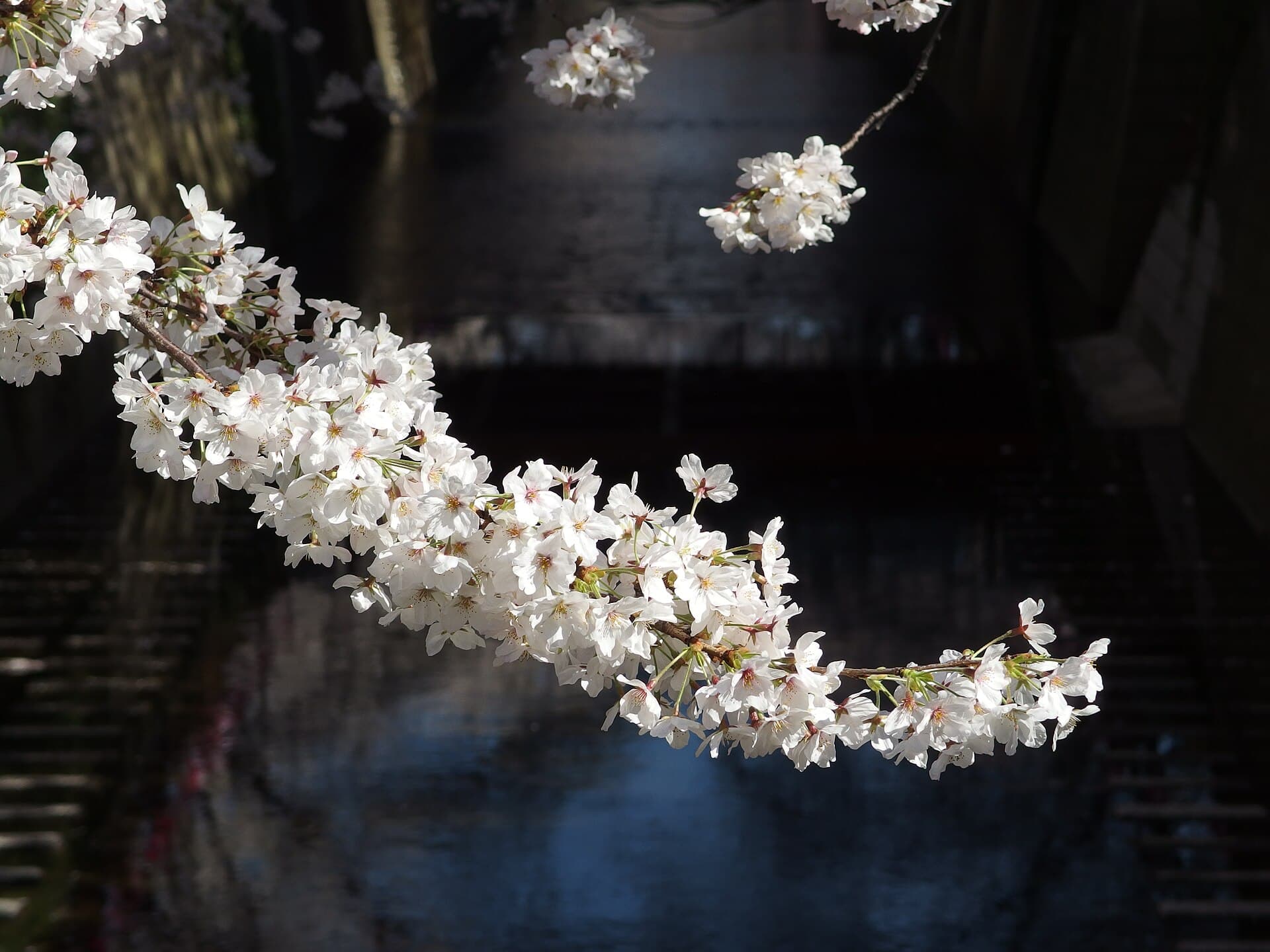
A short hop from Shibuya but a world calmer, Naka-Meguro follows the Meguro River as it threads between low-rise blocks of boutiques and coffee shops. The canal is the star: its banks are lined with cherry trees that arch over the water, and in spring the whole neighborhood turns into a slow riverside promenade. The rest of the year it is a leisurely, café-heavy district built for aimless walking, with independent shops and galleries filling the streets on either side of the water. Getting there: Naka-meguro Station · 12 min walk (Tokyu Toyoko Line). Free public riverside district — no admission.

03Tokyo
Kichijoji
吉祥寺
Regularly voted one of Tokyo's most livable neighborhoods, Kichijoji sits at the western end of the Chuo Line and pairs a genuinely local shopping culture with a great green lung. Its heart is Inokashira Park — a serene escape with a boating pond and cherry trees — ringed by an eclectic tangle of shops, cafes, restaurants and covered arcades. It is the kind of place where residents spend a whole unhurried day, and it makes an easy half-day trip out from the center. Getting there: Kichijoji Station · 2 min walk (JR Chuo Line, direct from Shinjuku). Streets, arcades and Inokashira Park are free to enter; some park boat and zoo facilities are ticketed separately.
04Tokyo
Asakusa
浅草寺
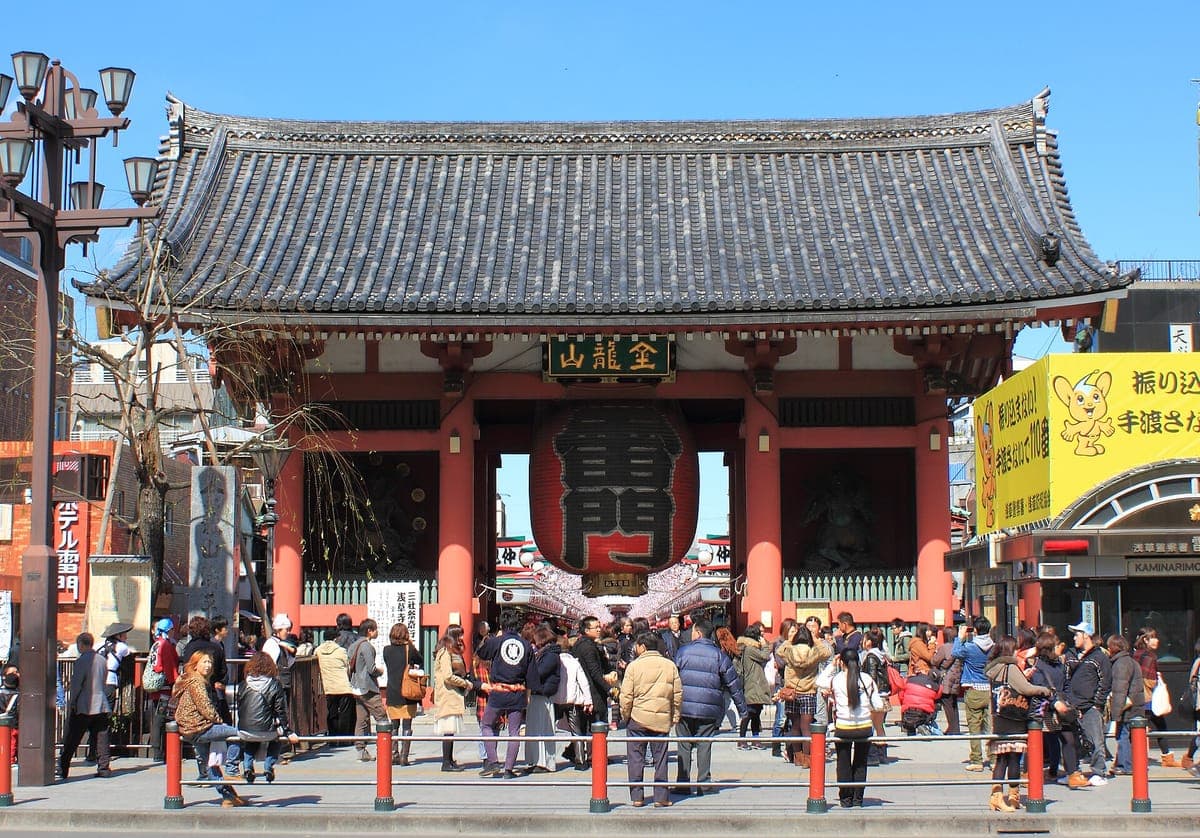
Asakusa is the beating heart of Tokyo's shitamachi — the old "low city" — and it earns its place here as a neighborhood, not just a temple. Senso-ji, the city's oldest temple, was completed in 645 to honor Kannon, the goddess of mercy, but the real pleasure is the approach: Nakamise-dori, a roughly 250-metre pedestrian lane of more than 90 traditional stalls selling snacks, crafts and souvenirs, dating back to the Edo period and among Japan's oldest shopping streets. Wander beyond the main axis and you find craft shops, old sweet-makers and a district that still moves at a pre-modern pace. Getting there: Asakusa Station · 7 min walk (Tokyo Metro and Toei Subway). The temple grounds and main hall are free.
05Tokyo
Nippori Textile Town
日暮里繊維街
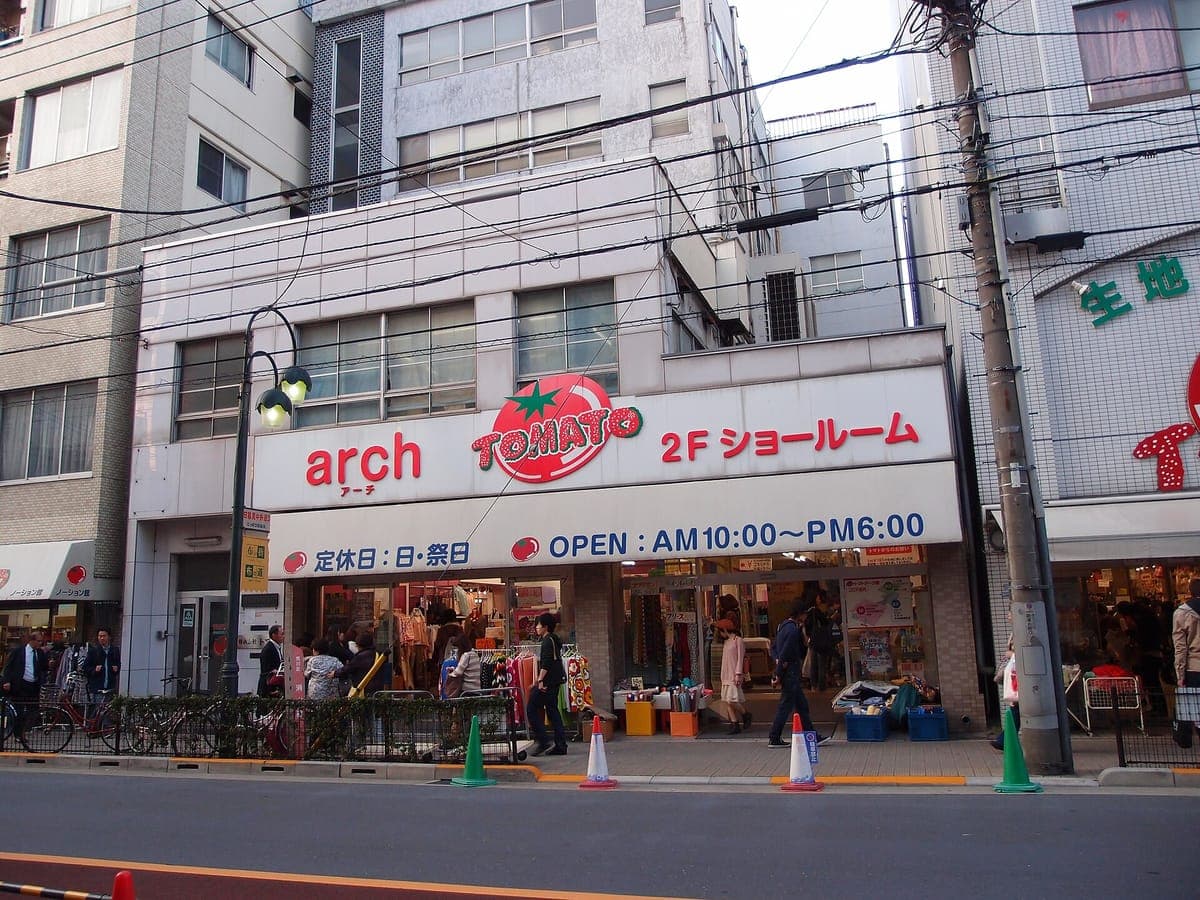
On the northeast edge of the city, in the old shitamachi belt near Yanaka, Nippori Textile Town is a working district rather than a tourist set-piece — and that is exactly its charm. A busy stretch of Nippori Central Street is packed with stores selling fabrics, buttons and sewing equipment, from traditional Japanese textiles to modern materials, catering to professionals and hobbyists alike. Even if you never thread a needle, it is a fascinating, unpolished slice of local Tokyo commerce, and an easy add-on to a walk through the surrounding old-town streets. Getting there: Nippori Station · walkable (JR Yamanote Line; Mikawashima Station is 8 min walk). Free open-air fabric-shopping street.
06Tokyo
Daikanyama
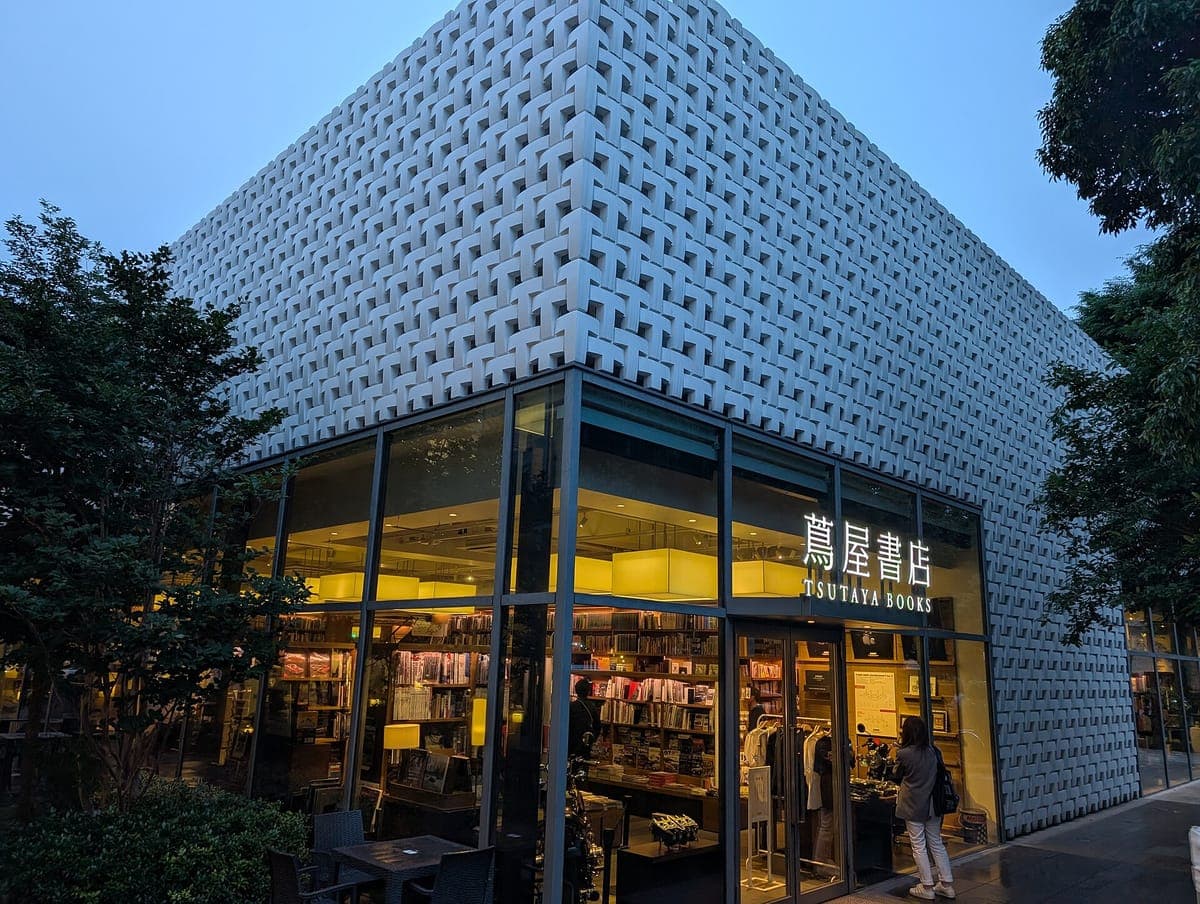
蔦屋書店代官山
Perched between Shibuya and Naka-Meguro, Daikanyama is Tokyo's understated design district — leafy, low-rise and stylish without the crowds. Its anchor and best-known landmark is Tsutaya Books, a beautifully designed bookstore-and-café complex with a large, diverse selection of books, music and film, cozy reading corners and a rotating program of events and exhibitions. Treat it as a base: settle in with a coffee, then drift out into the surrounding streets of independent boutiques and galleries. Getting there: Daikan-yama Station · 6 min walk (Tokyu Toyoko Line). Free entry to the bookstore; no admission charge.
07Tokyo
Odaiba
お台場
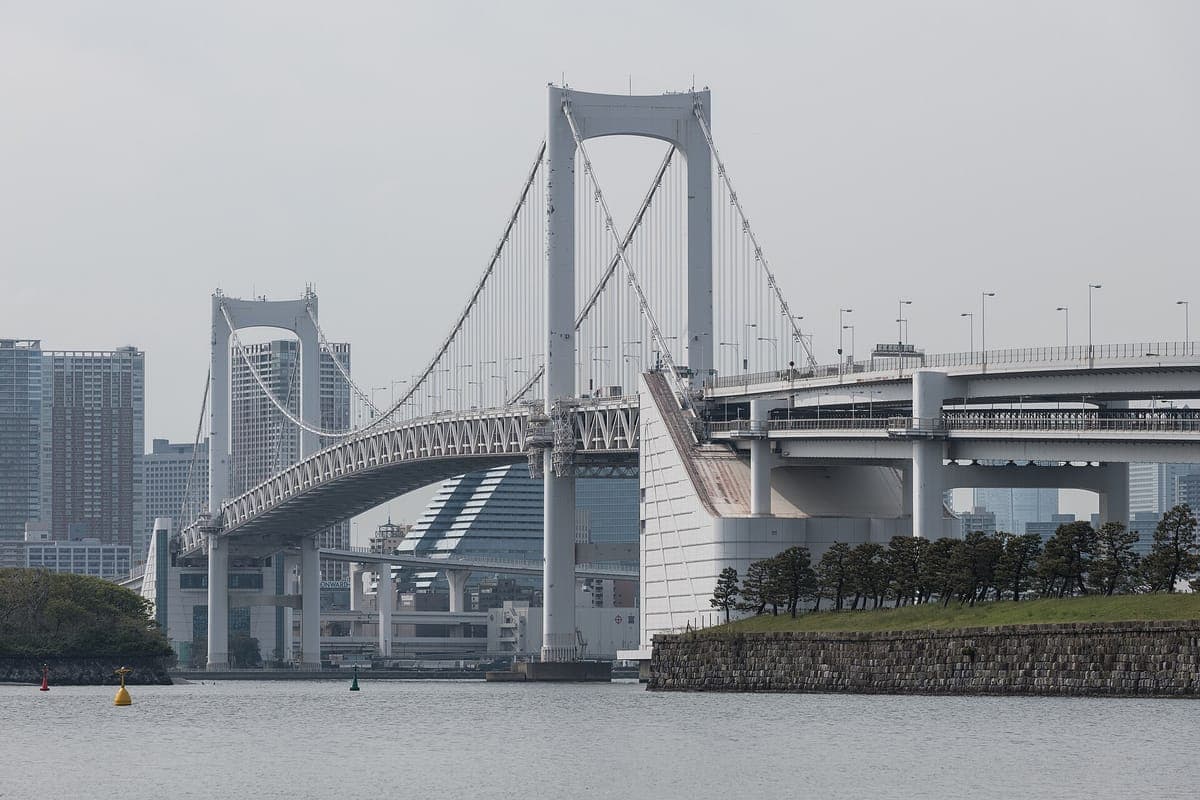
For a complete change of texture, Odaiba spreads across a man-made island in Tokyo Bay, all waterfront promenades and wide skyline views. It is the city's modern, open-air counterpoint to the old lanes above — an entertainment and shopping district with museums, a Ferris wheel, malls and the iconic Rainbow Bridge, best seen as the skyline lights up at sunset. Central Tokyo's crowds thin out here, and the bayside walk alone justifies the trip. Getting there: Telecom Center Station · 7 min walk (also reachable via the Yurikamome Line from Shimbashi). The waterfront district is free; individual attractions such as teamLab are ticketed separately.
When to go
These neighborhoods are genuinely year-round, but the shoulder seasons flatter them most. Spring is unbeatable along Naka-Meguro's canal and in Kichijoji's Inokashira Park, when the cherry trees bloom — expect the Meguro River, in particular, to draw a lot of company at peak sakura. Autumn brings crisp light and thinner crowds, ideal for the cobbled slopes of Kagurazaka and Asakusa's shitamachi lanes. Summer is warm and humid but rewards evening walks — Odaiba's bayfront and Kagurazaka's lantern-lit alleys are at their best after dark. Winter is quiet and clear, often the sharpest time for Odaiba's skyline views across the water. Whenever you go, aim for weekday mornings or late afternoons to catch these districts at their most local.
Keep exploring
- Kanto day trips without the crowds — easy escapes from Tokyo when you want to go further afield.
- Cherry blossoms off the beaten path — for spring walks beyond the Meguro River crush.
- Japan by local train — how to string neighborhoods and towns together the slow way.
Ready to plan? Build your own hidden-Japan itinerary → — our trip generator turns any of these spots into a day-by-day route.