Kanto→Chubu→Kansai6 min read
The Hidden-Side 7-Day Japan Route for First-Timers
A 7 day Japan itinerary off the beaten path for first-timers — Tokyo, the Japan Alps and Kanazawa, then Kyoto and Nara, swapping the tourist headliners for verified hidden spots.
Best time: Apr–May or Oct–Nov
Most first-time itineraries run Tokyo, Kyoto, and back — and spend the whole time shoulder-to-shoulder with everyone else who read the same list. This 7 day Japan itinerary off the beaten path keeps the classic Tokyo → Japan Alps → Kyoto/Nara spine that makes a first trip flow, but swaps the headliners for verified hidden spots: a quiet Edo garden instead of a mobbed one, an Impressionist collection buried in the Hakone forest, a plateau sculpture park, Kanazawa's gold-leaf and Zen quarter, and the temple treasures that day-trippers walk right past. Every place here is real, ticketed where noted, and reachable on the same shinkansen and local lines you'd use anyway. It works best in late April–May or late October–November, when the gardens peak and the mountain air is clear. Seven days, three regions, almost none of the crush.
Day 1 — Tokyo: Asakusa & Senso-ji
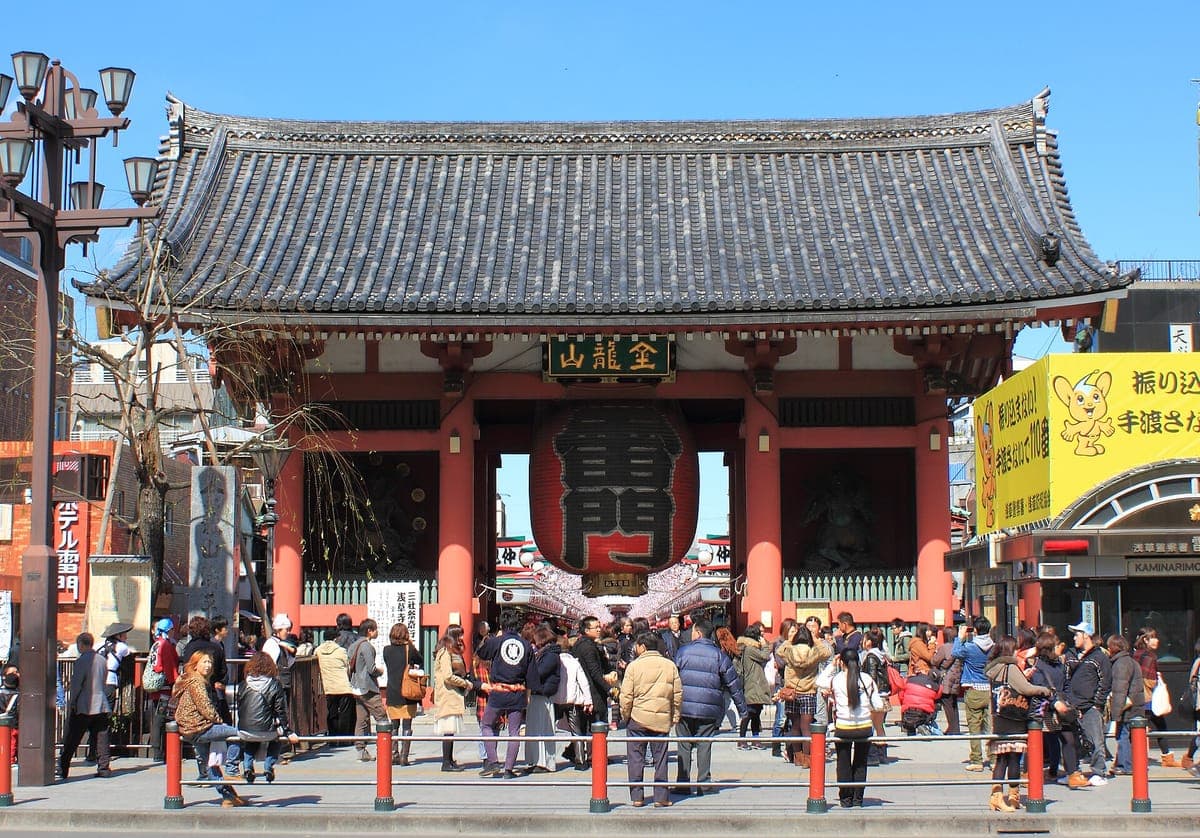
Ease into Japan at its oldest temple. Senso-ji, completed in 645 to honor Kannon, anchors the traditional district of Asakusa, and the approach runs through Nakamise — a ~250m lane of 90-plus Edo-era stalls selling snacks, crafts, and souvenirs, one of Japan's oldest shopping streets. Most first-timers chase Tokyo's modern towers and undersell how much living history sits here; come early, before the tour groups, and the temple grounds feel like another century. Getting there: Asakusa Station (7-min walk) on the Tokyo Metro and Toei Subway; roughly 21 minutes by car from Tokyo Station. Open 24 hours. Free.
01Tokyo
Day 2 — Tokyo: Hama-Rikyu Gardens & Kagurazaka
浜離宮恩賜庭園
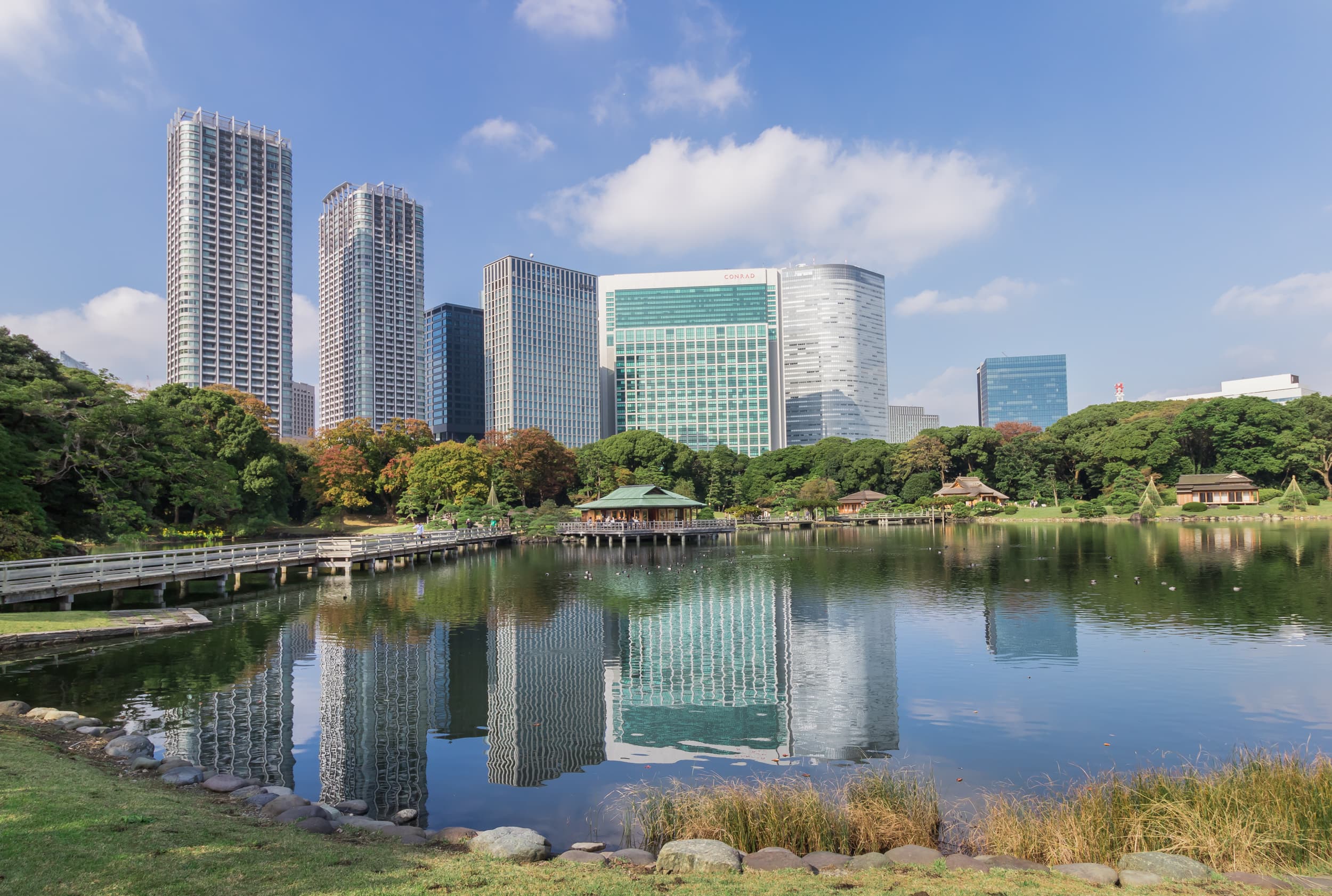
Trade the crowds of Shinjuku Gyoen for Hama-Rikyu, a landscape garden on Tokyo Bay laid out on the site of a 17th-century shogun's villa — tidal ponds, teahouses, and seasonal flowers, a serene pocket most visitors skip. In the evening, wander up Kagurazaka, a hilly former geisha quarter of cobbled lanes, hidden cafes, and French bistros that mainstream travelers pass over for Shibuya. Together they show the two sides of old Tokyo: formal garden and lived-in neighborhood. Getting there: Hama-Rikyu is near Shiodome Station (15-min walk) via the Toei Oedo Line, or Tsukiji Shijo Station; admission ¥300. Kagurazaka sits by Iidabashi Station (9-min walk) on several lines; the streets are free to roam.
02Kanagawa
Day 3 — Hakone: Pola Museum of Art & Botanical Garden of Wetlands
ポーラ美術館
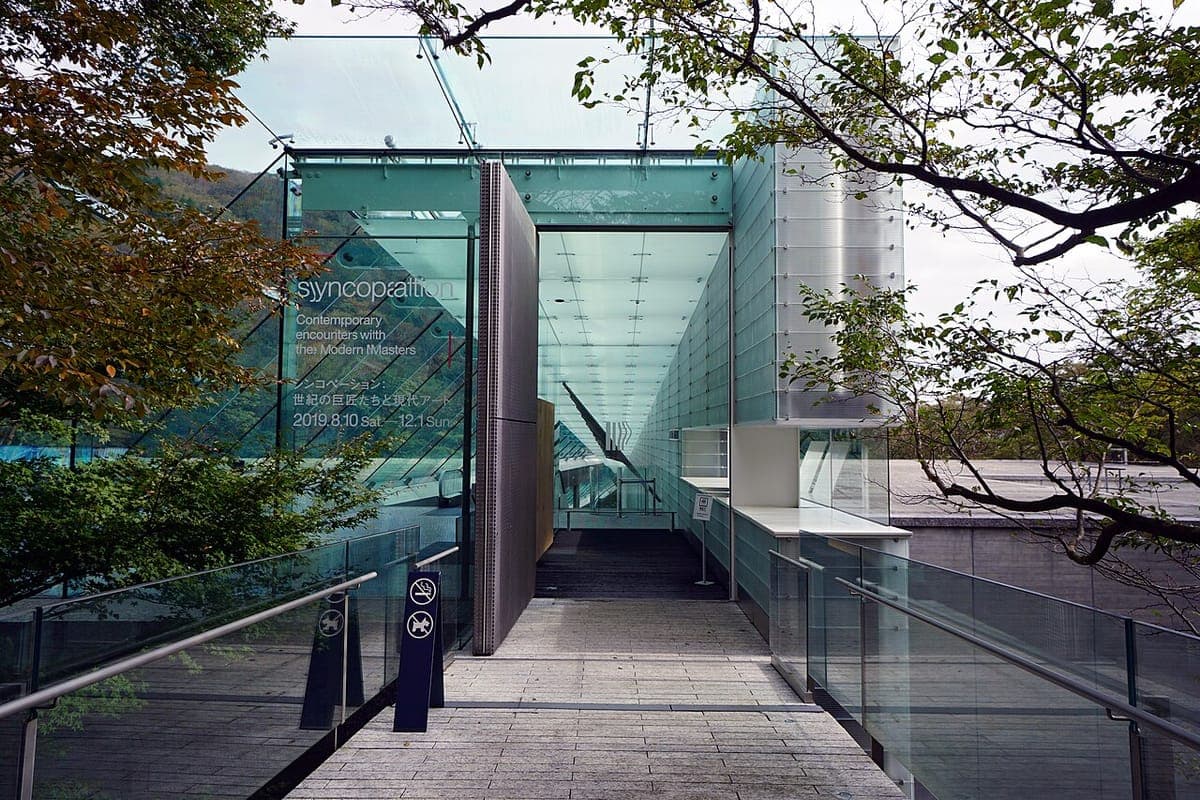
Break for the mountains southwest of Tokyo. The Pola Museum of Art hides an outstanding Impressionist and modern collection inside a mostly-underground building that all but disappears into the Hakone forest, with a walking trail through the trees around it. A short ride away, the Hakone Botanical Garden of Wetlands protects native wetland and alpine plants along quiet boardwalks. Both stay calm while the crowds queue for Hakone's famous hot springs and lake cruises. Getting there: Take the Hakone Tozan Railway to Gora Station, then a bus to the Pola Museum; admission ¥2,200 (¥2,000 booked online). For the wetlands garden, ride to Hakone-Yumoto Station and connect by bus; admission ¥700.
03Nagano
Day 4 — Nagano: Utsukushigahara Open-Air Museum
美ヶ原高原美術館
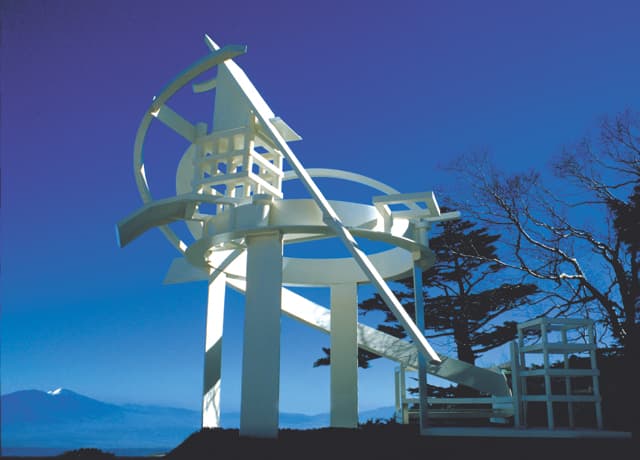
Now into the Japan Alps. High on the Utsukushigahara plateau, this open-air museum scatters some 350 contemporary sculptures across grassy highland with sweeping mountain views — art and alpine scenery in one walk. Its remoteness is exactly why it stays off most Nagano lists, and why you'll often have whole installations to yourself. Base yourself in Matsumoto, an easy and scenic hub for the night. Getting there: Reach it by bus from Matsumoto Station, roughly a 40-minute ride up to the plateau. Admission ¥1,000 (elementary-age ¥500). Open spring through autumn; the plateau road closes in the snow season.
04Ishikawa
Day 5 — Kanazawa: Kenroku-en Garden & D. T. Suzuki Museum
鈴木大拙館
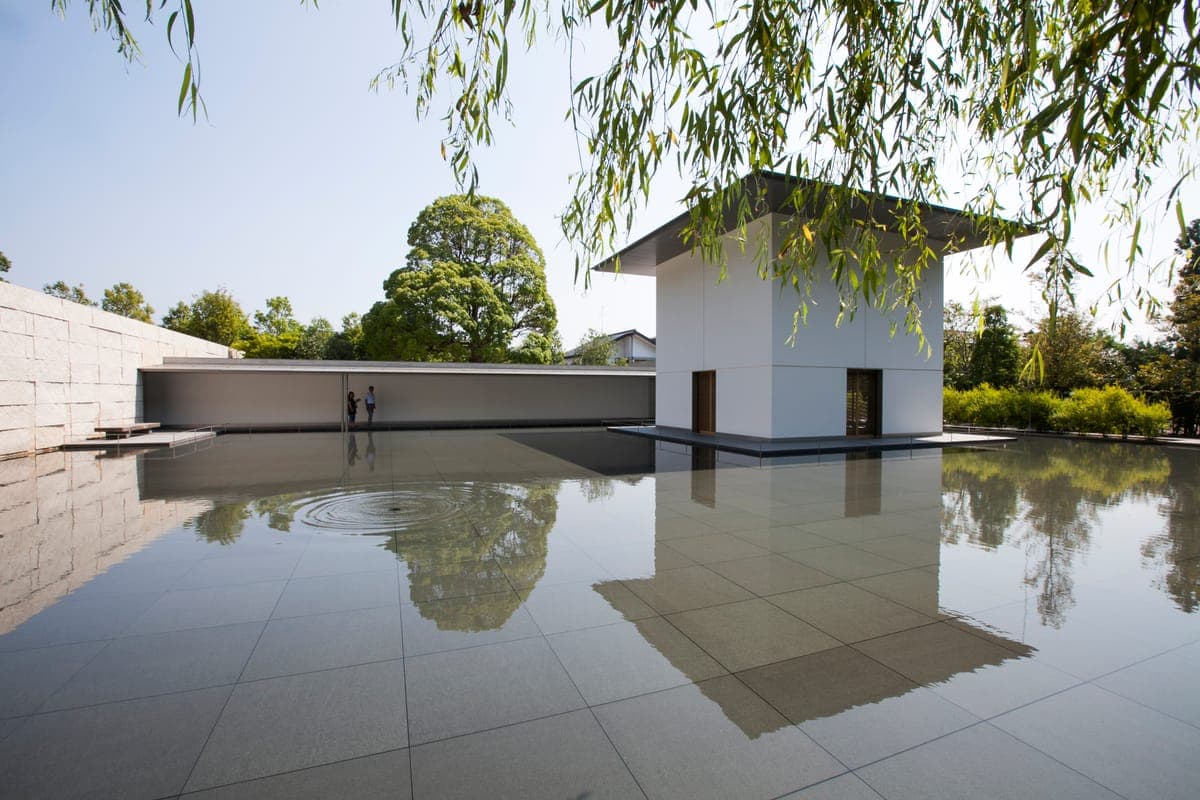
Cross to the Sea of Japan coast for Kanazawa, the Alps route's cultural payoff. Kenroku-en is counted among Japan's three great landscape gardens — trees, ponds, and seasonal color designed to look right in every season — yet stays gentler than Kyoto's temple gardens. Pair it with the D. T. Suzuki Museum, a spare Yoshio Taniguchi building whose Water Mirror Garden — a still reflecting pool the concrete Contemplative Space seems to float on — is one of the country's most quietly meditative modern spaces. Getting there: Both are a short bus ride from Kanazawa Station (about 15 minutes to Kenroku-en). Kenroku-en admission ¥320 (free during early-morning hours before regular opening); D. T. Suzuki Museum ¥310, closed Mondays.
Day 6 — Kyoto: Tō-ji Temple
Into Kansai and Kyoto. Tō-ji, a UNESCO World Heritage site and Shingon Buddhism's headquarters since 796, is crowned by Japan's tallest wooden structure — a 55-metre, five-storey pagoda. Most visitors photograph the pagoda and leave; if your dates allow, come on the 21st of the month, when the grounds fill with the beloved Kōbō-san flea market and its hundreds of antique, craft, and food stalls — one of the most authentic local markets in Japan. Getting there: A 15-minute walk from Kyoto Station, or 5 minutes from Tōji Station on the Kintetsu Kyoto Line; about 9 minutes by car from Kyoto Station. Admission ¥800 to enter the Kondō (main hall) and Kōdō (lecture hall).
Day 7 — Nara: Kōfuku-ji National Treasure Museum & Isui-en
Finish with a short hop to Nara. Beside Kōfuku-ji's much-photographed pagoda sits a low modern hall most people never enter — the National Treasure Museum, home to the 8th-century Ashura statue, a three-faced, six-armed dry-lacquer figure from 734, shown alongside dozens of other National Treasures for close viewing. Then slip five minutes off the deer-and-temple path to Isui-en, Nara's only strolling garden, where "borrowed scenery" frames Mount Wakakusa and Todai-ji's rooftops in the distance — often nearly to yourself. Getting there: The National Treasure Museum is a 6-minute walk from Kintetsu-Nara Station; admission ¥900 (cash only), or ¥1,600 combined with the Tōkondō and Chūkondō. Isui-en is about a 20-minute walk from the same station, just outside Todai-ji's Nandaimon gate; closed Tuesdays.
How to string it together
The route follows one logical arc westward, so you're rarely doubling back. Days 1–2 are pure Tokyo on the Metro and Toei subway. Day 3's Hakone detour runs on the Odakyu line and the Hakone Tozan Railway, an easy out-and-back from the city. From Tokyo the Alps leg heads inland to Matsumoto (Day 4), then over to Kanazawa (Day 5) — a city now linked into the national shinkansen network on the Sea of Japan side. From Kanazawa the line carries you down into Kansai for Kyoto (Day 6), with Nara a short local ride away for the final day (Day 7). Kintetsu and JR both connect Kyoto, Nara, and Osaka, so you can fly home from Kansai without returning to Tokyo. Exact train times shift with the timetable — check a current schedule when you book seats — but the sequence itself needs no backtracking.
Keep exploring
- Japan Alps: Nagano & Gifu — go deeper into the mountain leg of this route.
- Autumn Leaves Off the Beaten Path — time this itinerary for the October–November color.
- Kyushu Onsen Towns Nobody Knows — where to head next if the hot-spring country calls.
- Tokyo's Hidden Neighborhoods — Give your Tokyo days a local, low-key backbone.
- A 10-Day Slow Japan Route for Returners — Already done the classics? Here's a slower 10-day route for a second trip.
- Hidden Japan With Kids — the same hidden-side approach, with children in tow.
Ready to plan? Build your own hidden-Japan itinerary → — our trip generator turns any of these spots into a day-by-day route.