Multi8 min read
A 10-Day Slow Japan Route for Returners
A second trip to Japan 10 day off the beaten path itinerary — a slow westward arc from Hiroshima through Shikoku to Kyushu's coast and islands.
Best time: Apr–May or Oct–Nov
You've done Tokyo. You've done Kyoto. You've stood in the crowd at Fushimi Inari and decided that next time would be different. This is next time. If you're planning a second trip to Japan and want a 10 day off the beaten path itinerary that trades famous names for quiet ferries, empty trails, and towns that never make the highlight reels, point yourself west. This slow arc runs from the mountains of western Hiroshima across the Seto Inland Sea into deep Shikoku, then over to Kyushu — down through the Aso caldera, out to the dolphin coast, and finally onto the churches-and-castles islands off Nagasaki. Ten days, one direction, no backtracking to a bullet-train hub every night. Rent a car where the roster calls for it, and let the country get slower and stranger the further west you go.
Day 1 — Kurobuchi, Sandankyo Gorge (Hiroshima)
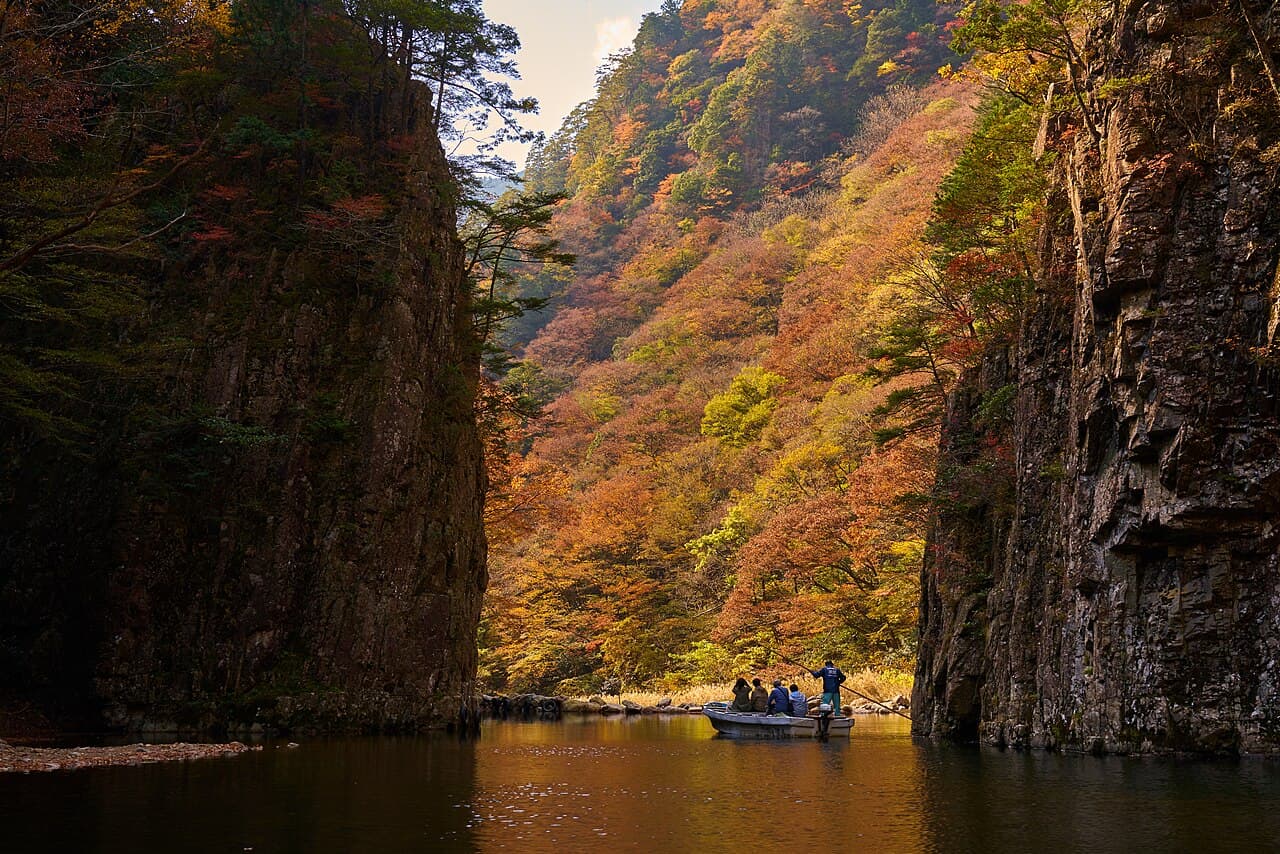
Start where most day-trippers turn back. Kurobuchi, the "Black Pool," is one of Sandankyo Gorge's five celebrated scenic spots — a deep emerald-black pool set against sheer cliffs on a bend of the Shiwagi River. A small hand-poled ferry carries you across the still water to a riverside teahouse serving grilled sweetfish and noodles. The primeval forest crowding the walls makes it especially vivid in autumn, and because it sits about 2.5 km up the trail, the crowds thin to almost nothing. Getting there: Walk about 2.5 km up the main trail from Sandankyo's front entrance (Shomen-guchi), reached by Hiroden bus from Hiroshima or by car to the Akiota-cho trailhead parking. The Kurobuchi ferry runs seasonally, roughly spring through autumn.
01Ehimehidden gem
Day 2 — Saijo Uchinuki Springs (Ehime)
西条のうちぬき
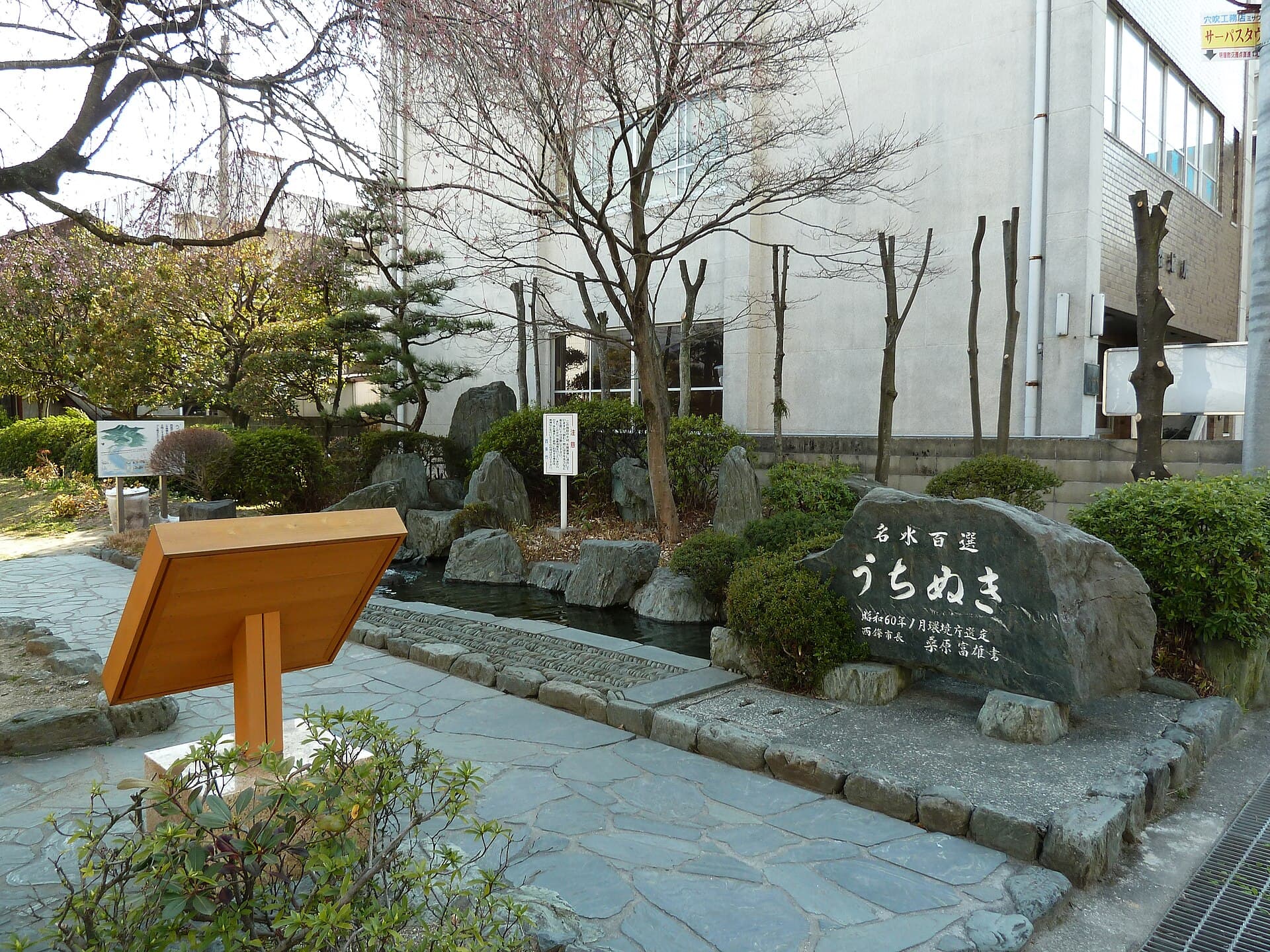
Cross the Inland Sea into Shikoku and slow right down in Saijo, a city that floats on water. Fed by runoff from Mount Ishizuchi, the aquifer here is so productive that residents simply drove iron pipes into the ground to tap self-flowing artesian water — some 3,000 of these uchinuki wells still gush across town. The water was ranked Japan's best-tasting in national competitions and is one of the country's Top 100 Famous Waters; locals still queue with jugs at public taps like the Meisui Hyakusen monument. Getting there: Walk or cycle from JR Iyo-Saijo Station; several public draw-points are marked on the city's "Uchinuki Map," with free water available to fill your own bottle.
02Ehimehidden gem
Day 3 — Nametoko Gorge (Ehime)
滑床渓谷
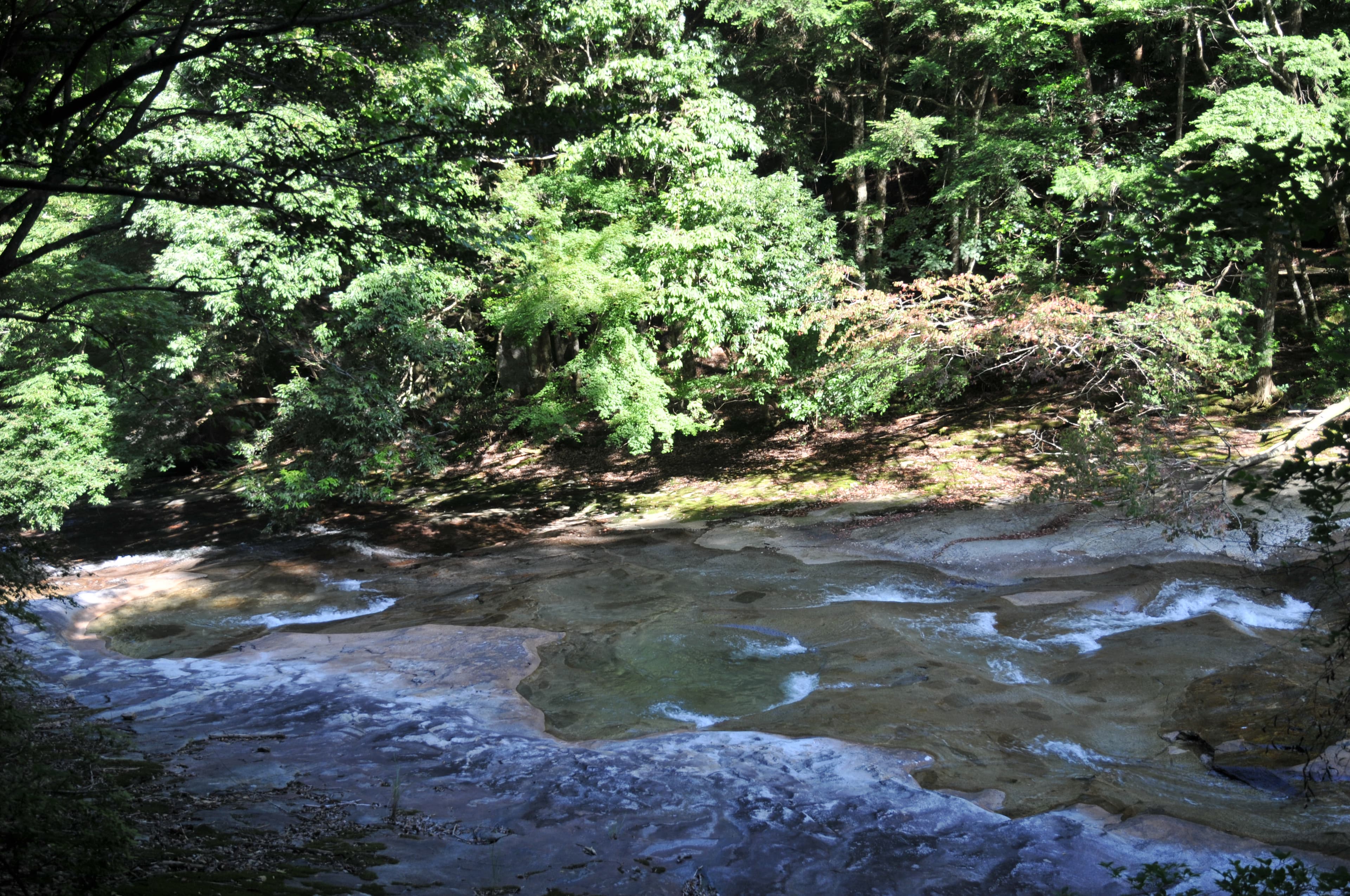
Drive southwest into Ashizuri-Uwakai National Park for one of Shikoku's great hidden landscapes. Nametoko is a 12 km granite gorge along the upper Meguro River, famous for smooth, slide-like eroded riverbeds and clear emerald pools. Its signature is Yukiwa-no-taki, an 80-metre waterfall sliding down a single granite slab, ranked among Japan's Top 100 Waterfalls. It stays quiet because it's car-only and roughly an hour from the nearest city — genuine remoteness, not manufactured obscurity. Getting there: No public transit reaches the gorge; a car is required — about 20–35 min from JR Matsumaru Station via Route 381, or 30 min from Uwajima-Asahi IC. Reaching the waterfall is roughly a one-hour mountain walk from the trailhead. Free entry and free parking at the Mannenso visitor center.
03Fukuokahidden gem
Day 4 — Shika Island (Fukuoka)
志賀島
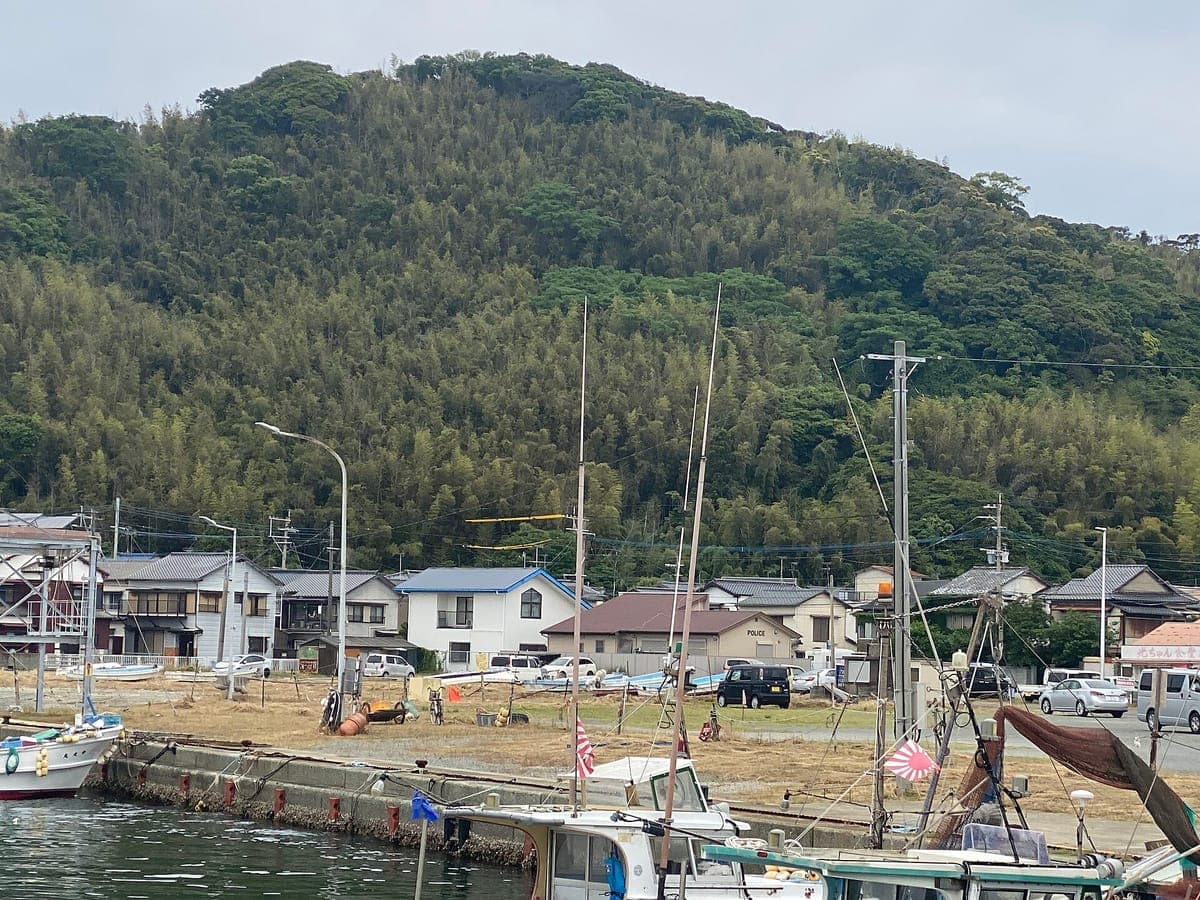
Cross to Kyushu and ease in on a small island loop. Shikanoshima is just 11 km around, connected to the Fukuoka mainland by the scenic Umi no Nakamichi causeway. This is where the 2,000-year-old Gold Seal of the King of Na — a national treasure granted by Han China — was unearthed in 1784. Beyond Shikaumi Shrine, the reward is the quiet fishing-village lanes off the main coast road, with views across Hakata Bay in every direction. Most visitors circle by car in twenty minutes and miss them entirely. Getting there: Take the ferry from Bayside Place Hakata, or a bus via Uminonakamichi. Free to visit — the island is public and the causeway has no toll.
Day 5 — Okitsu-gu Yohaijo, Oshima (Fukuoka)
Ferry out to Oshima for one of Japan's most atmospheric UNESCO sites. The Okitsu-gu Yohaijo is a "distant worship" hall on the island's north shore, built so people can pray toward the sacred island of Okinoshima, roughly 48 km out to sea and off-limits to the public. The present building dates from 1933, but stone markers show worship here since at least the mid-18th century — and on clear days you can glimpse Okinoshima itself on the horizon. It's the only way an ordinary traveller can face the forbidden island. Getting there: From Oshima port it's about a 20-minute walk beyond Nakatsu-gu, or a short drive by rental car or the island bus. The grounds are always open.
04Kumamotohidden gem
Day 6 — Kijimadake & Nekodake, Aso Five Peaks (Kumamoto)
杵島岳
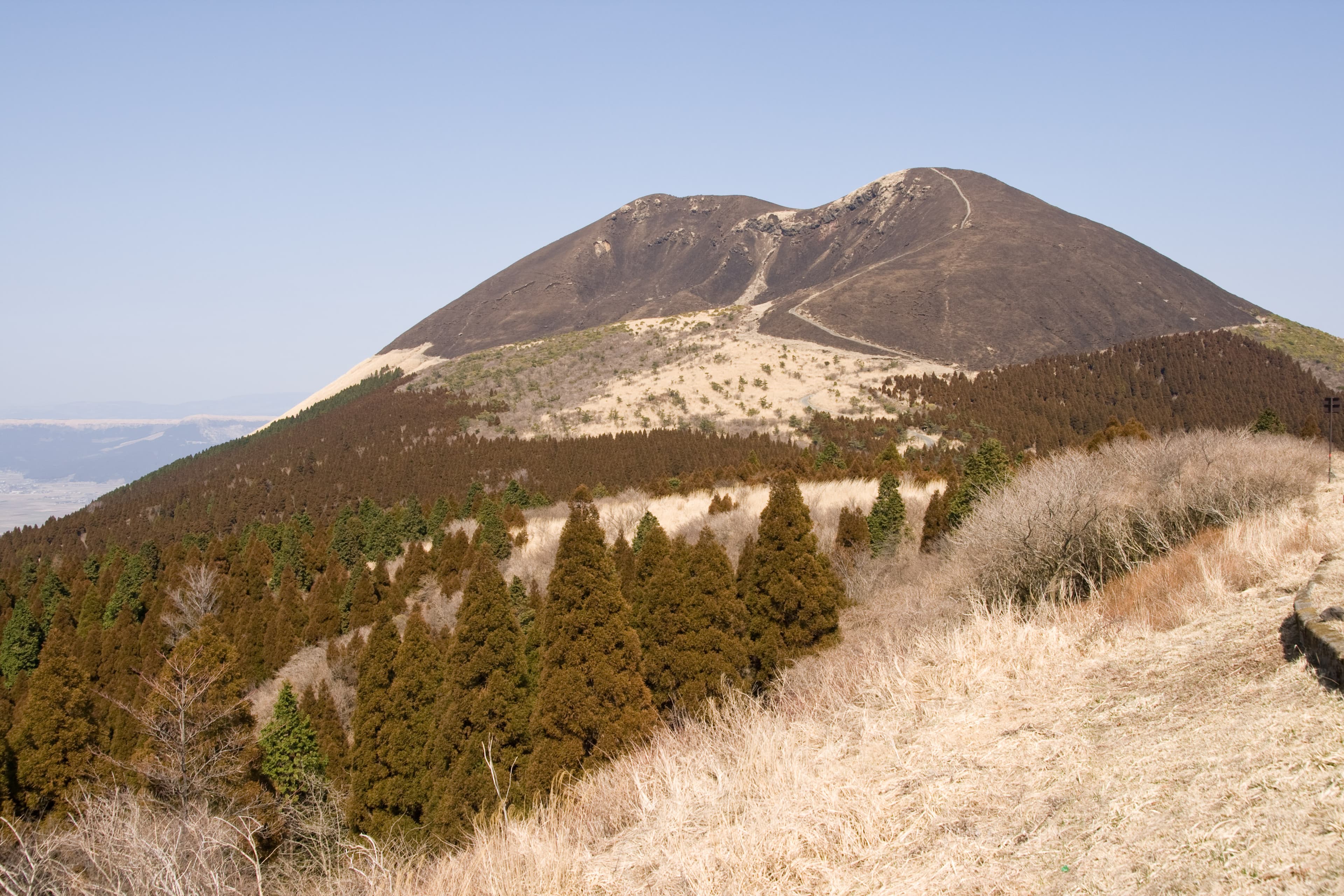
Head south into the vast Aso caldera and give it a full day on foot. Kijimadake is a grass-covered cone and the most accessible of the Aso Five Peaks — a paved trail from the Kusasenri parking area reaches the summit crater rim in about 35–40 minutes, with direct views into the active Nakadake area. For contrast, Nekodake is the jagged, twin-peaked outlier whose serrated ridgeline looks like two cat ears from the caldera floor — a moderately technical day hike that most people only ever photograph from a distance.
Getting there: For Kijimadake, take the Sanko Bus 26 min from JR Aso Station to the Kusasenri stop, then ~40 min on foot. Nekodake has no direct bus — reach it by car/taxi (40–50 min from JR Aso Station); note that as of 2026 only the Hakoishi-Tsuruioone route from the Aso City side is open. Both trails are free; Kusasenri parking runs about ¥500.
05Kumamotohidden gem
Day 7 — Aoi Aso Shrine, Hitoyoshi (Kumamoto)
青井阿蘇神社
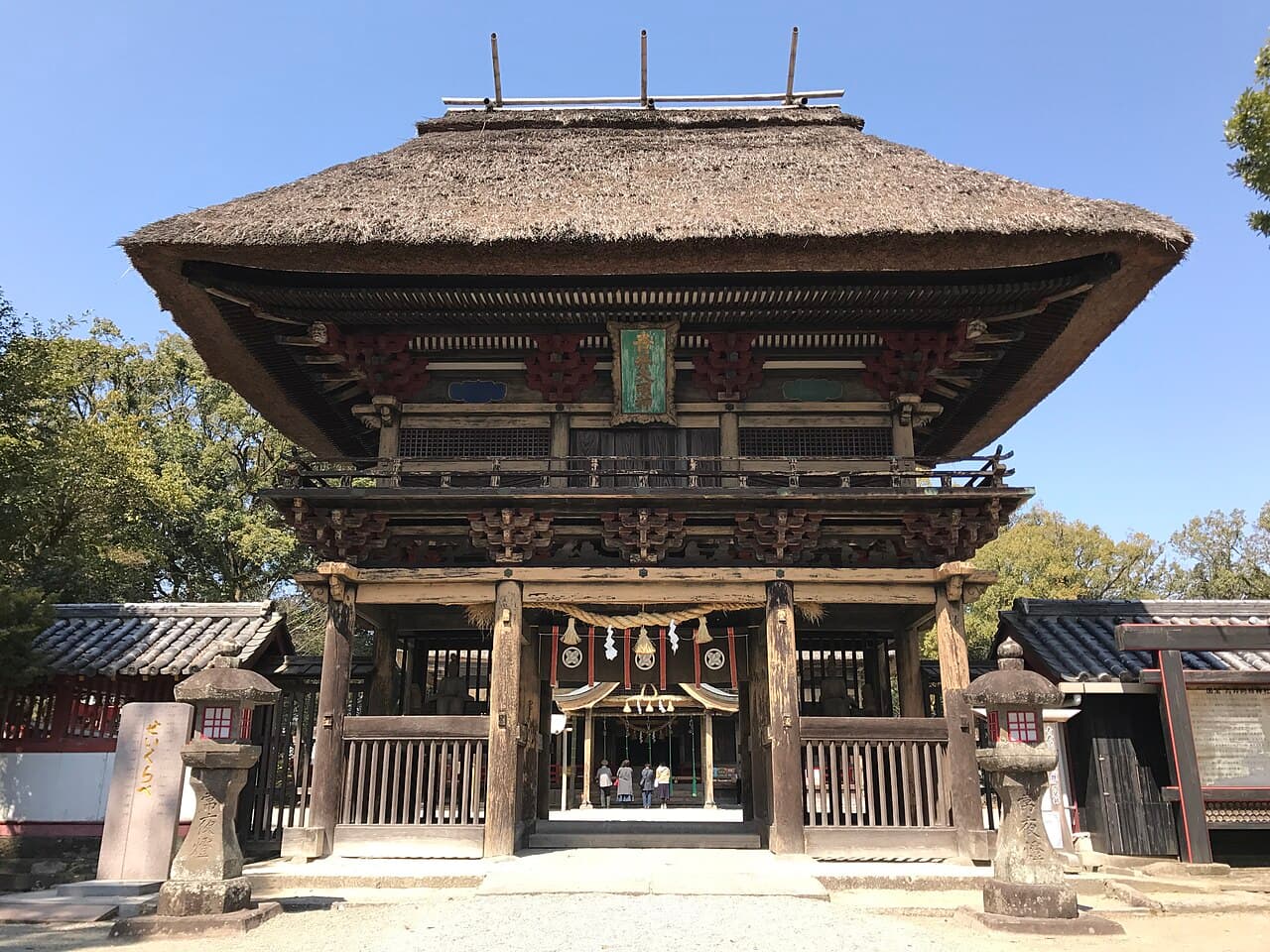
Follow the valley south to Hitoyoshi, a mountain-ringed castle town, for the only National Treasure shrine complex in southern Kyushu. Founded in 806, Aoi Aso Shrine's thatched-roof main hall, worship hall, gate and corridor form a group of five designated National Treasures. The grounds were flooded to over four metres in the 2020 Kuma River disaster, but the treasure buildings survived largely intact, and the vermilion bridge and shrine have since been fully restored. Getting there: About a 10-minute walk from JR Hitoyoshi Station, reached via connecting rail and bus services after the 2020 flood line repairs. Grounds open daily; the shrine office runs roughly 8:30–17:00.
06Kumamotohidden gem
Day 8 — Amakusa Dolphin Watching, Futae Port (Kumamoto)
天草市イルカセンター(道の駅 ドルフィンピア)・二江港
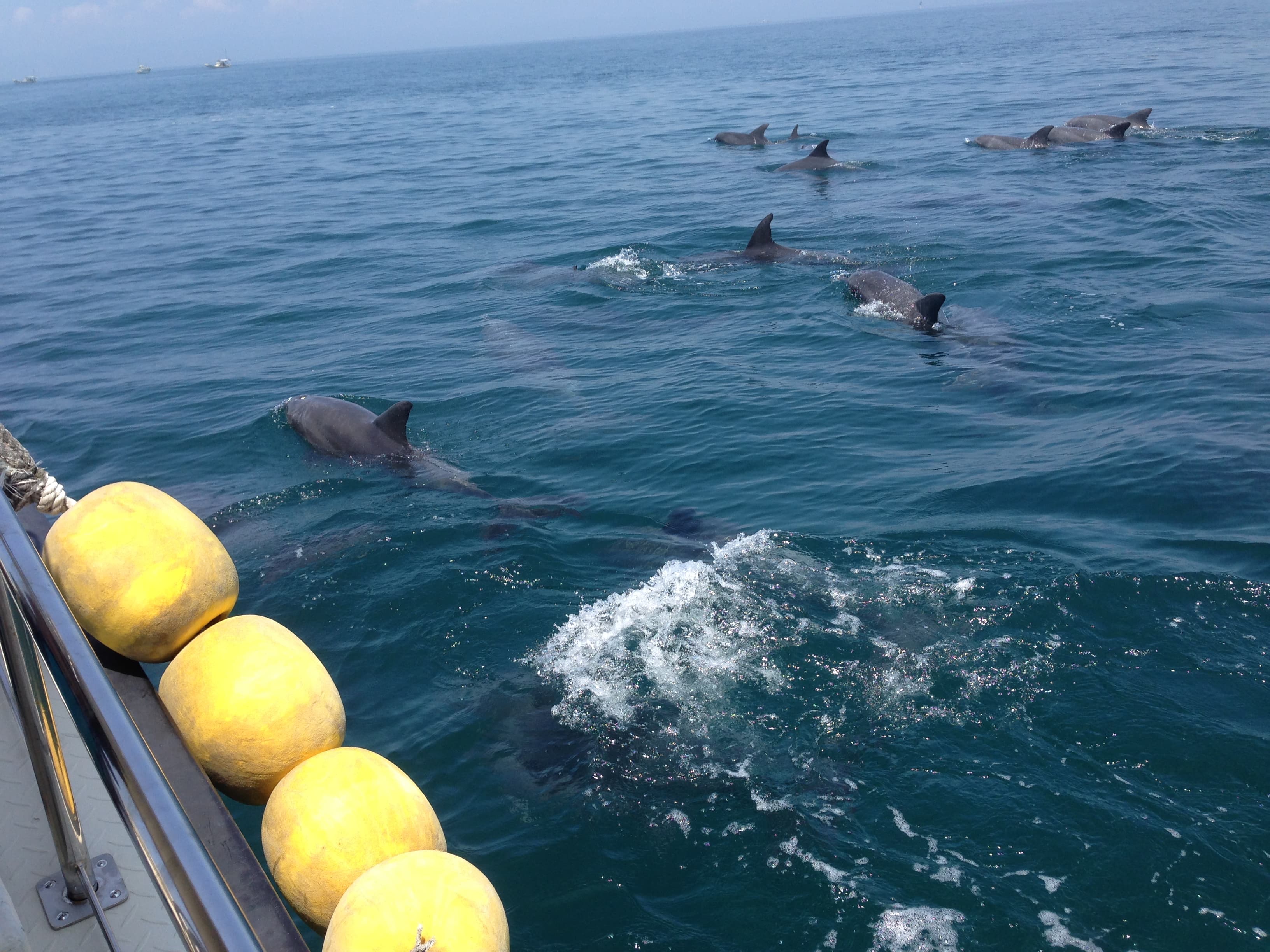
Cut west to the Amakusa coast for one of Japan's most reliable wild-dolphin encounters — a resident, non-captive pod of roughly 200 bottlenose dolphins living in the Hayasaki Strait, about 10 minutes offshore. Licensed operators run 60-minute cruises from Futae Port with a widely cited 90%-plus sighting rate (95%-plus in peak season). It's essentially unknown outside Kyushu travel circles, which is exactly why you're here. Getting there: No train; a car is strongly recommended to reach the northwest coast of Amakusa Kamishima. By bus, take the ~40 min route toward Iogo/Ryōhoku to the Futae Elementary School stop, then a 2-min walk. The roadside station is free; boat tickets run about ¥3,000 for adults (roughly 10% off with advance online booking).
07Nagasakihidden gem
Day 9 — Hirado Castle & Dutch Trading Post (Nagasaki)
平戸城
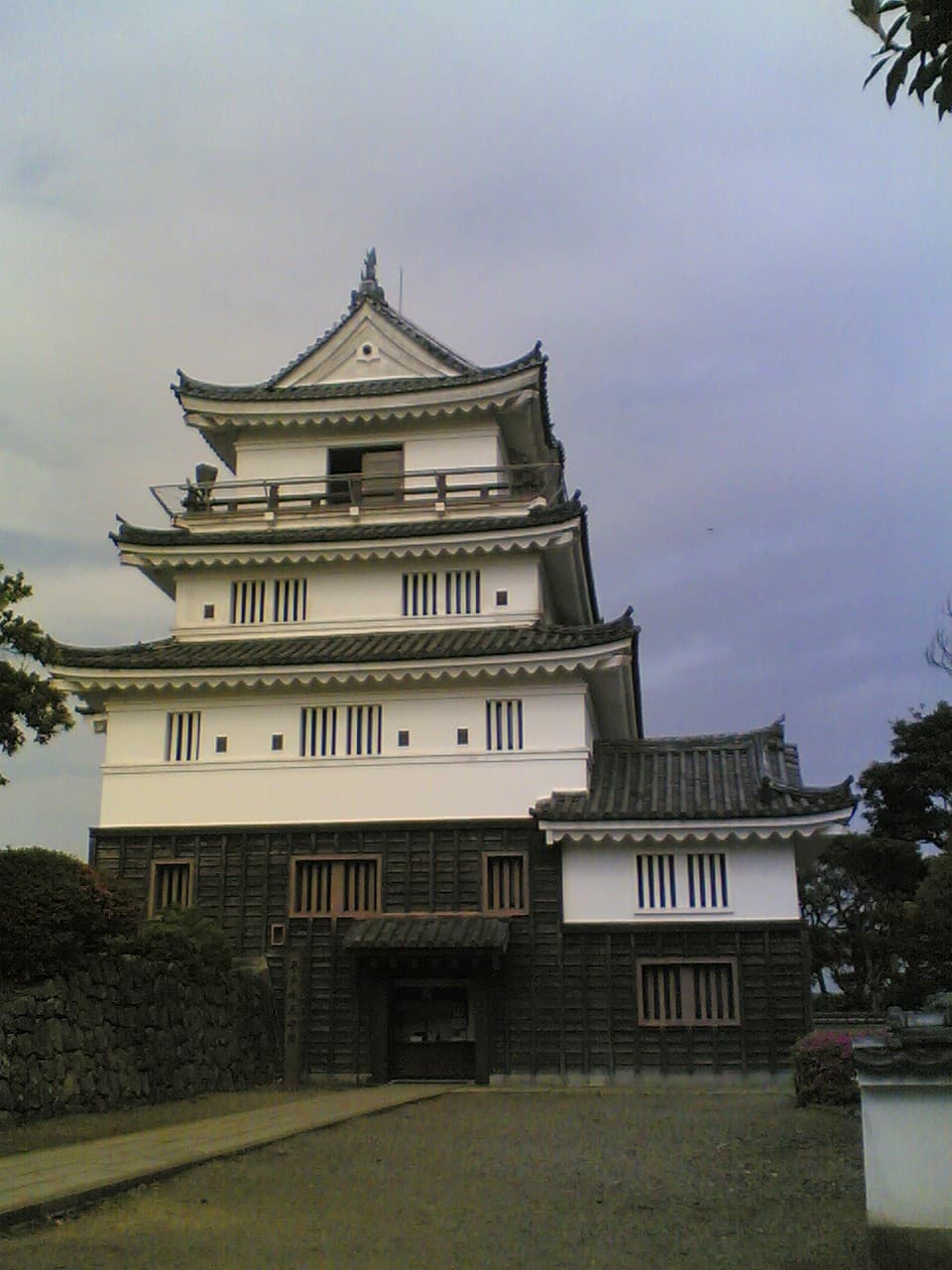
Work north up the coast to Hirado, far off the main Kyushu circuit in remote northwest Nagasaki. Hirado Castle is a hilltop seat of the Matsura clan overlooking the strait; the keep is a 1960s reconstruction, but the original stone walls and the Kaijo-yagura turret survive, and the ramparts sweep over the harbour and the Hirado Ohashi bridge. Down on the waterfront, the Hirado Dutch Trading Post is a faithful reconstruction of the 1639 stone warehouse of the Dutch East India Company — Hirado was Japan's first European trading port, from 1609 to 1641, before the Dutch were moved to Dejima. Getting there: Both are reached from Tabira-Hiradoguchi Station (Matsuura Railway) by Saihi Bus over the Hirado Ohashi bridge to Hirado Sanbashi (~10–15 min), then a short walk — about 15 min to the castle, 10 min along the waterfront to the trading post.
Day 10 — Ishida (Fukue) Castle, Goto Islands (Nagasaki)
End on the water. Take a ferry out to Fukue Island in the remote Goto archipelago for Ishida Castle, also called Fukue Castle — one of the last castles ever built in Japan, completed in 1863, and a rare coastal sea-fortress whose stone ramparts once rose straight out of the tide. Its moats, the restored Kōfuku-ji gate, and the surrounding samurai-quarter walls anchor a walkable pocket of old Fukue town, a fitting last stop on an archipelago most travellers never reach. Getting there: Fukue is reached by ferry from Nagasaki or other Goto islands; the castle is about a 10-minute walk from Fukue Port. Grounds are free (the Kojoen garden, open 9:00–17:00, has a separate fee).
How to string it together
The logic here is west and slightly south, prefecture by prefecture, so you're rarely doubling back. Days 1–3 use Hiroshima and the JR/ferry links across the Inland Sea into Shikoku, but the moment you drop below Saijo you'll want a rental car — Nametoko, and most of what follows, is car country. Cross to Kyushu around Fukuoka, then let the island roll out beneath you: down into the Aso caldera and Hitoyoshi, west to the Amakusa coast, and up the Nagasaki shore to Hirado before the final ferry out to Goto. Several legs — the Oshima, Amakusa, and Goto crossings — are ferries with fixed daily schedules, so build each island around its boat times and treat the days on either side as flexible. Spring (Apr–May) and autumn (Oct–Nov) give you the mildest crossings and the clearest skies for that view toward Okinoshima.
Keep exploring
- The Shikoku slow road — go deeper into the Ehime hinterland you passed through on Days 2–3.
- Kyushu by car: the volcano road trip — extend the Aso and central-Kyushu driving section.
- Nagasaki's hidden heritage — more on the churches, castles, and trading-port history behind Days 9–10.
Ready to plan? Build your own hidden-Japan itinerary → — our trip generator turns any of these spots into a day-by-day route.