Kyushu6 min read
Hidden Nagasaki: Islands, Faith & Volcanic Coasts
Nagasaki hidden gems beyond the city — hidden-Christian sites, old trading ports, Shimabara and Unzen, Hirado and the far Gotō islands.
Best time: Year-round
For centuries Nagasaki was Japan's one window on the outside world — the port where Dutch and Chinese ships tied up, where Christianity arrived and then went underground for two hundred years, and where volcanic peninsulas and far-flung islands hid whole communities from the mainland. Most visitors see the city center and leave. But the real reward here is following those threads outward. These are the Nagasaki hidden gems beyond the city: a reconstructed Dutch warehouse in a forgotten first port, samurai waterways lined with the graves of Christian martyrs, a hell-valley of hissing sulfur, and a sea-fortress on an island four hours from anywhere. This guide strings together nine places across the prefecture — faith and port history running through every one — so you can plan a route that goes deeper than the day-trip crowd ever does.
01Nagasaki
Nagasaki Urakami Cathedral
長崎浦上天主堂
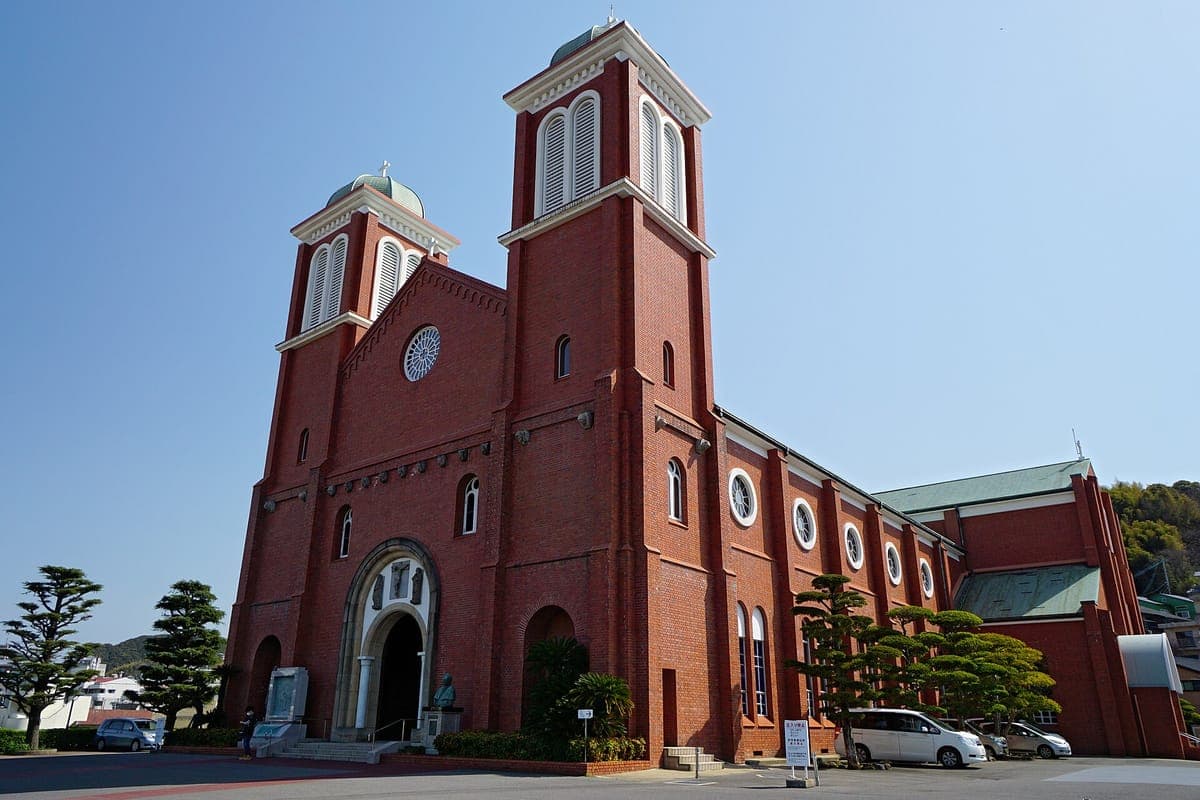
Urakami Cathedral is a stunning reconstruction of the church destroyed in the 1945 atomic bombing, and it stands today as a quiet symbol of resilience beside the serene Hypocenter Park. The Urakami district was the heart of Nagasaki's hidden-Christian community — families who kept the faith in secret for generations — which makes the rebuilt cathedral far more than a landmark. Most travelers rush the famous peace sites nearby and overlook this poignant emblem of recovery and hope. Getting there: From Nagasaki Station, take the tram to Urakami Station; the cathedral is a short walk (Urakami Station, about 23 min on foot). Free (donation box).
02Nagasaki
Sofukuji Temple
崇福寺
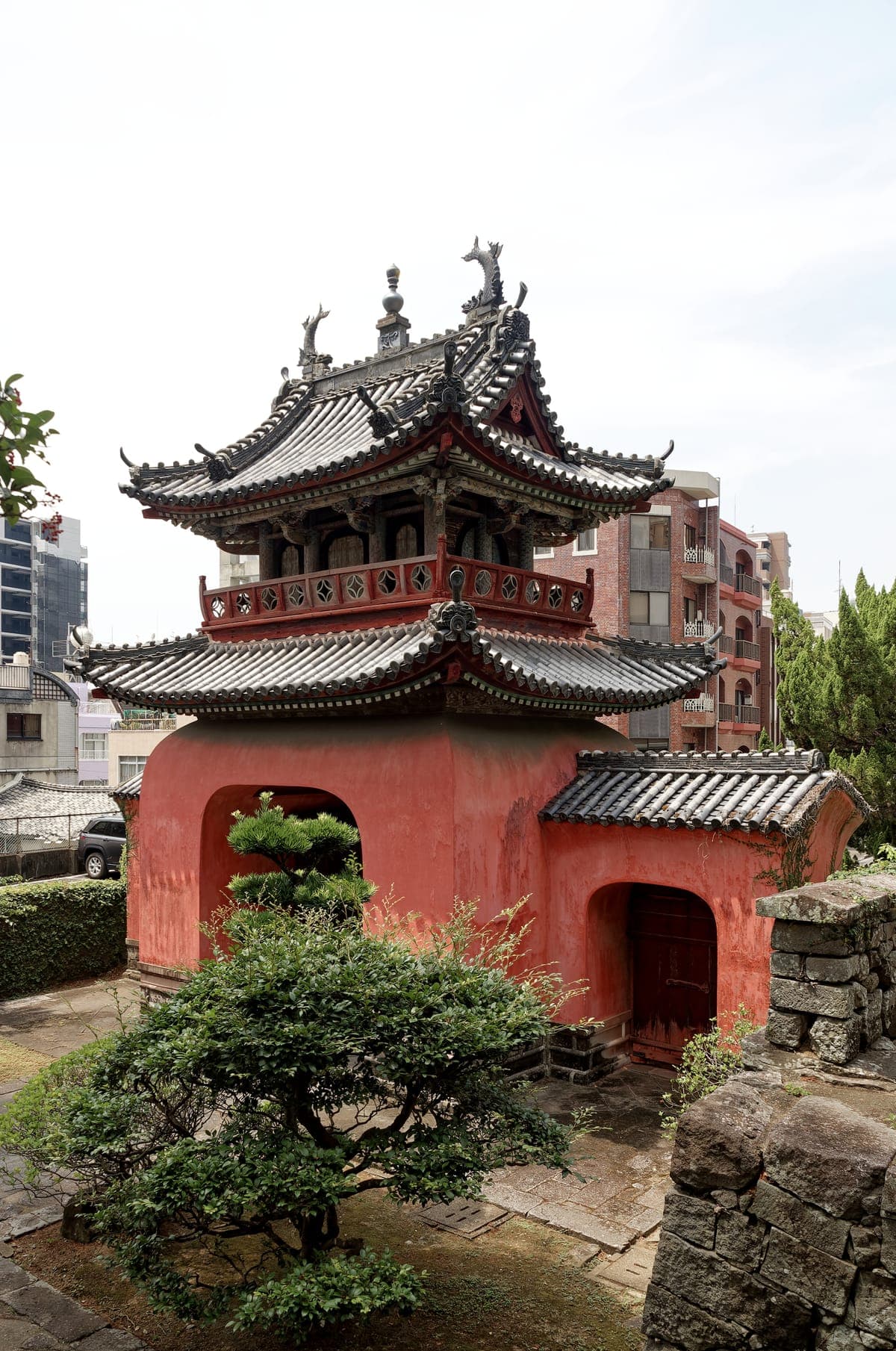
Sofukuji is a serene Ming-style Zen temple founded by Nagasaki's Chinese merchant community — a direct trace of the trading-port ties that shaped the city. Its vermilion Chinese gate, immense cauldron and tranquil gardens feel worlds away from the streets outside, and it offers a peaceful retreat that most visitors skip in favor of more famous stops. Getting there: Easily reached by tram or bus from Nagasaki Station (Nagasaki Station, about 19 min on foot). Open 8:00–17:00. Admission ¥500 (free on the 3rd Sunday of the month). Best year-round.
03Nagasaki
Suwa Shrine
諏訪神社
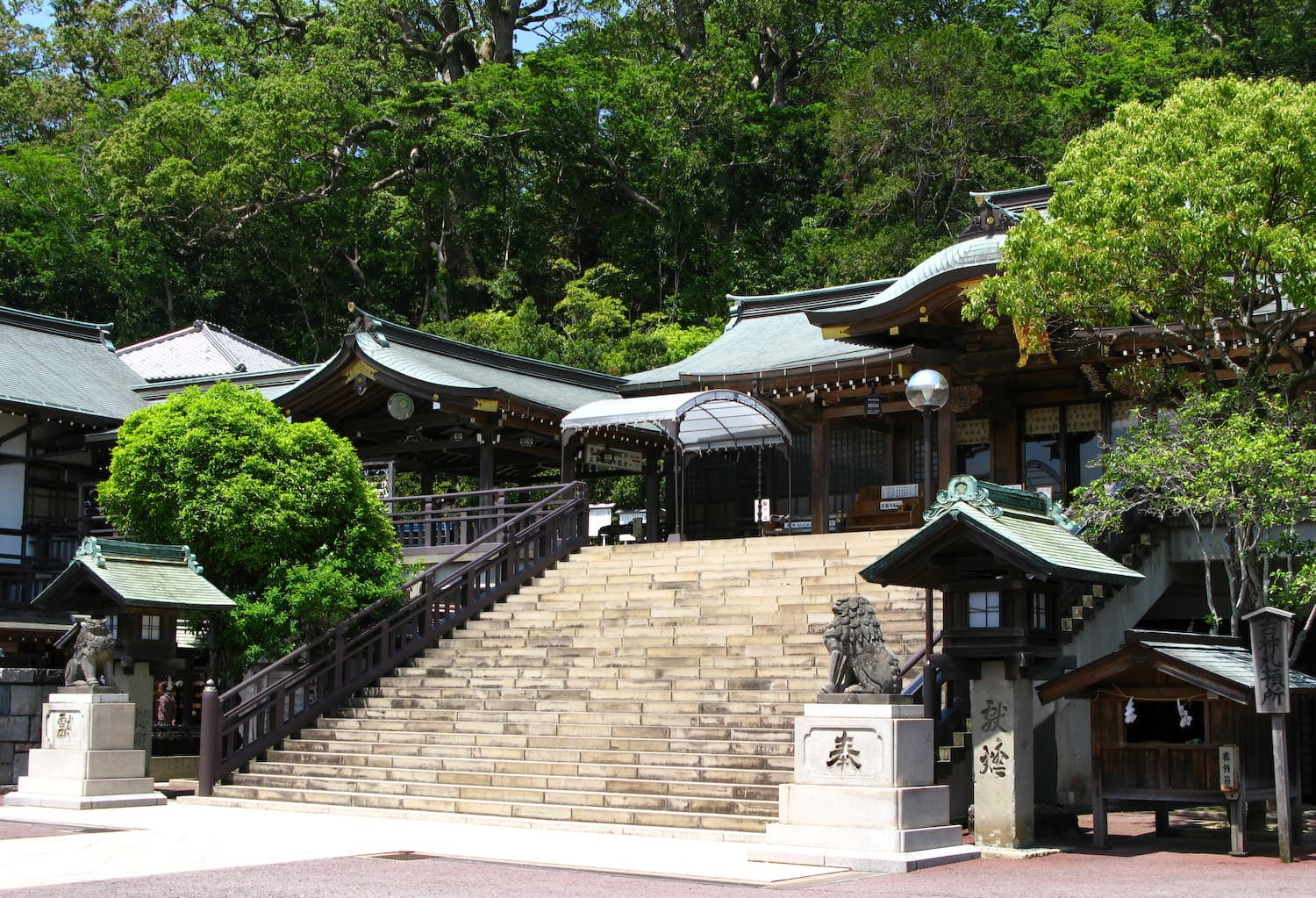
Nagasaki's major Shinto shrine climbs the slopes of Mount Tamazono by way of a 277-step stone staircase. It is the home of Nagasaki Kunchi (October 7–9), one of Japan's most famous shrine festivals, whose dragon dances fold Chinese and Dutch influences into Shinto ritual — the whole trading-port story compressed into three days of performance. Even outside festival season the long approach and hilltop halls make it a rewarding, uncrowded stop. Getting there: About 18 min by tram from Nagasaki Station (Line 3, Hotarujaya-bound), around ¥140, alighting at Suwa Jinja-mae. Open 24 hours. Free (donations welcome).
04Nagasaki
Shimabara Castle Town
島原城下町
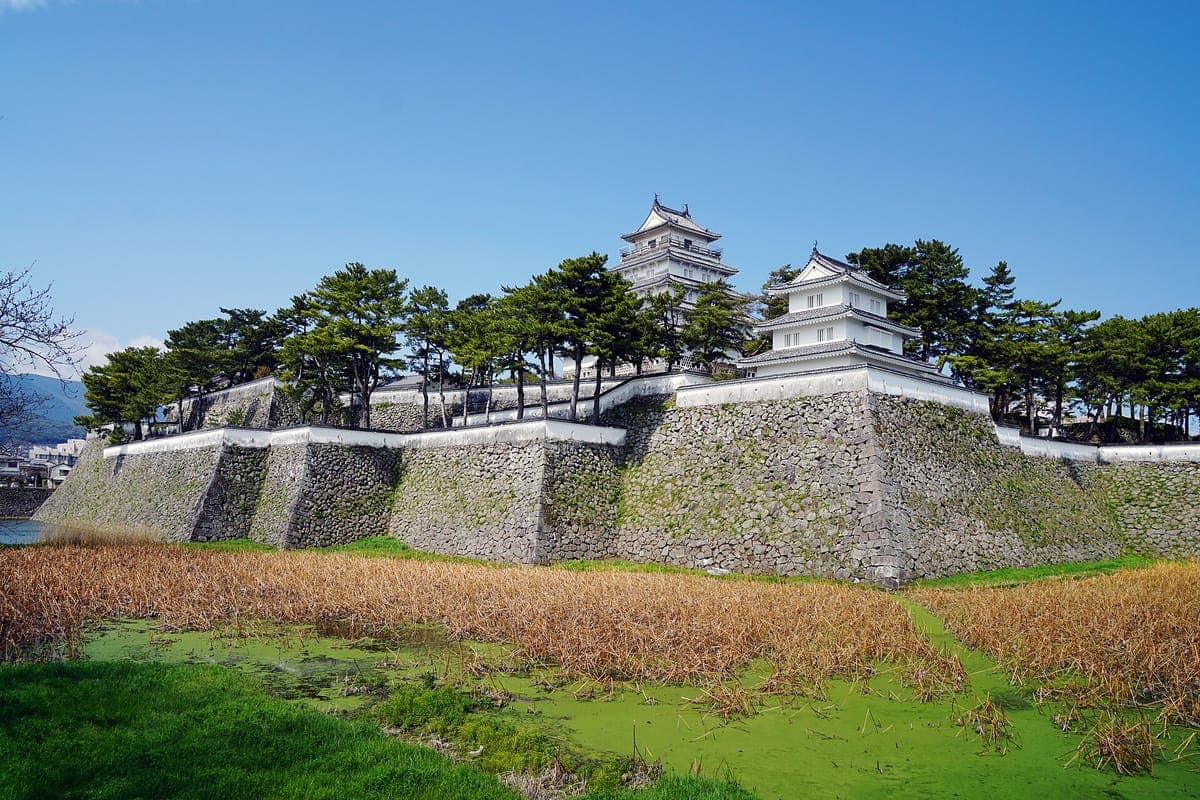
On the Shimabara Peninsula, this old castle town carries one of the heaviest chapters in Japan's Christian history: it was a center of martyrdom during the Edo-period suppression, and the graves of Christian martyrs still lie among its picturesque samurai waterways, where carp now swim in the old channels. Its remote location keeps mainstream travelers away, which is exactly why the atmosphere survives intact. Getting there: From Nagasaki, take the Limited Express to Isahaya Station, then a local train to Shimabara Station (Shimabara Station, about 6 min on foot). Open 9:00–17:30. Best in spring.

05Nagasaki
Unzen Jigokudani
雲仙地獄
Known as "Unzen Hell Valley," this geothermal field of bubbling sulfur springs and roaring steam vents is a raw reminder of Mount Unzen's volcanic power — the same volcano whose 1792 eruption triggered a catastrophic tsunami. The boardwalks wind through hissing, sulfur-yellow ground that few Kyushu itineraries make room for. It pairs naturally with a night in one of Unzen's hot-spring inns. Getting there: From Nagasaki, take a train to Isahaya Station, then a bus up to Unzen (nearest rail: Azuma Station). Open 24 hours. Best in spring and autumn for pleasant weather.
06Nagasakihidden gem
Hirado Dutch Trading Post
平戸オランダ商館
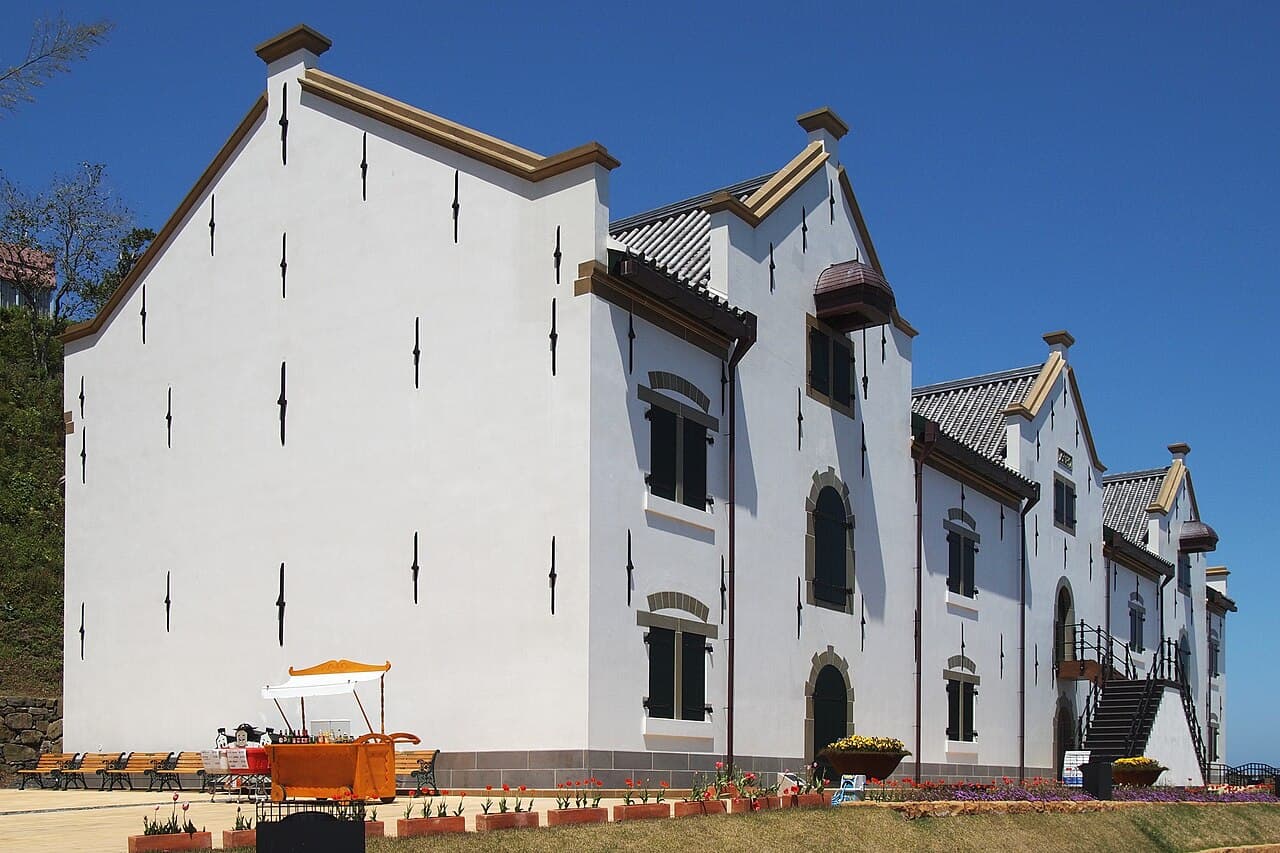
In remote northwest Nagasaki, Hirado was Japan's first European trading port — the Dutch East India Company operated here from 1609 to 1641, before being moved to Dejima. This building is a faithful 2011 reconstruction of the 1639 stone warehouse, standing on its original waterfront site overlooking the Hirado Strait, and it is the oldest Western-style stone structure rebuilt on its original ground in Japan. History-minded travelers overwhelmingly visit Dejima instead and skip this quieter, older source. Getting there: About a 10-minute walk along the waterfront from Hirado Sanbashi bus terminal in central Hirado. Open 8:30–17:30 (closed some days in late June).
07Nagasakihidden gem
Hirado Castle
平戸城
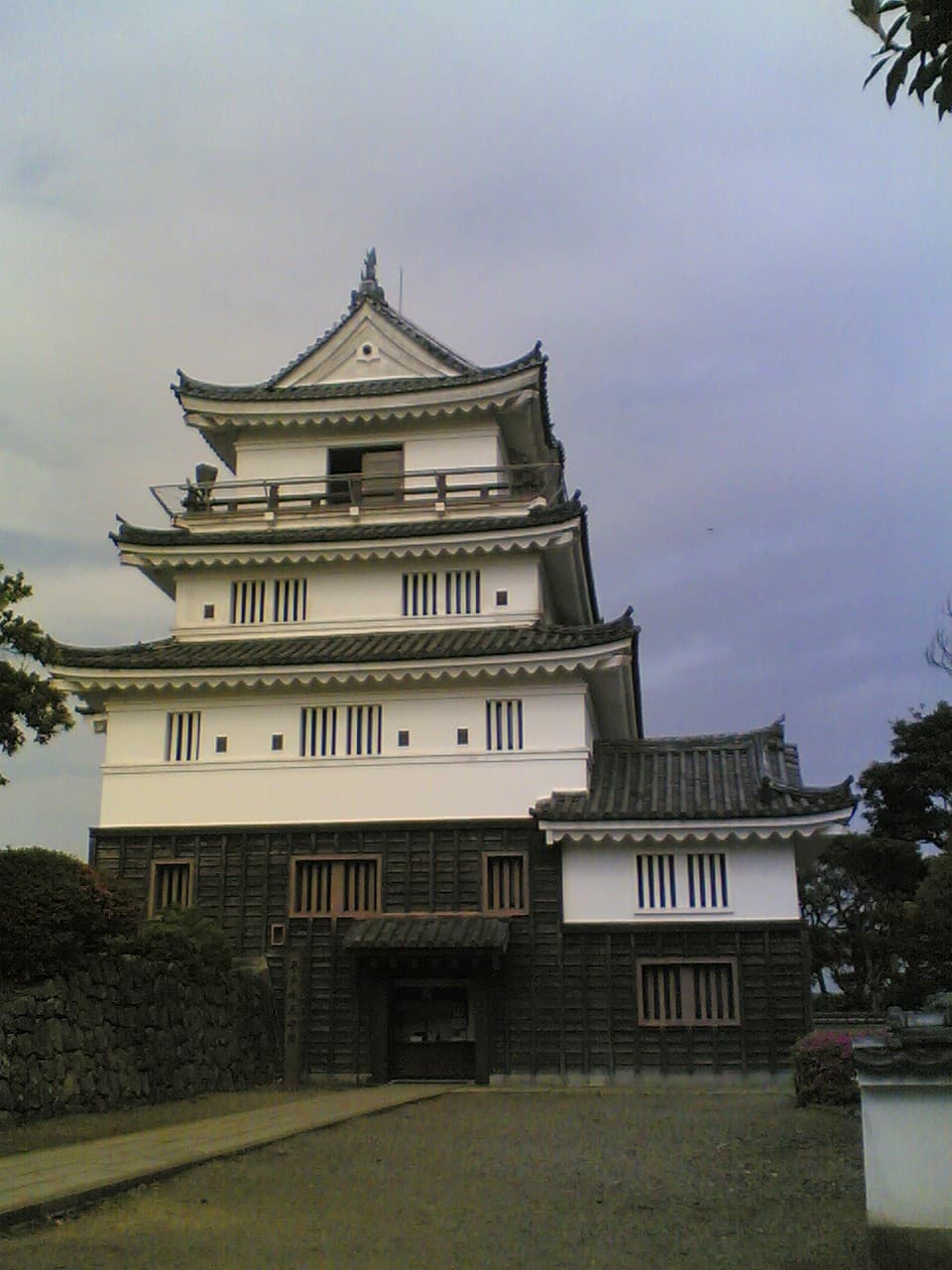
The hilltop seat of the Matsura clan, daimyo of the Hirado Domain, this castle overlooks the strait and the graceful red span of the Hirado Ohashi bridge. The current keep is a 1960s reconstruction housing clan artifacts, but original stone walls and surviving structures like the Kaijo-yagura turret remain, and the ramparts give sweeping views over harbor and town. Far off the main Kyushu circuit, it sees a fraction of the visitors of mainland keeps. Getting there: About a 15-minute walk or short bus ride from Hirado Sanbashi bus terminal, after crossing the Hirado Ohashi bridge from Tabira. Open 8:30–18:00 (shorter in winter). Best in spring.
08Nagasakihidden gem
Hirado Christian Heritage
平戸キリシタン遺産
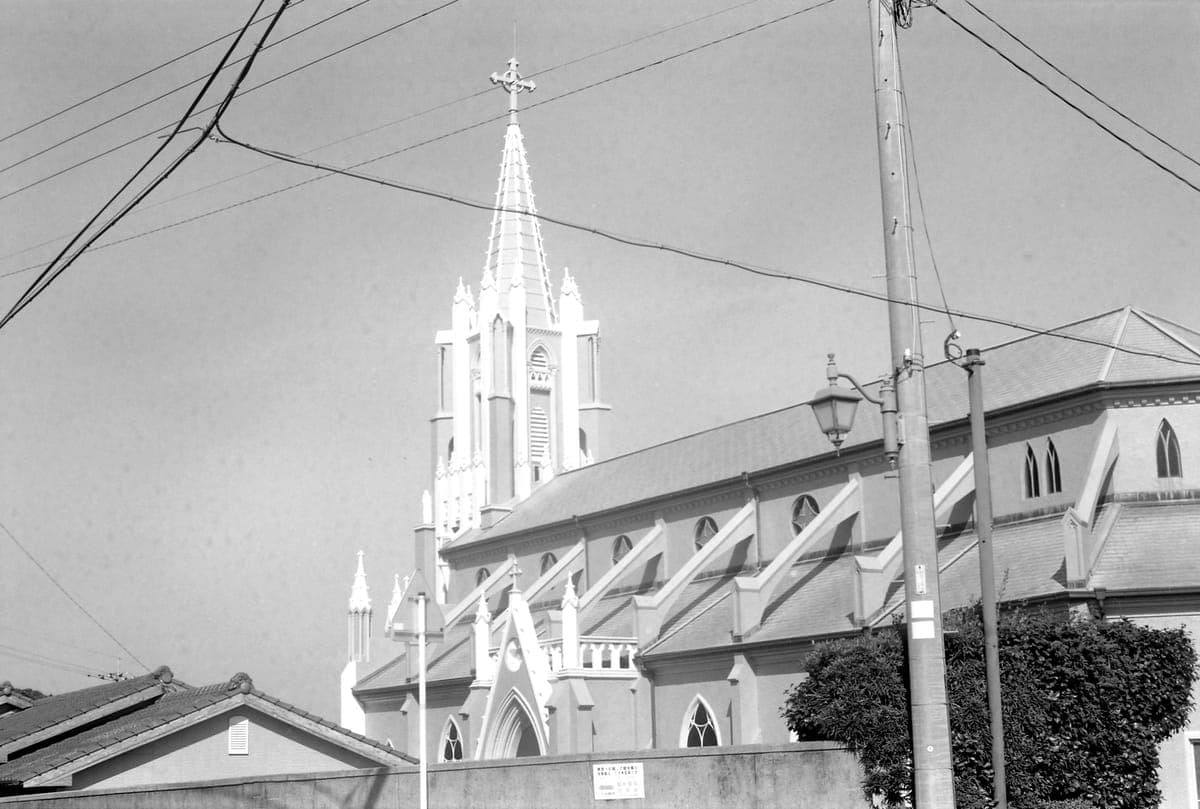
Hirado was where Christianity first took root in Japan, and its heritage sites trace that story across the town and surrounding hills — from the ruins of the early Dutch factory to the churches that later rose above the coast, part of the region's recognized hidden-Christian legacy. The remote setting and the pull of more famous destinations mean most travelers never make it out here. Getting there: From Nagasaki, take a train toward Hirado (nearest rail: Tabirahiradoguchi Station) then a local bus to the heritage sites. Open 24 hours. Best in spring and autumn.
09Nagasakihidden gem
Ishida Castle (Fukue Castle)
福江町探検
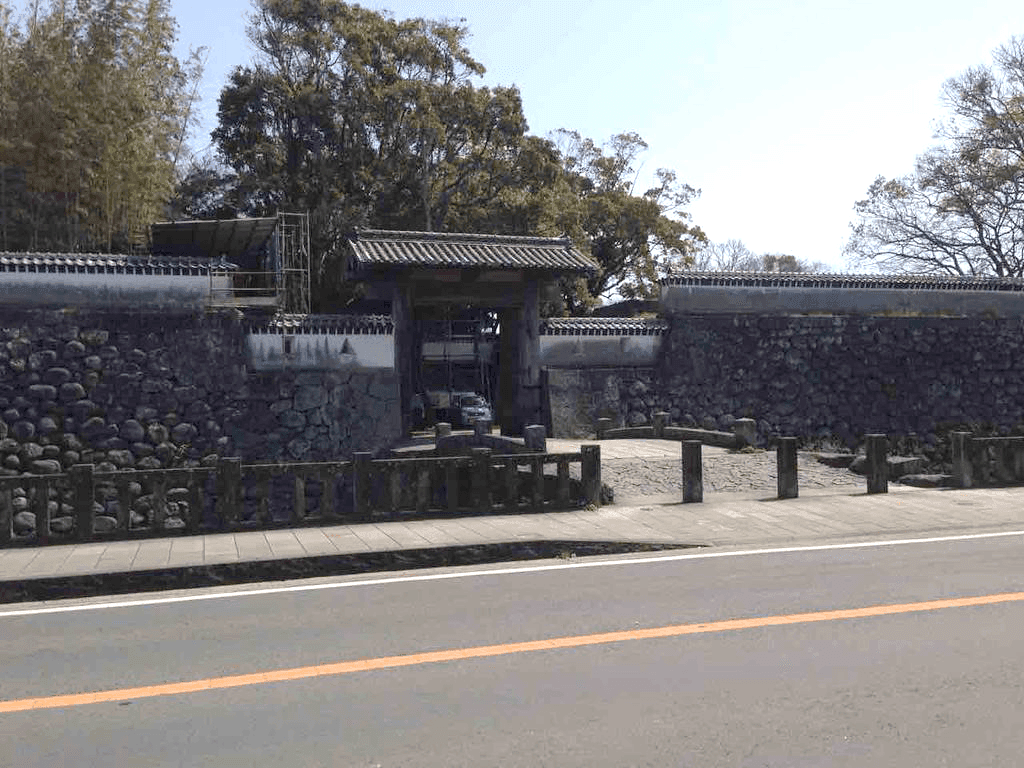
Out in the remote Gotō archipelago, Ishida Castle — also called Fukue Castle — was one of the last castles ever built in Japan, completed in 1863 as the feudal era ended. It was a rare coastal sea-fortress whose stone ramparts once rose straight out of the tide; today its moats, the restored Kōfuku-ji gate and the surrounding samurai-quarter walls anchor a walkable pocket of old Fukue, main town of Fukue Island. The Gotō islands — white-sand beaches and dozens of historic churches — are among the most overlooked corners of Nagasaki, and hidden-Christian communities sheltered here for generations. Getting there: Reached by ferry from Nagasaki or other Gotō islands to Fukue Port, then about a 10-minute walk. Free (garden hours 9:00–17:00, to 18:00 Jun–Sep). Best year-round.
When to go
Nagasaki rewards visitors year-round, but spring and autumn are the sweet spot for the outlying peninsulas and islands: Shimabara Castle Town, Hirado Castle and the Gotō churches are all at their best in spring, while Unzen Jigokudani and the Hirado Christian sites are most comfortable in the milder spring and autumn shoulder seasons. If a festival is your anchor, time your trip to Nagasaki Kunchi at Suwa Shrine, held every October 7–9. The city center sights — Urakami Cathedral, Sofukuji, Suwa Shrine — work in any season and any weather, so save them for the days when ferries to Gotō or buses up to Unzen are less appealing. Give the far reaches their own days: Fukue Island is roughly a ferry ride out and back, and Hirado sits at the far northwest edge of the prefecture.
Keep exploring
- Kyushu onsen towns nobody knows → — pair Unzen's hell valley with soak-worthy hot-spring towns across the island.
- Kagoshima & Miyazaki: the deep south → — carry on down Kyushu to volcanoes, coastlines and southern shrines.
- Japan's secret islands → — more far-flung archipelagos in the spirit of Gotō.
- Setouchi: Art Islands & Port Towns — More historic port towns, out on the Inland Sea.
- Japan's Castle Towns Nobody Visits — Fukue and Hirado are just the start — castle towns the crowds skip.
- Hidden Beaches of Kyushu — the Goto and Tsushima coastlines in full.
Ready to plan? Build your own hidden-Japan itinerary → — our trip generator turns any of these spots into a day-by-day route.