Chugoku/Shikoku6 min read
Setouchi: Art Islands & Inland-Sea Port Towns
A Setouchi art islands and port towns guide to Naoshima, Ogijima, Teshima, Shodoshima and the old Inland-Sea harbours of Onomichi, Mitarai and Tomonoura.
Best time: Spring & autumn
The Seto Inland Sea is Japan's quiet middle — a calm, island-studded stretch of water hemmed in by Honshu, Shikoku and Kyushu, where ferries still do the work that bridges do everywhere else. This Setouchi art islands and port towns guide threads together two kinds of place that share the same tides: the contemporary-art islands that turned fishing communities into open-air galleries, and the Edo-era harbour towns that once sheltered sailing ships waiting for wind and current. Naoshima gets the headlines, but the reward here is going one ferry further — to a near-carless island where cats outnumber visitors, to a bathhouse-lined port at the tip of a bridge chain, to an uninhabited island five minutes off a Ponyo coastline. Spring and autumn are the sweet spot: mild weather, clear light on the water, and lanes you can have almost to yourself. Here are ten Inland-Sea stops worth the hops.
01Kagawa
Naoshima
直島
The island that started it all — an Inland Sea community remade into a contemporary art landscape of Tadao Ando architecture, James Turrell light works, Yayoi Kusama's waterfront pumpkins, and the hillside-embedded Chichu and Lee Ufan museums. Day-trippers from Okayama tend to see only a slice of it; staying overnight unlocks Benesse House and the strange calm of the island after the galleries close and the last ferry leaves. Getting there: Ferries run from Takamatsu Port and Uno Port (Okayama) across to Naoshima's Miyanoura Port; the island's town bus links the ports and museums. Best year-round, though Setouchi Triennale years draw the biggest crowds.
02Kagawahidden gem
Honmura Art Village
本村地区
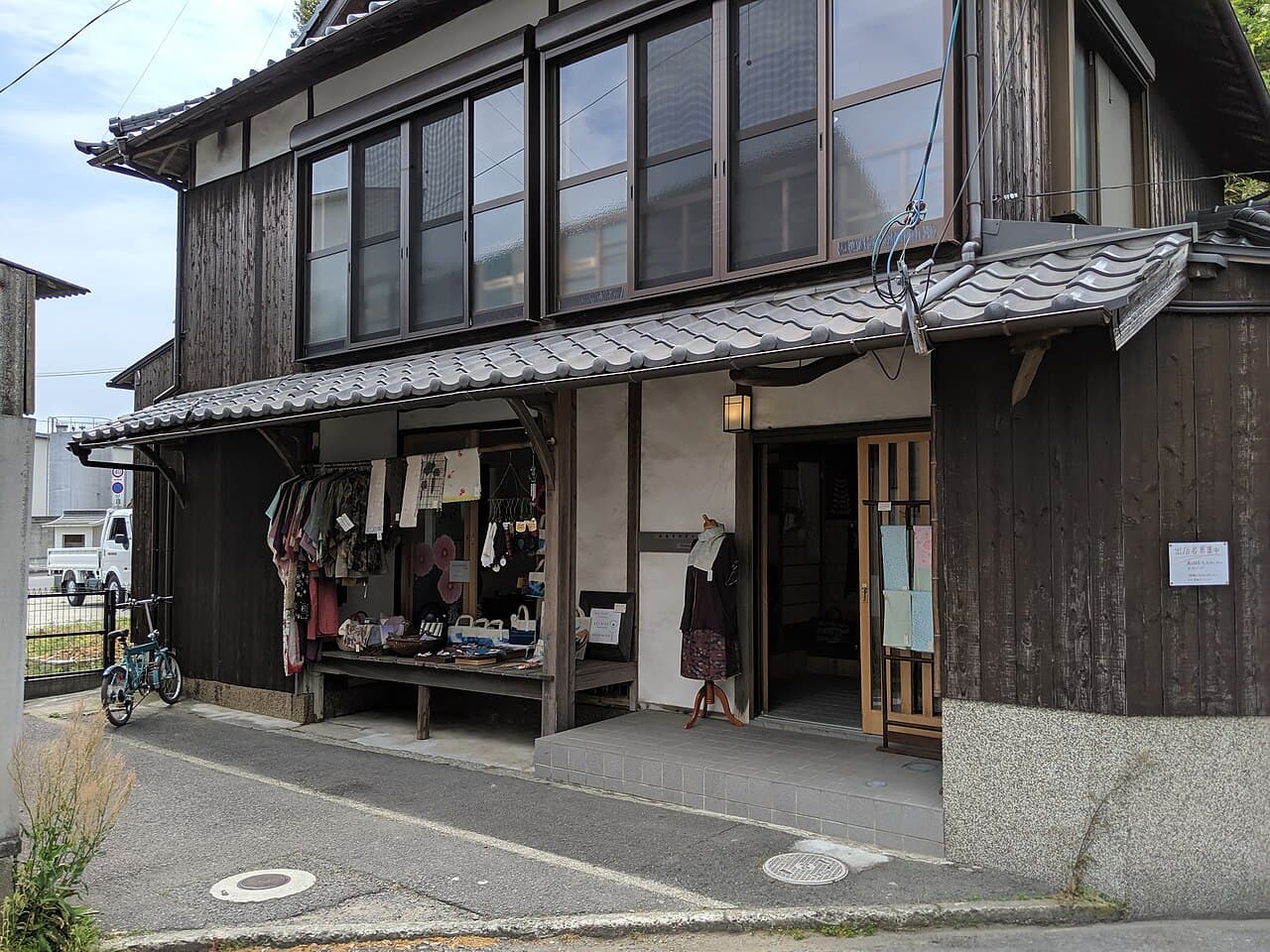
Naoshima's quiet eastern village, where contemporary installations are woven into old homes, shrines and narrow residential streets rather than purpose-built museums. The Art House Project's seven site-specific works — including Minamidera and Go'o Shrine — reward slow wandering, letting you drift between art and everyday village life at a gentler pace than the headline museums. Getting there: Ferry from Takamatsu or Uno Port to Naoshima, then the Naoshima Town Bus toward Tsutsujiso, getting off in Honmura; the Art House sites are walkable from there. Some passenger boats also serve Honmura Port directly, depending on the timetable. Admission ¥1,200 (5-site common ticket; single site ¥600). Best spring and autumn.
03Kagawahidden gem
Ogijima
男木島
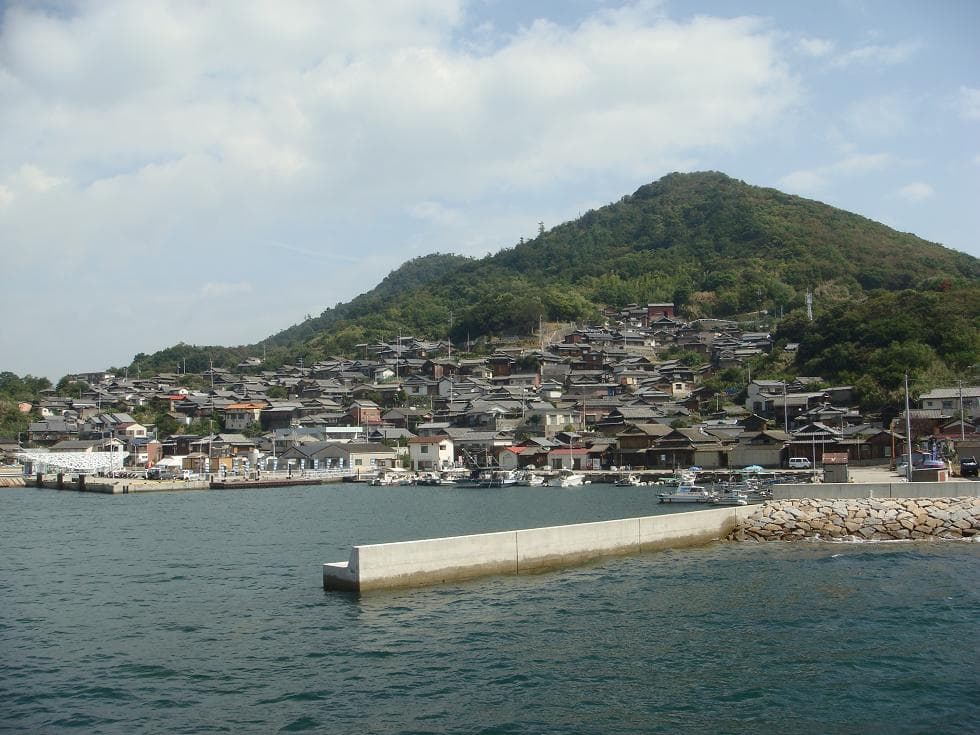
A tiny, near-carless fishing island 40 minutes by ferry from Takamatsu, where steep whitewashed lanes climb from the port past Jaume Plensa's white-shell "Ogijima's Soul" terminal, scattered island artworks and around 200 free-roaming cats, up to a lighthouse and forested summit. It sits squarely in Naoshima's shadow as part of the same Triennale island chain — which is exactly why it stays so quiet, walkable, and free of bikes and cars. Getting there: A 5-minute walk to Takamatsu Port ferry terminal, then the ferry (Shiyujima Kaiun line) to Ogi Port — ¥510 one-way, about 40 minutes, running roughly every two hours. Free to roam.
04Kagawa
Karato Village
唐櫃集落
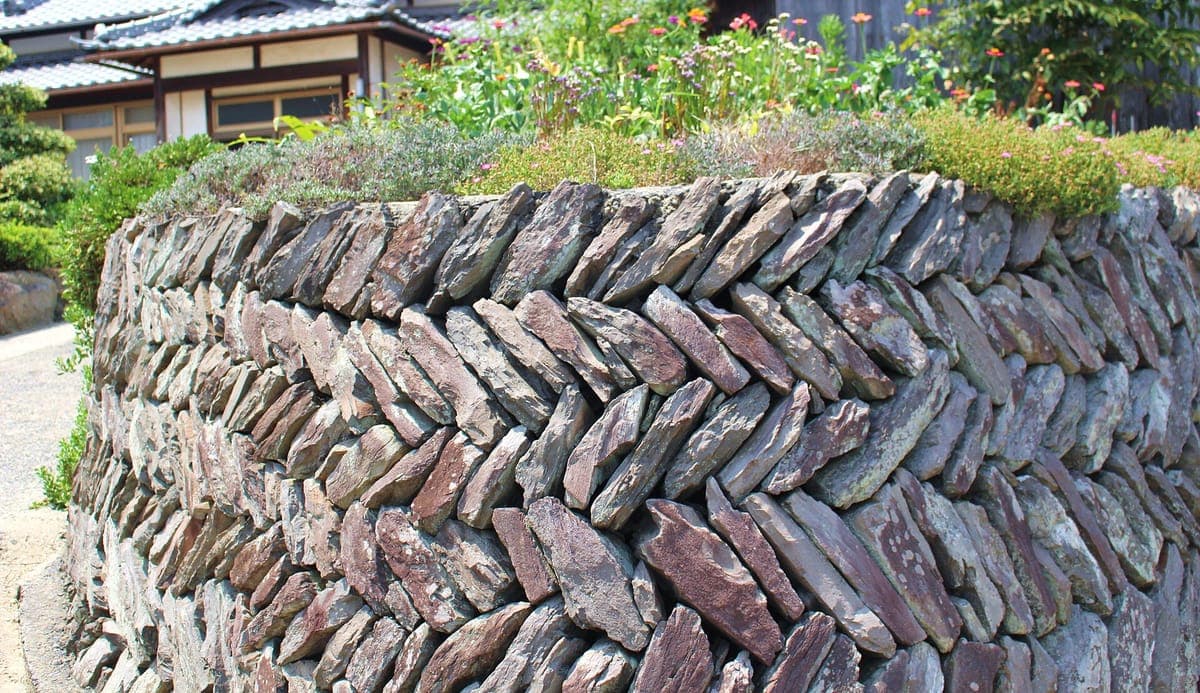
The eastern hamlet of Teshima, tucked below the island's Art Museum, where lanes wind between traditional houses and flower-topped herringbone dry-stone walls. It anchors one end of Teshima's art trail yet stays utterly quiet — a working farming village rather than a set piece, and a reminder that these islands were communities long before they were galleries. Getting there: On Teshima; reach the island by Setouchi ferry, then take the island bus to the Karato stop. Best year-round.
05Kagawa
Shodoshima Olive Park
小豆島オリーブ公園
On Shodoshima, the Inland Sea's olive-growing island, this hillside park pairs a Greek-style windmill with terraced olive groves and wide sea views. Visitors can taste local somen noodles and hunt out the park's connections to the film My Neighbor Totoro — a low-key, family-friendly counterpoint to the more conceptual art islands nearby. Getting there: Ferry from Takamatsu to Shodoshima, then a local bus to the park (about 1h 42m by car from Takamatsu Station if driving via the ferry). Free (on-site onsen separate, ¥700). Best spring.
06Kagawa
Onigashima Cave (Megijima)
鬼ヶ島大洞窟
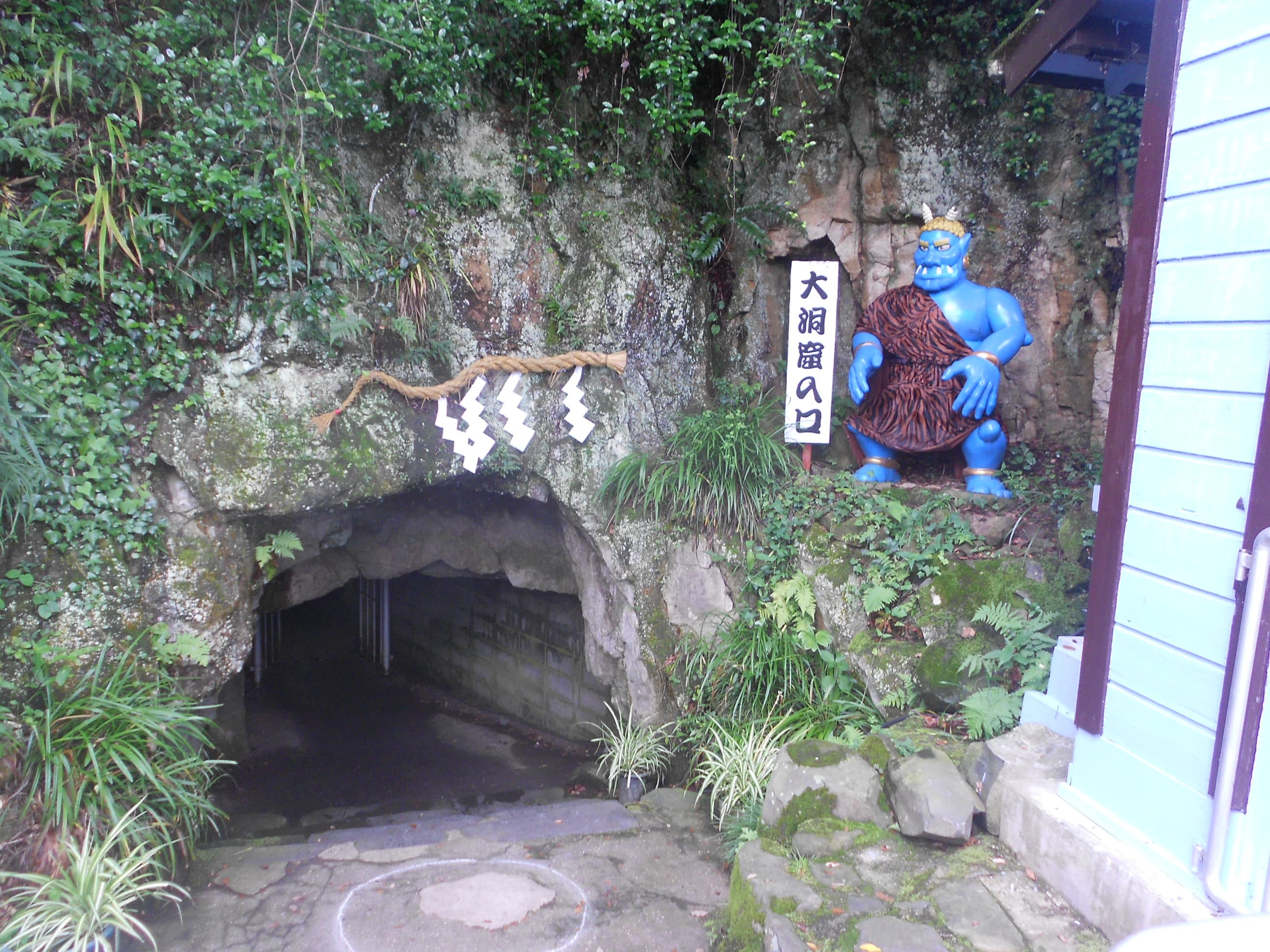
A 400m-deep, 4,000m² cave system near the summit of Washigamine on Megijima, discovered in 1914 and long identified by locals as the "Ogre Island" of the Momotaro folktale. The interior is fitted out as an ogre's lair — great hall, sleeping quarters, guard room — with painted scenes and larger-than-life oni statues. It's a genuinely odd, folklore-driven detour barely 20 minutes off Takamatsu that most visitors have never heard of. Getting there: Ferry from Takamatsu Port to Megijima Port (about 20 min), then a shuttle bus (~10 min) or a 30–45 minute walk to the cave entrance. Admission ¥600 (elementary/JHS ¥300; 65+ ¥500 with ID; preschoolers free).
07Hiroshima
Onomichi Temple Walk
尾道古寺めぐり
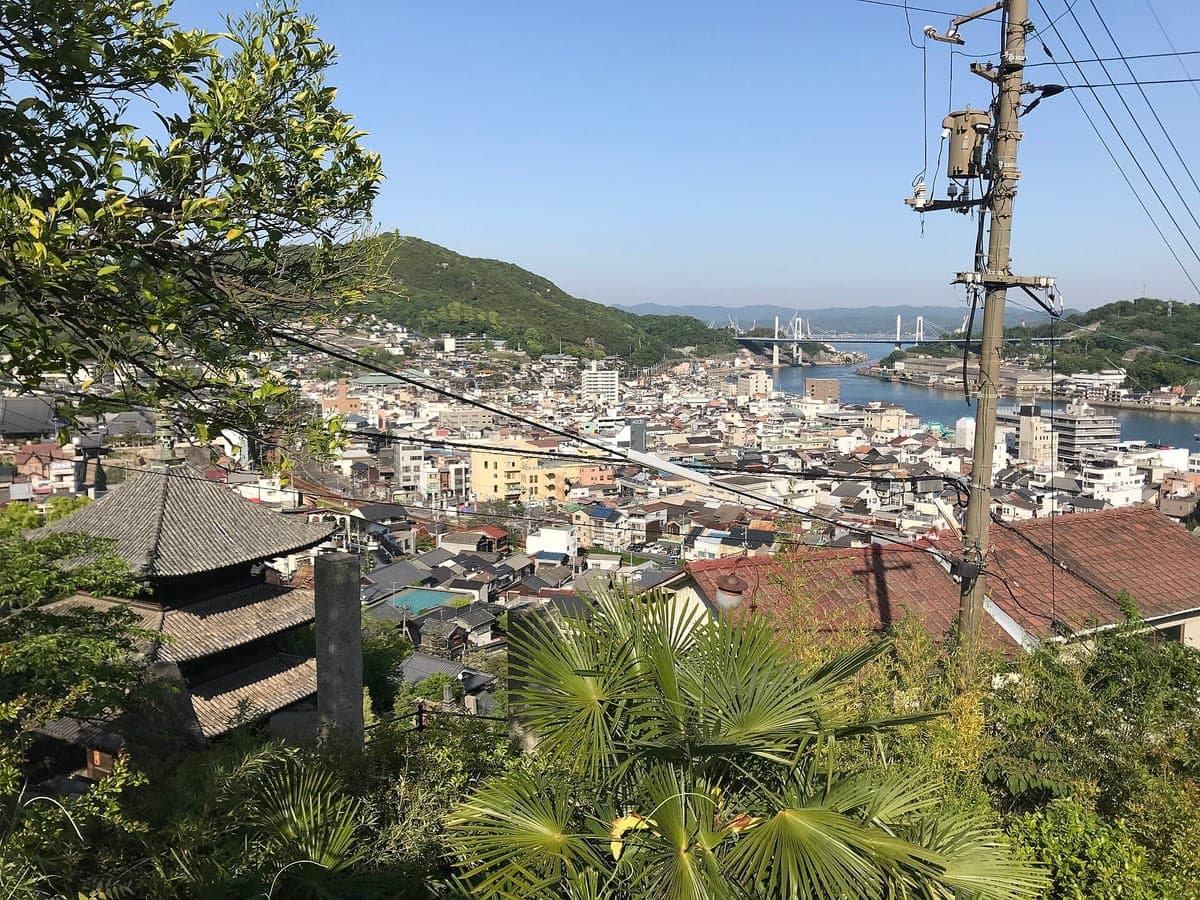
A scenic trail linking 25 temples strung along the hillside above Onomichi, with constant views over the Seto Inland Sea and a famous cat alley where friendly felines gather. The town's literary pull has long drawn writers and artists, and the whole route makes an easy, atmospheric half-day on foot. Getting there: Train to JR Onomichi Station, then a short walk to the trailhead (nearest stop Sanroku Station, 1 min). Free public walking route; the Senkoji Ropeway is an optional alternative at ¥500 one-way / ¥700 round-trip. Best spring and autumn.
08Hiroshima
Mitarai Historic Port Town
御手洗
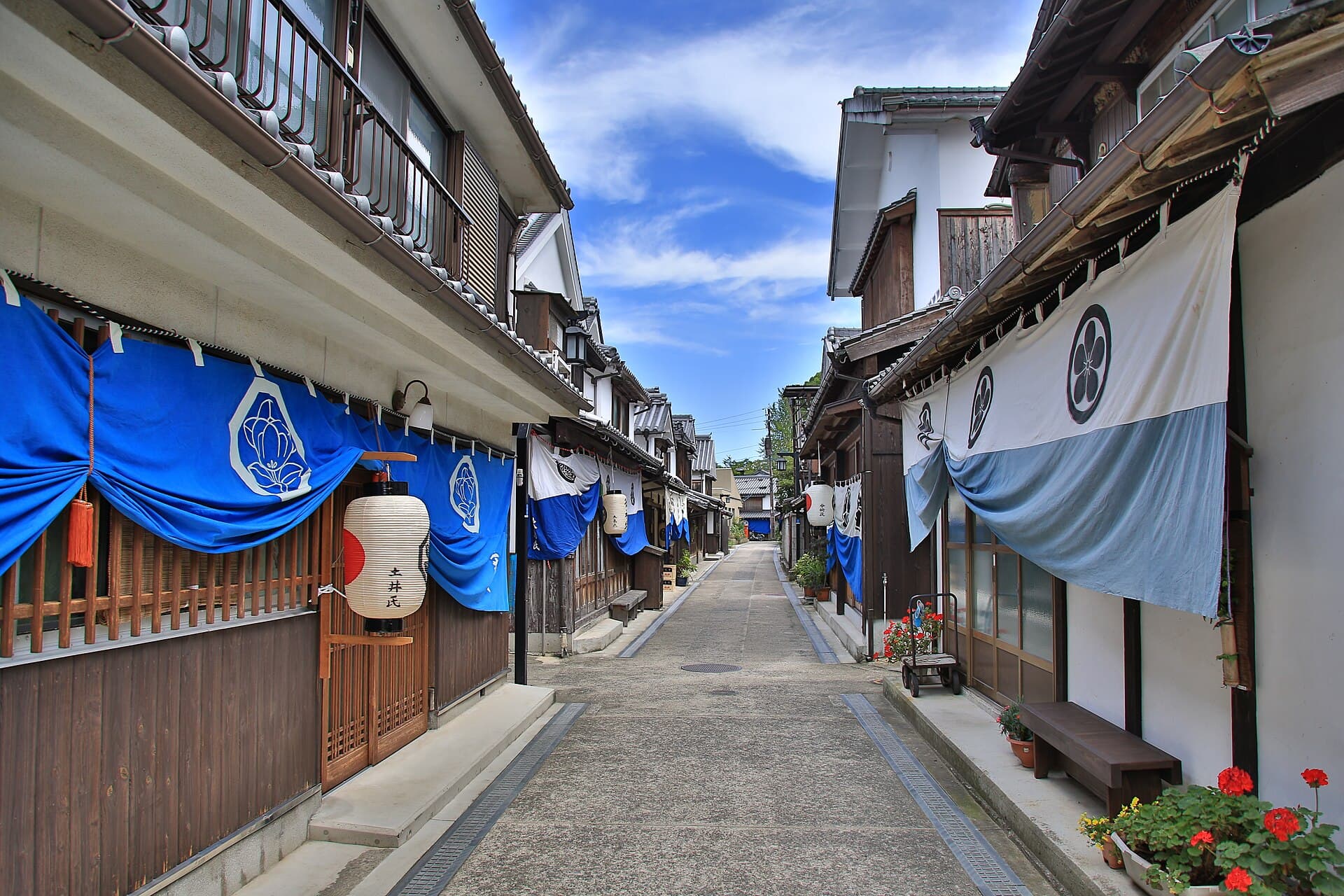
A former Edo-period port on Osaki-Shimojima Island that thrived as a wind- and tide-waiting harbour on the western shipping route. Designated a national Important Preservation District in 1994, it keeps its merchant houses, a Taisho-era public bathhouse and narrow lanes largely unchanged — a photographer's town at the far end of the Tobishima Kaido bridge chain, well beyond the busier Shimanami and Onomichi routes. Getting there: From JR Kure Station, take the Setouchi Sanko bus bound for Mitarai Port (about 1.5 hours) across the Tobishima Kaido bridges; there is no train to the island itself. Best spring and autumn.
09Hiroshima
Tomonoura
鞆の浦
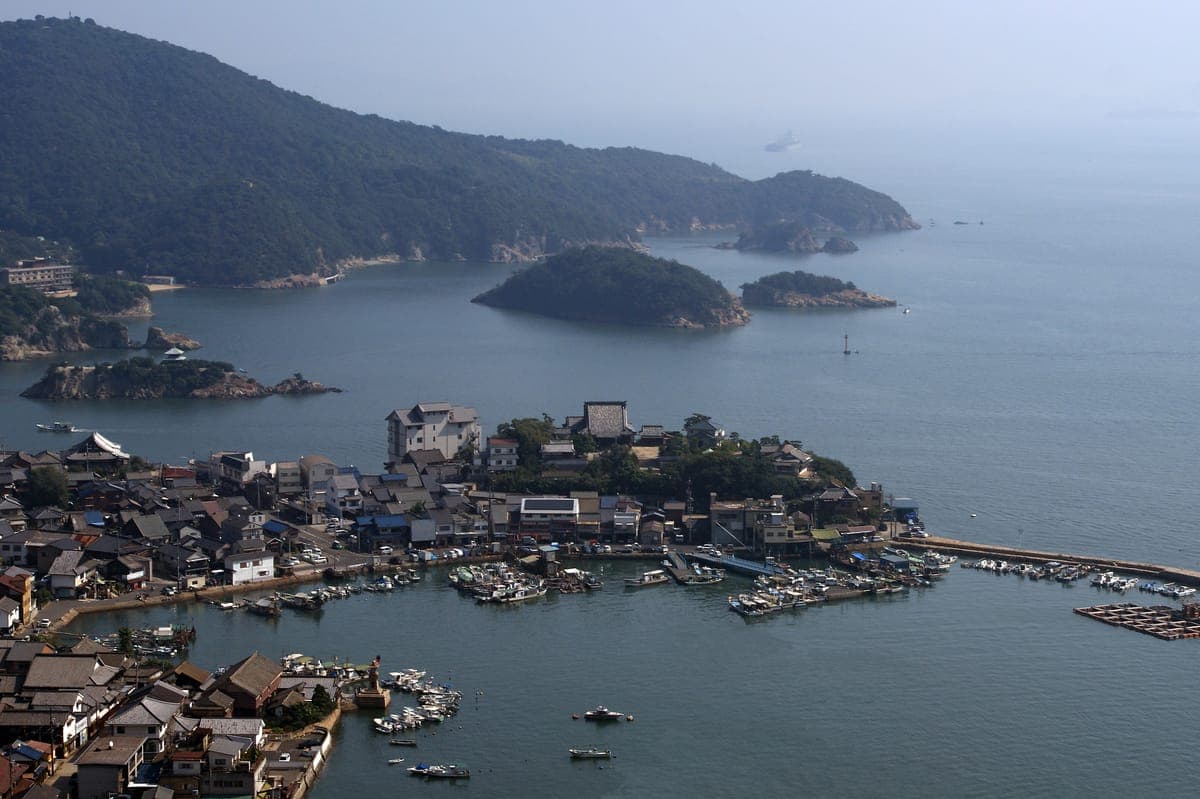
An Edo-era harbour town on the Inland Sea where stone lighthouses, sake breweries and Hayao Miyazaki's Ponyo coastline converge. Tides shift fast in the bay, and locals still read them the way their ancestors did. Bypassed by the Shinkansen and overshadowed by nearby Onomichi, it stays low-traffic all year. Getting there: From JR Fukuyama Station south exit, take the Tomotetsu bus toward Tomo (about 30 min) to Tomonoura. Best year-round.
10Hiroshimahidden gem
Sensuijima Island
仙酔島
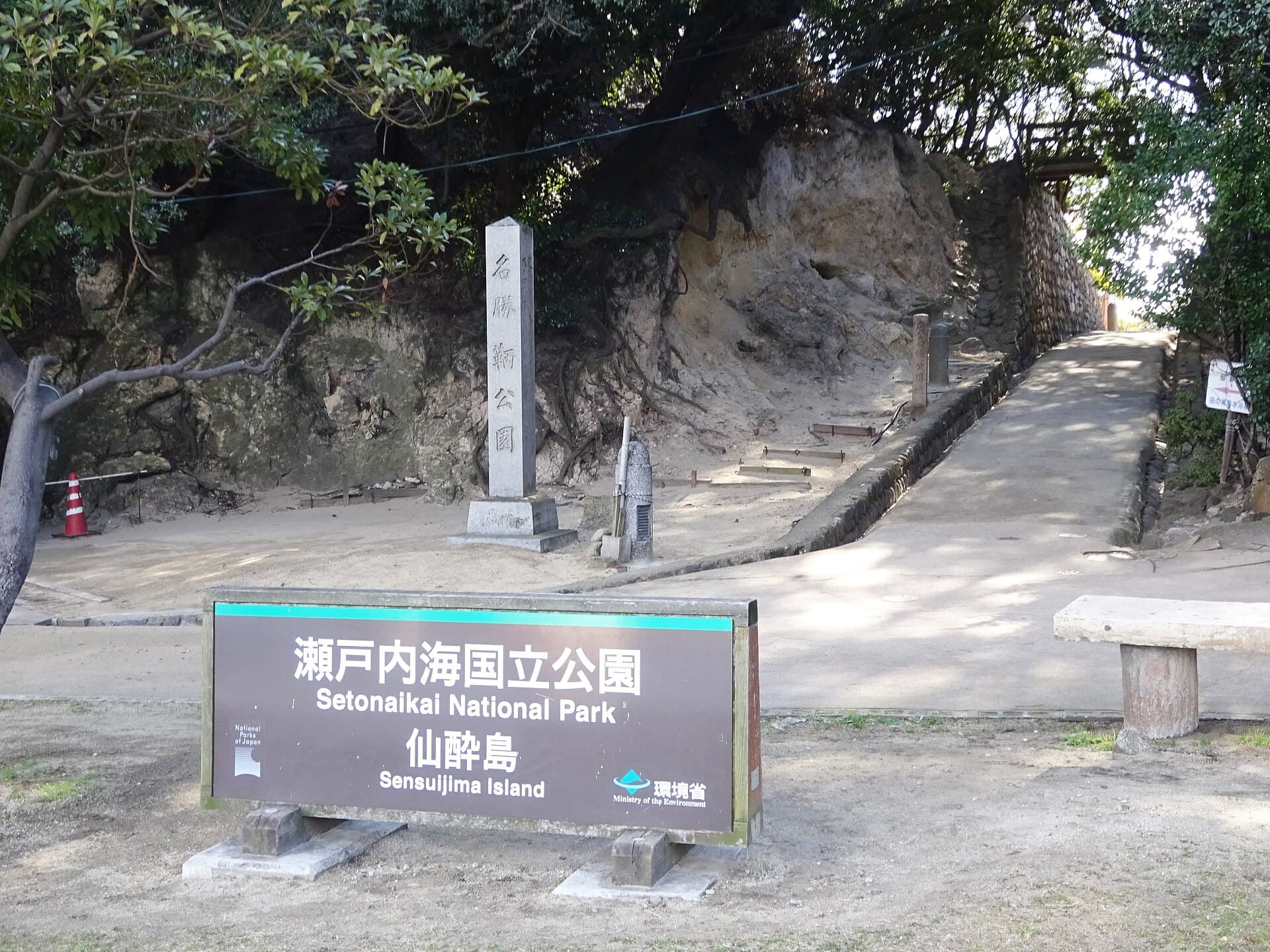
An uninhabited, forested island just five minutes by ferry off Tomonoura, sitting entirely within Setonaikai National Park. A coastal trail runs past five-coloured volcanic rock formations to a mineral-rich hot spring and a quiet, almost undeveloped swimming beach. Most visitors stop in Tomonoura and skip the short crossing, leaving the island's trails and shoreline comparatively empty even in peak season. Getting there: From JR Fukuyama Station, take the Tomotetsu bus to Tomonoura (about 30 min), then the municipal ferry "Heisei Iroha-maru" (about 5 min). Best late spring to early autumn.
When to go
Spring and autumn are the Inland Sea at its best: cherry blossoms and fresh green on the island hillsides in April and May, clear cool light and foliage from October into November, and comfortable temperatures for walking temple trails and steep island lanes. Summer brings warm swimming weather to Sensuijima and the outer beaches but also heat and haze, while winter keeps the ports quiet and the light crisp if you don't mind the cold. If you can, avoid planning around a single ferry — sailings on the smaller islands run only every couple of hours, so build slack into the day and let the timetable, not the clock, set your pace. In Setouchi Triennale years the art islands fill up fast; visiting between festival seasons, or staying overnight, buys you the emptier island most day-trippers never see.
Keep exploring
- Shikoku Slow Road — pair the art islands with a slower loop around the wider island.
- Sanin Coast: Shimane & Tottori — the Inland Sea's quieter northern counterpart along the Japan Sea shore.
- Japan's Secret Islands — more far-flung island escapes beyond the Setouchi circuit.
- Japan's Art Towns Beyond Naoshima — kiln villages and museums far from the Inland Sea.
Ready to plan? Build your own hidden-Japan itinerary → — our trip generator turns any of these spots into a day-by-day route.