Multi (Kyushu/Chugoku/Kagoshima)6 min read
Japan's Secret Islands: Gotō, Yakushima, Amami & Sado
Skip Okinawa's crowds. This guide to lesser known islands in Japan to visit covers Gotō, Yakushima, Amami and Sado — ancient forests, sea-castles and gold mines.
Best time: Late spring & autumn
Ask most visitors to name a Japanese island and they'll say Okinawa. But there are hundreds of others, and the best of the lesser known islands in Japan to visit are the ones nobody puts on a first-trip list — the Gotō archipelago drifting off the coast of Nagasaki, the moss-drowned cedar forests of Yakushima, the coral-walled hamlets of the Amami group, and Sado, adrift in the Sea of Japan off Niigata. These are places you reach by ferry or a short prop-plane hop, where the pace slows, the crowds thin to almost nothing, and the scenery does the talking. This guide gathers eight of our favourite spots across four island clusters, each one a genuine offshore escape rather than a mainland day-trip. Expect ancient trees, a rare coastal castle, a UNESCO-listed gold mine, and fishing ports where you can watch the day's catch come in.
01Nagasakihidden gem
Ishida Castle (Fukue Castle)
福江町探検
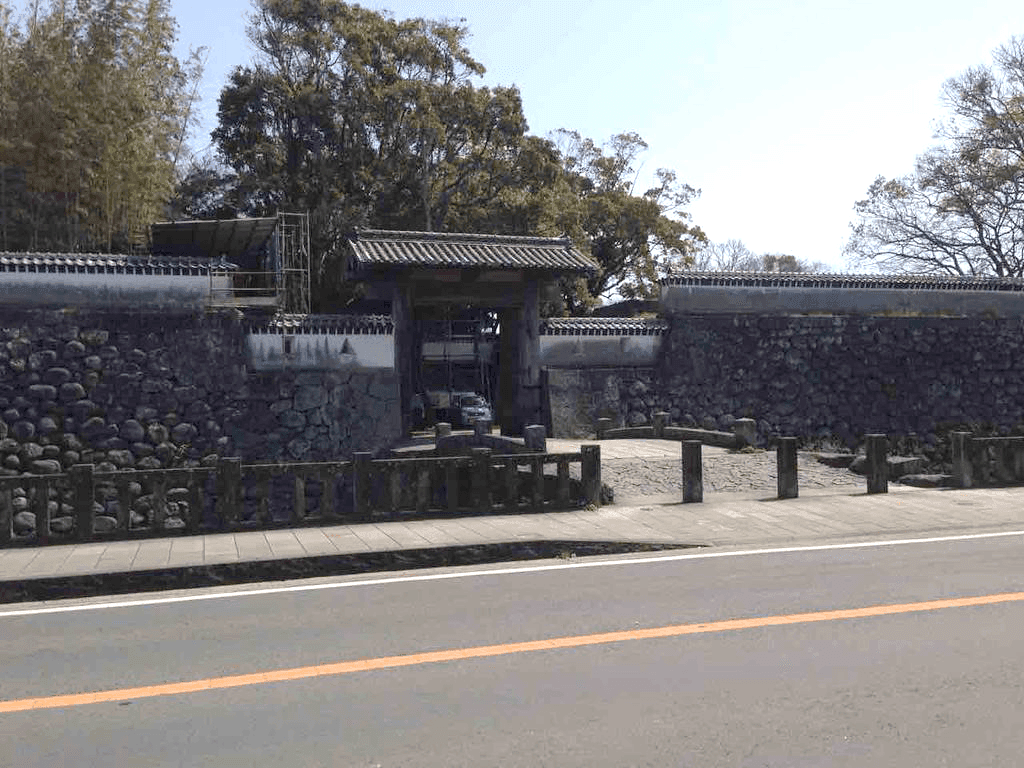
Completed in 1863, just before the feudal era collapsed, Ishida Castle is one of the last castles ever built in Japan — and a rare coastal sea-fortress whose stone ramparts once rose straight out of the tide. Today its moats, the restored Kōfuku-ji gate, and the surrounding samurai-quarter walls anchor a walkable pocket of old Fukue, the main town of the remote Gotō archipelago. Most travellers overlook Gotō entirely, which is exactly why its beaches, ruins and historic churches stay so serene.
Getting there: Fukue Town is reached by ferry from Nagasaki or from other islands in the Gotō chain; from Fukue Port it's a 10-minute walk. Free to enter the grounds; the Kojoen garden opens 9:00–17:00 (to 18:00 Jun–Sep), closed New Year. Good year-round.
02Kagoshima
Jomon Sugi
縄文杉
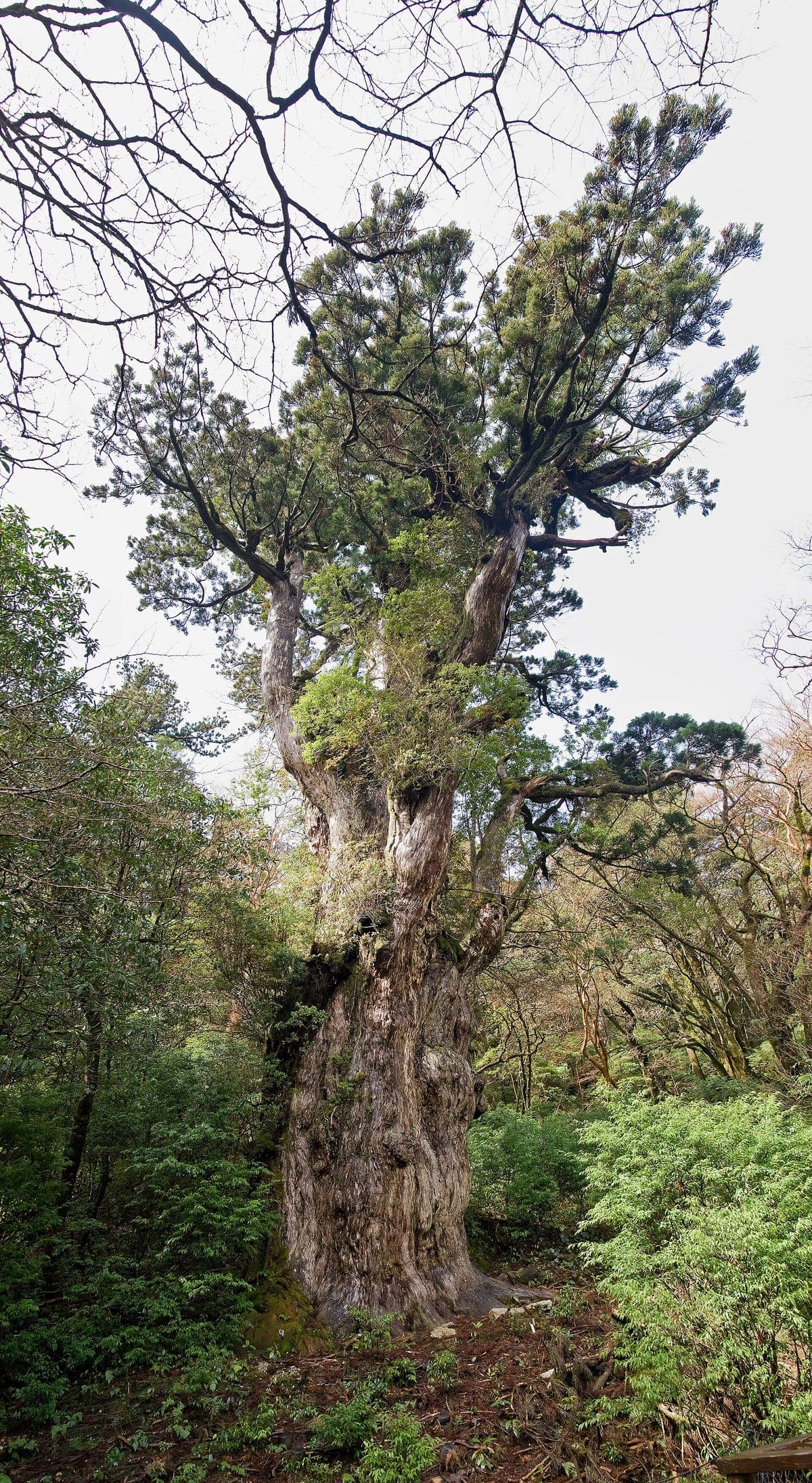
Yakushima's most legendary resident is a cryptomeria cedar thought to be over 2,000 years old — some say the oldest tree in Japan. Reaching Jomon Sugi is a pilgrimage in itself, a long forest hike through the island's ancient, rain-soaked woods, and that effort is precisely what keeps the crowds away. Standing before the vast, gnarled trunk is one of the quiet high points of any trip to southern Japan.
Getting there: Fly or ferry to Yakushima. There's no rail access — the seasonal Arakawa Tozan Bus runs Mar 1–Nov 30 only, from Yakusugi Shizenkan/Anbo to the Arakawa Trailhead (~35 min), and private cars are barred from the trailhead in that season. A ¥1,000 mountain preservation cooperation fee applies at the Arakawa trailhead (¥2,000 if staying overnight), excluding the shuttle fare. Best in spring and autumn.
03Kagoshima
Shiratani Unsuikyo
白谷雲水峡
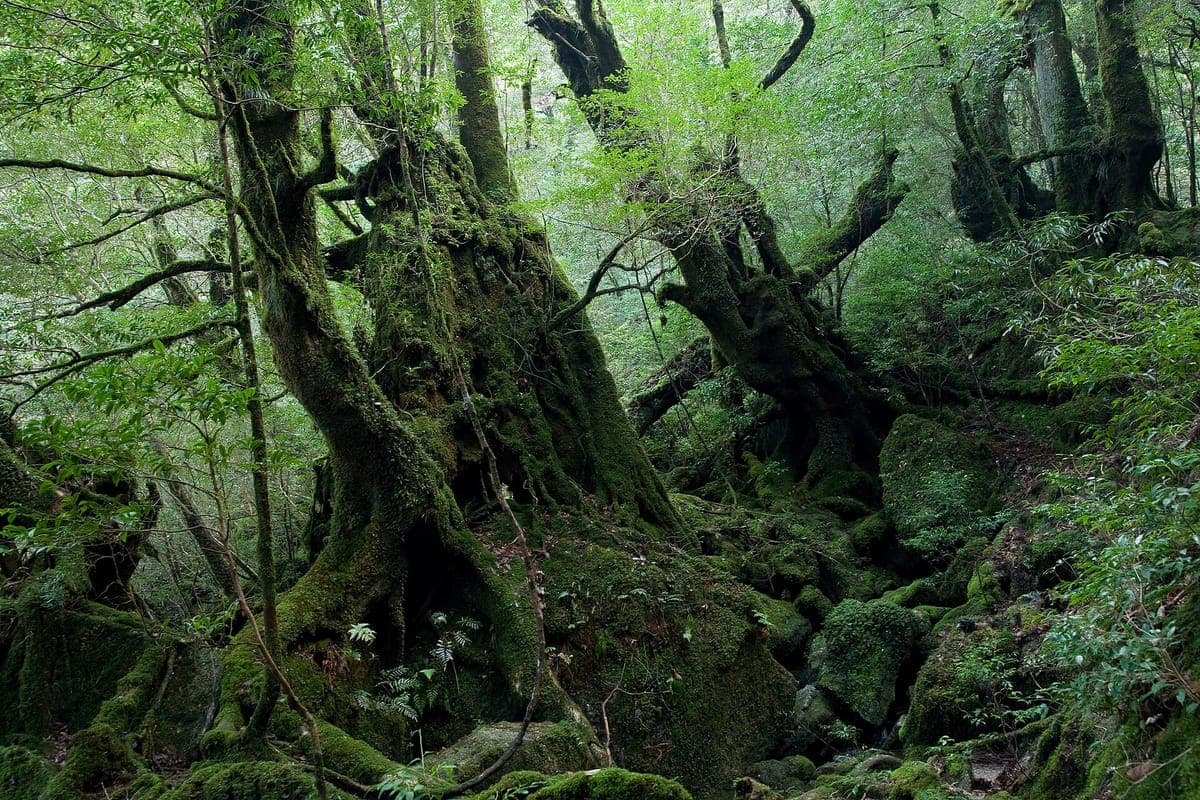
Also on Yakushima, Shiratani Unsuikyo is the emerald heart of the island: a ravine of ancient cedars, moss-cushioned boulders and clear streams threaded with well-kept hiking trails. The play of green light through the canopy here famously helped inspire the forest scenery of Princess Mononoke. It's an easier, shorter alternative to the Jomon Sugi trek and endlessly photogenic.
Getting there: No rail — take the local bus from Miyanoura Port (~25 min, ¥560 one-way, roughly 4 round trips/day) or about 30 minutes by car. A voluntary ¥500 forest environment cooperation fee is collected at the trailhead (high-school age and up). Spring and autumn are ideal.
04Kagoshimahidden gem
Senpiro Falls
千尋の滝
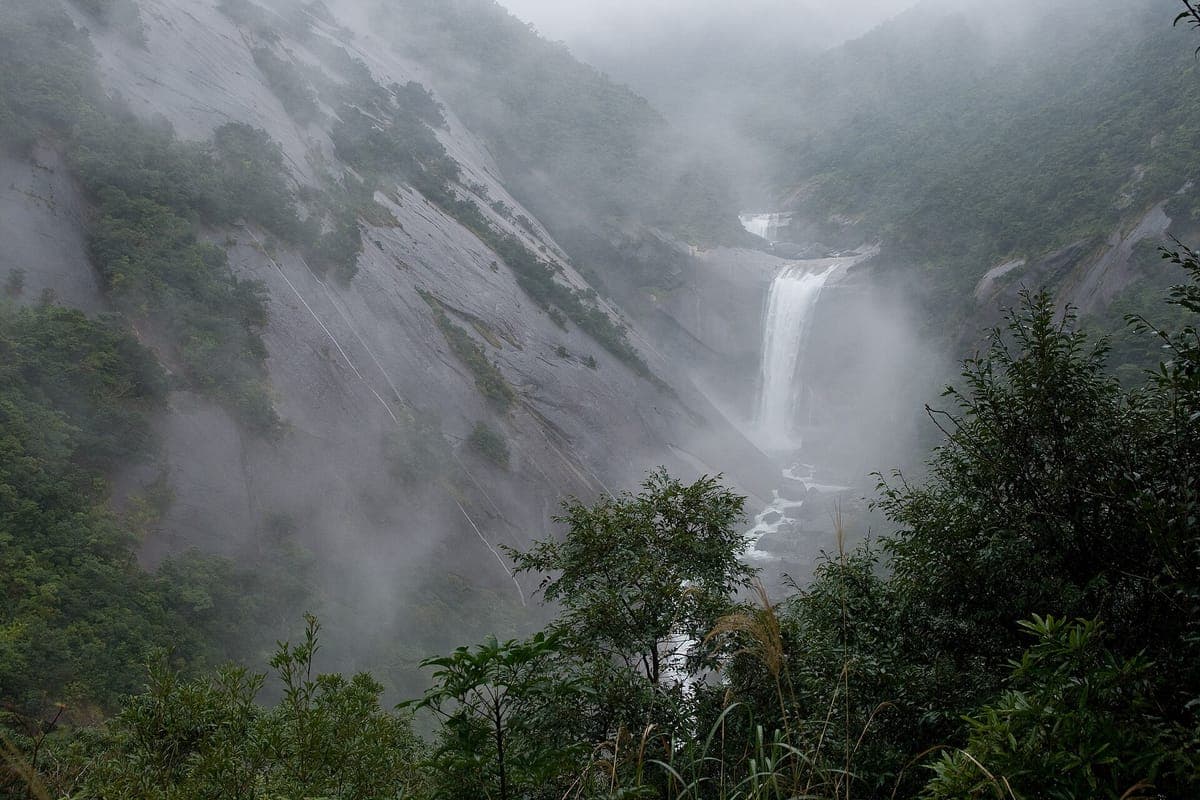
Rounding out Yakushima's trio, Senpiro Falls plunges some 60 metres down a vast wall of granite into a jagged valley, framed by dense subtropical greenery. There's an observatory on the south side that frames the whole cascade — an effortless stop that many visitors miss while chasing the island's headline hikes.
Getting there: Take a bus from Miyanoura to the nearby trailhead, then hike roughly 30 minutes through the forest to the falls. Free to view from the observation platform; open around the clock. Best from spring through autumn.

05Kagoshimahidden gem
Kinsakubaru Virgin Forest
金作原原生林
Shift north to Amami Ōshima and you enter a different Japan altogether. Kinsakubaru is a subtropical primeval forest deep in the island's mountains, dense with giant hego tree ferns, tangled vines and ancient broadleaf trees. It shelters endemic wildlife such as the Amami rabbit and the ruddy kingfisher — a fragile ecosystem that most travellers, fixated on Yakushima, never think to seek out.
Getting there: On Amami Ōshima (Kagoshima), reached by rental car or guided tour from Naze, then a short forest walk. To protect the habitat, entry is by certified eco-guide only and the number of vehicles allowed in is capped, so book ahead. Visitable year-round.

06Kagoshima
Aden Village Coral Stone Walls
阿伝集落のサンゴの石垣
On the small island of Kikaijima, the east-coast hamlet of Aden is ringed with walls built from fossil-coral limestone quarried from the island's own uplifted reef — a defence against typhoon wind and salt spray. Because Kikaijima has none of the venomous habu snakes found on neighbouring Amami Ōshima, these old walls were never torn out and survive intact throughout the settlement: a living example of vernacular architecture drawn straight from the island's geology, folded into Amami Guntō National Park in 2017.
Getting there: Kikai Airport is the island's sole gateway; Aden is about 15 minutes by car from the airport, with no public bus or train. Free — it's a public settlement, not a ticketed site.

07Niigata
Sado Gold Mine
佐渡金山
Far to the north, off Niigata in the Sea of Japan, Sado Island made the Tokugawa shogunate rich. The historic mine tunnels are now open to explore, complete with displays on the old gold-panning techniques, and the surrounding area folds in traditions like the famous Kodo taiko drumming. Sado's remoteness has long kept it off mainstream itineraries, which is exactly its charm.
Getting there: Take the ferry from Niigata City to Sado Island, then local buses to the mine. Entry from ¥1,500 for the standard basic course (adult). Open 8:00–17:30 daily; spring and autumn bring the most pleasant weather.
08Niigatahidden gem
Ogi Fishing Port
小木漁港
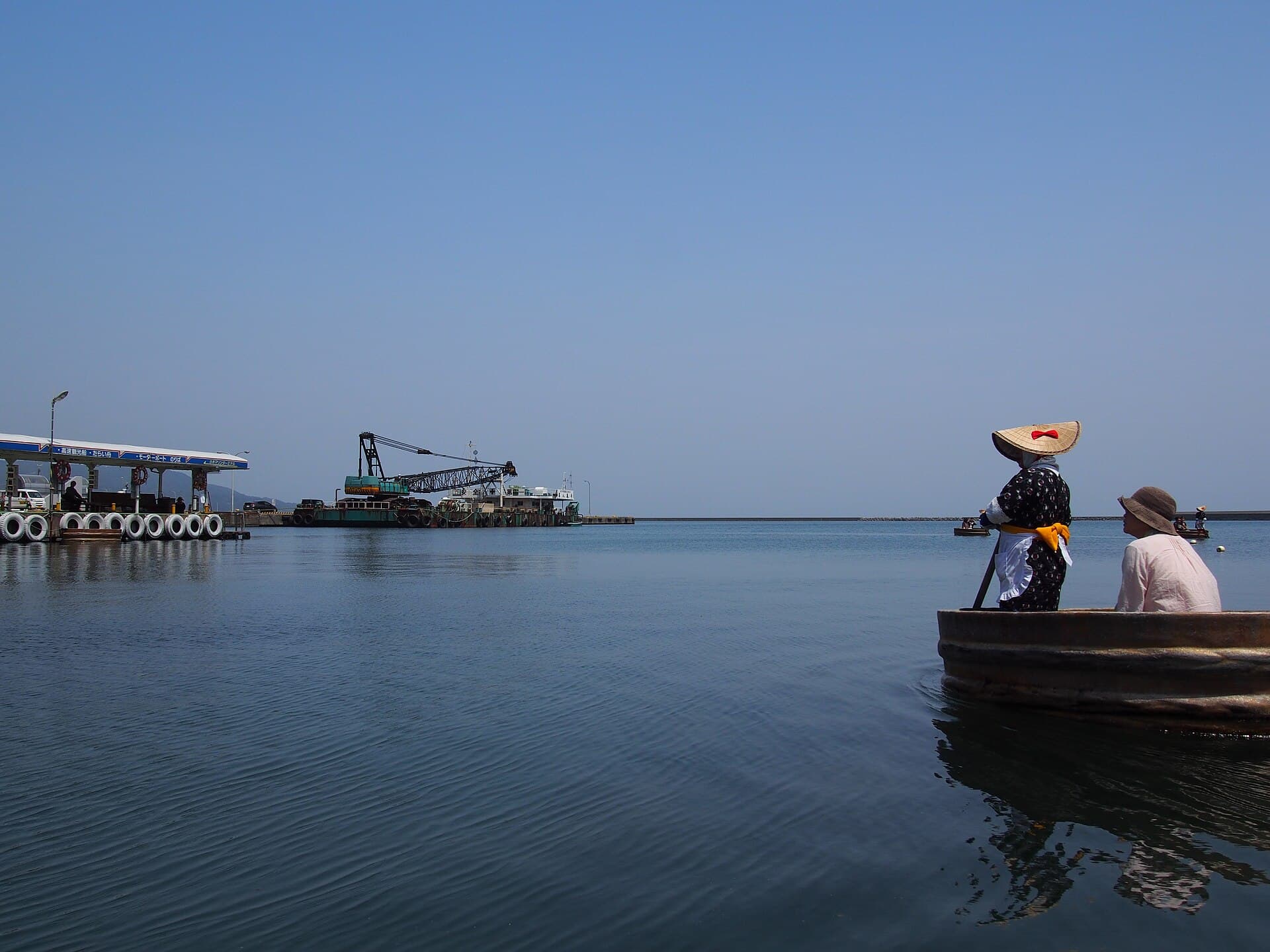
At the southern tip of Sado, Ogi is a quaint working harbour of stunning coastal views and fresh-off-the-boat seafood, far from any tourist bustle. It's also the launch point for Sado's celebrated tarai-bune — round tub boats once used to gather shellfish among the rocks, now a gentle local ride.
Getting there: Reach Ogi via the Naoetsu–Ogi car ferry (~2.5 hr), or drive/bus from Ryōtsu after the Niigata–Sado ferry. The port itself is free and open access; the tub-boat rides are a separate paid activity. Worth a visit year-round.
When to go
These islands split neatly into two seasons. For the subtropical south — Yakushima, Amami and Kikaijima — late spring and autumn hit the sweet spot: the forests are lush, the humidity is bearable, and typhoon season (peaking late summer into September) is behind or ahead of you. Yakushima is famously one of the wettest places in Japan, so pack rain gear whatever the month. Up north, Sado is at its best in spring and autumn too, when the weather is mild and the ferry crossings are calm; winter brings rough seas and reduced schedules. Gotō, sitting in a milder maritime pocket off Nagasaki, is comfortable across most of the year. Wherever you're headed, build in buffer time — ferries and island buses run on their own unhurried rhythm, and that is rather the point.
Keep exploring
- Nagasaki's Hidden Heritage → — more on the Gotō churches and Nagasaki's remote-island history.
- Kagoshima & Miyazaki: Japan's Deep South → — the mainland gateway to Yakushima and Amami.
- The San'in Coast: Shimane & Tottori → — reach the Oki Islands from Japan's quiet western shore.
- Setouchi: Art Islands & Port Towns — More island-hopping, across the calm Seto Inland Sea.
- Ferries of Japan — the crossings themselves — and the islands only a boat can reach.
Ready to plan? Build your own hidden-Japan itinerary → — our trip generator turns any of these spots into a day-by-day route.