Kyushu6 min read
The Deep South: Kagoshima & Miyazaki's Wild Side
A guide to Kagoshima & Miyazaki off the beaten path — volcano gardens, mythic Takachiho, wild horses at Cape Toi, wintering cranes and quiet shrines.
Best time: Year-round; lush May–Jun & Oct
Most travelers to Japan never make it past Fukuoka, and that is exactly why the far south of Kyushu stays so rewarding. Down here, at the volcanic bottom edge of the country, Kagoshima and Miyazaki hold onto a landscape that feels older and wilder than the rest of the archipelago: smoking calderas, basalt river gorges, sub-tropical coastlines, wintering cranes and the cave where, in myth, the sun goddess herself once hid. This is the essence of exploring Kagoshima and Miyazaki off the beaten path — a region where the founding legends of Japan are anchored to real places you can still walk into, and where the crowds that pack Kyoto simply do not exist. The nine stops below spread across both prefectures, from a feudal lord's garden with a live volcano for a backdrop to a headland roamed by protected wild horses. Rent a car if you can; the deep south rewards those who wander off the main line.
01Kagoshima
Kirishima Shrine Pilgrimage
霧島神宮巡礼
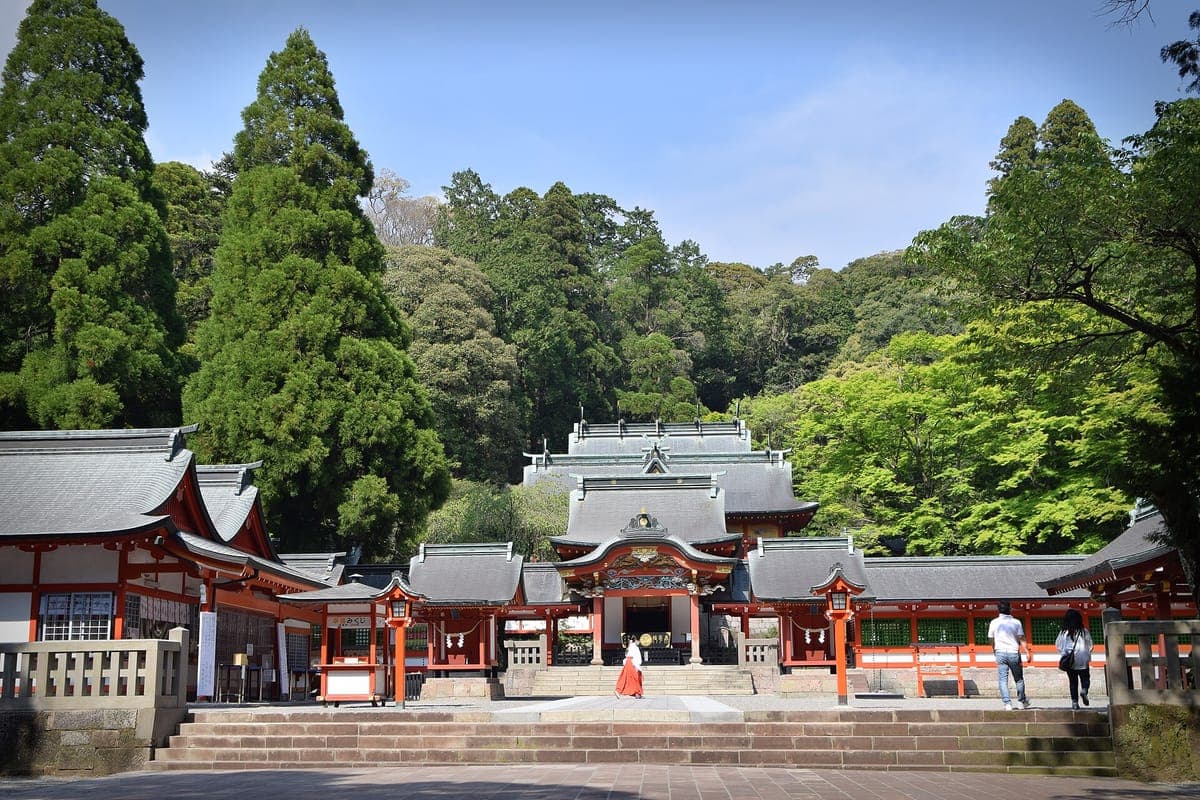
Tucked into the forested slopes of the Kirishima mountain range, this is a sacred circuit of nine shrines bound to the myth of Amaterasu and the god Ninigi, who mythology says descended to earth in these very mountains. The natural scenery along the marked trails is as much the draw as the shrines themselves — mild, foliage-rich, and blessedly quiet, since most visitors chase Kagoshima's more famous names instead. It is one of the region's most atmospheric ways to connect volcanic landscape with ancient tradition.
Getting there: From Kagoshima City, take a bus to Kirishima Shrine, then follow the marked trails to the other shrines. Free (an optional inner-hall tour costs ¥2,000 extra). Best in spring and autumn for mild weather and beautiful foliage.
02Kagoshima
Sengan-en Chrysanthemum Display
仙巌園の菊花展
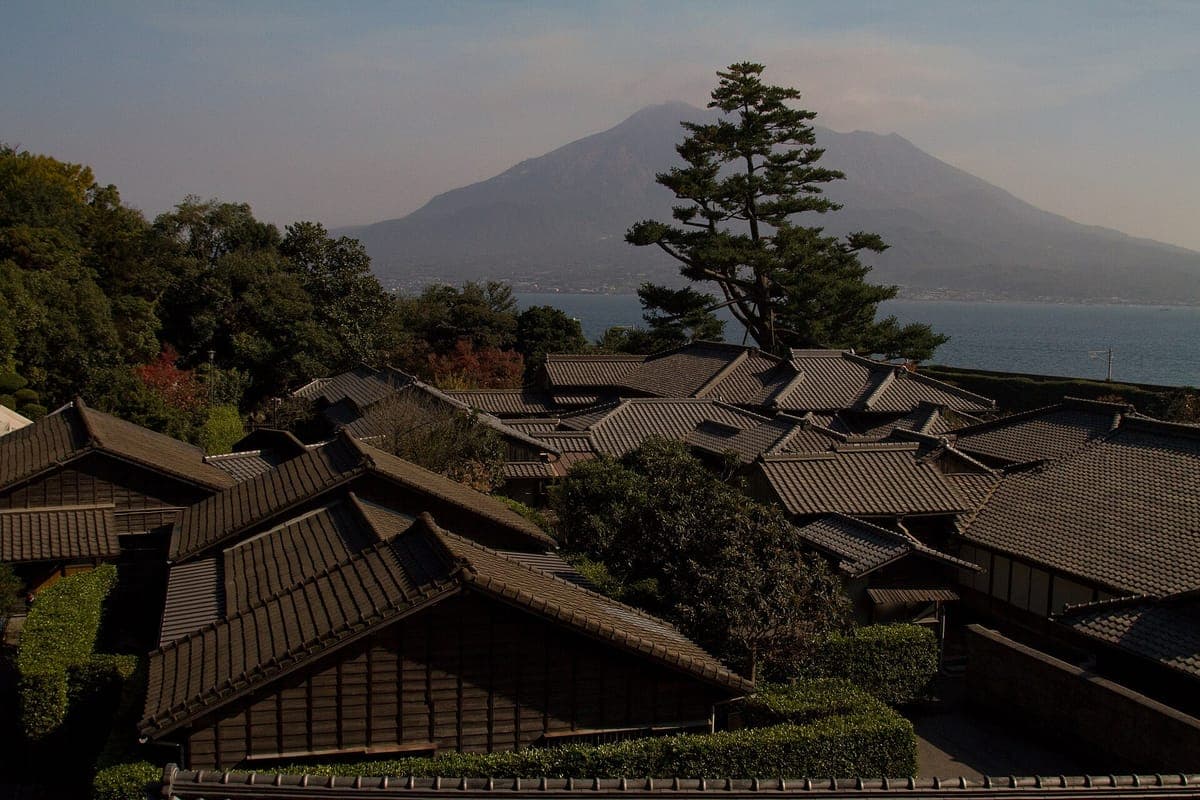
Sengan-en is the former seaside residence of the Shimazu, the feudal lords of Satsuma, and its traditional garden famously borrows Sakurajima volcano across the bay as living scenery. Each autumn the grounds host the Chrysanthemum Display, thousands of blooms arranged into intricate, vividly colored tableaux that showcase the flower's deep place in Japanese culture. It is a serene, seasonal experience that mainstream visitors routinely overlook in favor of the city's headline sights.
Getting there: Easily accessible by bus from Kagoshima city center, or a short taxi ride; Sengan-en Station is a 2-minute walk. Admission ¥1,600 (ages 15+, includes garden, Goten palace and Shoko Shuseikan museum). Best in autumn.
03Kagoshima
Chiran Samurai District
知覧武家屋敷群
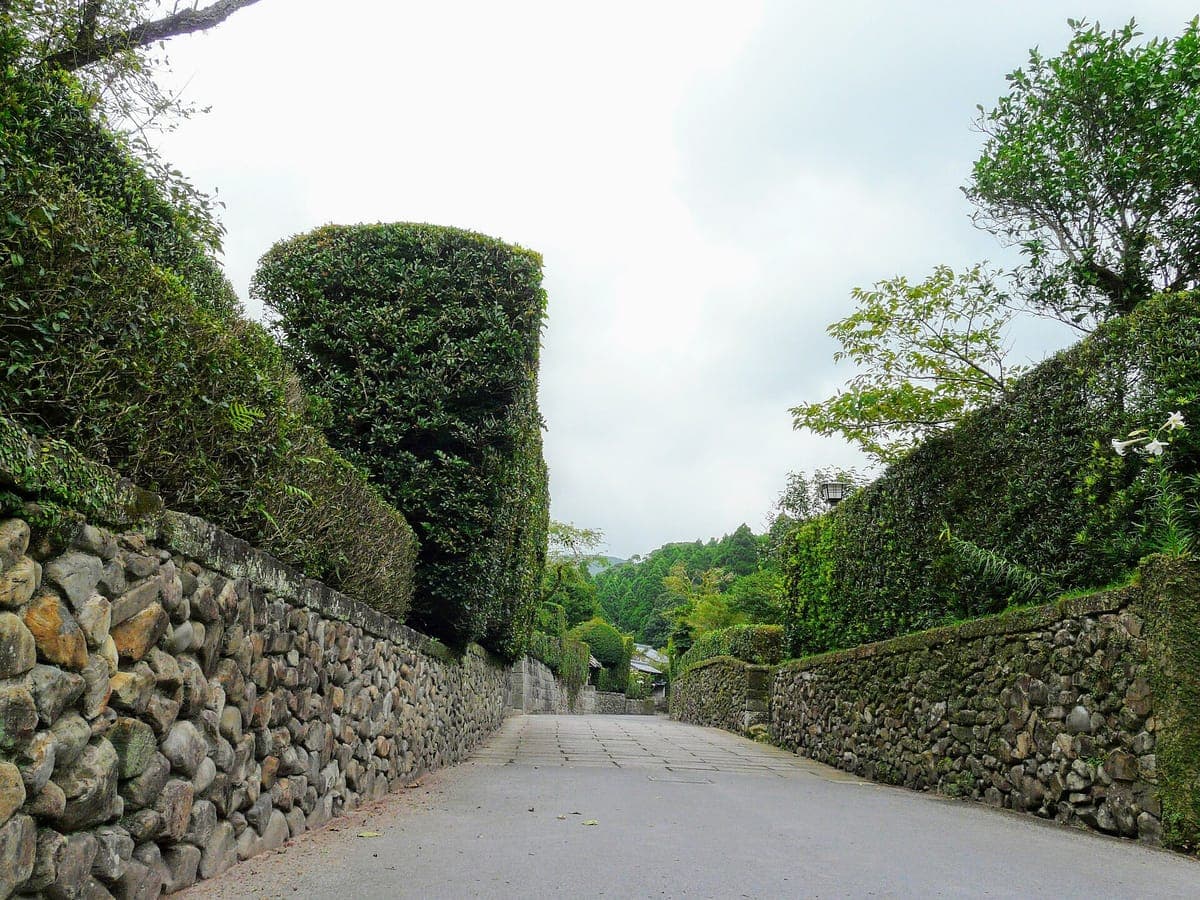
On the Satsuma Peninsula south of Kagoshima City, Chiran preserves a row of Edo-period samurai residences and their beautiful gardens, offering a rare intact look at the architecture and daily order of the warrior class. The town carries a second, more solemn layer of history: during World War II it served as a base for kamikaze pilots, and that memory still shapes a visit. Quiet and historically dense, it stays off most travelers' radar.
Getting there: From Kagoshima City, take a bus to Chiran, which takes about 1 hour.
Izumi Cranes
Every winter, the wetlands around Izumi in northern Kagoshima host the world's largest wintering population of cranes — roughly 10,000 birds arriving each year to feed and roost. Watching these tall, elegant birds move across the fields at dawn is one of Japan's great wildlife spectacles, and one that remarkably few overseas visitors ever witness thanks to Izumi's out-of-the-way location. Serious birdwatchers plan whole trips around it.
Getting there: From Kumamoto City, take the JR Kagoshima Line to Izumi Station, then a local bus or taxi to the crane viewing areas. Best in winter.
04Miyazaki
Takachiho Gorge
高千穂峡
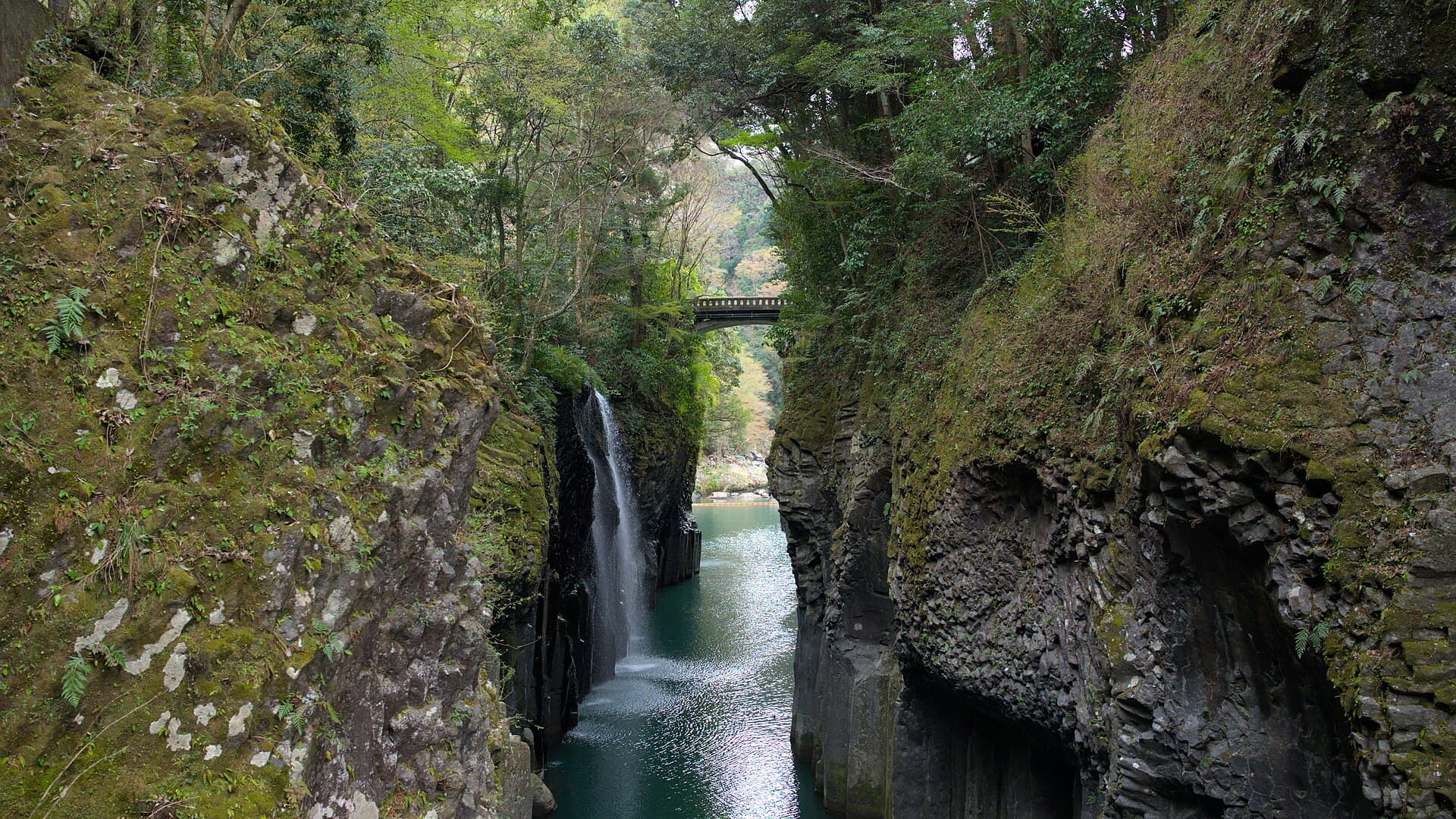
The single most important landmark of the Takachiho corridor, this narrow river canyon runs roughly seven kilometers through layered columnar basalt, its sheer cliffs rising 80–100 meters above the Gokase River. The highlight is the 17-meter Manai Falls, one of Japan's Top 100 Waterfalls, which you can approach by rowboat from the water or admire from the Otome Bridge path above. It is the anchor of any deep-south itinerary that ventures into Miyazaki's mythic interior.
Getting there: No train serves Takachiho directly — the nearest JR station is Nobeoka (Nippo Main Line); take a bus from Nobeoka Station to Takachiho Bus Center (about 70–90 min), then it is a 15–20 minute walk or short taxi ride to the gorge's Oshioi entrance. Rowboat reservations open online two weeks in advance and fill quickly. Best in spring (fresh greenery) and autumn (foliage peaks mid-November).
05Miyazaki
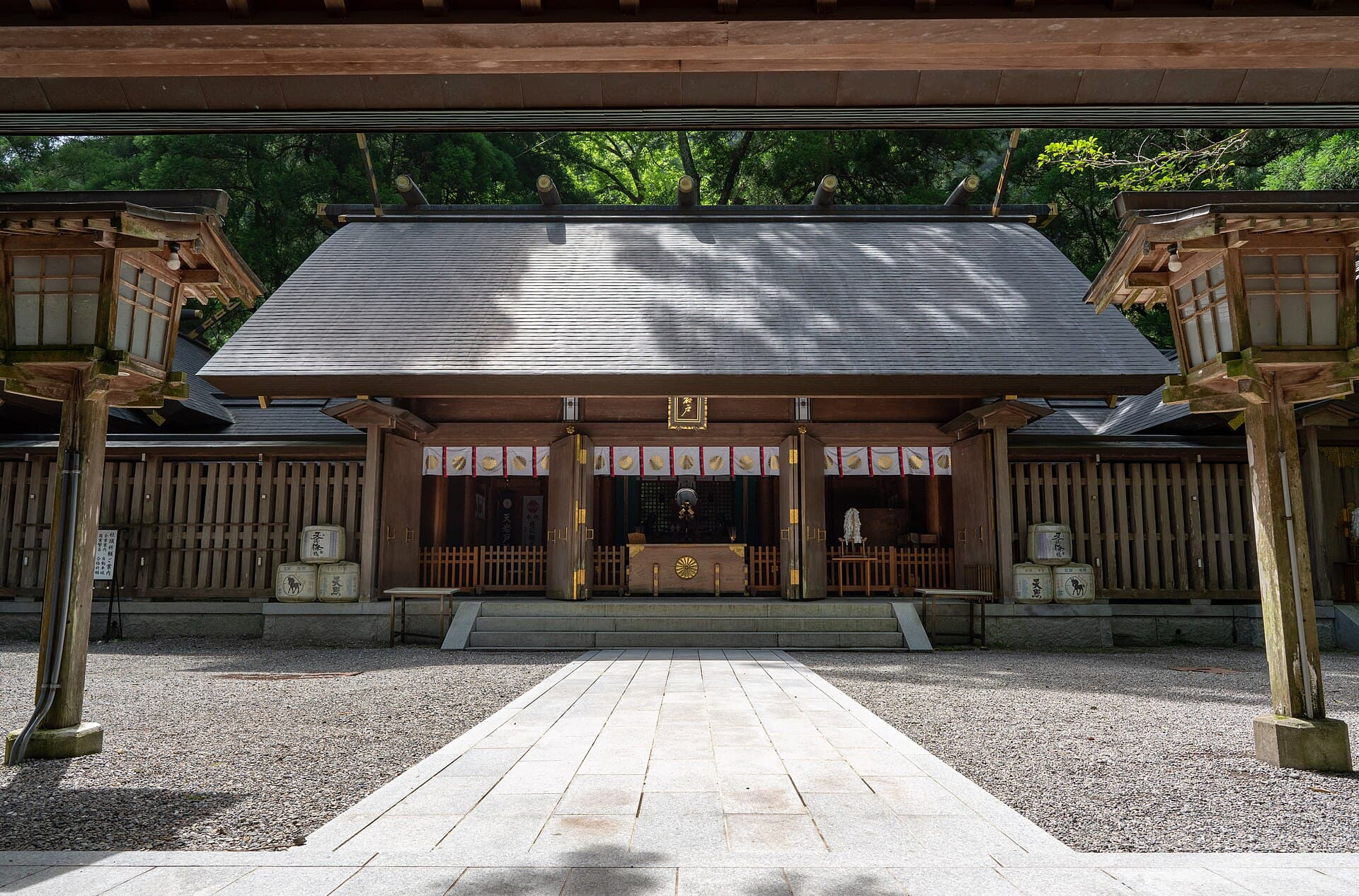
Amanoiwato Shrine
天岩戸神社(西本宮)
This shrine complex is dedicated to the sun goddess Amaterasu and built facing the sacred cave, Ama-no-Iwato, where mythology says she hid after a conflict with her brother Susanoo — plunging the world into darkness. The main west shrine (Nishihongu) sits across the Iwato River from the cave itself, and free staff-led viewings of the cave overlook run roughly every half hour. It is the mythological heart that gives the whole Takachiho area its cultural identity.
Getting there: Local bus from Takachiho Bus Center to the Amanoiwato-jinja stop (about 15 min, roughly hourly) or taxi. Grounds open 24 hours. Best year-round.
06Miyazaki
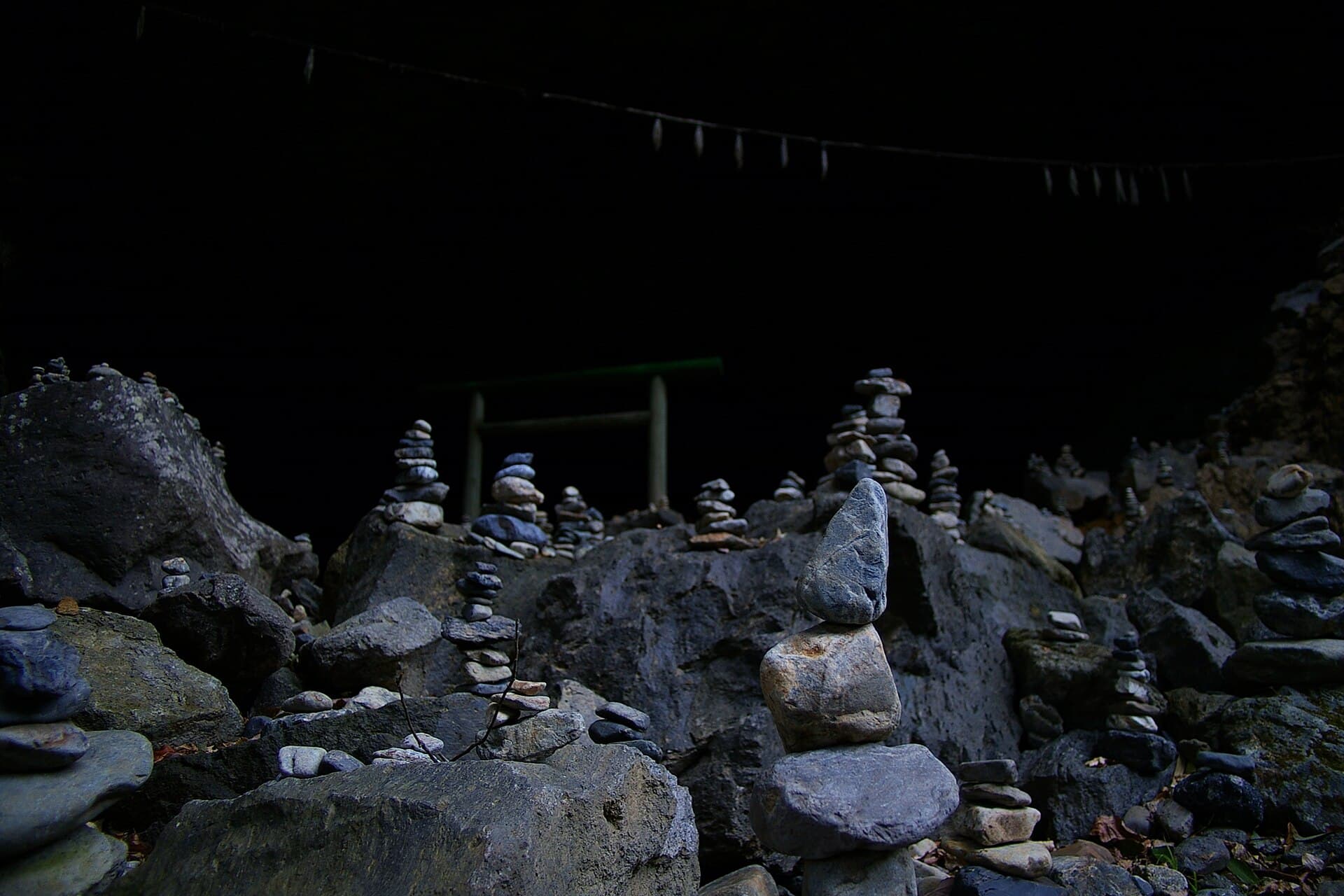
Amano Yasukawara
天安河原
A short walk upstream from Amanoiwato Shrine brings you to this riverside cave, also called Gyoubogaiwaya, set about 500 meters along the Iwato River. Mythology holds that this is where the eight million deities gathered to devise a plan to lure Amaterasu back out of hiding; today visitors stack small river stones across the mouth of the cave to make wishes, leaving an eerie, cairn-covered scene that is among the most photographed in Takachiho. Reachable only on foot, it feels genuinely secret despite its fame.
Getting there: Reached only on foot — a roughly 10-minute walk along a riverside path from Amanoiwato Shrine's west sanctuary. There are no streetlights, so visit in daylight. Open 24 hours (daylight hours only in practice). Best year-round.
07Miyazakihidden gem
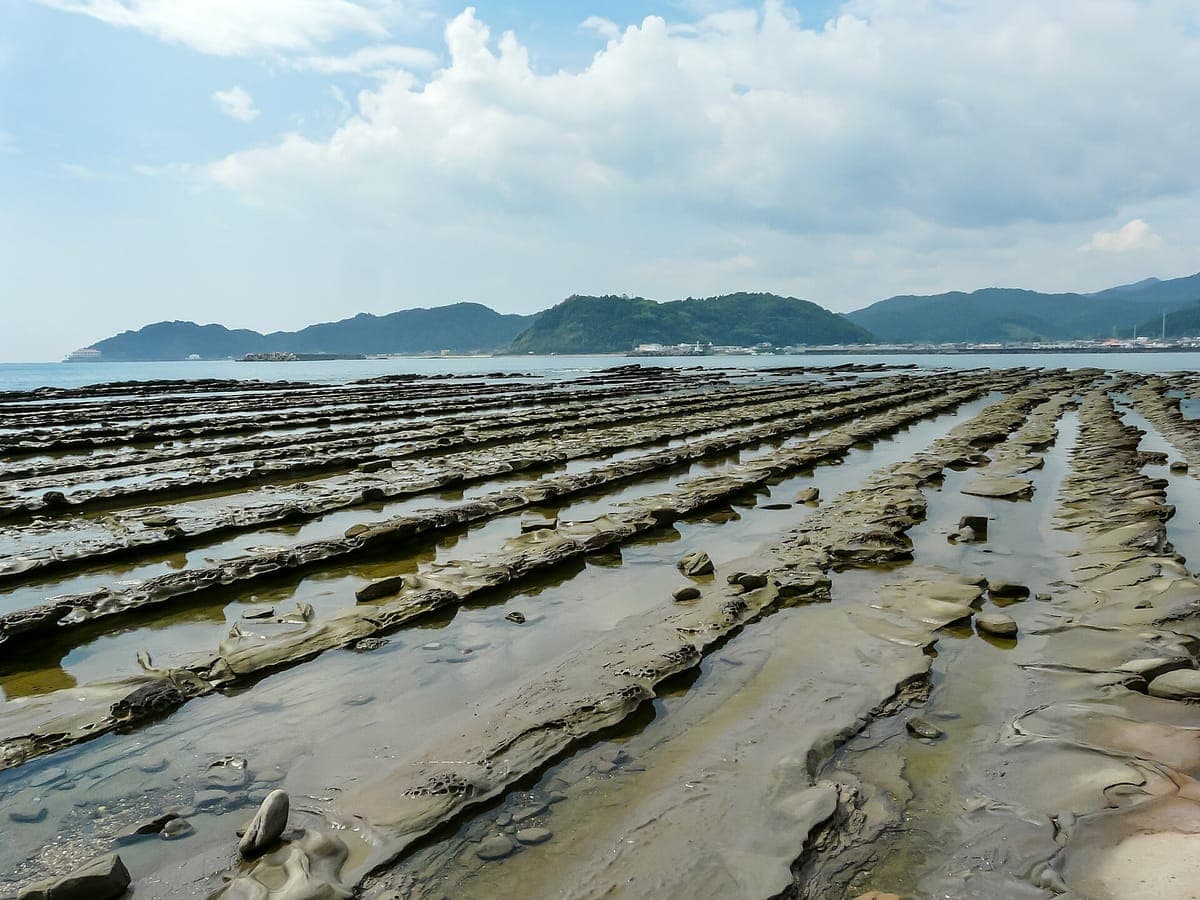
Miyazaki Ao Island (Aoshima)
宮崎青島
Off the Miyazaki coast, this small palm-ringed island is crowned by a shrine and rimmed by a striking geological formation known as the Devil's Washboard — long, wave-like ridges of basalt that fan out from the shore. The tranquil, sub-tropical atmosphere makes it an easy, restorative stop on a coastal drive, and its relative remoteness keeps the tourist infrastructure light and the mood calm.
Getting there: Kodomonokuni Station is an 8-minute walk. Best in spring and autumn.
08Miyazaki
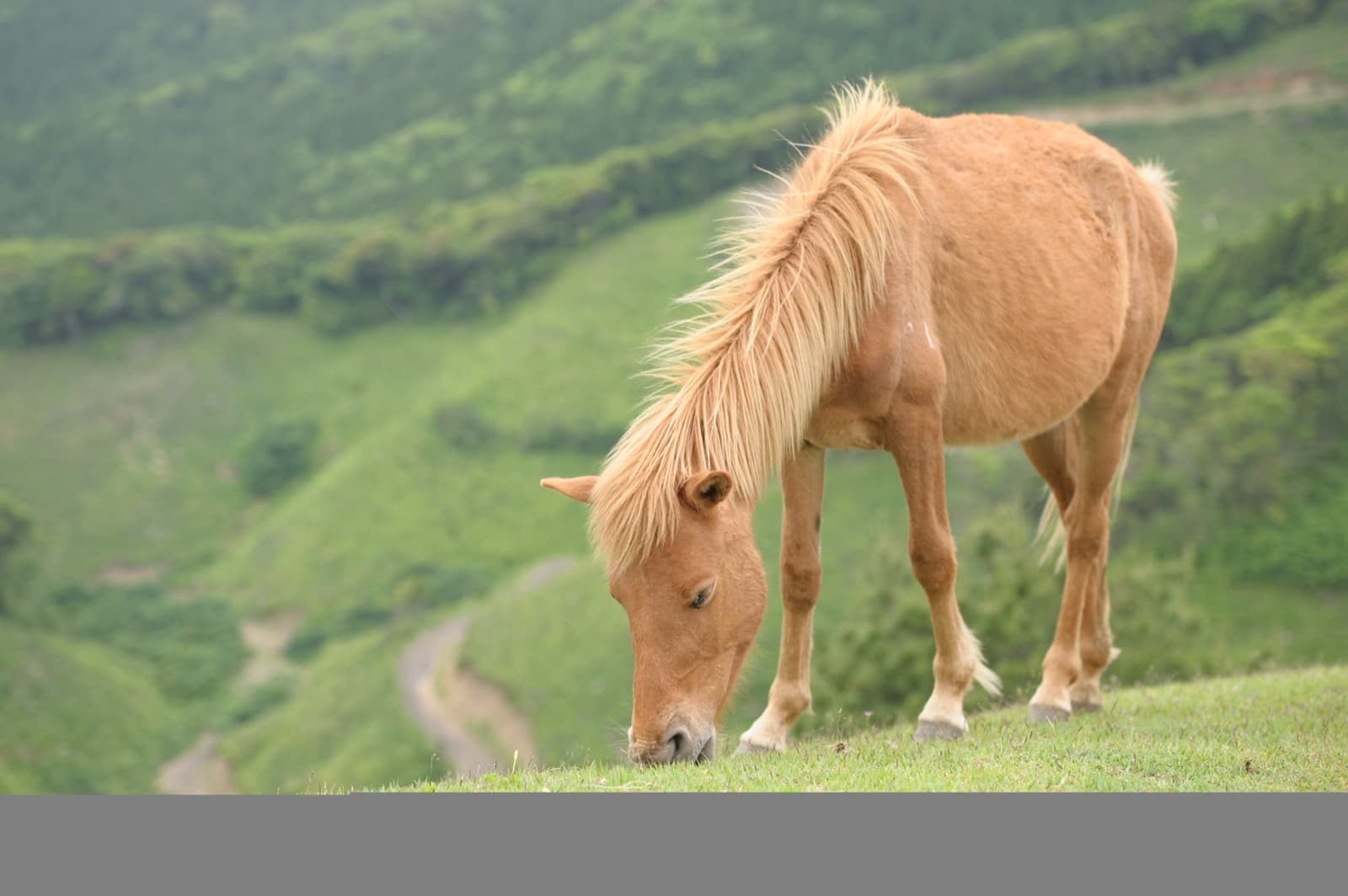
Cape Toi
都井岬
At the wild southern tip of Miyazaki, this headland in Kushima City sits within Nichinan Kaigan Quasi-National Park and is home to the free-roaming Misaki-uma — a nationally protected native horse breed that has grazed here since the Edo period. A historic lighthouse, one of the few in Kyushu open for interior tours, crowns the point. Being a real detour rather than a drive-by stop, it stays far less crowded than Aoshima despite equally strong views.
Getting there: From Kushima Station (JR Nichinan Line), it is about 30 min by car, or take the Kushima City community bus ("Toi Cape Line") plus a short walk. No per-person walk-in charge; a Wild Horse Preservation Contribution is collected per vehicle at the Komadome gate (¥400/car, ¥100/motorcycle). Lighthouse admission ¥300 (junior-high age and up).
When to go
The deep south is genuinely a year-round region, but two windows stand out. Late spring (May–June) brings fresh greenery to Takachiho Gorge and the Kirishima trails, while October delivers mild weather and the season's clearest light — ideal for both the mountains and the coast. Autumn also lines up with the Sengan-en Chrysanthemum Display and, in mid-November, peak foliage in Takachiho Gorge. Winter is the one specialist season worth planning around: the roughly 10,000 cranes at Izumi are present only in the colder months. Aoshima is at its best in spring and autumn, and the Takachiho shrine sites — Amanoiwato and Amano Yasukawara — reward a visit any time, though both should be seen in daylight. If Yakushima's ancient cedar forests are also on your list, they make a natural add-on by jetfoil from Kagoshima, covered in our islands guide below.
Keep exploring
- Kyushu onsen towns nobody knows →
- Nagasaki hidden heritage →
- Japan's secret islands →
- Sacred Japan: Kumano, Koyasan & Dewa Sanzan — Takachiho's myths lead into Japan's great pilgrimage trails.
- Hidden Beaches of Kyushu — the white sand nobody fights you for.
Ready to plan? Build your own hidden-Japan itinerary → — our trip generator turns any of these spots into a day-by-day route.