Kansai8 min read
Kyoto's Quiet North: Kurama, Ohara, Takao & Miyama
Kyoto off the beaten path in the northern mountains — Kurama, Kibune, Ohara's temple hamlet, the Takao maples and the thatched village of Miyama.
Best time: Year-round (peak: November)
Kyoto's Quiet North: Kurama, Ohara, Takao & Miyama
Kyoto is a city in a bowl, and the rim of that bowl is where the crowds stop. Ride thirty minutes north out of Demachiyanagi, or an hour up a mountain bus road, and the temperature drops, the cedar closes in, and the tour groups simply cease to exist. This is Kyoto off the beaten path in its truest form: not a quieter corner of the same famous temple, but a different geography altogether — mountain valleys with their own rivers, their own festivals and their own weather. The north divides into distinct pockets that do not connect neatly, and it pays to respect that. Kurama and Kibune share one steep river valley over a single ridge. Ohara is a farming hollow of temples in another. Takao is a maple gorge to the northwest. And Miyama, far beyond all of them, is a thatched village that belongs to a different Japan entirely. Pick one valley per day, take the slow bus, and let the mountains do the work.
01Kyoto
Kurama-dera
鞍馬寺
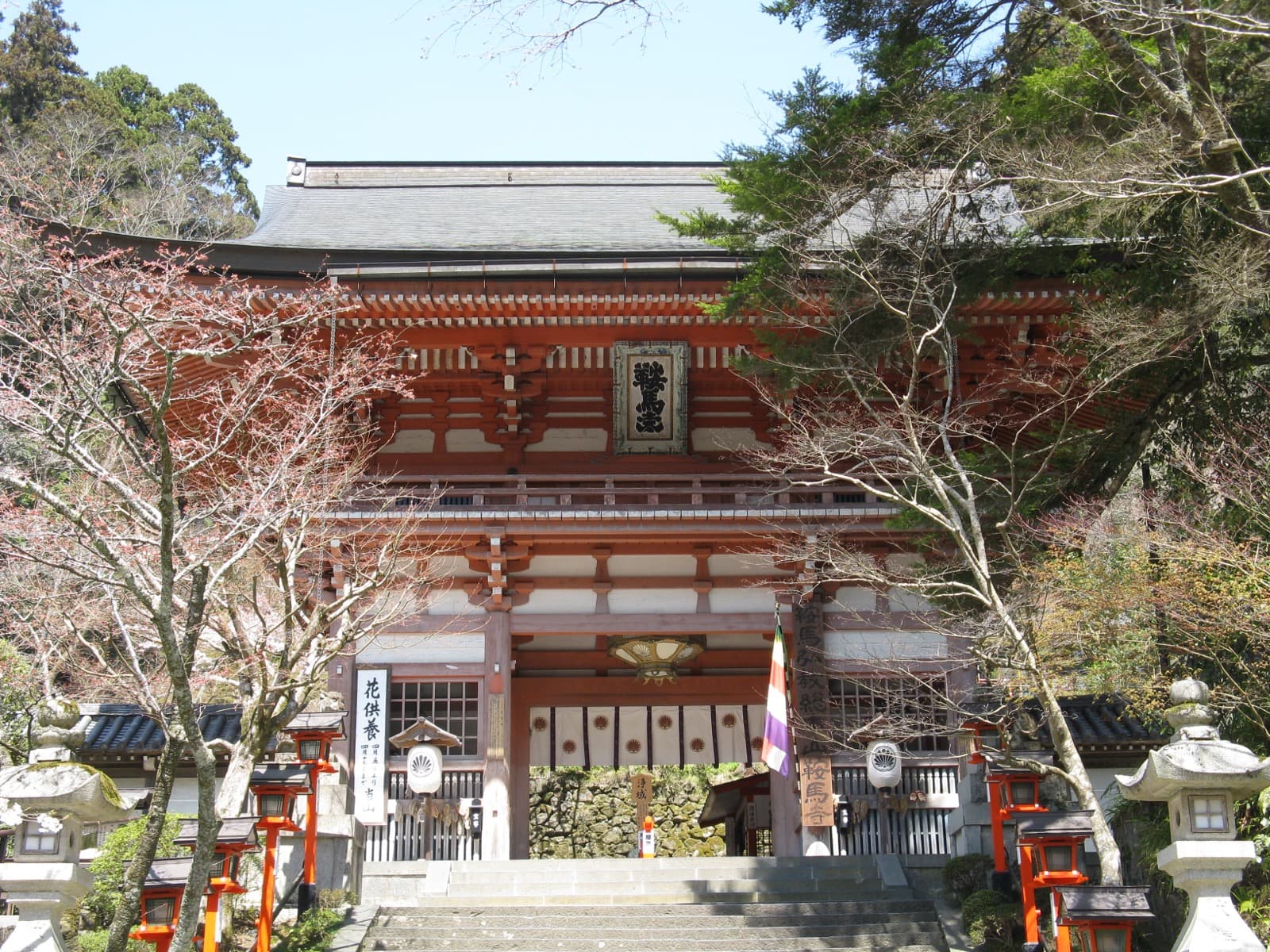
Start where the mountains start. Kurama-dera is an 8th-century mountain temple strung up a forested slope, reached by a short cable car or — better — by walking the cedar-root staircase through the trees. It is the birthplace of the Reiki healing tradition, and the whole mountain has an unmistakable charge to it: giant roots, mossy stone, mist snagging in the branches. From the main hall a trail carries on over the ridge and drops down the far side into Kibune, which makes Kurama-dera less a destination than a doorway — the start of the best half-day walk anywhere near Kyoto.
Getting there: Eizan Electric Railway from Demachiyanagi to Kurama Station (~30 min), then a 3-minute walk to the Nio-mon gate. Admission ¥500 (optional cable car ¥200 one-way). Open 9:00–16:00.
02Kyoto
Kifune Shrine
貴船神社
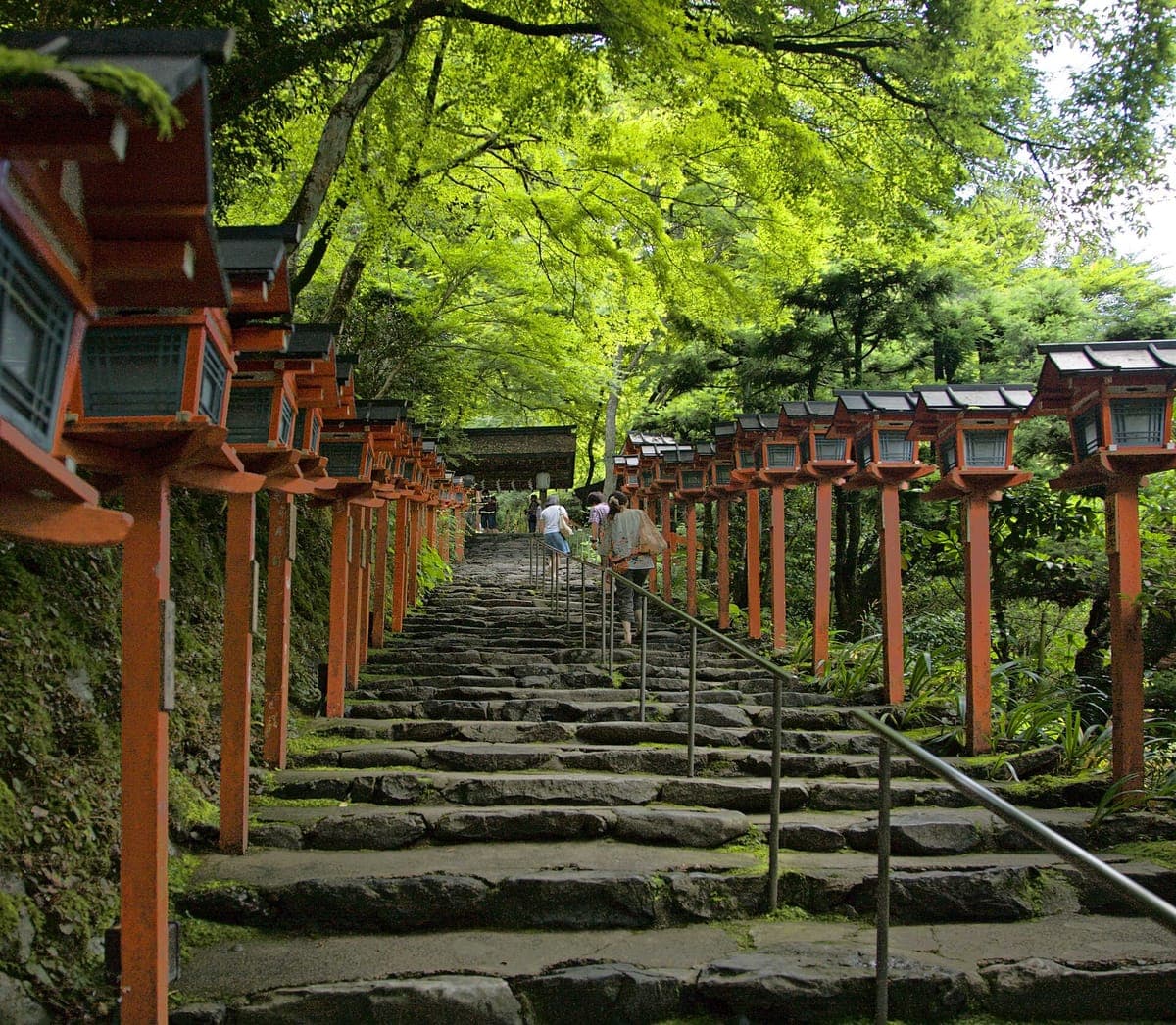
Come down the mountain trail and Kifune Shrine appears at the bottom, a Shinto shrine dedicated to the deity of water, set along the Kifune River in the mountains north of Kyoto. Its lantern-lined stone staircase is one of the most photographed images in Japan and still, somehow, mostly empty on a weekday morning. The shrine is at its most alive in the rainy season, when the river swells and the whole ravine runs loud and green. Most travellers chasing famous shrines never leave the city basin, which is precisely why this one keeps its hush.
Getting there: Eizan Railway to Kibune-guchi Station, then a 30-minute walk or a short bus ride up the valley to the shrine. Free entry to the shrine grounds year-round. Open 6:00–20:00. Best in spring and autumn.
03Kyotohidden gem
Kibune Kawadoko Dining
貴船川床
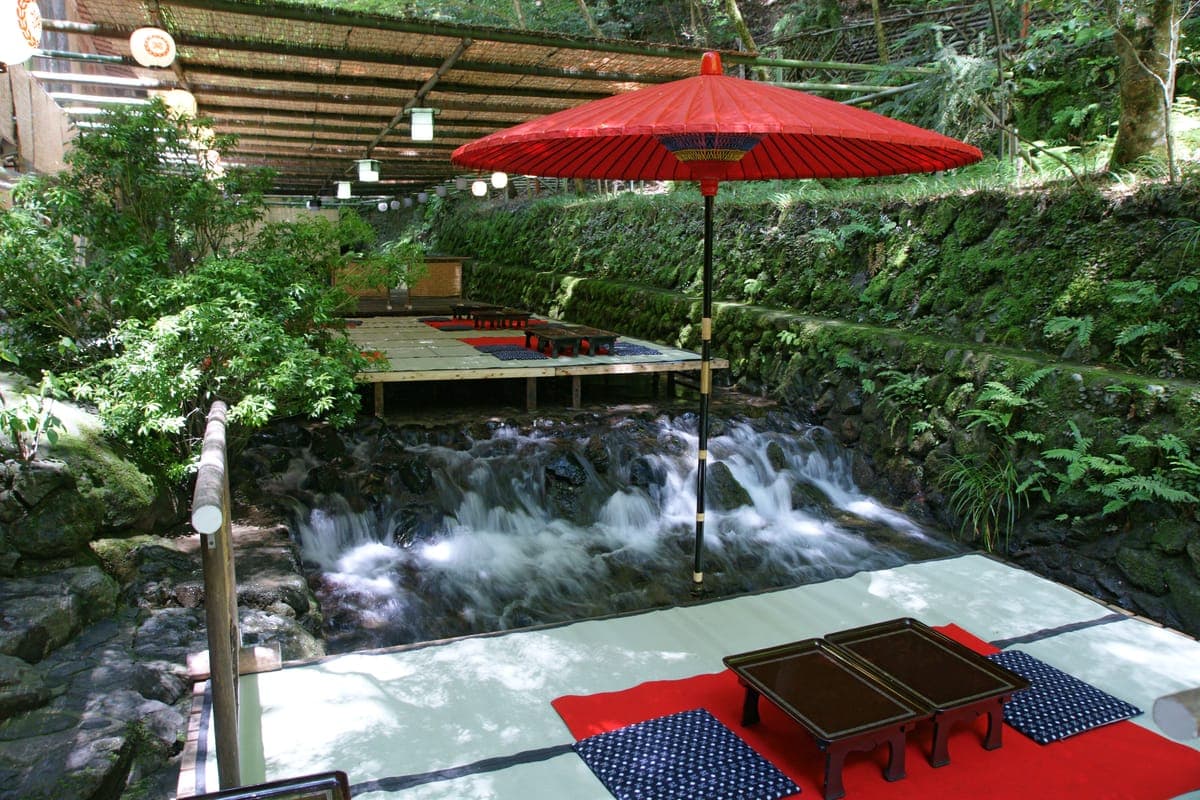
In summer the Kibune restaurants do something no city can copy: they build wooden platforms directly over the river, inches above the water, and serve lunch on them. This is kawadoko, and it is the reason Kyoto residents escape north in August — the air over the current runs several degrees cooler than the streets below, and the sound of the river replaces conversation. In the evenings the valley is lit with lanterns for a walk along the water. There is no admission to pay; the experience is the meal, and meals here run from several thousand yen.
Getting there: Eizan Electric Railway to Kibuneguchi Station, then a short bus ride or walk into Kibune. Riverside platforms are a summer feature; lunch service typically 11:00–15:00, closed Wednesday and Thursday. Best in summer.
04Kyoto
Kurama Onsen
鞍馬温泉
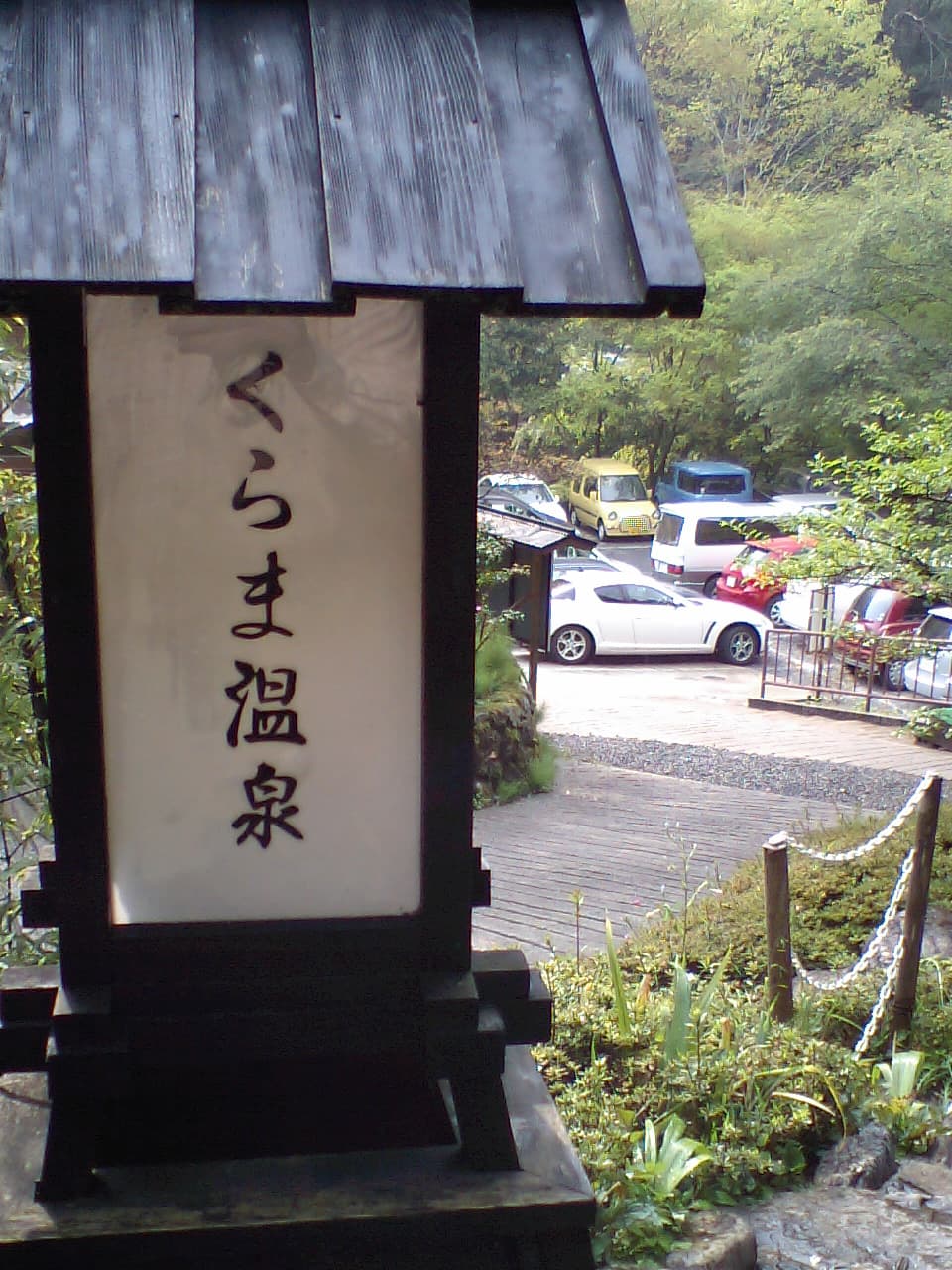
Back over the ridge on the Kurama side, this mountain hot spring is where the day should end. The outdoor baths look straight out into forest, which in November means soaking under a ceiling of red maple — one of the great cheap luxuries in Kansai. It is a working local onsen rather than a resort, remote enough that most visitors to Kyoto never consider it, and close enough to the station that you can be back in the city for dinner with your hair still damp.
Getting there: Eizan Railway to Kurama Station, then a 13-minute walk. Day-use outdoor bath ¥1,400 (weekday adult; ¥1,600 weekends and holidays). Open 11:00–19:00. Best in autumn.
05Kyoto
Sanzen-in Temple
三千院
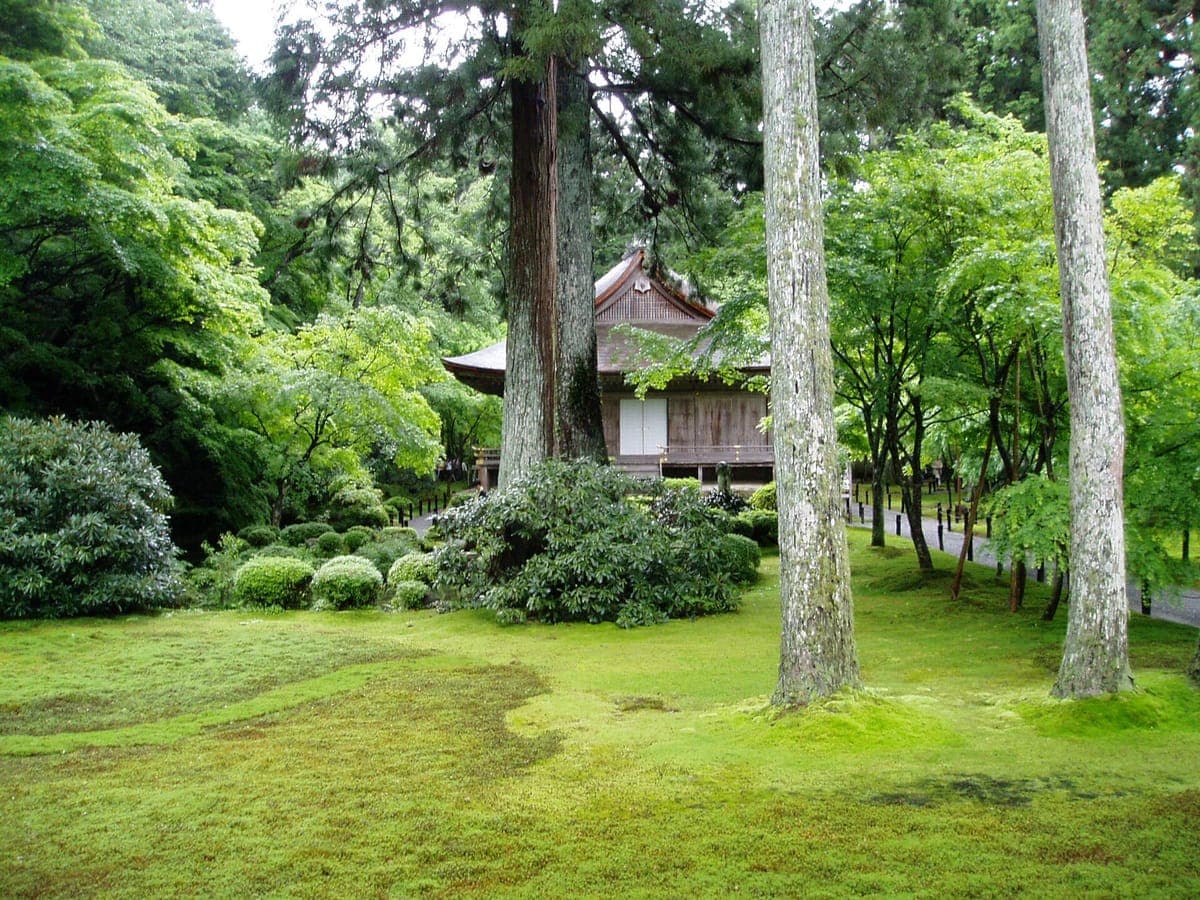
Ohara is the second valley, and Sanzen-in is its heart: a serene temple of ancient trees, moss and layered gardens in a farming hamlet an hour north of Kyoto Station. It is the sort of place built for sitting still — the gardens unfold slowly, seen from wooden verandas, and there are small stone jizo figures hiding in the moss for those who look. It is well known within Japan and still nearly invisible to the international itinerary, which spends its Kyoto days shuffling between the same three sights downtown.
Getting there: Kyoto Bus 17 from Kyoto Station to Ōhara (~60 min); the temple is a 10-minute walk from the Ohara bus stop. No railway. Admission ¥700 adult (¥400 junior/high school, ¥150 elementary). Open 9:00–17:00. Best in spring and autumn.
06Kyoto
Hosen-in
宝泉院
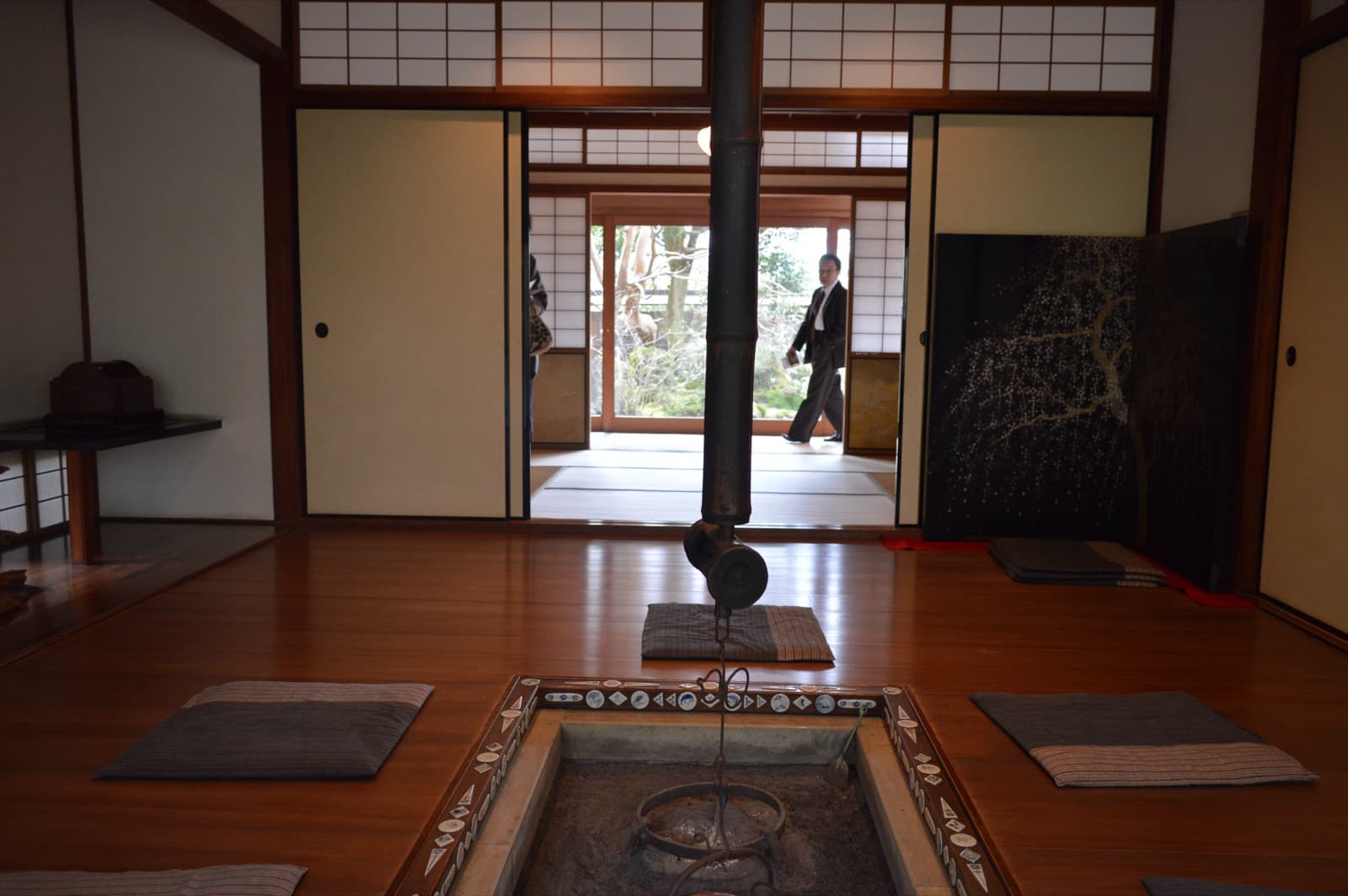
Next door to Sanzen-in — and skipped by almost everyone who visits it — is the quietest room in northern Kyoto. Hosen-in is a small sub-temple whose main event is a shakkei or "framed garden": you sit on tatami, the pillars and lintel of the hall frame the view like a picture, and a 700-year-old pine fills it. Tea and a sweet come with the ticket, and you are expected to stay a while. Of everything in this guide, this is the stop that most rewards doing nothing at all.
Getting there: A 15-minute walk from the Ohara bus stop; Kyoto Bus #19 from Kokusaikaikan subway station (~20 min, ¥400). Admission ¥900 adult, including matcha and a sweet. Open 9:00–17:00.
07Kyoto
Jakkoin Temple
寂光院
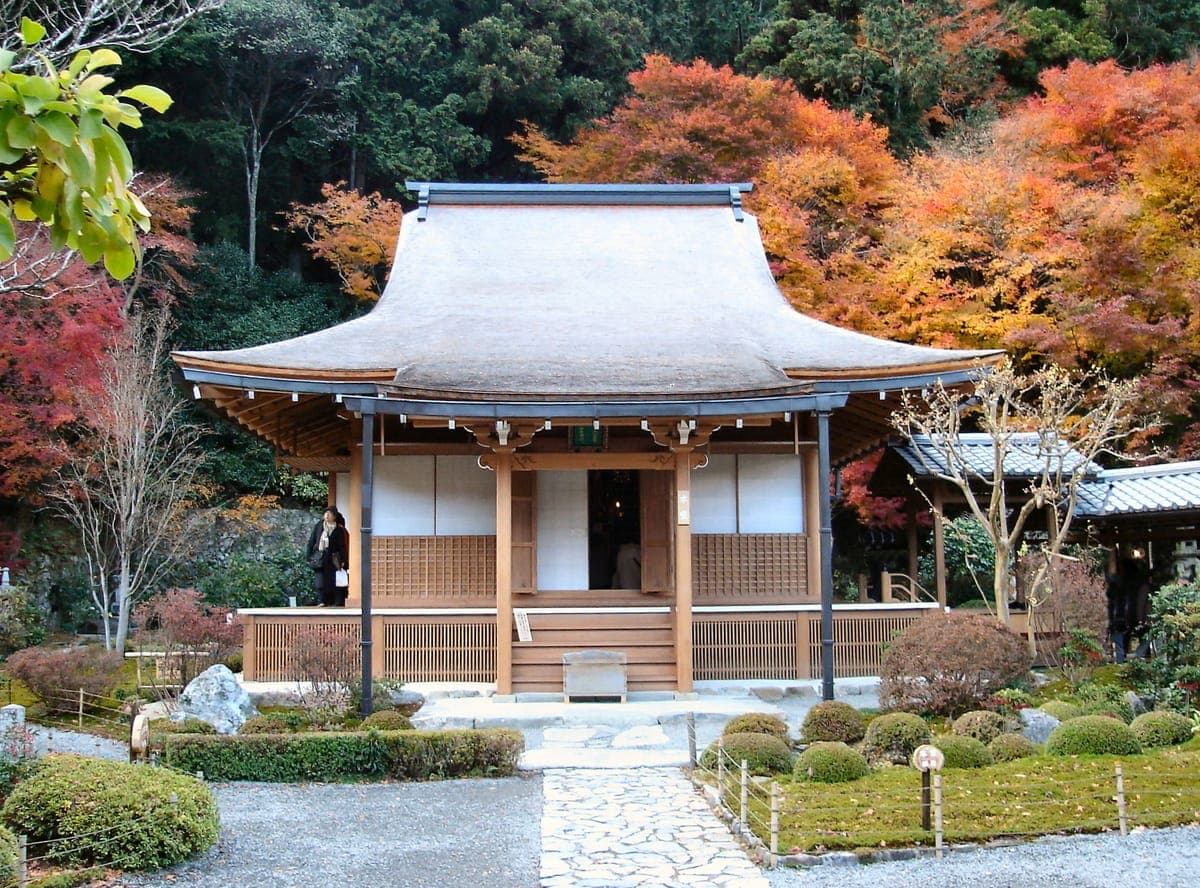
On the opposite side of the Ohara hollow, a walk across the fields from Sanzen-in, Jakkoin is a small convent wrapped in gardens that turn gold and crimson in autumn. Ohara's history is a melancholy one — this is the valley where Empress Kenreimon-in withdrew from the world after the fall of the Taira — and that quiet still hangs over the grounds. It makes a natural third stop: two temples, a field path between them, and a bowl of noodles in the village in between.
Getting there: Bus from Kyoto Station to the Jakkoin Temple stop, then a short walk (roughly 43 minutes by car from Kyoto Station). Admission ¥600 adult, including a small art gallery. Open 9:00–17:00. Best in autumn.
08Kyoto
Jingo-ji Temple Takao
神護寺
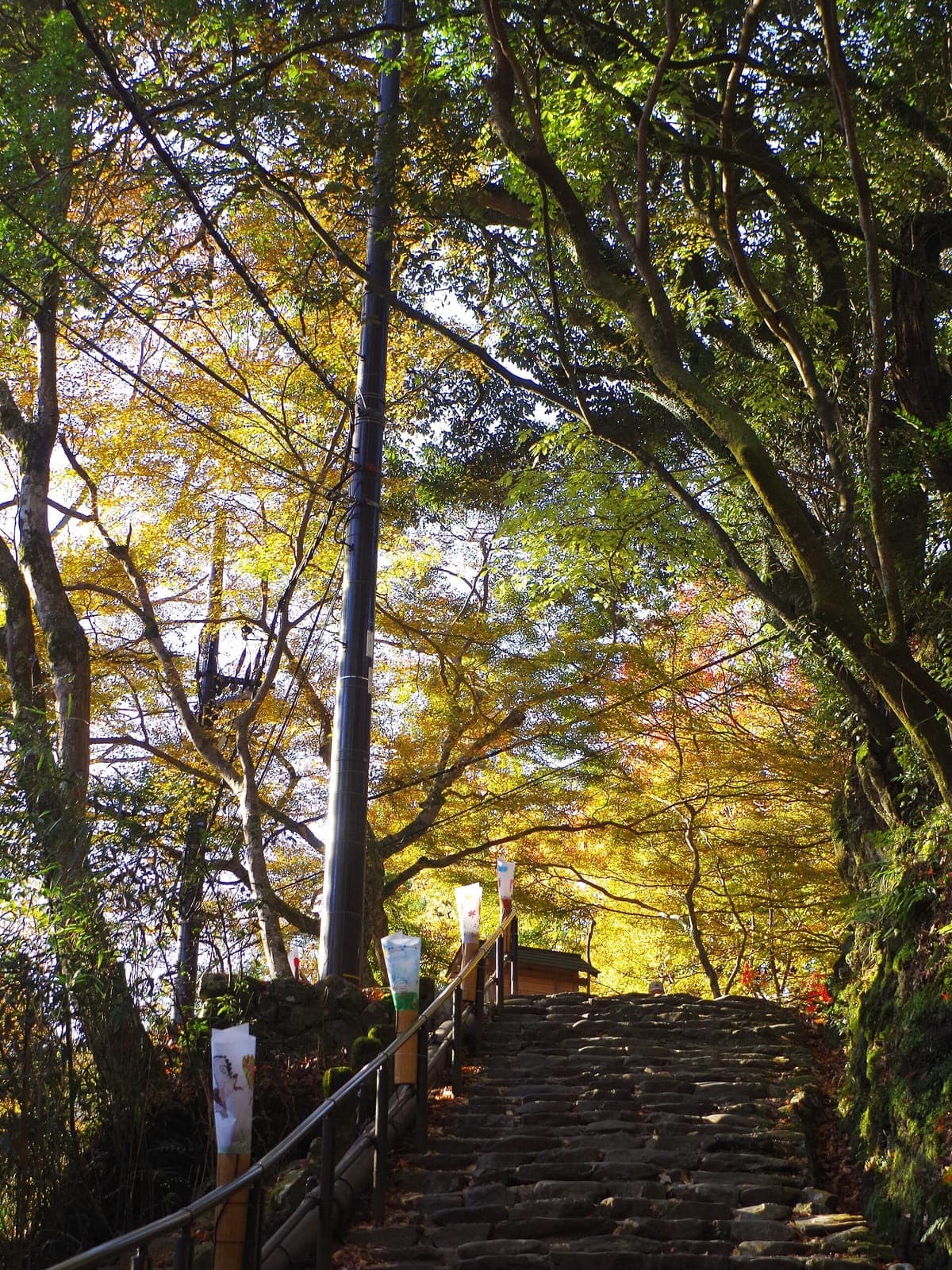
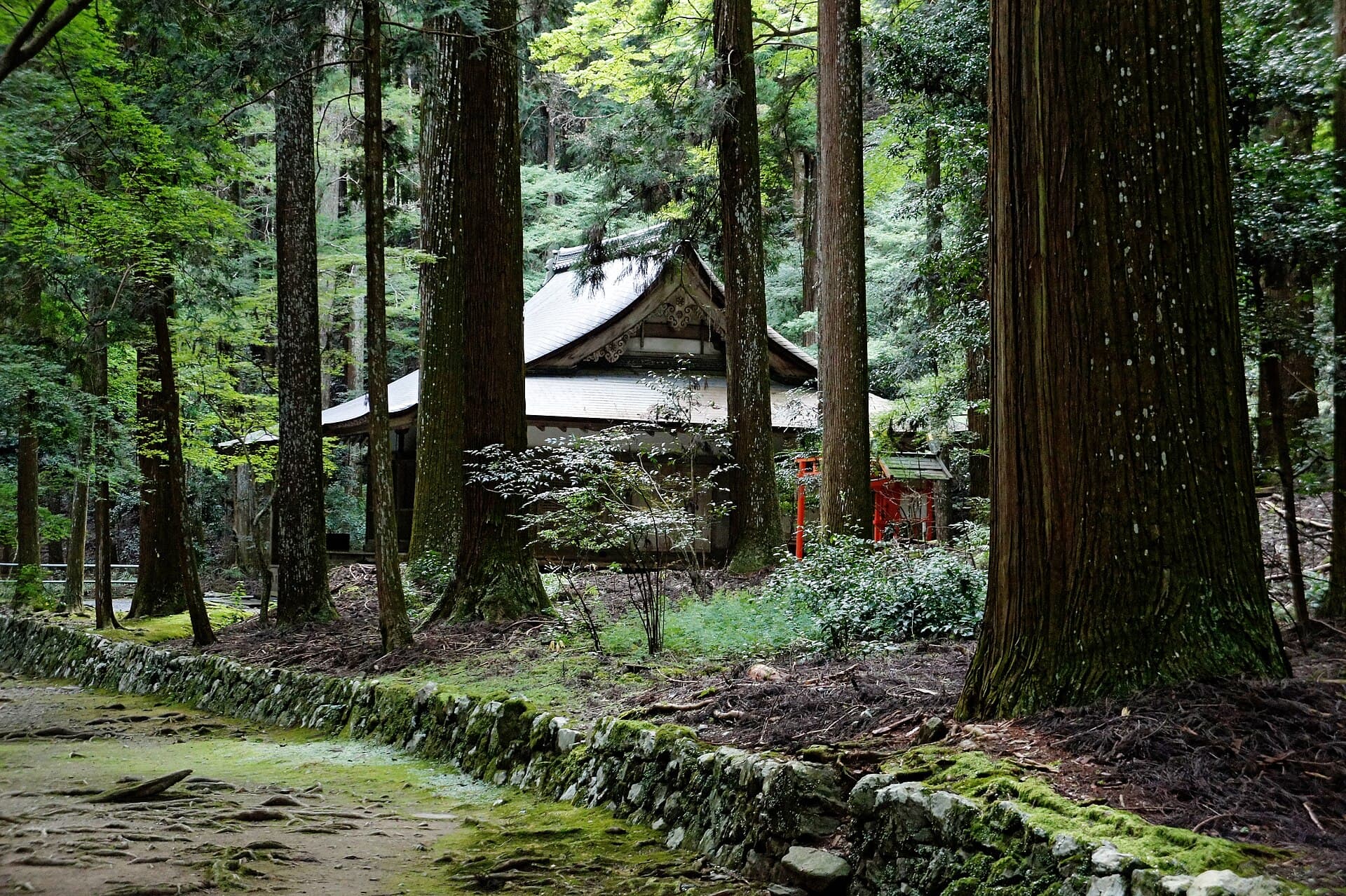
The third valley is Takao, northwest of the city, and Jingo-ji is its landmark: an 8th-century mountain temple of weathered wooden halls reached by a long stone staircase up from the Kiyotaki River. It is famous among Japanese visitors for autumn foliage, and for kawarakenage — flinging small clay discs off the cliff edge into the gorge to throw away misfortune. Travellers who go temple-hunting in Higashiyama never make it here, and the gorge stays quiet for it.
Getting there: Bus from Kyoto Station to Takao, then about a 20-minute walk (including the staircase) to the temple. Admission ¥1,000 adult (¥500 child). Open 9:00–16:00. Best in autumn.
09Kyoto
Kozan-ji
高山寺
Push a little further up the same road and you reach Kozan-ji at Toganoo, refounded in 1206 by the monk Myoe and now a UNESCO World Heritage site. It is the home of the Choju-jinbutsu-giga — the 12th–13th-century "frolicking animals" scrolls often called Japan's oldest manga — and its grounds hold what is said to be Japan's oldest tea plantation. The cedar-shaded approach to the Sekisui-in hall is prime foliage territory, and because it lies well past the busier Takao temples, it stays calm even in November.
Getting there: JR Bus (Takao-Keihoku line) from Kyoto Station to the "Toganoo" stop (~50 min), then a short walk. Admission ¥1,000 for Sekisui-in, with a ¥500 autumn surcharge. Open 8:30–17:00. Best autumn foliage (November).
10Kyoto
Miyama Kayabuki-no-Sato
美山かやぶきの里
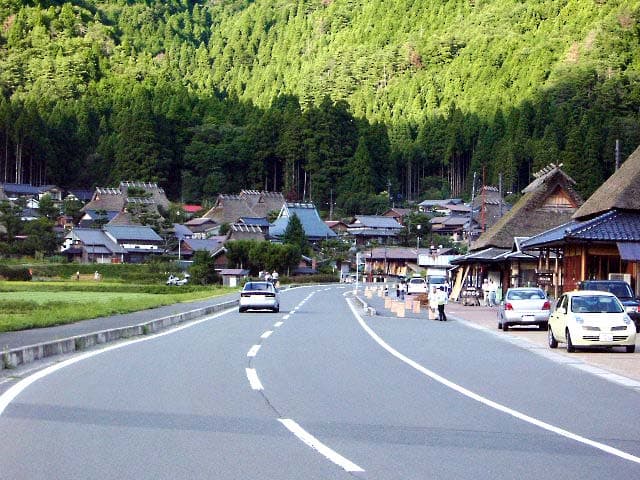
And then there is Miyama, which is not a day out from Kyoto so much as an escape from it. In the mountains of Nantan, in the far north of Kyoto Prefecture, around 40 thatched-roof kayabuki farmhouses — many of them 150 to 220 years old — cluster on a green hillside. It is not a museum: people live here, farm here, re-thatch these roofs. It has been a National Important Preservation District since 1993. In late January and early February, the Yukitoro snow-lantern illumination lights the buried village, and it is one of the most beautiful things in the country. Two hours from central Kyoto with no direct train, it is skipped by nearly every city-based visitor — which tells you everything.
Getting there: JR Sagano Line to Hiyoshi Station, then the Nantan City bus toward Miyama to the "Kayabuki-no-Sato" stop (~50 min). The village is open and free to walk at any hour. Best year-round; snow and the Yukitoro illumination in late January–early February, fresh green in May.
Getting around
Nothing up here is fast, and the north punishes over-scheduling. Kurama and Kibune are the easy pair: the Eizan Electric Railway from Demachiyanagi serves both, and the mountain trail links them, so one train ticket buys a full day. Ohara has no railway at all — it is Kyoto Bus 17 from Kyoto Station, roughly an hour, or the shorter #19 from Kokusaikaikan on the subway's north end, which is the trick locals use. Takao is a separate bus line altogether, and Miyama needs a train plus a rural bus and realistically a full day. Do not try to chain two valleys together in one afternoon; they look close on a map and are not. Check the last bus before you set out, because it leaves earlier than you would like.
When to go
November is the north's headline month — Takao, Ohara and Kurama all turn, and the foliage arrives here a week or so before it reaches the city temples below. But the shoulder seasons are the honest answer. Spring is soft and empty; the rainy season in June brings the Kibune ravine roaring to life and the moss to full glow; summer belongs to the river platforms at Kibune, several degrees cooler than the streets; and winter buries Miyama for the lantern nights. Whatever the season, start early, dress a layer warmer than you would for central Kyoto, and give each valley the whole day it asks for. For more mountain temples in this vein, see our guide to hidden Kansai temples, and if the thatched roofs of Miyama grab you, rural stays will show you how to sleep in one.
Keep exploring
- Hidden Kansai Temples: Zero-Crowd Alternatives to Kyoto — the same instinct, applied across Nara, Shiga and Wakayama.
- Autumn Leaves Off the Beaten Path — where to catch November colour without the crush.
- Rural Stays: Shukubo Temple Lodging & Farmhouse Japan — spend the night in the mountains instead of commuting back.
- Kansai Beyond Kyoto: Wakayama & the Kii Peninsula — keep going once the city is behind you.
Ready to plan? Build your own hidden-Japan itinerary → — our trip generator turns any of these spots into a day-by-day route.