Kansai6 min read
Hidden Kansai Temples: Zero-Crowd Alternatives to Kyoto
Quiet temples in Kansai off the beaten path — 9 zero-crowd Kyoto alternatives across Nara, Shiga and Wakayama where you can hear the moss grow.
Best time: Spring & autumn
Hidden Kansai Temples: Zero-Crowd Alternatives to Kyoto
If you have ever shuffled through Kiyomizu-dera in a slow river of selfie sticks, or fought for a clear photo at the Fushimi Inari torii gates, you already know the problem: Kansai's greatest hits are magnificent, and they are mobbed. But the same region hides dozens of temples and gardens where you can sit on a wooden veranda, listen to a cedar forest, and go a full hour without seeing another foreign face. This is a guide to quiet temples in Kansai off the beaten path — genuine Kyoto alternatives scattered across the old capital's northwest mountains, the deer-park fringes of Nara, the sacred islands of Lake Biwa in Shiga, and the pilgrim country of Wakayama. Every one of these places is real, walkable, and calm enough to hear the moss grow. Bring good shoes, a little patience for local buses, and the willingness to trade one famous view for nine you will remember longer.
01Kyoto
Kozan-ji
高山寺
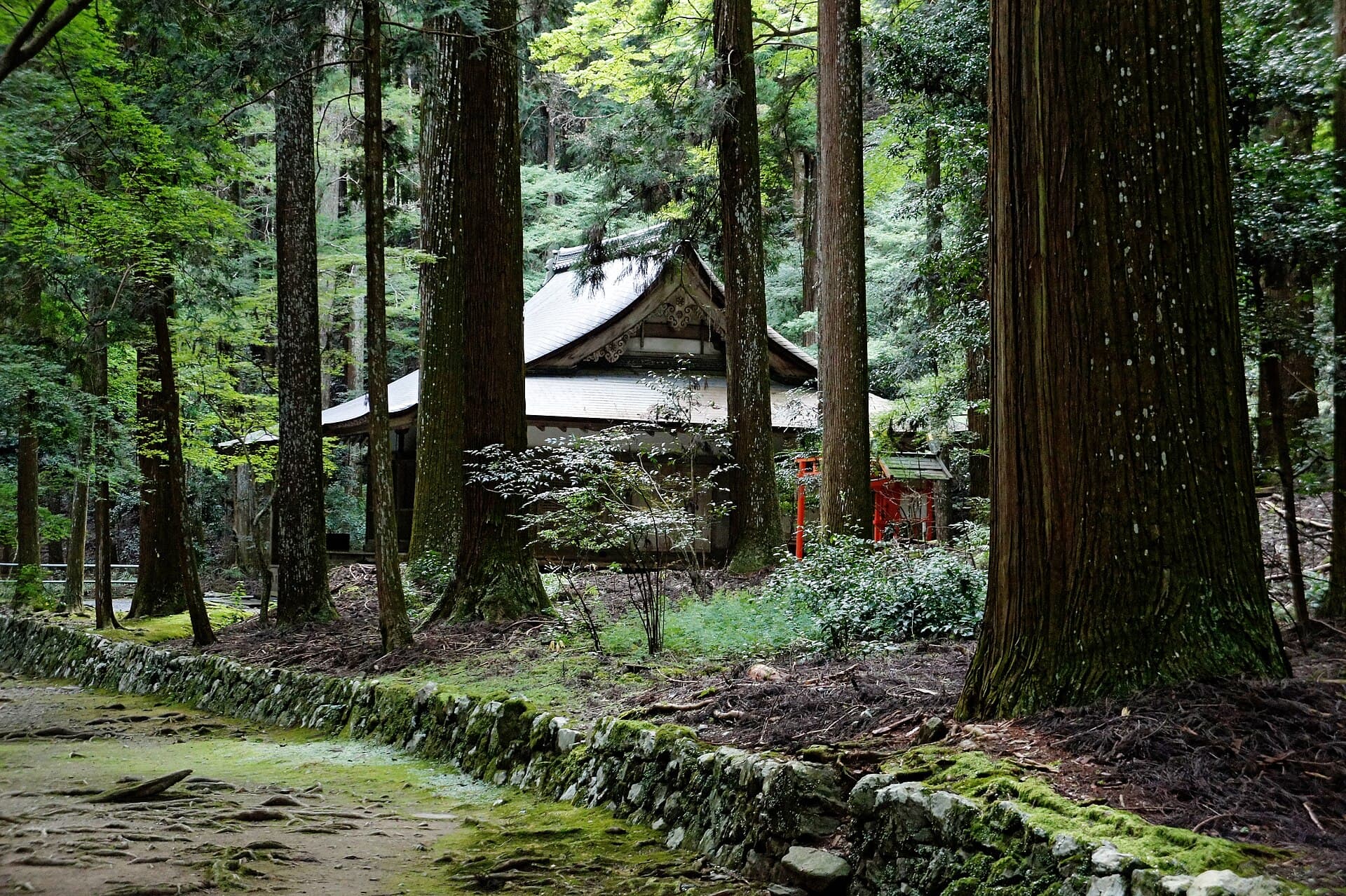
A remote mountain temple in Toganoo, refounded in 1206 by the monk Myoe and now a UNESCO World Heritage site, Kozan-ji is famous among scholars as the home of the Choju-jinbutsu-giga — the 12th-13th-century "frolicking animals" scrolls often called Japan's oldest manga. The Sekisui-in hall and its cedar-shaded approach are prime autumn-foliage territory, and the grounds hold what is said to be Japan's oldest tea plantation. It stays quiet because it lies about 50 minutes by bus up into the northwestern mountains, well past the busier Takao temples like Jingo-ji.
Getting there: JR Bus (Takao-Keihoku line) from Kyoto Station to the "Toganoo" stop (~50 min), then a short walk. Admission ¥1,000. Best autumn foliage (November).
02Kyoto
Daikaku-ji Temple
大覚寺
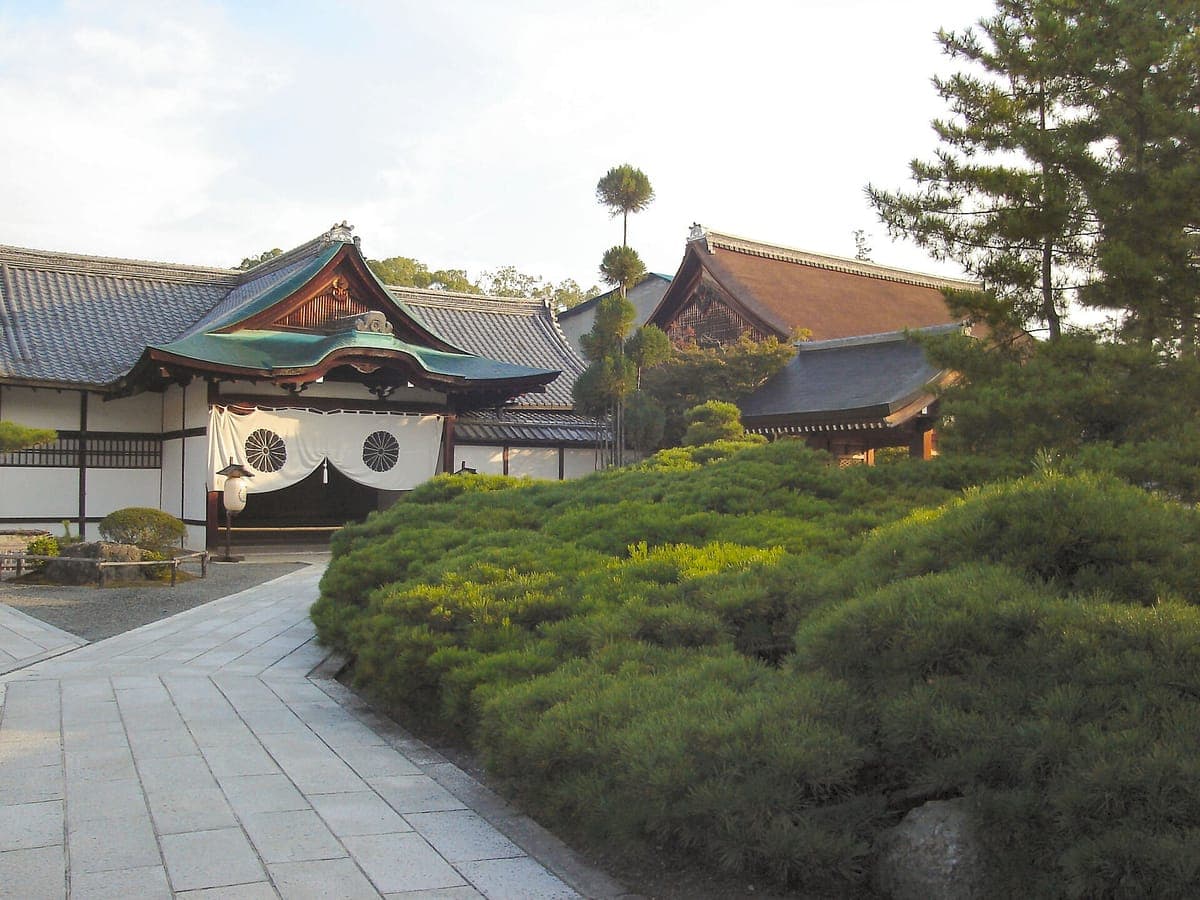
Established in the 8th century as an imperial villa, Daikaku-ji sits at the far, calm end of the Arashiyama district — the side the day-trip crowds rarely reach. Its highlight is Osawa-no-ike, a serene pond ringed by cherry trees in spring, with a rock garden and grand tatami halls that once housed emperors. While the bamboo grove a few kilometres away heaves with visitors, Daikaku-ji's landscape gardens stay unhurried and reflective.
Getting there: Take the JR Sanin Line to Saga-Arashiyama Station, then a 15-minute walk to the temple. Admission ¥800 for the main hall and temple area (the Osawa Pond area is a separate ¥500). Best spring and autumn.
03Kyoto
Okochi Sanso Villa
大河内山荘
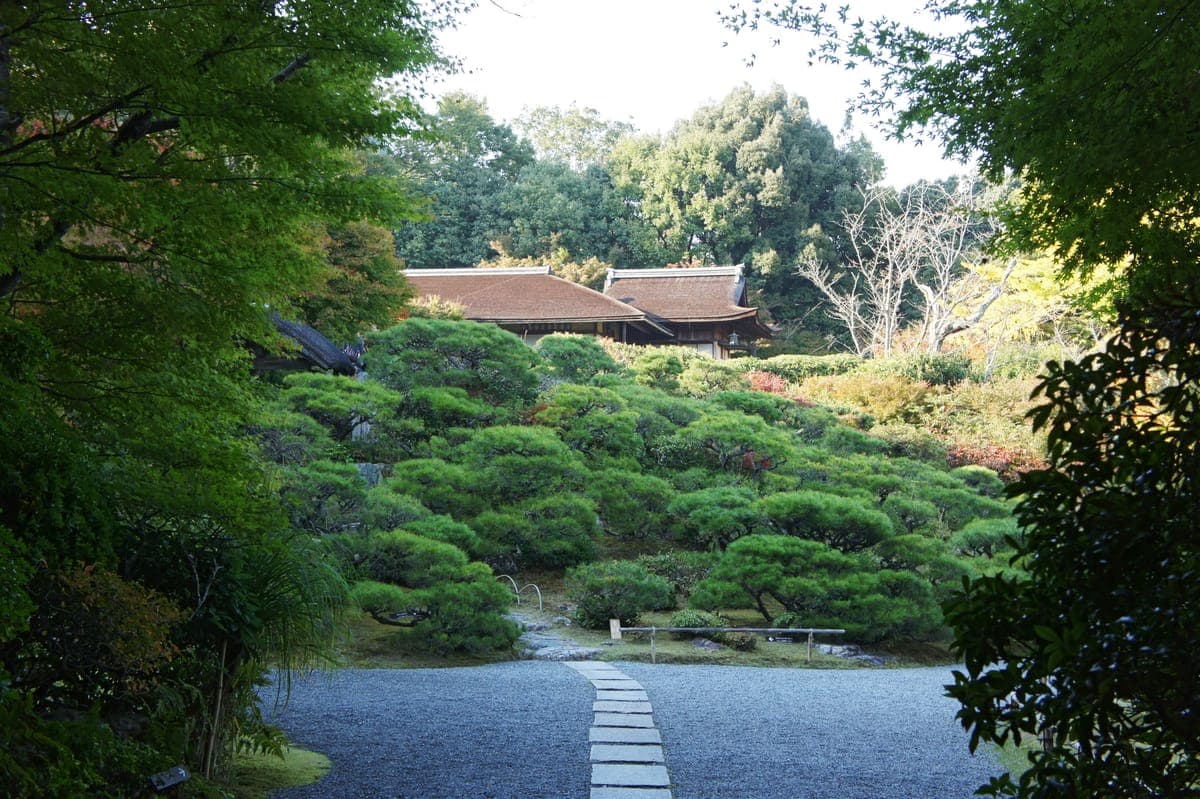
Built by the silent-film star Denjiro Okochi, this traditional villa and garden climbs the Arashiyama hillside with tea houses, moss, and framed views of the surrounding mountains and the Hozu River valley below. Most travelers photograph the nearby bamboo path and leave; the ones who climb the villa's stone steps get a hushed, beautifully composed garden — and a bowl of matcha to sit with.
Getting there: A short walk from Arashiyama Station on the JR Sagano Line (Torokko Arashiyama Station is 2 minutes away). Admission ¥1,000, which includes matcha tea and sweets. Best spring and autumn.
04Kyoto
Jakkoin Temple
寂光院
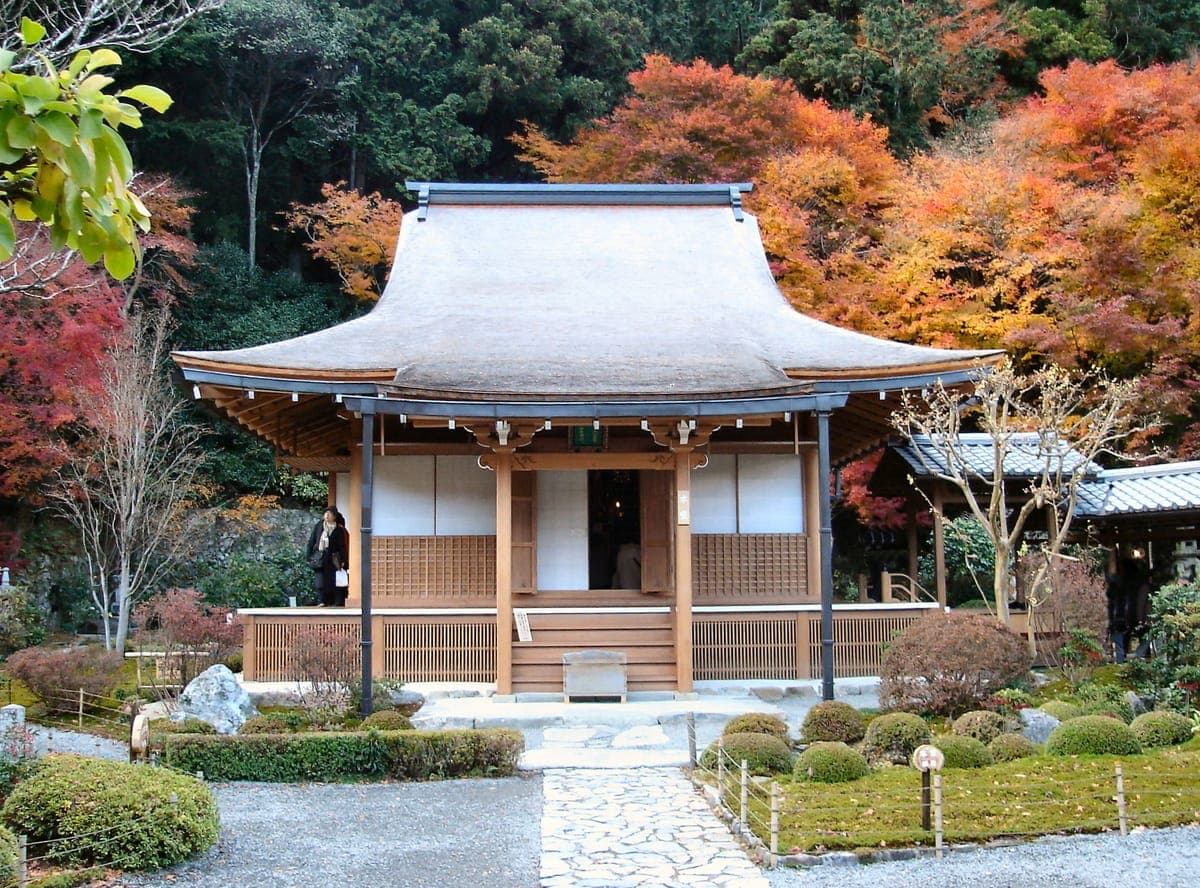
Tucked into the northern hills of Ohara, Jakkoin is a small, intimate Buddhist convent wrapped in gardens that turn gold and crimson in autumn. It carries a melancholy history as a retreat for the imperial court, and that hush still hangs over the place. Most Kyoto itineraries never make it this far north, which is exactly why the garden feels like a private one.
Getting there: Take a bus from Kyoto Station to the Jakkoin Temple stop, then a short walk. Admission ¥600 (includes a small art gallery). Best autumn.
05Nara
Isui-en Garden
依水園
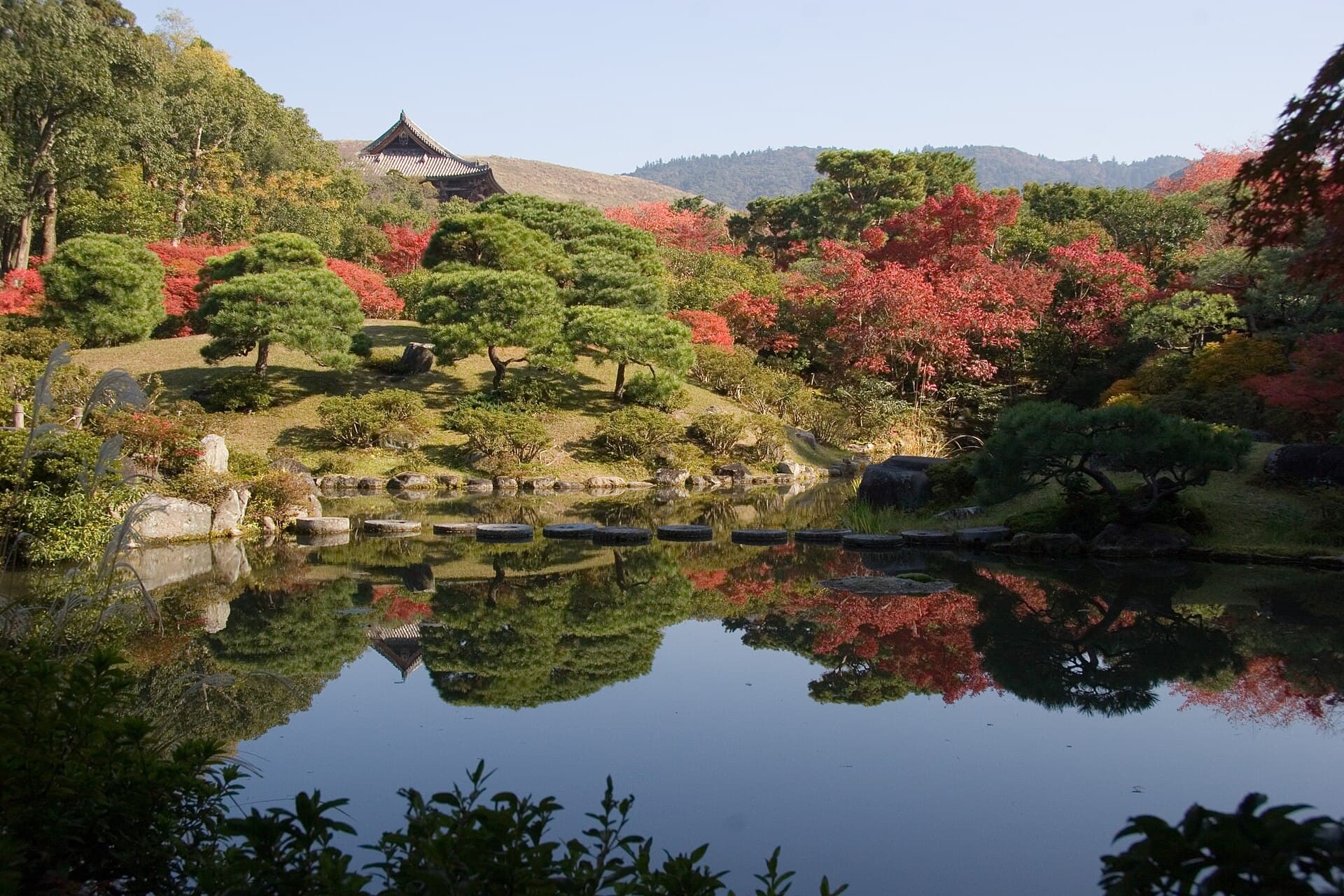
The only kaiyushiki (walking) garden in Nara, Isui-en is actually two gardens in one, blending ponds, stepping stones and teahouses with "borrowed scenery" of Mount Wakakusa and Todai-ji's rooftops in the distance. It sits five minutes off the main Nara Park path, beside Todai-ji's Nandaimon gate — a detour most of the deer-and-temple crowds walk straight past, so you can sit with that borrowed-scenery view almost to yourself. The grounds also share space with the small Neiraku Museum of East Asian art.
Getting there: About a 20-minute walk from Kintetsu Nara Station, just outside Todai-ji's Nandaimon gate; look for the unmarked entrance path beside the museum sign. Best autumn (November) foliage and fresh spring greenery (April-May).
06Nara
Tōdai-ji Nigatsu-dō
東大寺二月堂
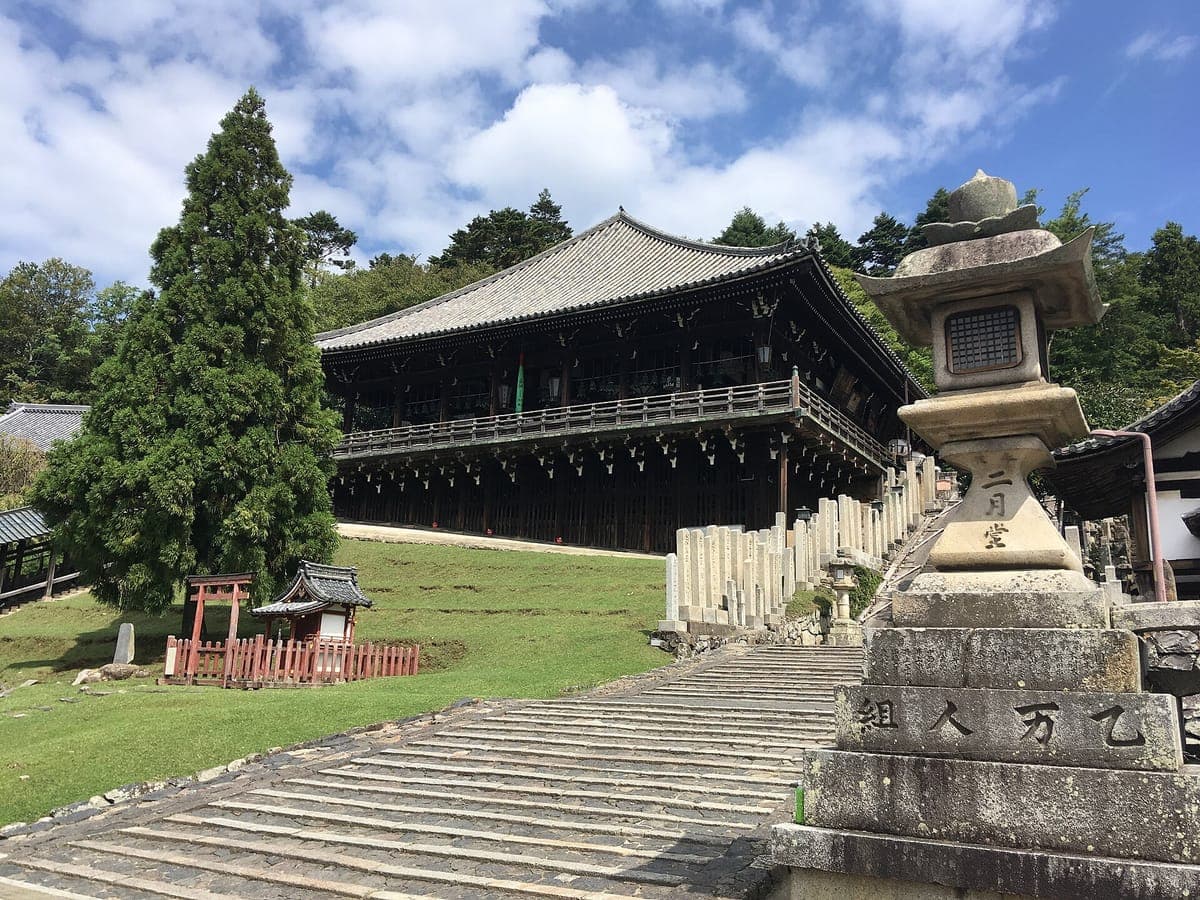
Everyone lines up for Todai-ji's Great Buddha; almost nobody climbs the hill behind it to Nigatsu-dō, a wooden hall perched on the eastern slope with a balcony that sweeps out over all of Nara. It is the stage for the ancient Omizutori fire ceremony each March, but on an ordinary afternoon it is simply one of the best free viewpoints in Kansai, reached by a lantern-lined stone path.
Getting there: On foot from Nara Park, a short walk uphill from the main Todai-ji hall (about 29 minutes from Kintetsu-Nara Station). Free. Best spring and autumn.
07Shigahidden gem
Doganji Kannon-do (Kogen-ji)
渡岸寺観音堂(向源寺)
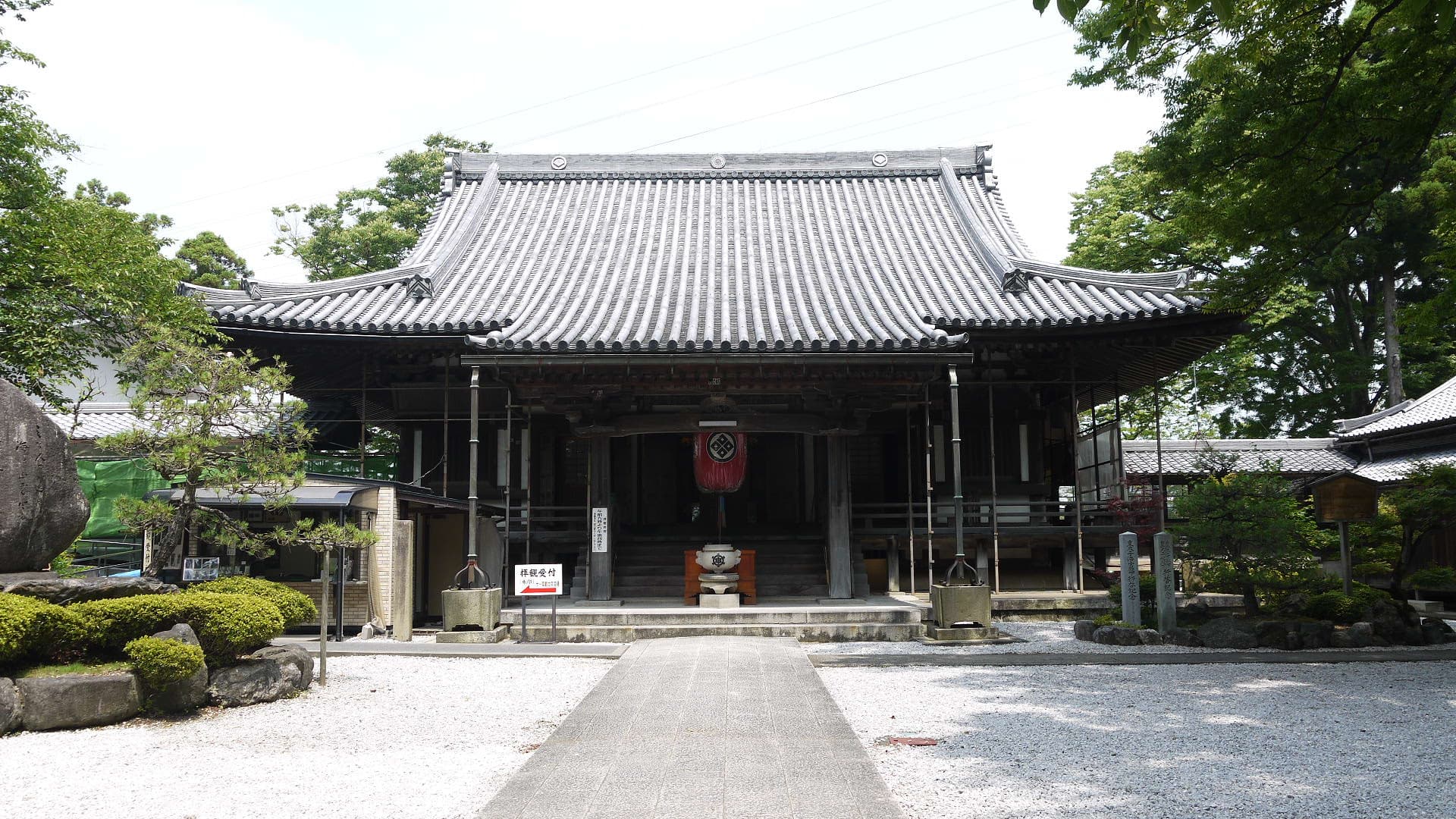
This is the archetypal Hidden Japan story. A modest rural temple hall in the hamlet of Takatsuki-cho, near Nagahama in Shiga, Doganji houses one of only seven National Treasure eleven-faced Kannon (Juichimen Kannon) statues in Japan — widely regarded by scholars as the most beautiful of the group, a masterwork of Heian-period wood sculpture. Villagers buried the statue to save it from Sengoku-era warfare, and their descendants still look after it today, in a corner of Kohoku known as the "Kannon Village." Outside pilgrim and specialist circles, almost no one comes.
Getting there: A 5-minute walk from Takatsuki Station on the JR Hokuriku Line (about 20 minutes from Maibara); free parking on site. Admission ¥500. Open 9:00-17:00 (9:00-16:00 December-February).
08Shigahidden gem
Chikubushima
竹生島
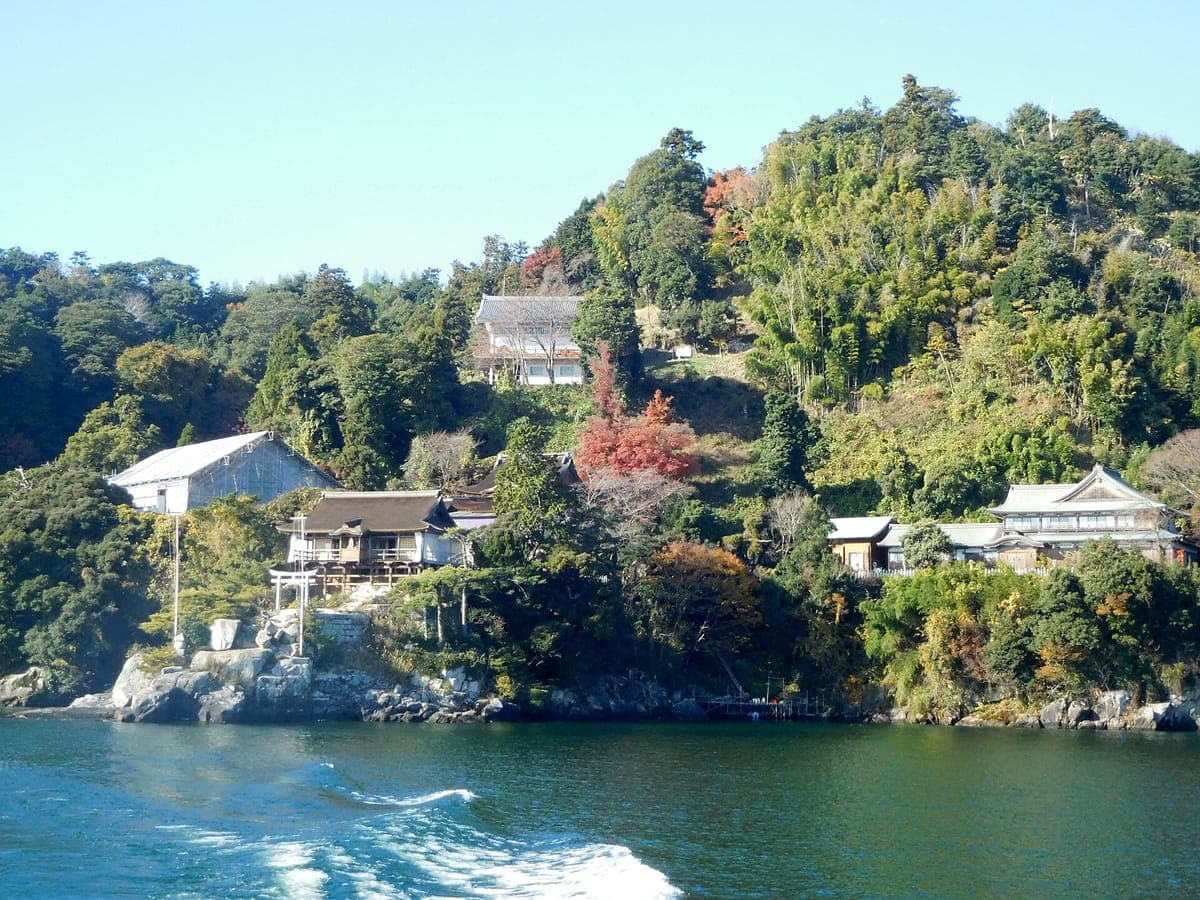
A sacred island rising steeply out of Lake Biwa, reached only by boat, Chikubushima has been an "island of the gods" for over a thousand years. Stone steps climb past Hogon-ji temple and the ornate Tsukubusuma Shrine, where you can throw a kawarake clay disc through a lakeside torii to make a wish. Because it takes a ferry to get here, this ancient place stays remarkably quiet even in peak season.
Getting there: By ferry from Nagahama or Hikone ports on Lake Biwa. Best spring through autumn (ferry-dependent).
09Wakayamahidden gem
Okunoin Cemetery
奥の院
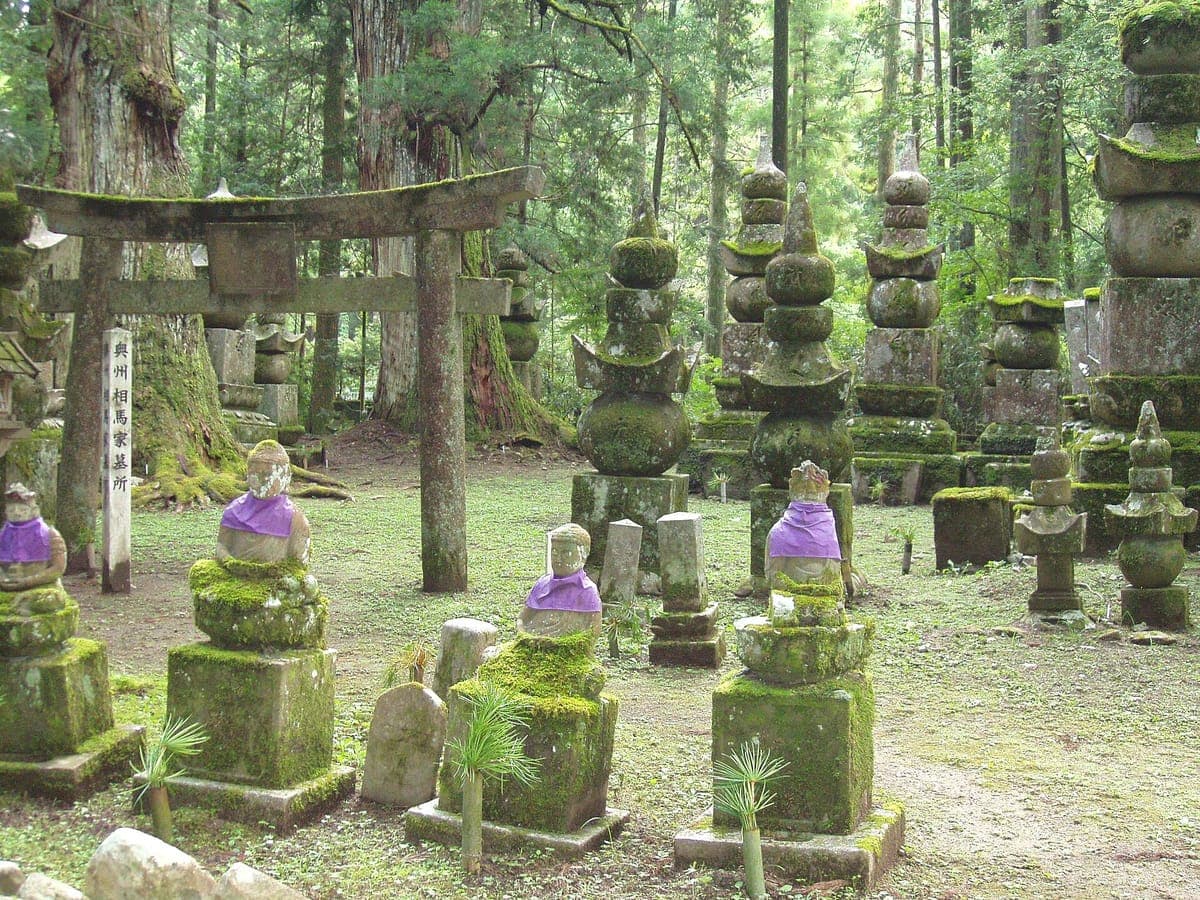
The largest cemetery in Japan and the spiritual heart of Koyasan, Okunoin is the resting place of Kobo Daishi, founder of Shingon Buddhism. A two-kilometre path winds beneath towering ancient cedars past more than 200,000 moss-covered tombstones and lanterns to the Torodo Hall and Kobo Daishi's mausoleum. Most day-trippers cluster around Koyasan's more accessible temples; walk the Okunoin path at dawn or dusk and the mist, the cedars and the silence do the rest.
Getting there: From Koyasan (up the mountain via cable car and train from Osaka), take a bus about 30 minutes to Okunoin. Free. Best autumn and spring.
When to go
Kansai's temple country is at its finest in the shoulder seasons. Late November is the headline act: Kozan-ji, Jakkoin, Isui-en and the Arashiyama villas all catch fire with maple foliage, and because these spots are off the main circuit, the color comes without the crush you would find at Tofuku-ji or Eikan-do. Spring brings a softer palette — cherry blossom over the Osawa pond at Daikaku-ji, fresh green at Isui-en, plum and camellia along the Lake Biwa shore. Summer is humid and quiet; winter is cold and quieter still, with the mountain temples of Toganoo and the cedars of Okunoin at their most austere and atmospheric. Whenever you go, start early. Even hidden temples reward the first visitor of the day, and the local buses and ferries that keep these places quiet also keep them slow — build in more travel time than you think you need, and let the journey be part of it.
Keep exploring
- Kansai Beyond Kyoto: The Kii Peninsula — where these temples sit in a wider quiet-Kansai route.
- Sacred Japan: Kumano, Koya & Dewa — go deeper into the pilgrim country around Okunoin and Wakayama.
- Autumn Leaves Off the Beaten Path — more crowd-free foliage across Japan when November comes.
- Kyoto's Quiet North — the mountain valleys north of the city — Kurama, Ohara, Miyama.
Ready to plan? Build your own hidden-Japan itinerary → — our trip generator turns any of these spots into a day-by-day route.