Multi6 min read
Rural Stays: Shukubo Temple Lodging & Farmhouse Japan
A shukubo temple stay, farmhouse stay, japan rural sleepover guide — gassho villages, thatched post towns, the Iya Valley and Koyasan monks' lodgings.
Best time: Year-round (magical in snow)
Rural Stays: Shukubo Temple Lodging & Farmhouse Japan
The day-tripper and the overnighter see two entirely different countries. Almost everyone visits rural Japan on a fast loop — a bus in, two hours among the thatched roofs, a bus out before the light softens. But the whole point of a shukubo temple stay, a farmhouse stay, and japan rural sleeping in general is what happens after the coaches leave: the dawn mist over a snowbound valley, lantern-light on old timber, monks chanting before breakfast, a soba dinner in a 200-year-old kitchen. This guide gathers the places worth staying the night, across four distinct kinds of rural Japan — the steep-roofed gassho farmhouse villages of the Hida mountains, the thatched post and farm towns strung along old highways, the vine-bridge wilderness of the Iya Valley, and the working monasteries of Koyasan, where you sleep inside the temple itself. Pick one, slow right down, and stay over.
01Gifu
Shirakawa-go
白川郷
The most famous of the gassho-zukuri villages, Shirakawa-go is a UNESCO site of steep-thatched farmhouses tucked into a snowbound Hida valley, at its most photogenic during the winter illuminations. But most travellers only ever see it as a day trip — the real value is the dawn light before the tour buses arrive, which means staying overnight in one of its farmhouse minshuku is the version very few people experience.
Getting there: Reached by highway bus into the Shirakawa-go valley from Takayama or Kanazawa; overnight farmhouse minshuku are booked ahead. Best in winter (snow) and autumn.
Gokayama Village
Just over the prefectural line in Toyama, Gokayama is a UNESCO mountain village of gassho-zukuri farmhouses built to shrug off heavy winter snow, wrapped in quiet valleys and forest. It is the calmer, less crowded alternative to Shirakawa-go — many travellers flock to the famous name and overlook the equally beautiful hamlets next door.
Getting there: From Toyama City, a bus reaches Gokayama in about 1.5 hours; roughly 2h 47m by car from Nagoya Station. Best in autumn for foliage or winter for the snow-covered landscapes.
Ainokura Village
Ainokura is the highest gassho-style hamlet in Japan, its steep thatched roofs sitting in easy harmony with the mountains around them. In winter it disappears under a thick blanket of snow into a proper winter wonderland; in spring it fills with wildflowers. Its remoteness — and the pull of more accessible villages like Shirakawa-go — keeps the crowds thin.
Getting there: From Toyama City, take a bus to Ainokura (approximately 1.5 hours); about 2h 42m by car from Nagoya Station. Walking the gassho village itself is free (a ¥1,000-per-car conservation fee applies to vehicles only). Best in winter for snow or spring for wildflowers.
02Fukushima
Ouchijuku
大内宿
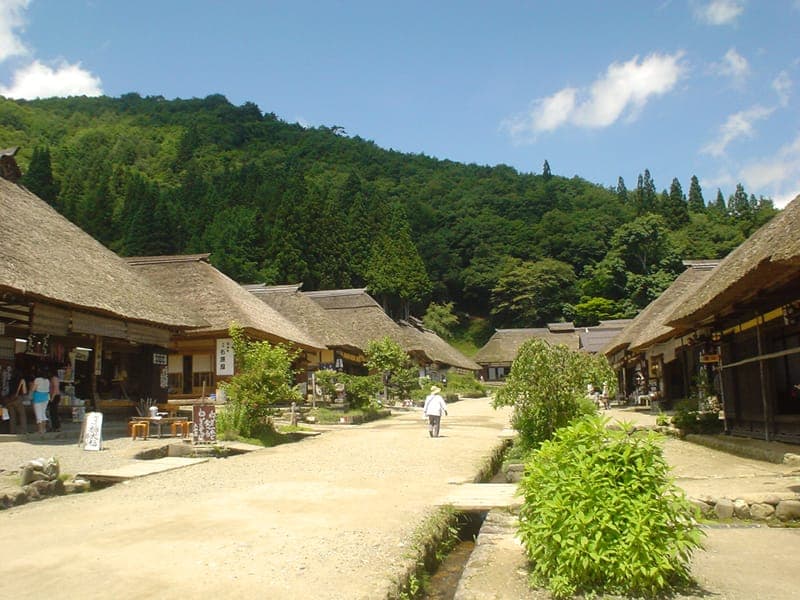
Off in the Fukushima mountains, Ouchijuku is an Edo-period post town where a single street of thatched-roof houses runs between the hills. Its signature is the negi soba — buckwheat noodles eaten with a whole raw leek in place of chopsticks — a genuinely odd, genuinely local culinary experience in a beautiful setting. Its distance from the big cities is exactly why it stays overlooked.
Getting there: From Aizuwakamatsu Station, a bus reaches Ouchijuku in about 30 minutes; nearest rail is Yunokamionsen Station. About 2h 48m by car from Sendai Station. Best late spring to early autumn.
03Kyoto
Miyama Kayabuki-no-Sato
美山かやぶきの里
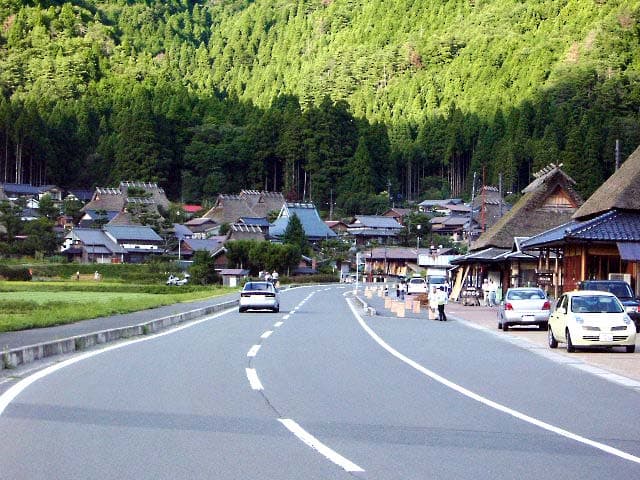
A living farming hamlet in the mountains of far northern Kyoto Prefecture, Miyama gathers around 40 thatched (kayabuki) farmhouses — many 150 to 220 years old — on a green hillside, protected as a National Important Preservation District since 1993. In late January and early February the "Yukitoro" snow-lantern illumination lights the snow-blanketed village. Two hours from central Kyoto with no direct train, it is skipped by nearly every city-based tourist.
Getting there: JR Sagano Line to Hiyoshi Station, then a Nantan City bus toward Miyama to the "Kayabuki-no-Sato" stop (~50 min). Year-round, with the snow and Yukitoro illumination in late January/early February and fresh green in May.
04Gifu
Magome
馬籠
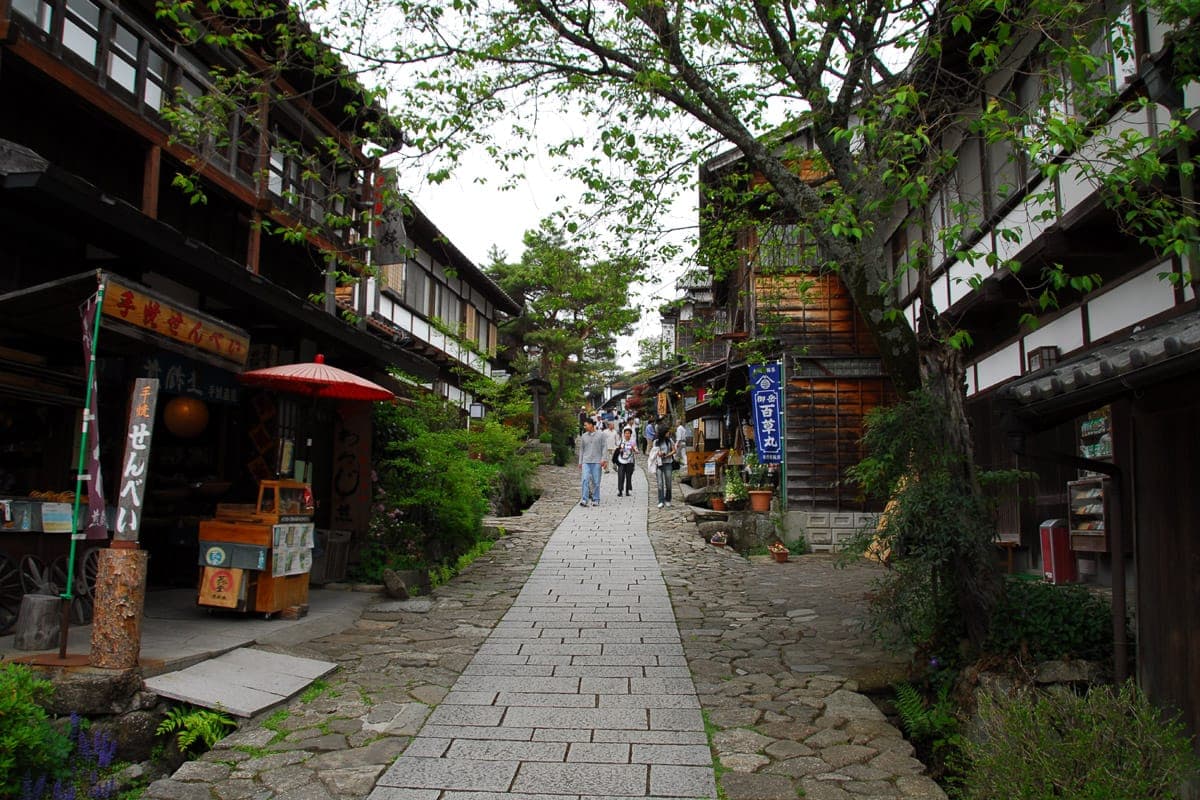
Magome is a restored post town on the old Nakasendo highway, its stone-paved slope lined with Edo-period timber buildings and opening onto wide mountain views. It anchors the walkable trail over to neighbouring Tsumago — one of Japan's classic short hikes between two historic towns — yet many travellers chase Takayama or Shirakawa-go and pass it by. Stay the night at either end and you get the trail to yourself in the early morning.
Getting there: Bus from Nakatsugawa Station (reached by train from Nagoya); nearest rail is Ochiaigawa Station. About 1h 24m by car from Nagoya Station. Best in spring or autumn.
05Iwate
Tono Valley
遠野市
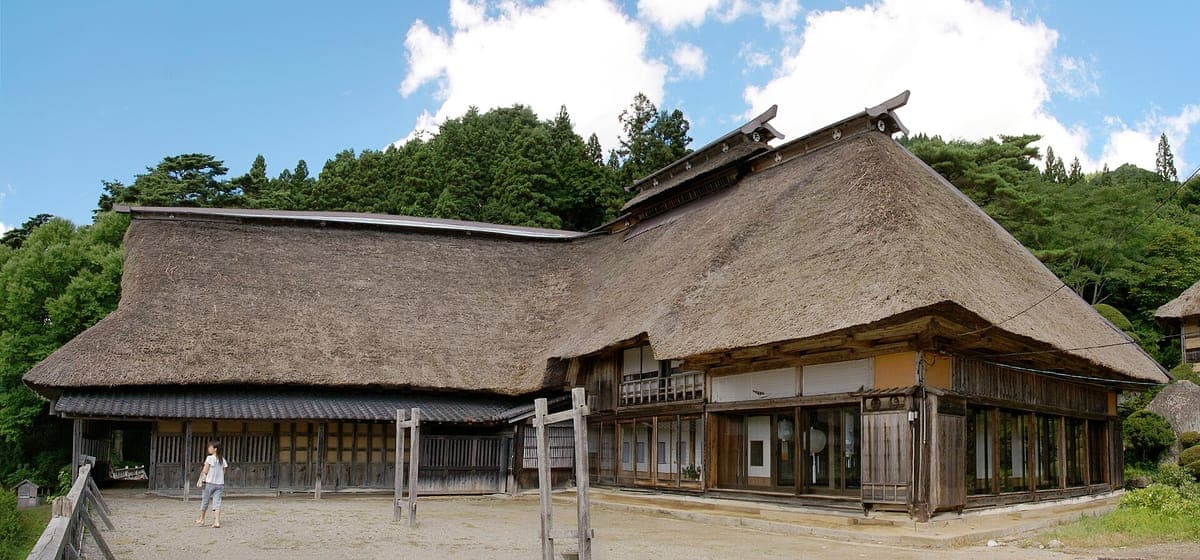
In rural Iwate, the Tono Valley is Japan's folklore heartland — the home of kappa water-spirit legends and traditional thatched farmhouses that hold the spirit of old Tohoku. It rewards slow exploration: enchanting landscapes threaded with local legends passed down over generations, all of it overlooked in favour of more famous names.
Getting there: From Morioka, the railway reaches Tono Station in about an hour; the station sits right in town (1-minute walk). About 2h 30m by car from Sendai Station. Best in spring and autumn for the scenery.
06Tokushimahidden gem
Iya Valley
祖谷渓
Deep in Shikoku's mountainous interior, the Iya Valley is a mist-bound gorge where vine bridges sway over jade-green water and feudal-era refugees once hid from their pursuers. Most foreign visitors stop in Tokushima city and never climb into the highlands — the valley is reached only by winding rural roads with infrequent buses, and that geography is exactly what keeps the crowds out. Thatched farmhouse lodgings scattered across the slopes make it one of the most atmospheric overnight stays in the country.
Getting there: Winding rural roads and infrequent buses from Tokushima or the Oboke rail area; a rental car makes the valley far easier. Best in spring and autumn, with the koyo foliage peaking in early November.
07Wakayama
Koyasan
高野山
Koyasan is not a farmhouse but the fourth face of rural Japan: a mountaintop monastic town founded by Kukai in 816, with over 100 working temples and the Okunoin cemetery, where 200,000 lanterns light a path through towering cryptomeria forest at night. Here the rural stay is a shukubo — you sleep inside a temple, eat shojin-ryori vegetarian cuisine, and join the monks for morning prayers. Most Kansai visitors prioritise Kyoto and Nara and never make the detour, which is what leaves the mountain so quiet.
Getting there: A roughly two-hour trip via the Nankai Koya Line, cable car and a short bus; temple lodgings are booked in advance. Best in spring and autumn (winter is bitterly cold).
When to go
Rural Japan is genuinely a four-season destination, and the archetype you choose shapes the timing. The gassho villages — Shirakawa-go, Gokayama, Ainokura — are at their most magical under deep winter snow, with illuminations turning the thatched roofs into something out of a woodblock print; autumn foliage is the gentler-weather alternative. The thatched towns split the difference: Miyama's Yukitoro snow lanterns light up in late January and early February, while Ouchijuku is easiest from late spring to early autumn, and the Magome-Tsumago walk is loveliest in spring or autumn. The Iya Valley and Tono both peak in spring and autumn, with Iya's koyo colour cresting in early November. Koyasan is best in spring and autumn — beautiful but bitterly cold in the depths of winter. Whatever the season, the single rule that unlocks all of these places is the same: stay the night, and own the hours the day-trippers never see.
Keep exploring
- Sacred Japan: Kumano, Koya & Dewa — the pilgrimage side of Koyasan and Japan's other holy mountains.
- The Japan Alps: Nagano & Gifu — the high country that holds the gassho villages and Nakasendo post towns.
- Onsen Towns Without a Car — rural hot-spring stays you can reach on public transport alone.
Ready to plan? Build your own hidden-Japan itinerary → — our trip generator turns any of these spots into a day-by-day route.