Chugoku6 min read
The San'in Coast in Winter: Crab, Onsen & Empty Shores
A San'in coast winter crab season travel guide to Shimane & Tottori — snow-dusted myth country, quiet onsen, empty singing-sand shores and cave temples.
Best time: November–March (crab season)
Most travelers file Shimane and Tottori under "someday," and almost nobody pencils them in for winter. That is exactly the point. From November to March the San'in coast turns quiet and grey-gold: the Sea of Japan pushes cold swell onto empty beaches, snow dusts the old temple roofs and mountain shrines, and the region's kitchens turn to matsuba-gani — the prized snow crab that defines a San'in winter and gives crab season its Nov–Mar rhythm. This is Japan's least-crowded corner at its most atmospheric — myth country off-season, castle towns under low cloud, onsen steam rising against bare hills. If you want San'in coast winter crab season travel without the tour buses, here are nine hidden spots across Shimane and Tottori that reward a cold-weather visit, and how to reach each one.
01Shimane
Izumo Taisha
出雲大社
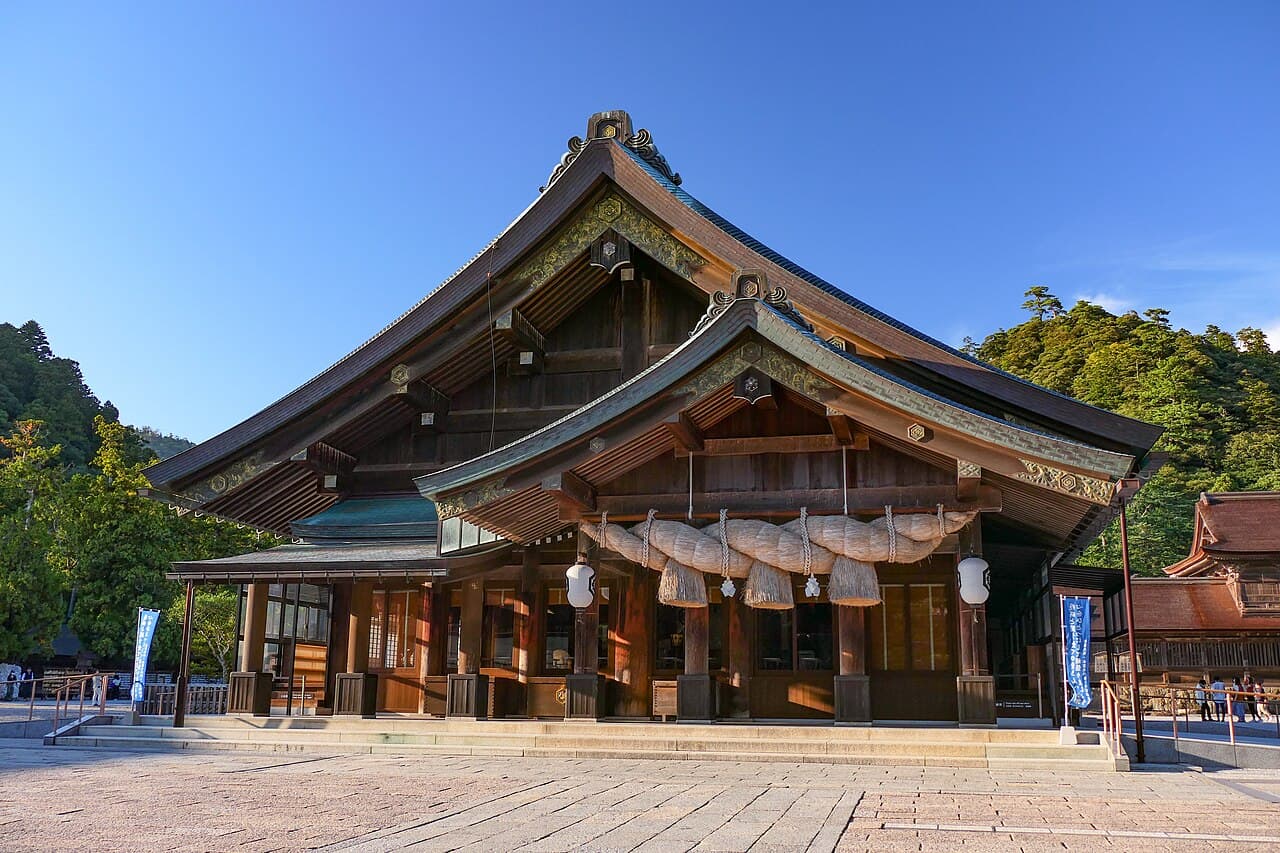
Winter strips Izumo Taisha back to what it is: one of Japan's oldest and most important Shinto shrines, dedicated to Okuninushi, the deity of relationships. Its towering shimenawa rope and unique taisha-zukuri architecture feel even more monumental under a flat winter sky, and with the October gods-gathering festival long past, the great grounds are yours to wander in near-silence — a rare thing at a shrine of this stature. Getting there: From Matsue City, take the JR San'in Line to Izumo-shi Station, then a local bus or taxi; the shrine is a 13-minute walk from Izumoshi Station. Free (treasure hall ¥300 separately). Best October.
02Shimanehidden gem
Gakuenji Temple
鰐淵寺
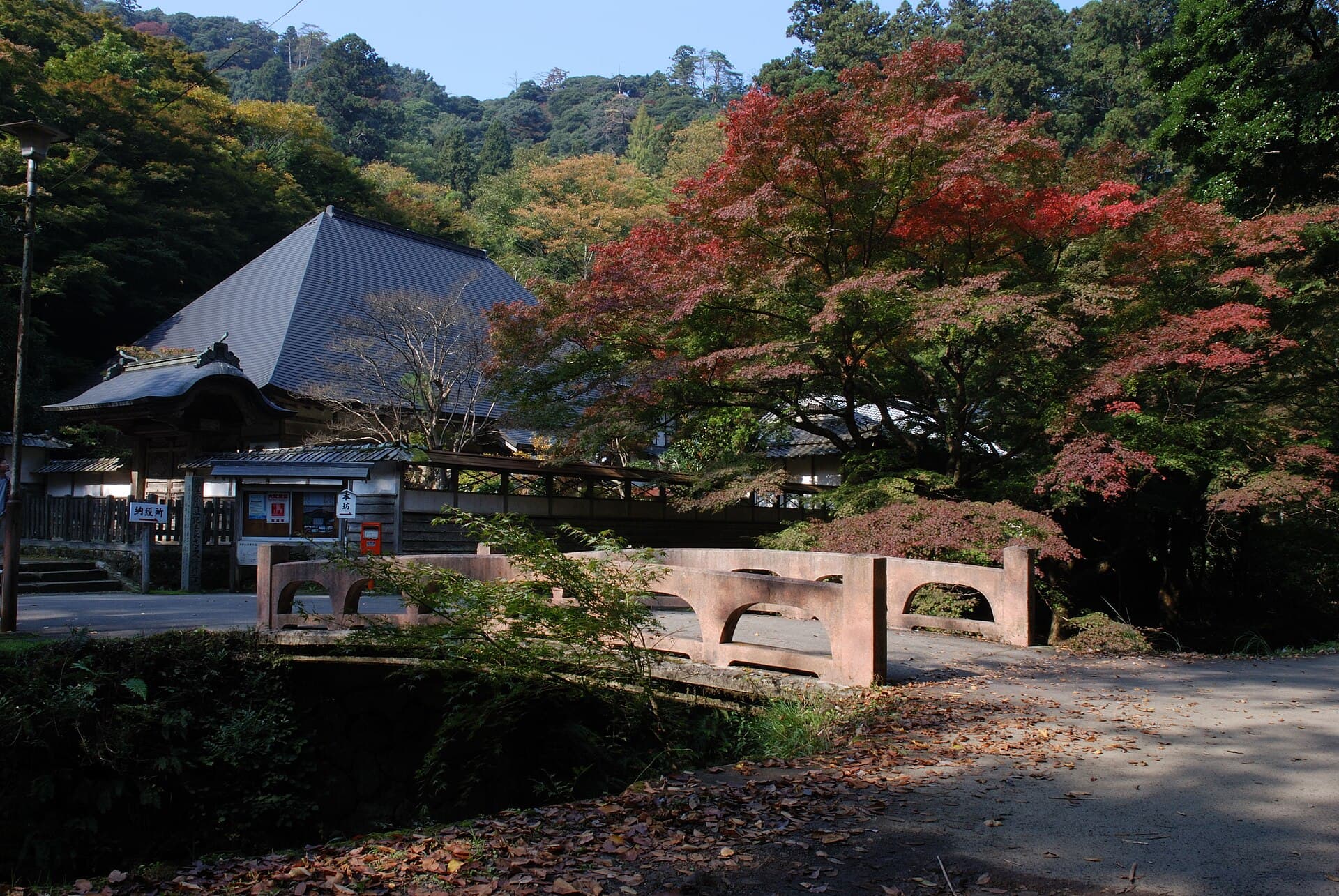
North of the Izumo crowds, in the Kitayama hills, Gakuenji was for centuries the largest temple in Izumo Province and a major Shugendo mountain-training site centered on the Uro-no-taki waterfall. Founded by legend in 594, it carries genuine Benkei history and holds two 7th-century bronze Kannon statues. In winter the mossy stone stairs and cedar slopes take on a hushed, snow-flecked stillness that the spring-green and autumn-leaf crowds never see. Getting there: About 25 minutes by car from Unshu-Hirata Station; there is no direct public transit, so a taxi or rental car is recommended. Admission ¥500. Best in spring for fresh greenery, autumn for foliage.
03Shimanehidden gem
Lafcadio Hearn's Former Residence
小泉八雲旧居
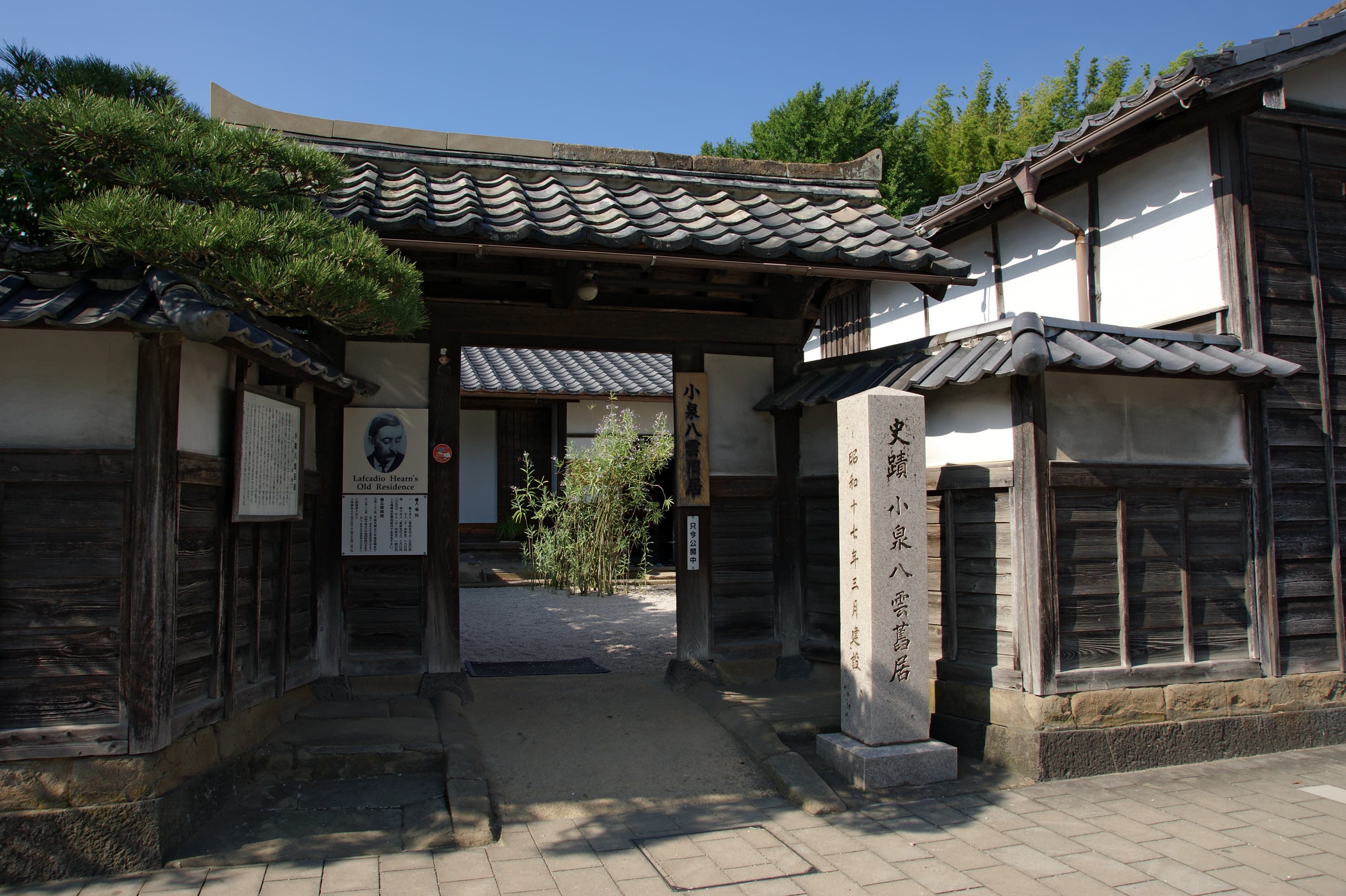
Beside Matsue Castle's moat, in the Shiomi Nawate samurai district, stands the modest Kyoho-era house where Lafcadio Hearn (Koizumi Yakumo) lived with his wife Setsu in 1891. The garden he immortalized in In a Japanese Garden survives intact, and a cold, clear Matsue morning — frost on the raked gravel, the moat still — is arguably the truest way to feel the melancholy beauty Hearn wrote about. Most castle visitors walk straight past; step inside instead. Getting there: Lakeline loop bus from Matsue Station, alight at the 'Shiomi Nawate' stop, then a 2-minute walk. Admission ¥400.
04Shimanehidden gem
Shinjiko Sunset Lake
宍道湖
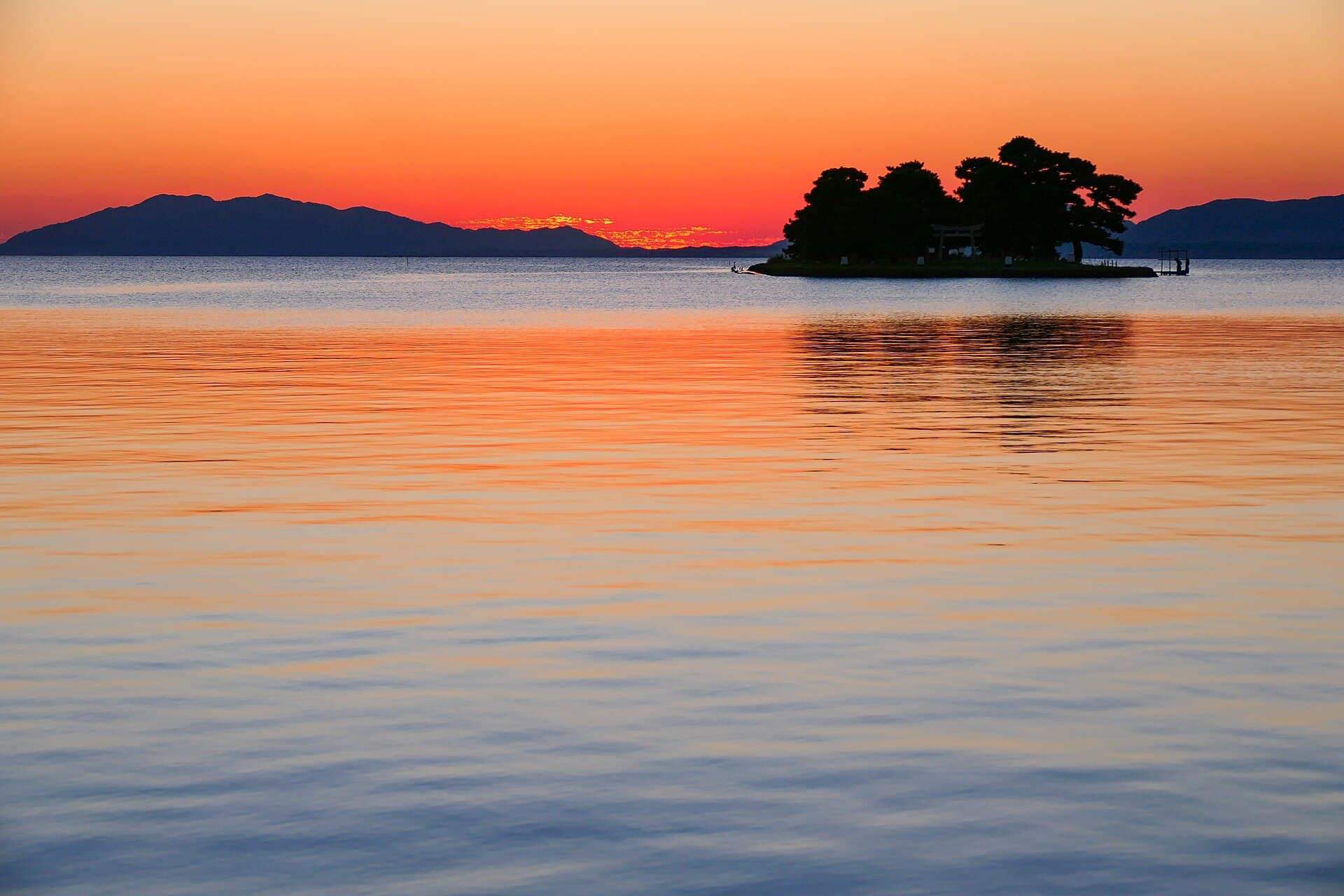
Lake Shinji is famous for sunsets that shimmer across the water, and winter delivers the region's sharpest ones — cold air, crisp light, the lakeside promenade empty. This brackish lake connects to the sea and sustains a celebrated local catch, part of the same cold-water Sea of Japan bounty that fills San'in tables in crab season. Bundle up, walk the shore at dusk, and watch the sun drop behind the Yomegashima islet silhouette. Getting there: From Matsue City, take a bus or taxi to the lake, roughly 20 minutes away; it is a 15-minute walk from Shinji Station. Free (only the optional lake cruise is paid). Best in autumn.
05Shimanehidden gem
Kotogahama Beach (Singing Sand Beach)
琴ヶ浜
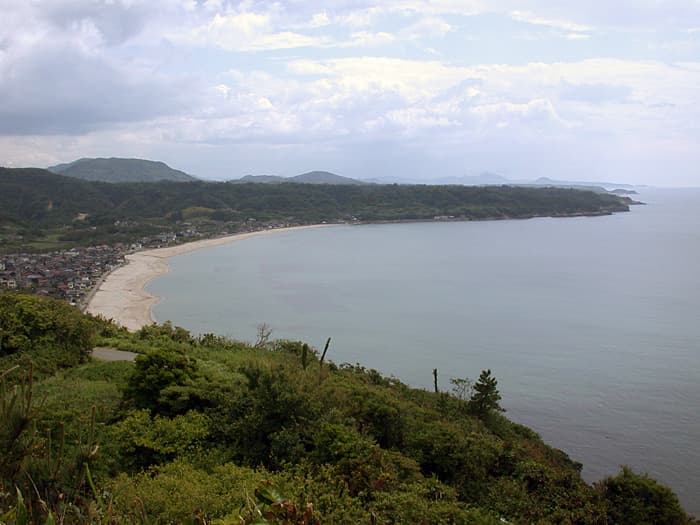
This 1.6km bow of white sand in Nima is one of Japan's Top 100 Beaches, famous for its rare "singing sand" (naki-suna) that squeaks underfoot thanks to uniform, unpolluted quartz grains. In summer it draws swimmers; in winter it empties completely, leaving a long, wild, wind-scoured shore where the only sound is the sea and the faint squeak of the sand — an emptiness that is the whole appeal of a San'in winter coast. Getting there: A 5-minute walk from JR Maji Station, or about 8 minutes by car from the Nima/Iwami Ginzan interchange on the San'in Expressway. Free.
06Shimanehidden gem
Rakan-ji Temple (Gohyaku Rakan)
羅漢寺(五百羅漢)
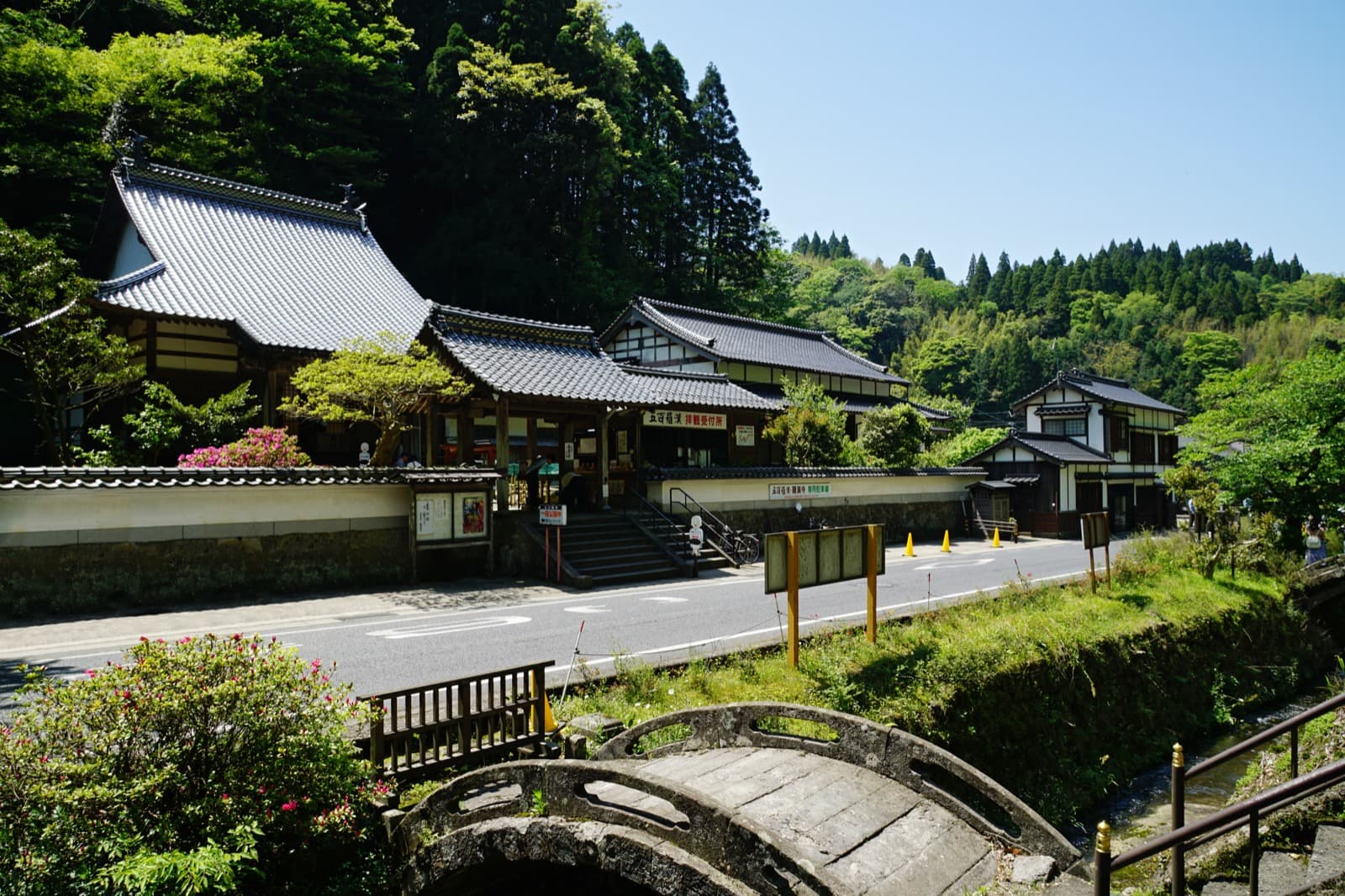
A formally listed component of the Iwami Ginzan World Heritage property that most visitors skip entirely, Rakan-ji is a 1776 temple built into three man-made caves carved into the hillside. Inside sit around 500 individually carved stone rakan statues, each with a unique face and posture — created over 25 years as a memorial for miners who died working the silver mine. The caves are a natural winter refuge: sheltered, candle-quiet, and deeply moving on a cold day. Getting there: About a 30-minute Iwami Ginzan loop bus from Oda-shi Station to Omori-cho, then a short walk. Admission ¥500.
07Shimanehidden gem
Mount Sanbe
三瓶山
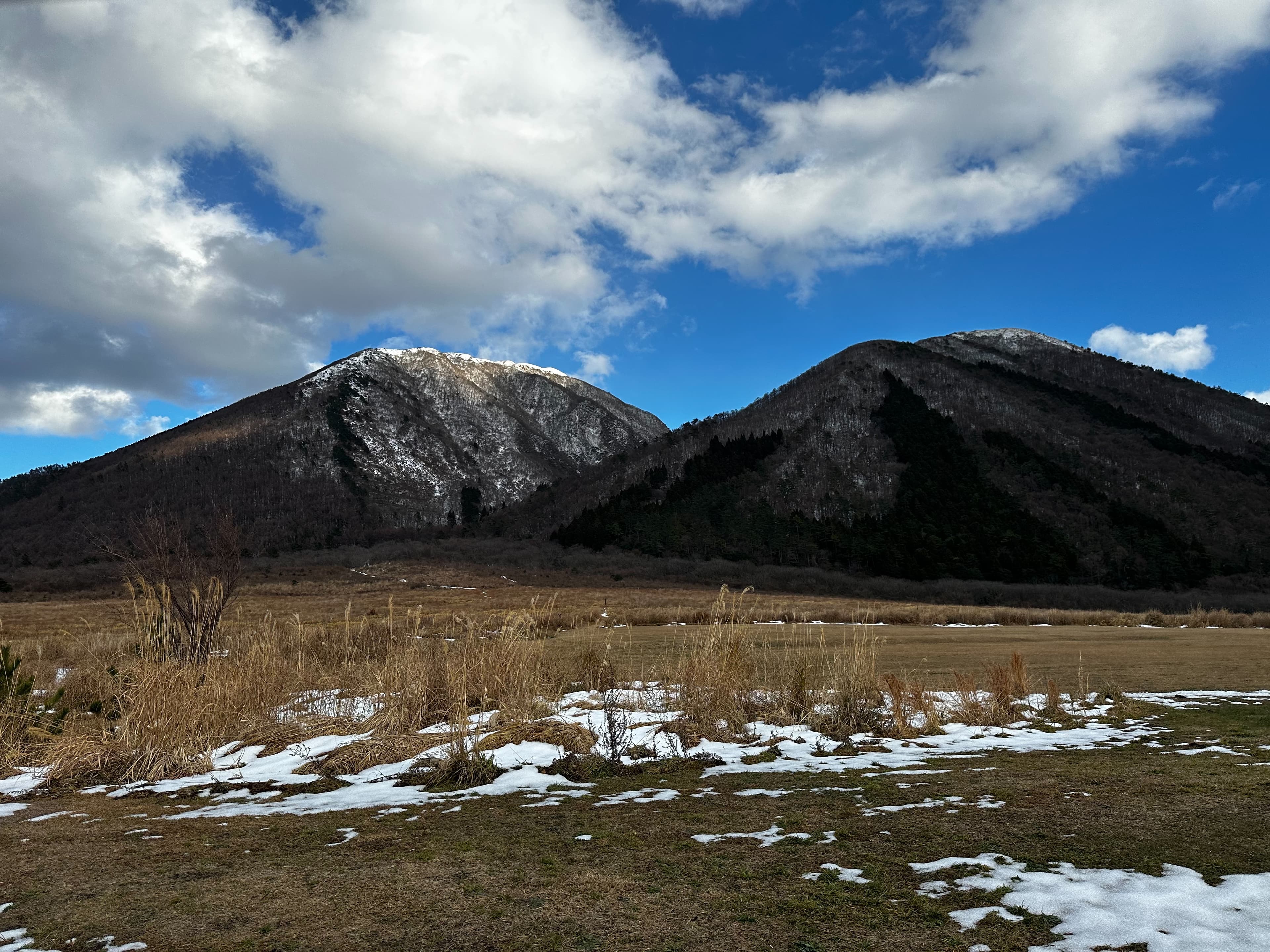
Sanbe is an active stratovolcano with six peaks (highest, Osanbe, 1,126m) inside Daisen-Oki National Park, ringed by alpine meadows and views over the Iwami region and the Sea of Japan. What makes it a winter pick is its base: the trailhead buses run toward Sanbe Onsen, and there are few better rewards after a cold snow-view walk than a quiet San'in hot spring with almost no one else in the water. Getting there: Take the Ichibata/Sanbe Line bus from JR Ōda-shi Station toward Sanbe Onsen; trailheads sit at bus stops circling the mountain's base. Free (national park, no entry fee for the trails).
08Tottorihidden gem
Tottori Castle Ruins / Kyusho Park
鳥取城跡・久松公園
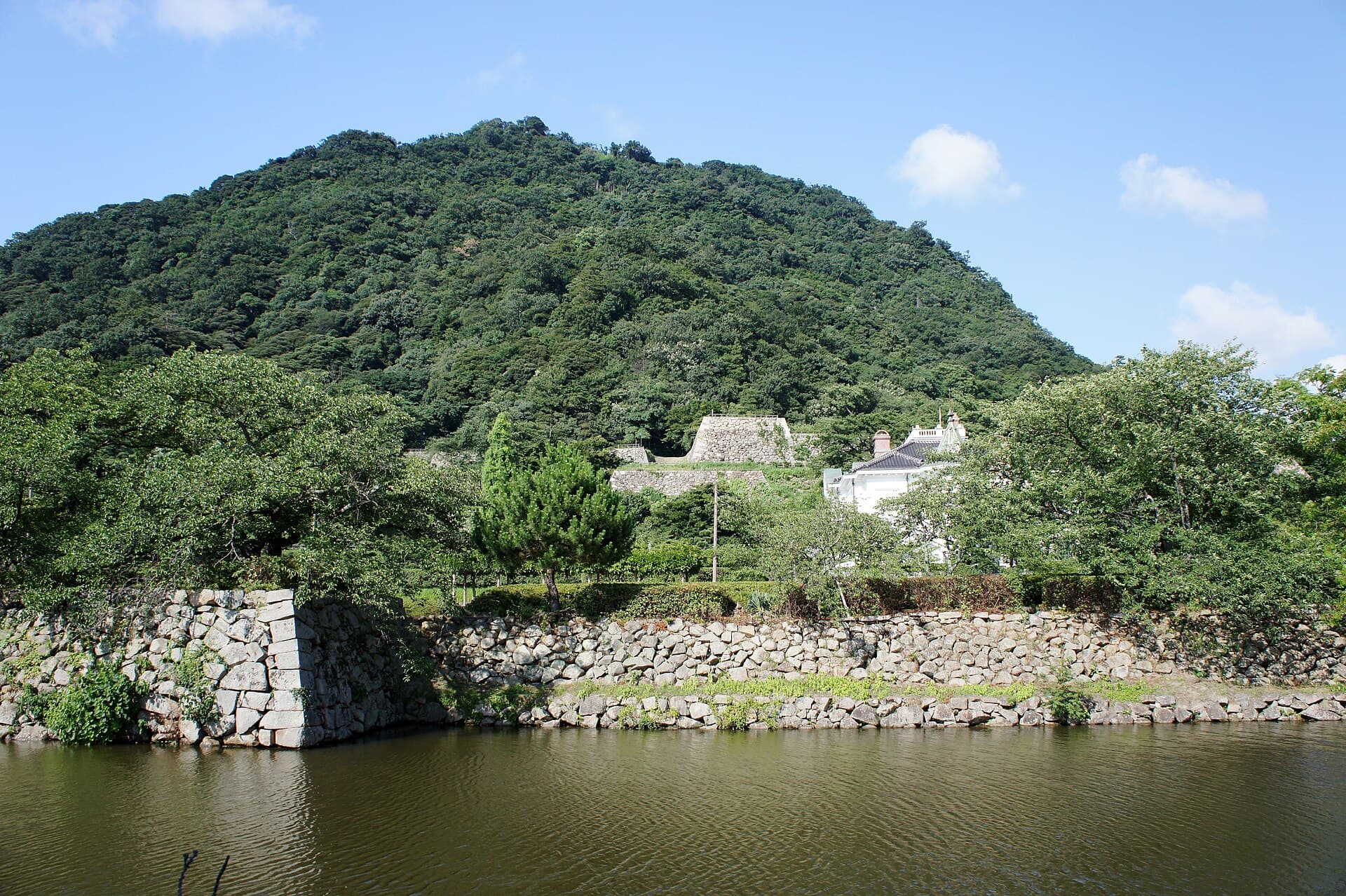
Over in the prefectural capital, the Ikeda clan's hilltop-and-hillside castle survives as stone walls, moats and reconstructed gates spread across the steep slopes of Mt. Kyusho, now kept as Kyusho Park. Winter suits the ruins: bare trees open up the sightlines down over central Tottori City, and the snow that occasionally settles on the old ramparts turns the whole hillside spare and photogenic. It pairs naturally with a half-day in town. Getting there: About a 15-minute walk or short bus ride from JR Tottori Station. Best in spring for cherry blossoms and autumn for foliage.
09Shimanehidden gem
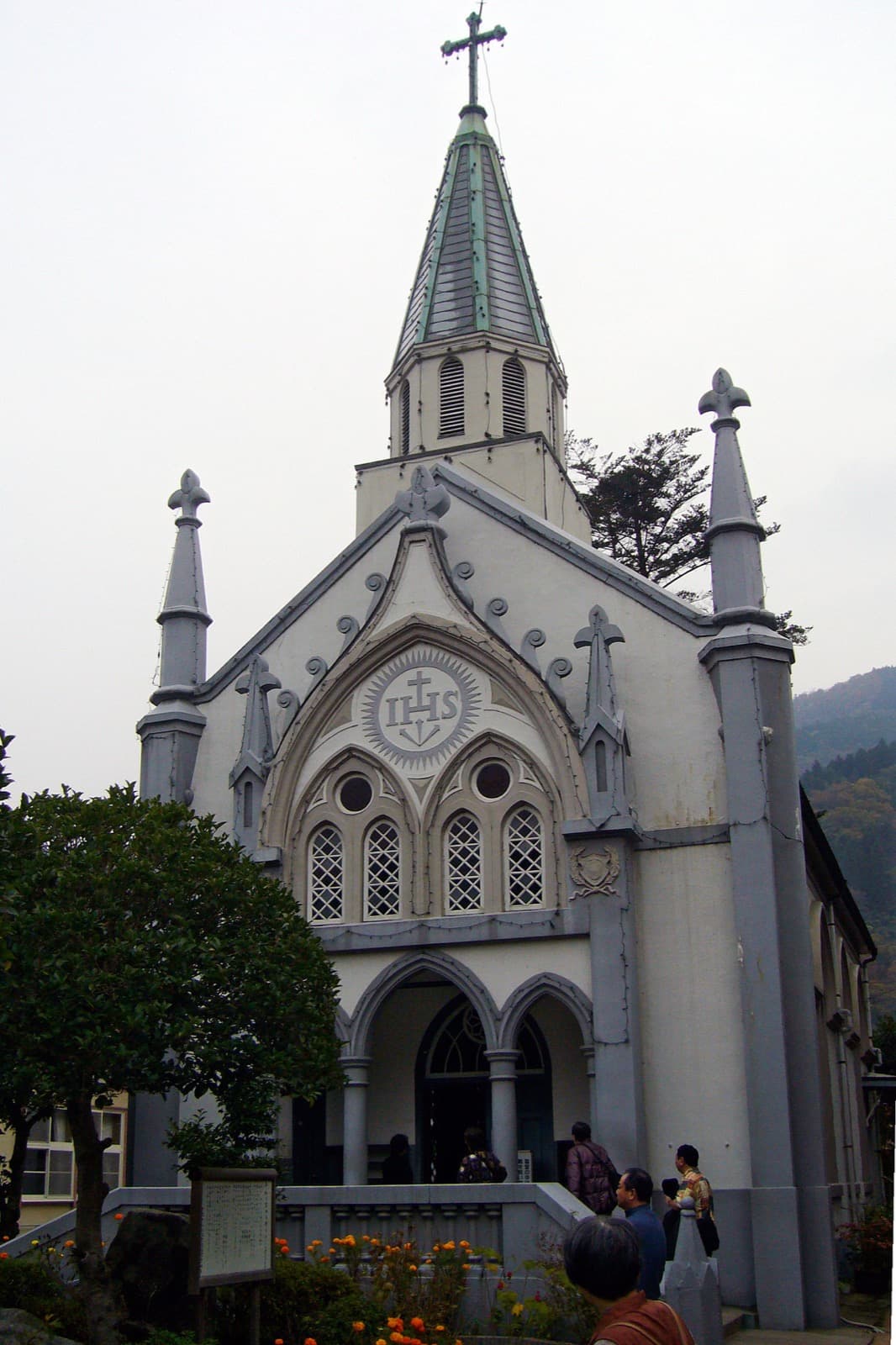
Tsuwano Catholic Church
津和野カトリック教会
In the snowbound mountain town of Tsuwano, this Gothic-style church hides a surprise: a tatami-mat floor instead of pews, built for the town's small Christian community. The fusion of a Western nave and Japanese flooring is easy to miss among the merchant houses, but it rewards the detour — and Tsuwano itself, sometimes called a "little Kyoto," is at its most evocative under winter snow, its carp-filled gutter streams steaming in the cold. Getting there: On Tono-machi Street in central Tsuwano.
When to go
Crab season is the calendar that matters here. Matsuba-gani — San'in's snow crab — is fished from November through March, and the whole coast leans into it: winter is when the region's inns, markets and kitchens are built around the cold-water catch of the Sea of Japan. That same window gives you the quietest possible version of Shimane and Tottori. Expect grey skies, real cold, and intermittent snow inland and on the higher ground around Mount Sanbe and Tsuwano; the coast stays milder but windier. Pack layers and check bus timetables in advance, as rural San'in services thin out in winter. The trade-off is worth it: near-empty myth sites, onsen you can have to yourself, and shores with no one on them.
Keep exploring
- The San'in Coast: Shimane & Tottori Off the Beaten Path — the full-season companion to this winter guide.
- Hidden Winter Onsen — quiet hot springs to warm up in after a cold coast day.
- Japan in Winter Beyond Skiing — more cold-season ideas away from the resort crowds.
Ready to plan? Build your own hidden-Japan itinerary → — our trip generator turns any of these spots into a day-by-day route.