Multi6 min read
Japan in Winter Beyond Skiing: Snow, Ice & Steam
Drift ice, wintering cranes, snow-blanketed peaks and steaming onsen — the best things to do in Japan in winter besides skiing, from Hokkaido to Kyushu.
Best time: December–February
Japan in Winter Beyond Skiing: Snow, Ice & Steam
Ask most first-time visitors about winter in Japan and the answer is a lift ticket. But the country's cold months hold far stranger and quieter pleasures, and the best things to do in Japan in winter besides skiing rarely involve a mountain resort at all. This is the season when the Sea of Okhotsk fills with drifting pack ice, when hand-built igloo villages appear on frozen caldera lakes, when ten thousand cranes settle onto the fields of southern Kyushu, and when an Edo-era merchant street empties out to a hush. From Hokkaido's ice-choked coast down to the mild, sunlit straits of Shikoku and the warm morning markets of Kyushu, here are eight hidden-Japan experiences that make the case for booking your trip in the coldest, clearest, least-crowded window of the year. Pack layers, bring a thermos, and follow the snow — or, in a few cases, escape it entirely.
01Hokkaidohidden gem
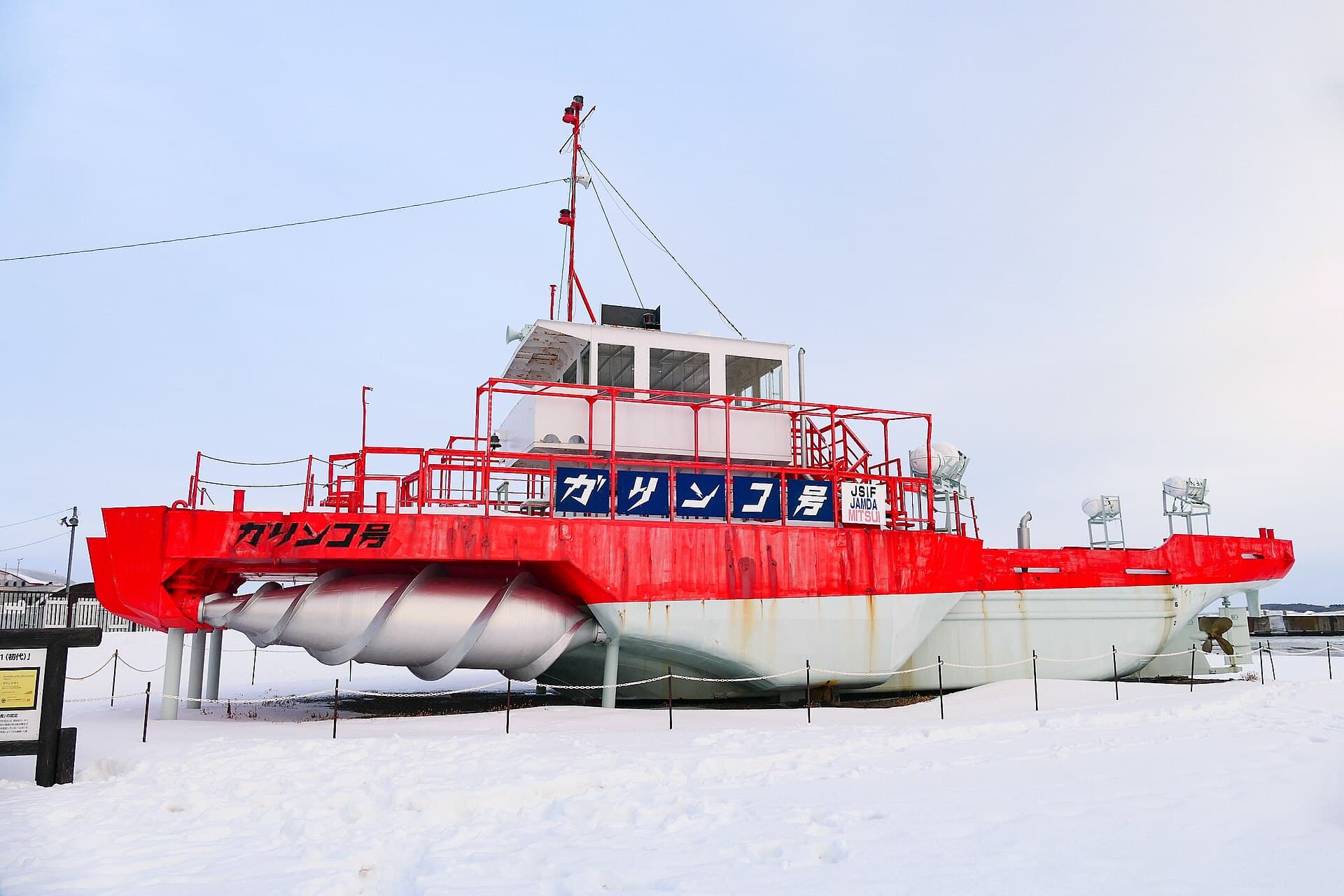
Monbetsu Icebreaker Garinko
紋別流氷砕氷船ガリンコ号
Every February the northern edge of Hokkaido meets the drift ice of the Sea of Okhotsk, and the Garinko icebreaker crunches straight out into it. Passengers ride above the churning floes to watch the frozen sea splinter and shift, with seabirds and the occasional Steller's sea eagle wheeling overhead. Monbetsu is routinely bypassed for bigger Hokkaido names, which is exactly why the decks here stay uncrowded — one of the country's most surreal winter spectacles, almost to yourself. Getting there: About a 30-minute drive from central Monbetsu; the city is roughly 4 hours by train (about 3h 52m by car) from Sapporo. Best in winter.
02Hokkaidohidden gem
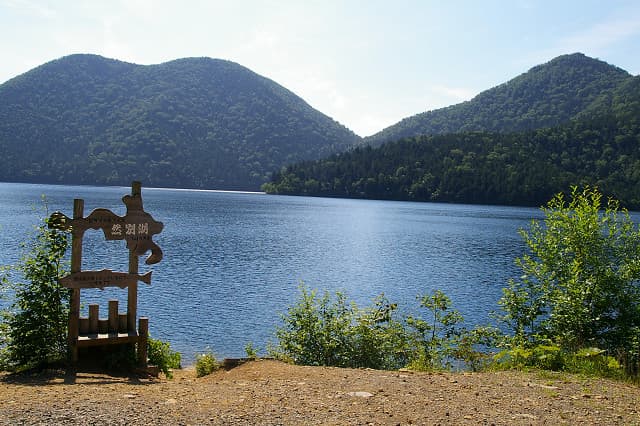
Lake Shikaribetsu
然別湖
Hokkaido's highest lake sits at 810 metres in a volcanic caldera ringed by lava domes, just south of Daisetsuzan National Park. Come deep winter its surface freezes solid and locals build "Kotan," a temporary village of hand-carved ice igloos — complete with an open-air hot spring set directly on the ice, so you can soak in steaming water with a frozen lake beneath you. It sits in a mountain pocket off the Furano–Biei circuit, so most itineraries never make the detour. Getting there: About a 90-minute drive from Obihiro or Furano; public transit is limited, mostly winter tour buses to the Kotan village. Best late January to late March.
03Aomorihidden gem
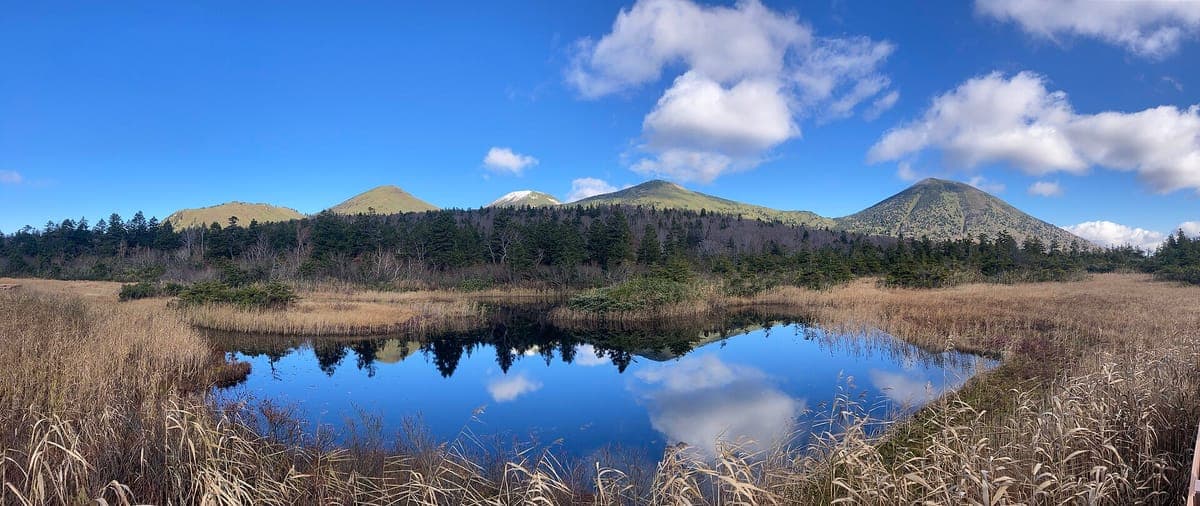
Hakkoda Mountains
八甲田山
The Hakkoda range above Aomori is one of Japan's great winter snowscapes, its slopes buried under some of the heaviest snowfall in the country. Its most famous non-ski draw is the frost-covered trees — the so-called "snow monsters," conifers encased in wind-blown rime — which you can ride up to and admire from the ropeway without ever strapping on skis. Most travellers chase busier Aomori sights and overlook the raw beauty here. Getting there: By bus from central Aomori, or by car via the Hakkoda Road (about 4h 49m by car from Sendai). Best all year round, with the snowscapes at their most dramatic in winter.
Mooka Railway
For a gentler kind of winter, the Mooka Railway threads through the rural rice fields and small wooden stations of eastern Tochigi — an unhurried local line rather than a famous destination. In the cold months the countryside turns bare and still, and the little single-carriage trains rattle past frost-edged paddies with barely another traveller aboard. (Note: the SL Mooka steam service is suspended April 2026–March 2027, but the regular Mooka Railway trains still run the line daily.) Getting there: Ride the Mooka Railway from Shimodate or Mōka Station (about a 19-minute walk from Mōka, or roughly 1h 52m by car from Tokyo); regular trains run daily.
04Osakahidden gem
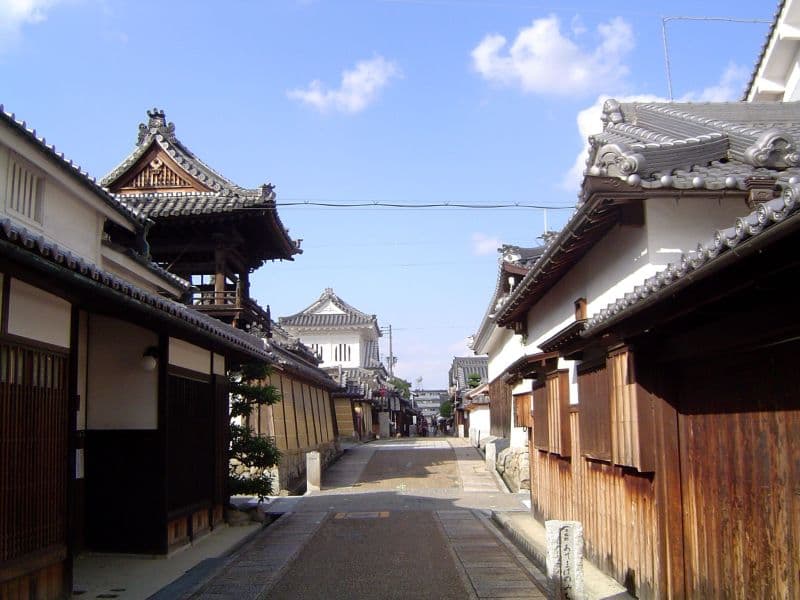
Tondabayashi Jinaimachi
富田林寺内町
Winter is the ideal time to walk a preserved old town, when the crowds thin and the low sun rakes across weathered timber. Tondabayashi's Jinaimachi is a nationally designated Important Preservation District — a temple-founded merchant town established in 1558, with an intact street grid, around 250 lattice-fronted townhouses, and old sake breweries. Deep in southern Osaka and essentially unknown to foreign visitors, it rivals far more famous preserved streetscapes yet stays genuinely quiet. Getting there: About 30 minutes from central Osaka on the Kintetsu Nagano Line to Tondabayashi Station, then a 10-minute walk. Free to wander the streets; the one paid interior, the Former Sugiyama Residence, is ¥400 (cash only). Closed Mondays.
05Ehimehidden gem
Kurushima Strait
来島海峡
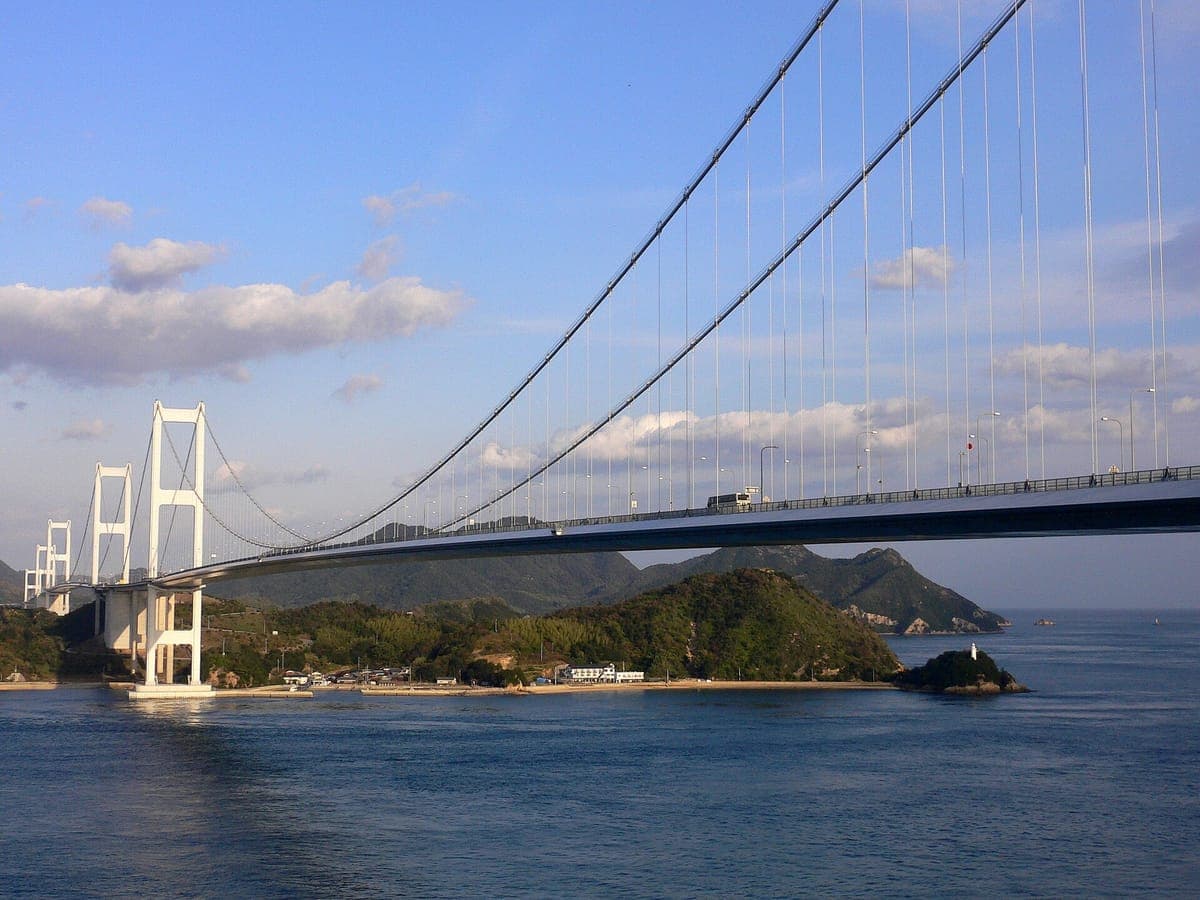
If the cold has you craving milder days, aim for the sheltered Setouchi coast. The Kurushima Strait off Imabari is known for its dramatic tidal currents and whirlpools — a mesmerising natural spectacle — and the local ferry that navigates the channel offers wide, uncrowded views of the surrounding islands and bridges. Mainstream travellers overlook it entirely, which is much of the appeal on a clear, bright winter's day. Getting there: Reached from Imabari City by local ferry (about 3h 29m by car from Takamatsu).
Izumi Cranes
Each winter Izumi, on the coast of Kagoshima, hosts the world's largest wintering population of cranes — around 10,000 birds descend on the flat farmland, filling the sky and fields with movement and calls. It is a genuinely world-class wildlife event that stays under the radar because of its remote southern setting, far from the usual tourist trail. Come at dawn for the fly-in, when the whole flock lifts off at once. Getting there: Take the JR Kagoshima Line to Izumi Station, then a local bus or taxi to the viewing areas (open roughly 9:00–17:00). Best in winter, when the cranes are present.
06Kumamotohidden gem
Amakusa Dolphin Watching (Futae Port)
天草市イルカセンター(道の駅 ドルフィンピア)・二江港
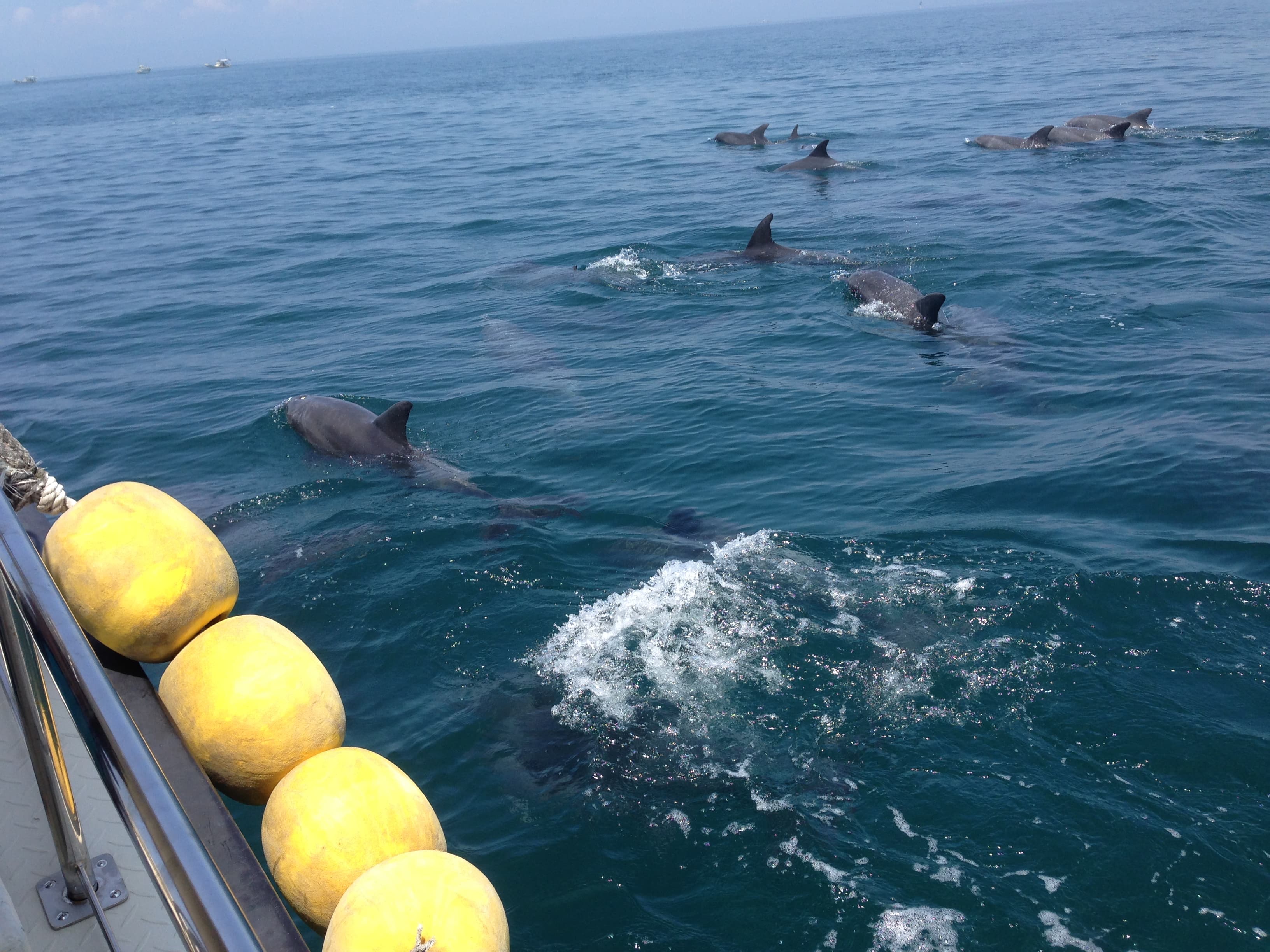
For a warm-water winter finale, the Amakusa islands off Kumamoto shelter a resident pod of roughly 200 wild bottlenose dolphins in the Hayasaki Strait, just ten minutes offshore. Because the pod is resident rather than migratory, sightings run above 90% almost year-round, making this one of Japan's most reliable — and least-known — wild-dolphin encounters. Licensed operators run 60-minute cruises from the same roadside port, and Kyushu's mild winters make for calm, comfortable sailing. Getting there: No train — about a 40-minute bus from Hondo Bus Center toward Iogo/Ryōhoku to the Futae Elementary School stop, then a 2-minute walk; a car is strongly recommended. The dolphin center itself is Free to enter; boat cruises run separately at about ¥3,000 for adults. Closed Wednesdays.
When to go
The core window is December through February, but each experience has its own sweet spot. Hokkaido's drift ice at Monbetsu peaks in February, when the pack ice is thickest against the coast, while the Kotan ice village at Lake Shikaribetsu runs from late January to late March. The Hakkoda snowscapes are heaviest in deep midwinter, and the Izumi cranes are present through the cold months, best viewed at dawn when the whole flock lifts off together. If snow isn't your goal, the Setouchi coast, southern Osaka's old streets and the Amakusa dolphin cruises stay mild and accessible on almost any clear winter day — a reminder that "winter in Japan" can mean bright, snowless sunshine as easily as deep powder. Whichever end of the thermometer you choose, going in the off-season means shorter queues, cheaper flights, and the country's most photogenic season largely to yourself.
Keep exploring
- Tohoku Winter Festivals →
- Hidden Winter Onsen →
- Hokkaido Beyond Sapporo →
- Hidden Hokkaido in Winter — drift ice, cranes and a bath on a frozen lake.
- Off-Season Japan — why the two months everyone skips are the best time to come.
Ready to plan? Build your own hidden-Japan itinerary → — our trip generator turns any of these spots into a day-by-day route.