Multi6 min read
Japan's Castle Towns Nobody Visits
A guide to hidden castle towns in Japan — under-visited jokamachi, samurai districts and old townscapes from Kyushu to the San'in coast, minus the crowds.
Best time: Spring & autumn
Everyone photographs Himeji and Matsumoto, but Japan's most atmospheric castle history is often found in the towns that grew up around the keep rather than the keep itself. These are the hidden castle towns — the jokamachi — where samurai districts, moats and merchant lanes survive largely as they were, and where you can walk for an hour without meeting another traveler. This guide skips the mobbed reconstructions in favour of under-visited castle towns and samurai quarters scattered from remote Kyushu islands to the San'in coast: a Sagara-clan riverside park held for 700 years, a stone-walled Satsuma samurai district, a soba town with Japan's oldest clock tower, and the moatside lane where Lafcadio Hearn wrote about his Japanese garden. Each is a genuine Hidden gem, reachable by public transport, and rewarding on foot. Pick one as a half-day detour or string several into a slow, crowd-free castle-town route.
Fukue, Gotō Islands (Ishida Castle)
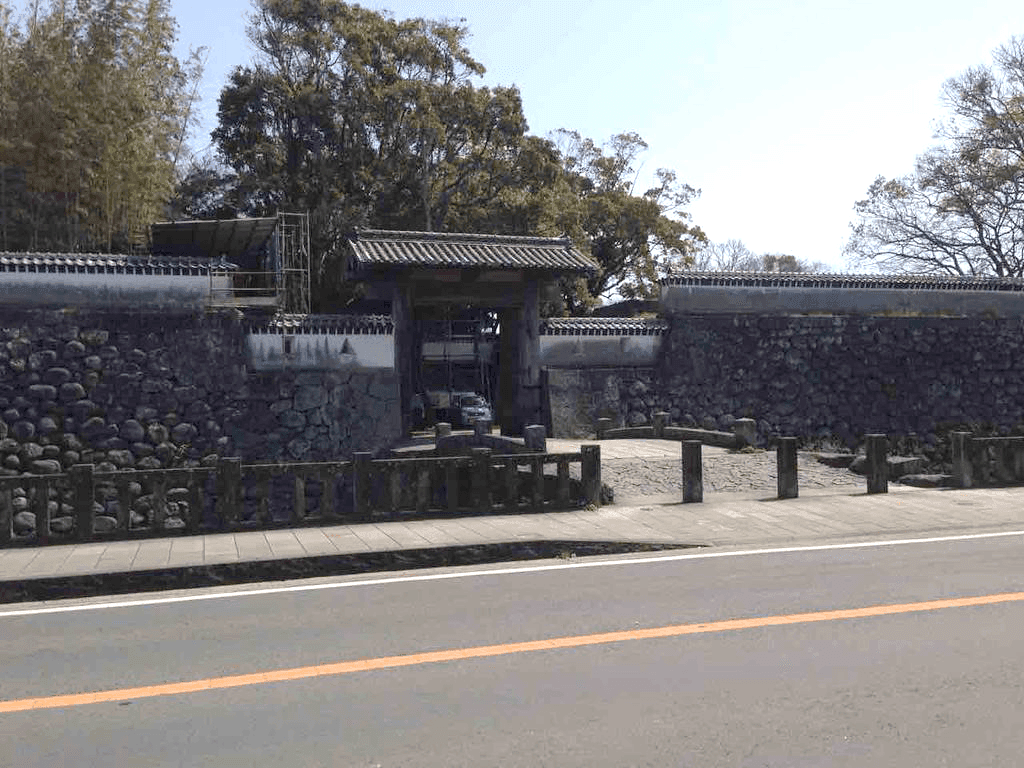
Out in the remote Gotō archipelago off Nagasaki, Fukue is built around one of the very last castles ever raised in Japan — Ishida Castle, also called Fukue Castle, completed in 1863 just as the feudal era ended. It was a rare coastal sea-fortress whose stone ramparts once rose straight out of the tide, and today its moats, the restored Kōfuku-ji gate and the surrounding samurai-quarter walls anchor a walkable pocket of the island's main town. Most travelers overlook the Gotō Islands entirely, which is exactly why this old town stays so serene.
Getting there: Fukue Port is a 10-minute walk from the castle grounds; reach it by ferry from Nagasaki or other islands in the Gotō archipelago. Free (garden fee unspecified). Best year-round.
01Kumamoto
Hitoyoshi, Kumamoto (Hitoyoshi Castle Ruins)
人吉城跡
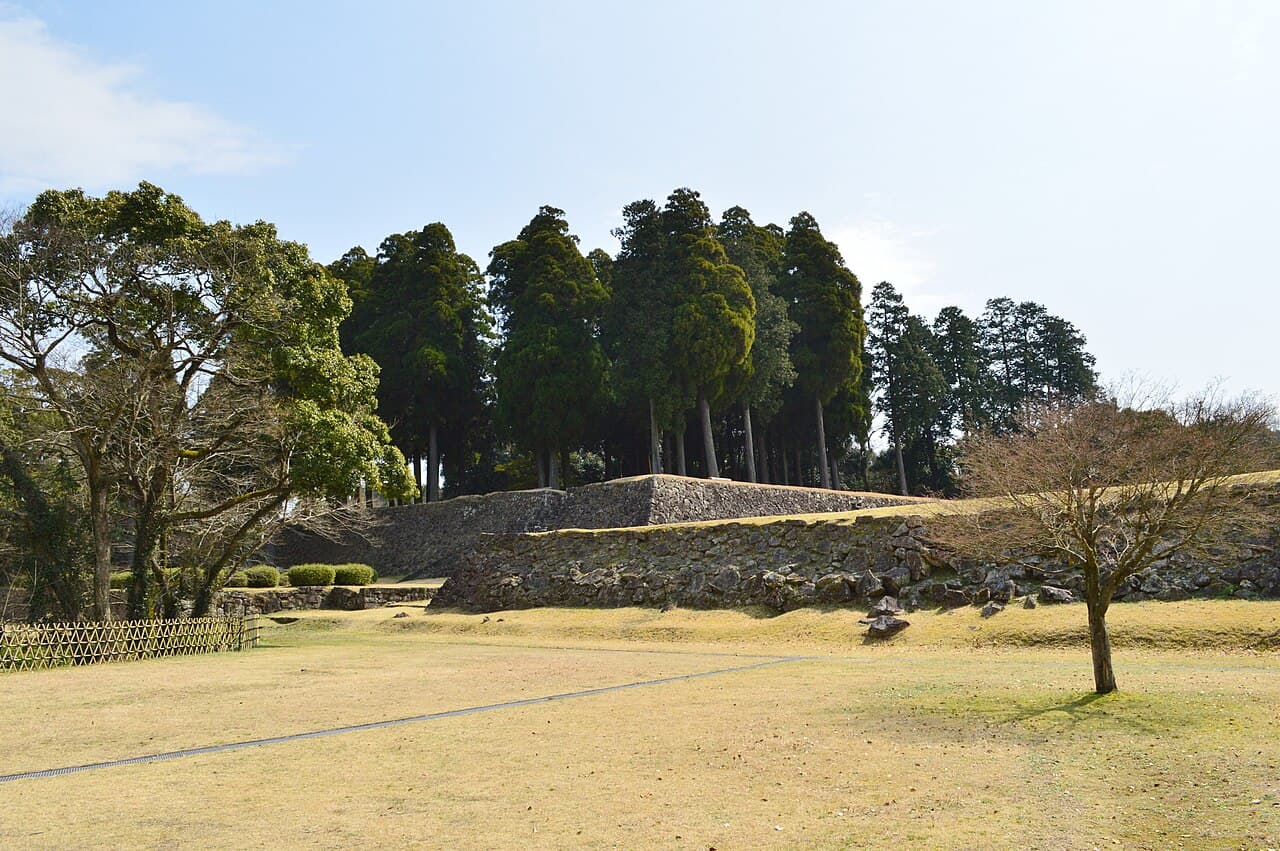
The riverside remains of Hitoyoshi Castle mark a town held by the Sagara clan for roughly 700 years, from 1198 all the way to 1872 — one of the longest continuously-held clan castles in the country. Today it is a park of stone ramparts, moats and the Kuma River bluff, noted for its rare hanedashi overhanging stone walls, a European-inspired defensive design, and a small adjacent history museum. Overshadowed by Kumamoto Castle to the north, this quiet castle town along the Kuma River sees a fraction of the visitors.
Getting there: About a 20-minute walk or short bus ride from JR Hitoyoshi Station, on the south bank of the Kuma River in central Hitoyoshi. Free (the ruins and park are open daily). Best in spring.
02Kagoshimahidden gem
Izumi, Kagoshima (Izumi Samurai Residences)
出水麓武家屋敷群
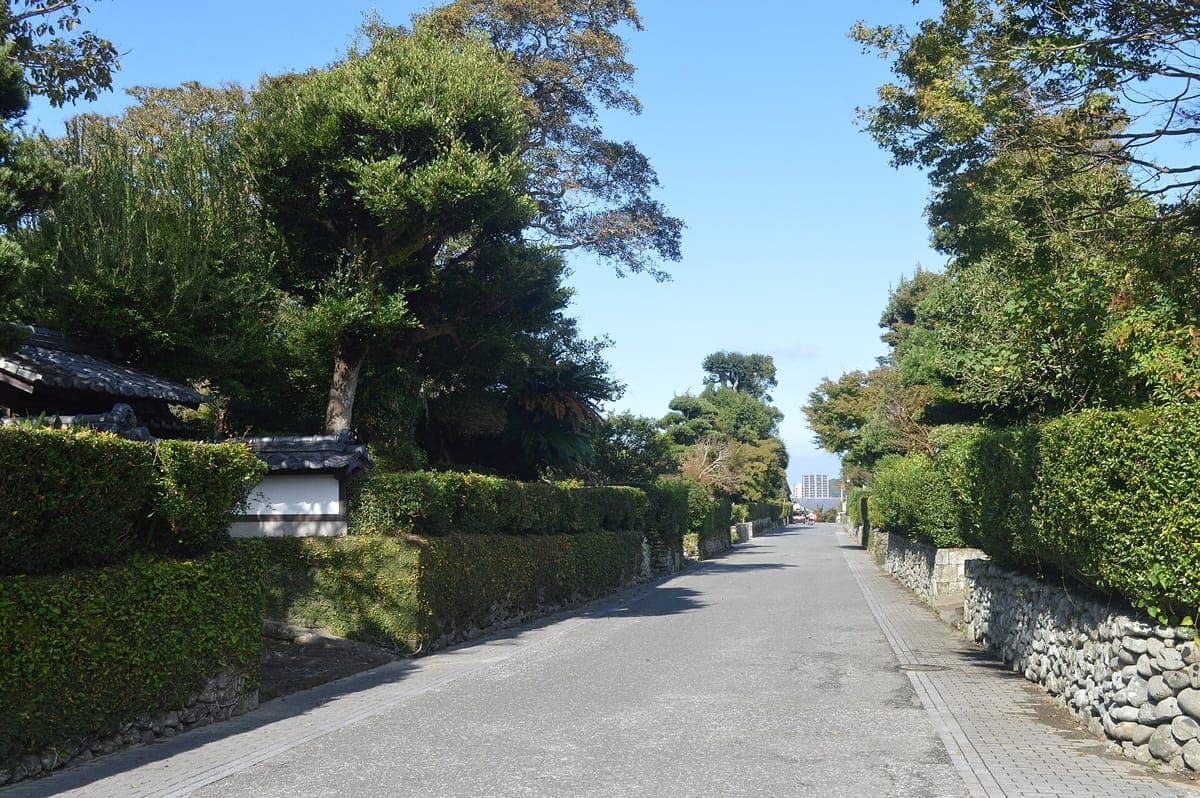
Izumi's fumoto samurai district is one of the best-preserved in the old Satsuma domain, with stone walls, clipped hedges and quiet lanes running between residences that have barely changed since the feudal era. It is every bit as atmospheric as the famous samurai towns further north, but without their crowds — most visitors come to Izumi for its wintering cranes and miss the historic quarter altogether.
Getting there: Take the Kyushu Shinkansen to Izumi Station (the district is a 12-minute walk, or a short bus or taxi ride to the Fumoto area). Admission ¥510 (a single ticket covers the Izumi-Fumoto History Museum plus two residences; district streets are always open). Best year-round.
03Oitahidden gem
Saiki, Ōita (Saiki Coastal City)
佐伯市
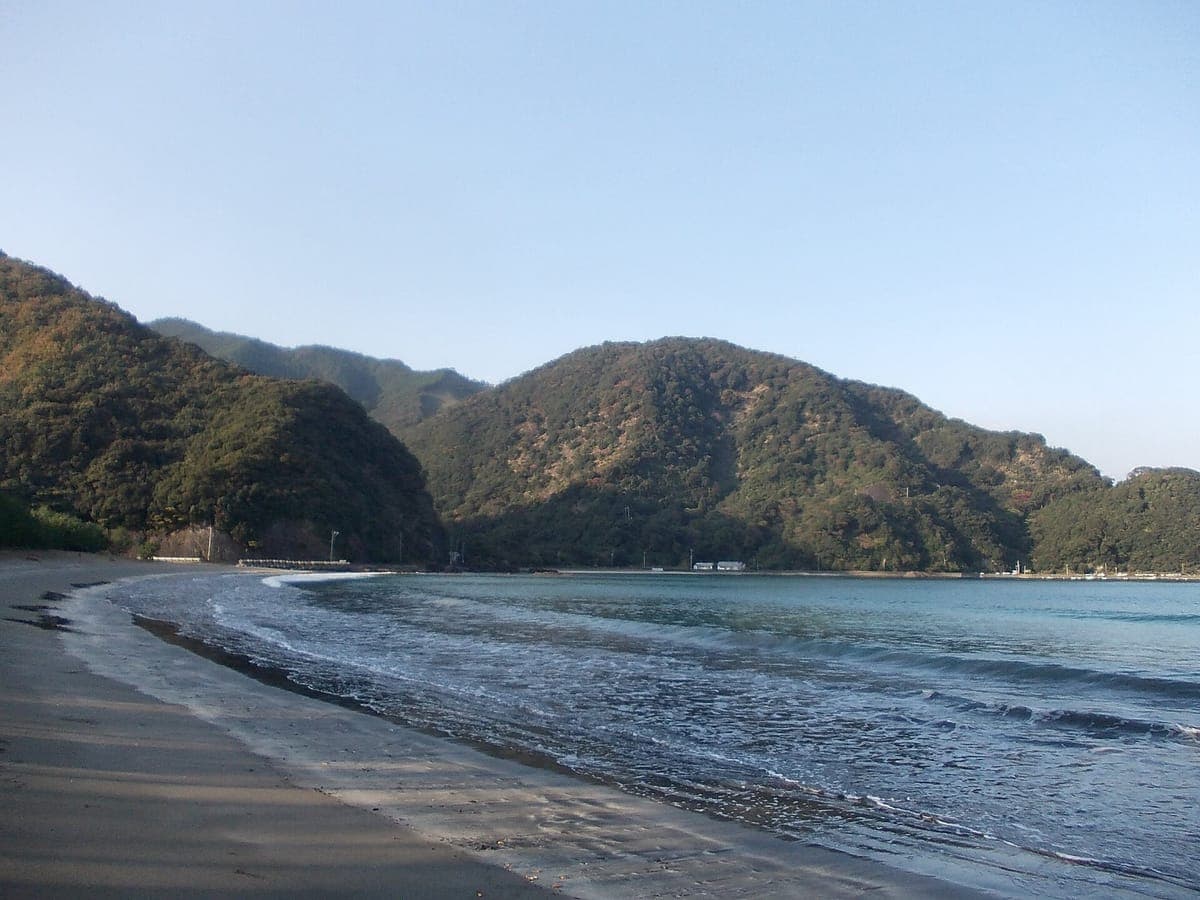
Saiki is a forgotten castle port on the Ōita coast, once the seat of a castle town and later a submarine base during the Second World War, with a history and a coastline that most travelers pass by on their way to better-known corners of Kyushu. It is also known for its excellent sea bream, making it as much a slow-food stop as a history one. Come for the quiet harbour views and the sense of a town that time has largely left alone.
Getting there: Reach Saiki by train from Ōita City in roughly 40 minutes; the town centre is about a 25-minute walk from Saiki Station. Best in spring.
04Hyogohidden gem
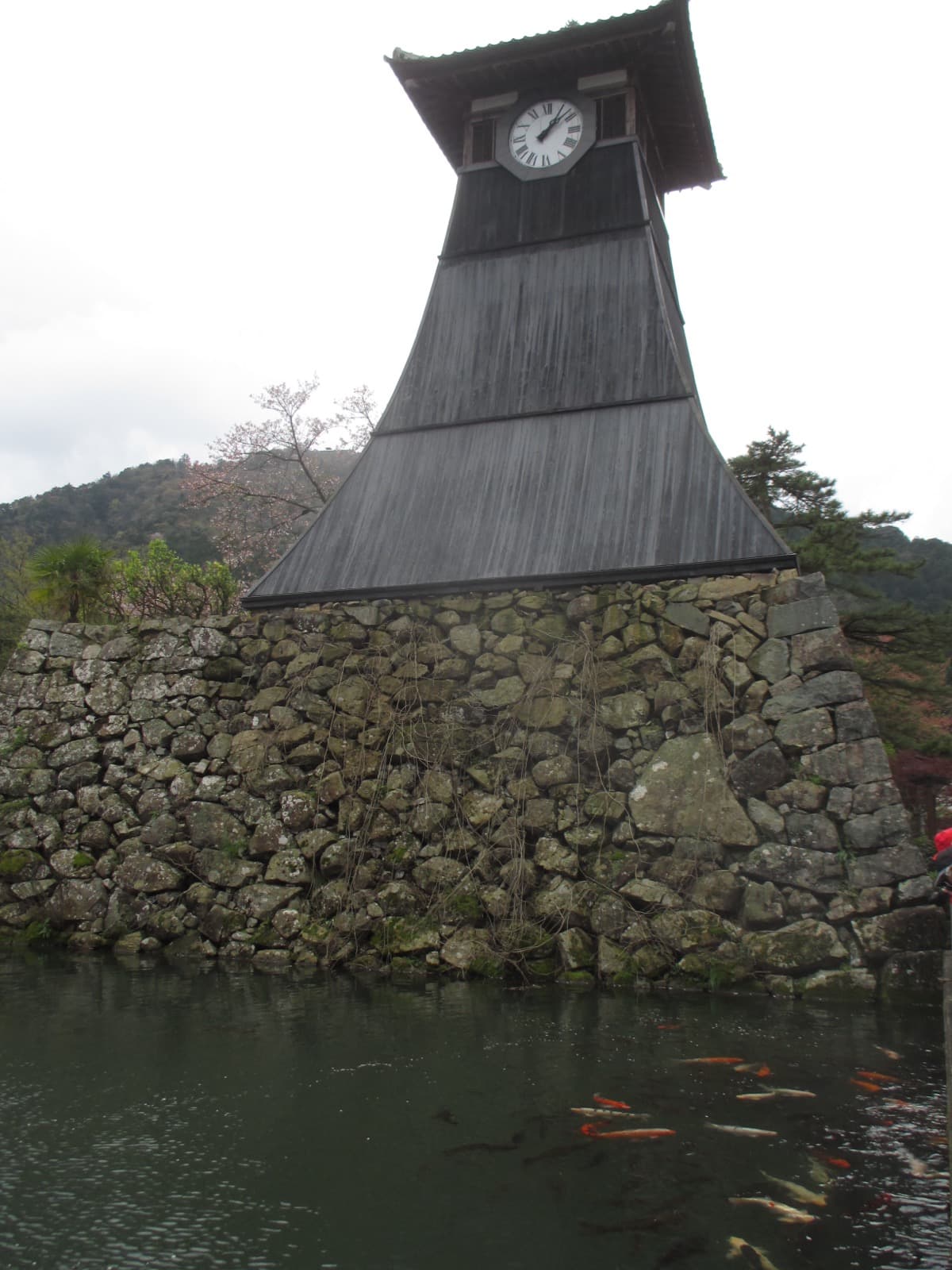
Izushi, Hyōgo (Izushi Castle Town & Shinkorō Clock Tower)
出石城下町・辰鼓楼
Known as "the Little Kyoto of Tajima," Izushi is a grid-planned Edo-era castle town in Toyooka City, centred on the 1871 Shinkorō — a wooden clock tower that is Japan's oldest still standing. Designated a National Important Preservation District in 2007, it is also Western Japan's leading soba destination, with around 50 restaurants serving the distinctive Izushi-style cold soba, a tradition here since 1706. Overshadowed by Kinosaki Onsen 30 minutes away and by Kyoto proper, it remains a genuinely uncrowded castle-town streetscape.
Getting there: From JR Toyooka Station, take the Zentan Bus (Izushi–Toyooka line), about 25–37 minutes depending on the service. Free to walk the town's streets and see the Shinkorō tower (the adjacent Eirakukan playhouse charges ¥400 separately).
05Tottorihidden gem
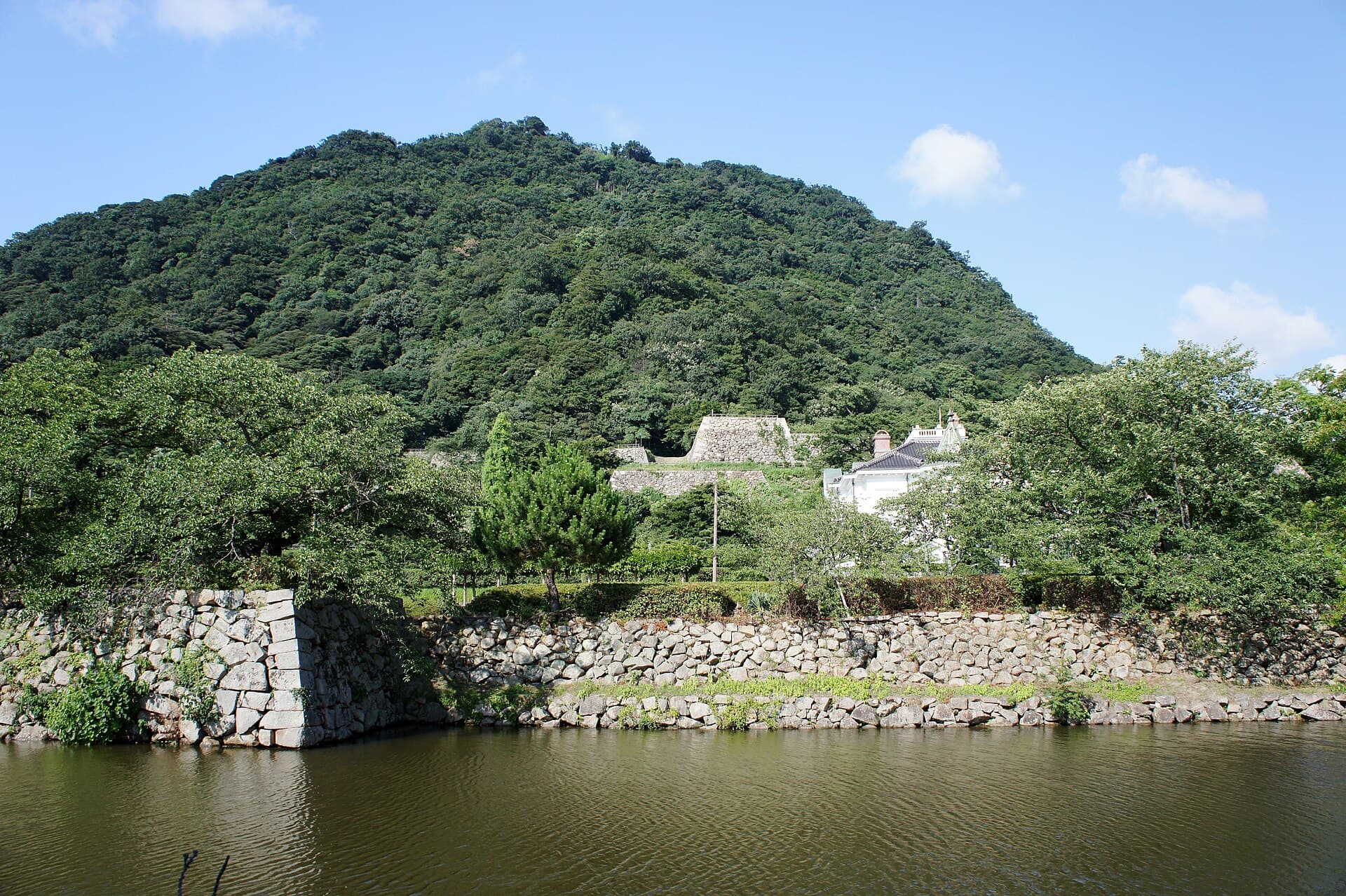
Tottori (Tottori Castle Ruins & Kyushō Park)
鳥取城跡・久松公園
The ruins of the Ikeda clan's castle climb the steep slopes of Mt. Kyushō above central Tottori City, with stone walls, moats and reconstructed gates surviving across the site — now maintained as Kyushō Park. It is a well-documented, genuine historic anchor for the prefectural capital that visitors rarely make time for, and it pairs naturally with Jinpūkaku next door for an easy half-day in a city most people only pass through en route to the dunes.
Getting there: About a 15-minute walk or short bus ride from JR Tottori Station. Best in spring for cherry blossoms and in autumn for foliage.
06Shimanehidden gem
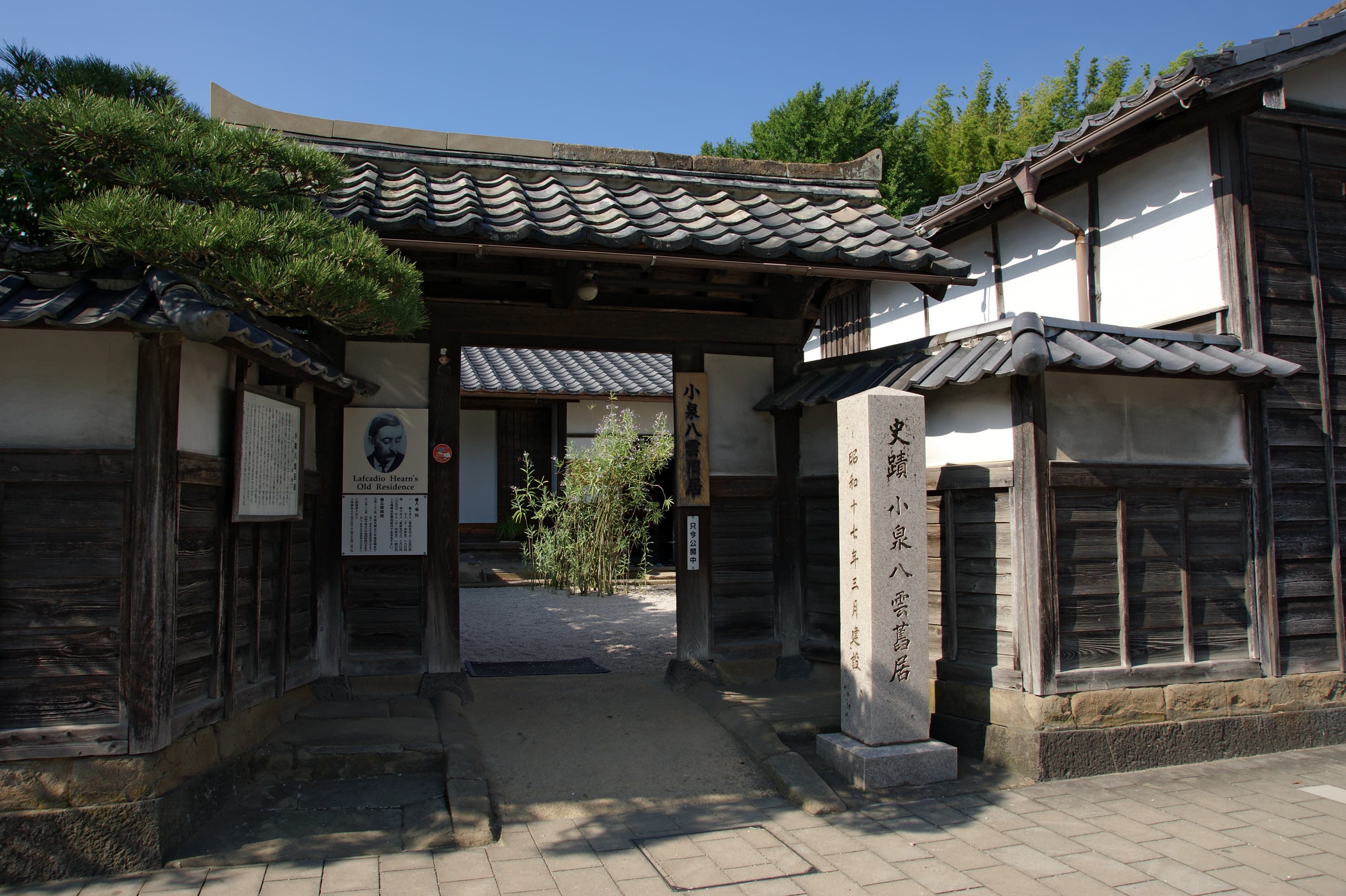
Matsue, Shimane (Shiomi Nawate Samurai District & Lafcadio Hearn's Former Residence)
小泉八雲旧居
Along the moat of Matsue Castle runs Shiomi Nawate, a preserved samurai district of earthen walls and old residences. At its heart is the samurai-era house where the writer Lafcadio Hearn (Koizumi Yakumo) lived with his wife Setsu for five months in 1891 — the garden he described in In a Japanese Garden survives intact behind the house. A literary pilgrimage site of real substance, it sits in the castle's shadow, so most visitors walk straight past.
Getting there: Take the Lakeline loop bus from JR Matsue Station and alight at the Shiomi Nawate stop; the residence is about a 2-minute walk. Admission ¥400 for the residence (a combined ticket with the adjacent memorial museum is ¥800).
When to go
Castle towns are at their best in the shoulder seasons. Spring brings cherry blossoms to the ramparts at Tottori's Kyushō Park and softens the riverside ruins at Hitoyoshi and the port at Saiki, while autumn layers foliage over the same stone walls — the two windows most of these towns name as their finest. The San'in-coast pair, Tottori and Matsue, are comfortable to walk from spring through autumn; Izumi and Fukue reward a visit year-round, with Izumi's crane season adding a winter draw. Izushi's soba is a year-round pleasure, though the streets are quietest outside the summer heat. Wherever you go, aim for weekday mornings: these are Hidden gems precisely because the crowds never arrive, and an early start means you may have the moats and lanes entirely to yourself.
Keep exploring
- Sanin Coast: Shimane & Tottori — go deeper on the Matsue and Tottori castle-town corridor.
- Nagasaki Hidden Heritage — more on the Gotō Islands and Nagasaki's remote history.
- Kagoshima & Miyazaki: The Deep South — pair Izumi's samurai district with the far south of Kyushu.
- Japan's Art Towns Beyond Naoshima — the pottery towns, and what else is worth the detour.
- Tohoku's Samurai Towns — the northern deep-dive: bukeyashiki, castles and jokamachi.
Ready to plan? Build your own hidden-Japan itinerary → — our trip generator turns any of these spots into a day-by-day route.