Multi6 min read
Cherry Blossoms Off the Beaten Path: Quiet Hanami Spots
Hidden cherry blossom spots in Japan that aren't crowded — quiet castles, riversides and northern valleys, mapped south to north for a slow sakura chase.
Best time: Late Mar–early May (south→north)
Everyone knows the famous ones — Ueno's crowds, the Meguro canal shoulder-to-shoulder, the Philosopher's Path in a slow shuffle. But the best hanami in Japan is often the one nobody photographed for you first. These are the hidden cherry blossom spots in Japan that aren't crowded: temple ponds and castle moats, a residential greenway in far-western Tokyo, a wooden country halt beside a park full of blossom, and a lone castle at the tip of Hokkaido where the season finally runs out of road. We've laid them out south to north, the same way the bloom itself travels up the archipelago over roughly six weeks. Pick one for a quiet morning, or string several together and follow the sakura front north — chasing petals from Kansai in late March to Hokkaido in early May, always a step ahead of the crowds.
Yoshino Senbon Zakura (Nara)
Yoshino isn't a secret, but it earns its place: 30,000 cherry trees draped across four mountain zones create a layered blossom panorama that feels genuinely otherworldly, and the crowds thin dramatically the higher you climb. A free shuttle brings visitors to the midway stations, and the best view is from the Kimpusen-ji gate. Go in the morning for softer light and fewer people, then walk up through the elevations to leave the day-trippers behind. Getting there: Kintetsu-Nara Station is the rail gateway (about 8 min walk from the town), roughly 1h 17m by car from Shin-Osaka. Free to view. Blossoms typically staggered by elevation across early-to-mid April (event dates: Apr 5–15).
Himeji Castle Cherry Blossom Viewing (Hyogo)
The elegant white keep of UNESCO-listed Himeji Castle is one of Japan's iconic sakura backdrops — hundreds of cherry trees frame the "White Heron" against a spring sky. The trick to dodging the crowds is timing: visit in the early morning when the light is soft and the tour groups haven't arrived, and head for the Nishinomaru Garden, where the castle sits perfectly framed by blossom. Getting there: Kyōguchi Station is a 26 min walk; roughly 1h 29m by car from Shin-Osaka. Free to enter the grounds. Peak viewing runs late March into early April (event dates: Mar 28–Apr 6).
01Kyoto
Daikaku-ji Temple (Kyoto)
大覚寺
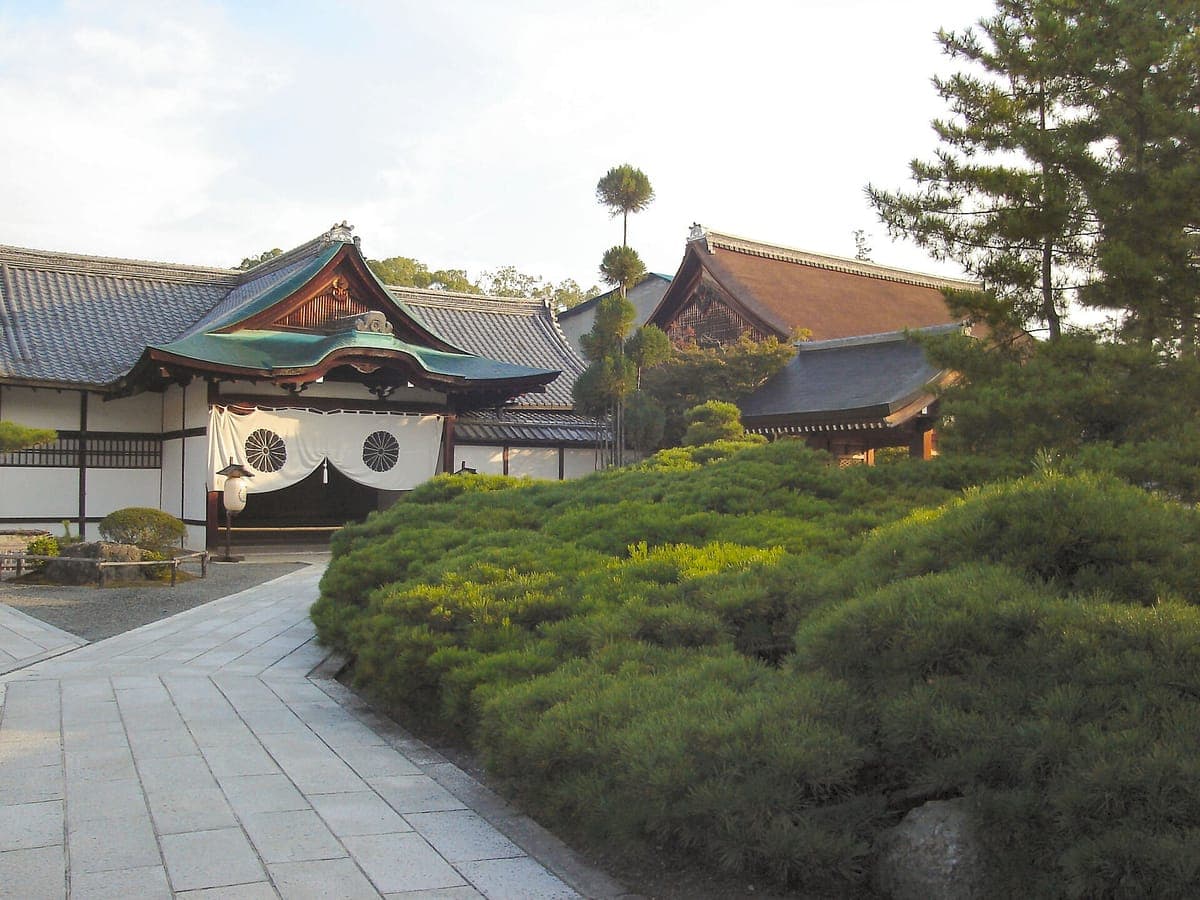
While the crowds queue for Kyoto's headline temples, this 8th-century former imperial villa in the Arashiyama district stays serene. Its centrepiece is Osawa-no-ike, a large pond ringed with cherry trees that mirror the blossom in spring — one of the oldest garden ponds in Japan and a genuinely tranquil place to sit. It's the quiet-Kyoto answer to hanami without the shuffle. Getting there: Saga-Arashiyama Station is a 19 min walk; about 33 min by car from Kyoto Station. Entry is ¥800 for the main hall and temple area, with a separate ¥500 for the Osawa Pond area.
02Tokyo
Chinzanso Garden (Tokyo)
椿山荘庭園
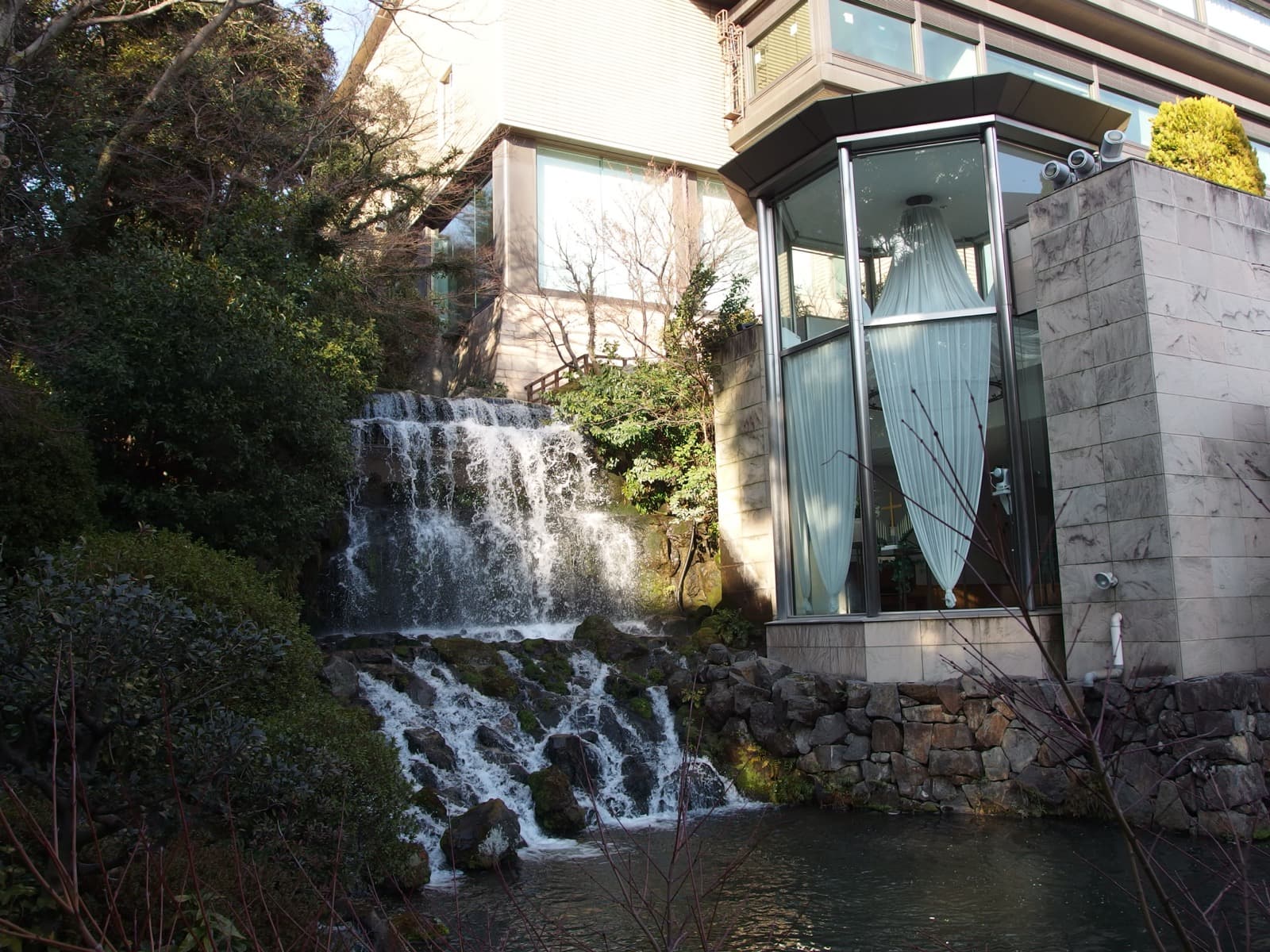
Overshadowed by Tokyo's headline gardens, Chinzanso is a genuine historic strolling garden — three-story pagoda, waterfall, ponds and streams — that happens to be attached to a working luxury hotel rather than a municipal park, so it never feels mobbed. Cherry blossoms and camellia arrive in spring, and the grounds are free to wander by day. Getting there: Omokagebashi Station is a 16 min walk, or take the Tokyo Metro to Edogawabashi Station and walk about 10 minutes; roughly 18 min by car from Tokyo Station. The daytime garden is free to stroll (the evening illumination event is ticketed).
03Tokyohidden gem
Negawa Greenway Road (Tokyo)
根川緑道
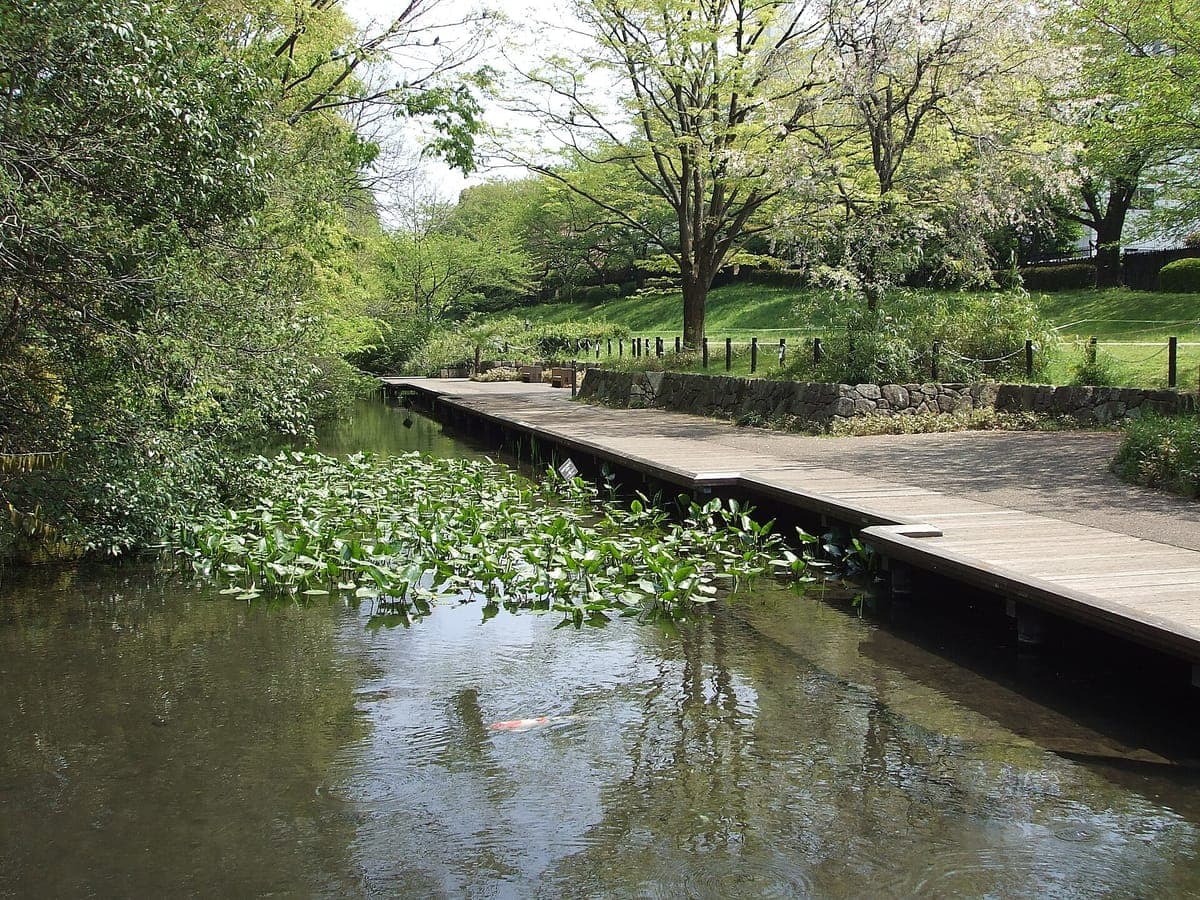
For hanami with almost no other travellers in sight, ride out to Tachikawa in far-western Tokyo. This 1.3 km riverside greenway follows the former Negawa stream and is one of the city's finest blossom spots, with around 500 sakura. In bloom the water mirrors the trees and falling petals gather into drifting "hana-ikada" rafts; boardwalks, ponds and wildlife zones make it a lovely stroll. Overshadowed by nearby Showa Kinen Park, it's the kind of place overseas visitors simply never reach. Getting there: Shibasaki-taiikukan Station on the Tama Monorail is a 1 min walk. Open 24 hours; free.
Cherry Blossom Viewing at Mount Akagi (Gunma)
North of Tokyo, over a thousand cherry trees form a 1.3-kilometre tunnel of sakura at the foot of Mount Akagi. There's ample space to spread a picnic blanket and plenty of food stalls during the blooming period, giving it a festive local atmosphere without the tourist density of the capital. Come in the late afternoon for softer light and thinner crowds. Getting there: Roughly 2h 33m by car from Tokyo Station — this one rewards a road trip or a rural day out. Free. Blooms early-to-mid April (event dates: Apr 3–18).
04Yamagata
Kajo Park / Yamagata Castle Ruins (Yamagata)
霞城公園(山形城跡)
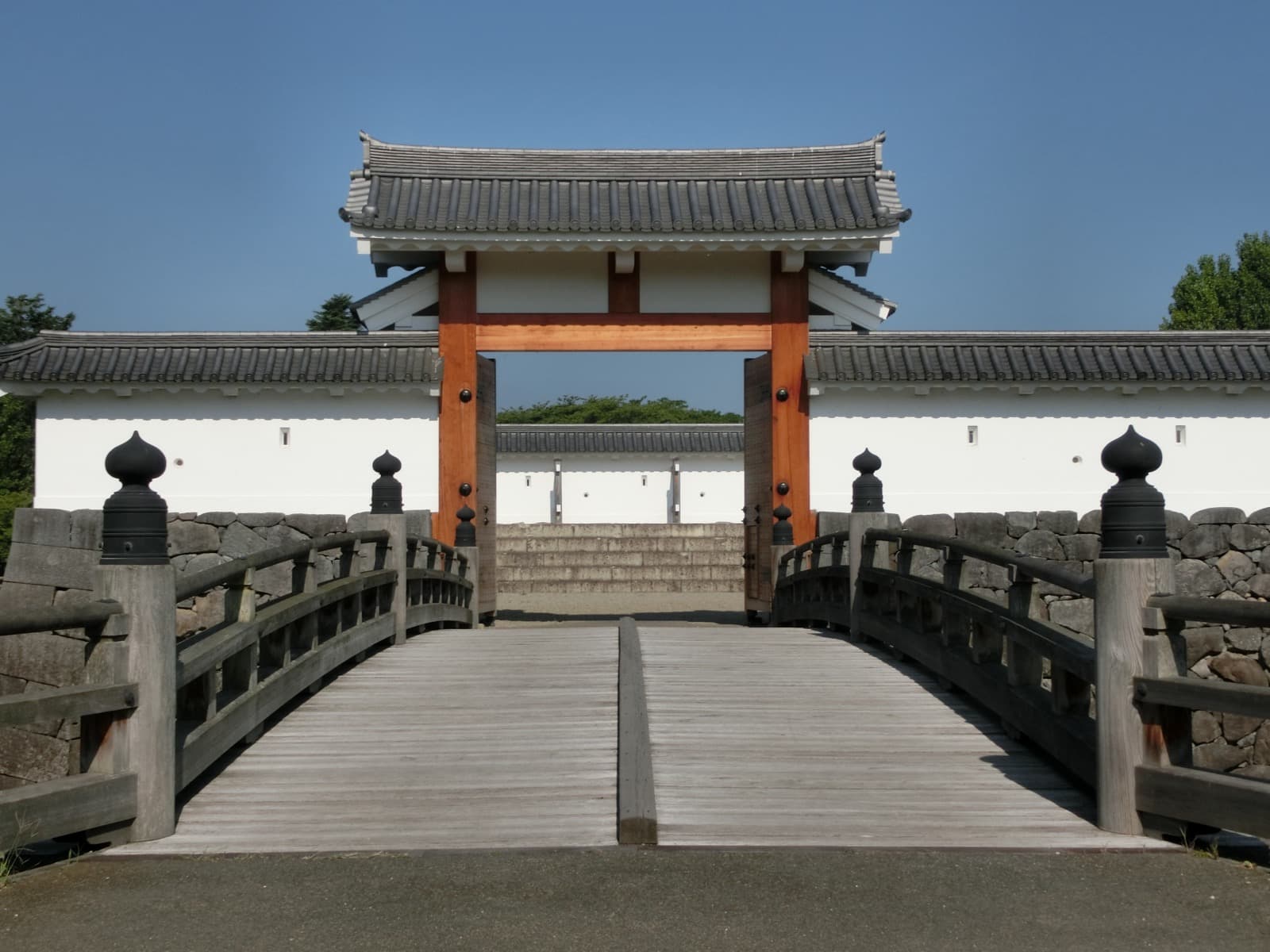
As the front moves into Tohoku, the season stretches out. Kajo Park sits on the ruins of Yamagata Castle, founded in 1357 and rebuilt in 1592, with a reconstructed gate and two museums inside the grounds — and roughly 1,500 cherry trees make it one of Yamagata's top blossom spots. It's an urban-history counterpoint to the region's rural and mountain sites, and an easy walk from the shinkansen. Getting there: About 15 min walk from Yamagata Station's East Exit to the Higashi Otemon gate. The park and castle grounds are free; the museums inside charge separate admission.
05Aomorihidden gem
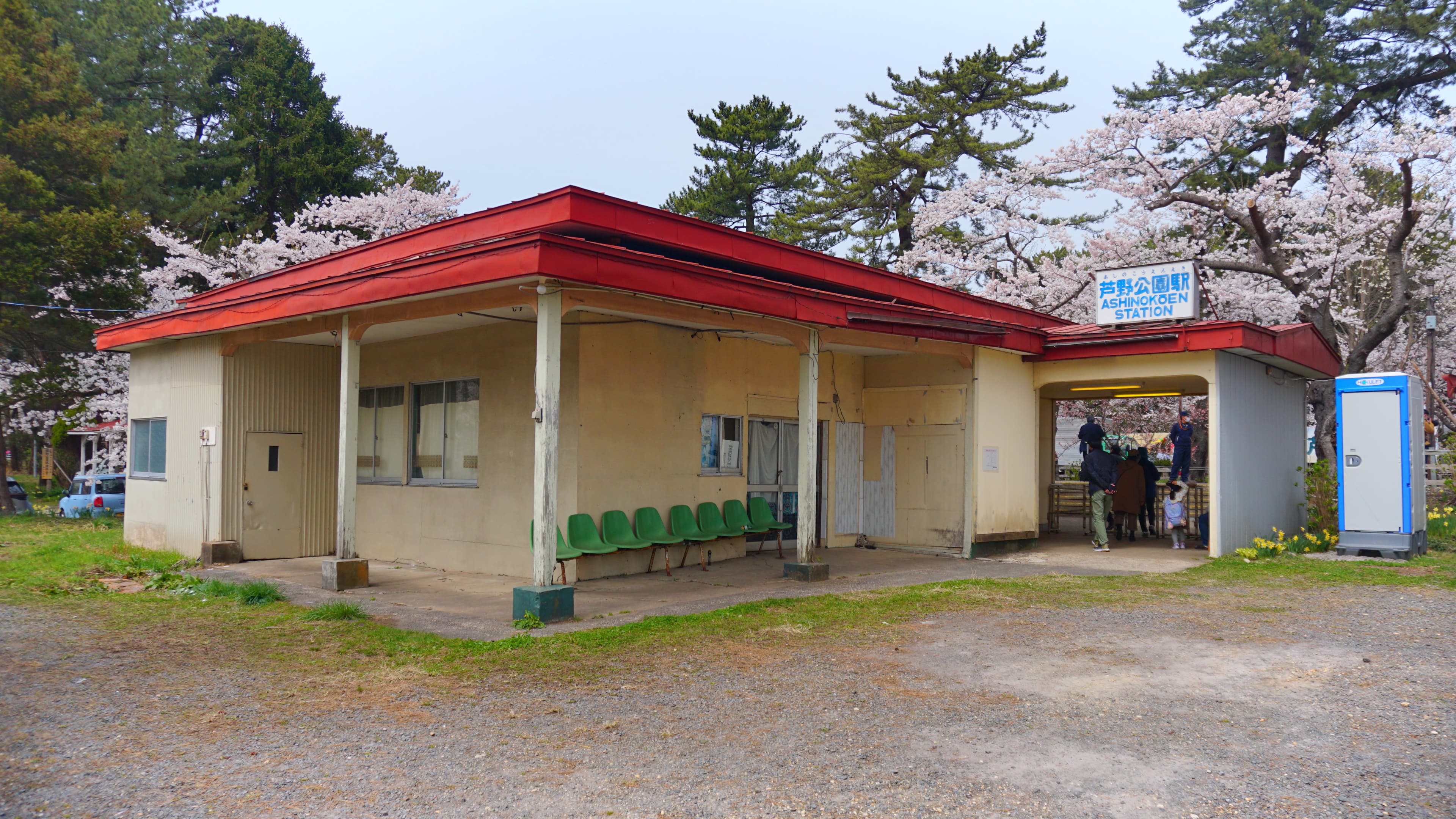
Ashinokoen Station (Aomori)
芦野公園駅
This is hanami at its most quietly perfect. A wooden 1930 halt on the private Tsugaru Railway sits beside the cherry-lined Ashino Park in Kanagi — the only original station building surviving from the line's opening. The old station house is now a retro cafe serving horse-meat curry and a coffee blend said to have been a favourite of local author Osamu Dazai. Almost no overseas travellers ride this 20 km local line, which makes the spring blossom here feel like a secret. Getting there: On the Tsugaru Railway about 15 minutes from Tsugaru-Goshogawara Station (transfer there from the JR Gono Line at Goshogawara); the station adjoins Ashino Park. Best in spring.
06Hokkaido
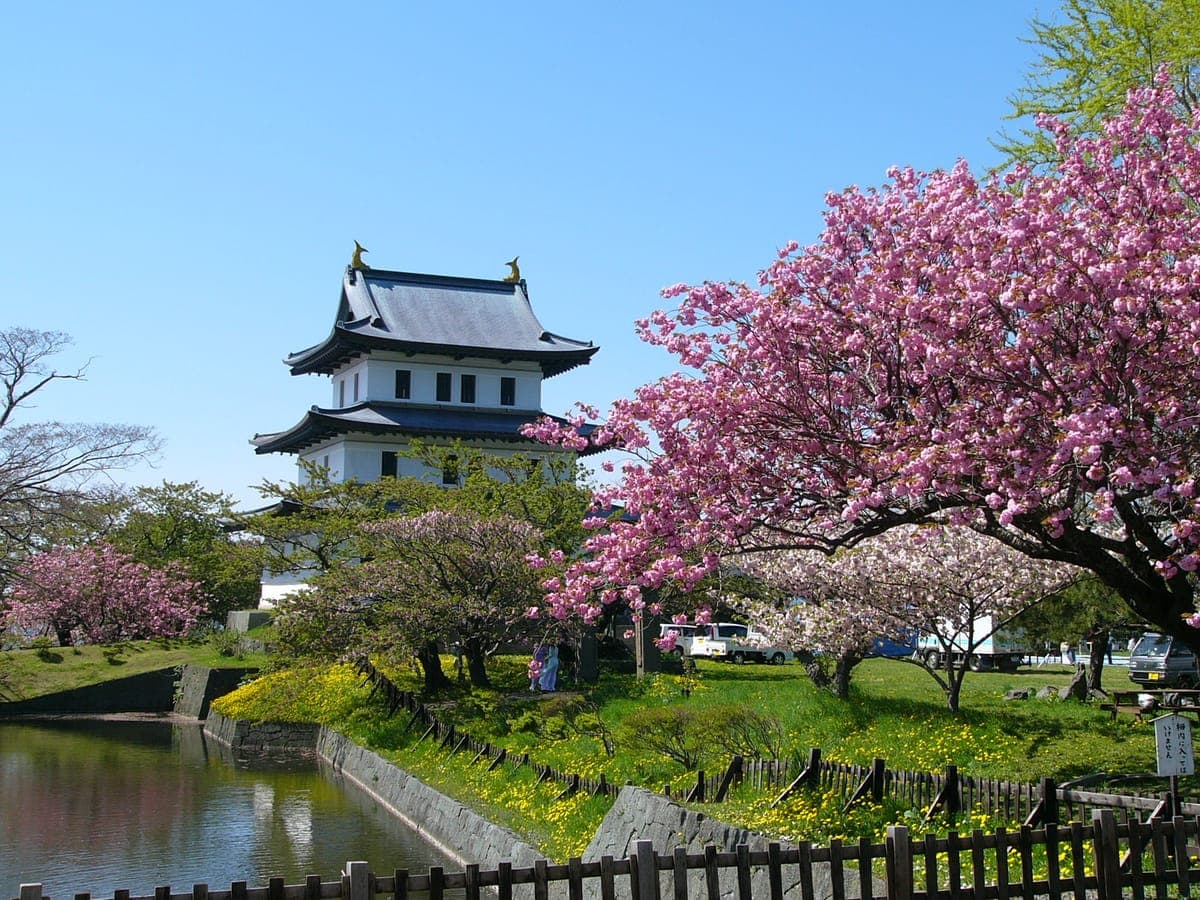
Matsumae Castle (Hokkaido)
松前城
The blossom front finally runs out of Japan here. Matsumae is the only Japanese-style castle in Hokkaido, a window into the region's feudal past, and it's surrounded by cherry trees that make it a stunning sight in sakura season — which arrives late, often into early May, long after Kyoto has finished. Most visitors stick to Sapporo and miss it entirely. Getting there: From Sapporo, take the JR Limited Express to Kikonai Station, then a local bus to Matsumae (it's a long haul — roughly 5h 24m by car). Best in spring during cherry blossom season.
When to go
Japan's sakura front is a slow-moving wave that starts in the warm south and climbs north over roughly six weeks. In Kansai the blossom peaks late March into mid-April — Himeji around late March to early April, Yoshino's mountain zones staggered by elevation through early-to-mid April. Move up through Kanto and the timing holds through mid-April, with higher and cooler spots like Mount Akagi (early-to-mid April) running a touch later than central Tokyo. Push on into Tohoku and the season stretches into mid-April and beyond at Yamagata and Aomori, and by the time you reach Matsumae at the southern tip of Hokkaido the trees can still be blooming into early May. That progression is the whole trick to a crowd-free sakura trip: start south early, then follow the front north and you can catch peak bloom several times over in a single season.
Keep exploring
- Autumn Leaves Off the Beaten Path — the same quiet spots when the maples turn.
- Kansai Beyond Kyoto and the Kii Peninsula — more of the region around Yoshino and Nara.
- Japan by Local Train — slow rural lines like the Tsugaru Railway, perfect for a blossom chase.
- Rainy-Season Japan: Hydrangeas & Mossy Temples — when the blossoms fade, the June rains bring their own quiet colour.
Ready to plan? Build your own hidden-Japan itinerary → — our trip generator turns any of these spots into a day-by-day route.