Hokkaido6 min read
Hokkaido Beyond Sapporo: Wild Coasts, Lakes & Farm Country
Hokkaido off the beaten path beyond Sapporo: ghost forests, caldera lakes, farm-country factories and Japan's northernmost cape, with how to reach each.
Best time: Jun–Sep (green) & Feb (snow)

Most first trips to Japan's northern island start and end in the capital, but the real reward is Hokkaido off the beaten path beyond Sapporo — the wetlands, caldera lakes, gorge waterfalls and pioneer farm towns that fill the map once you rent a car and drive. This is a landscape built for slow travel: a ghost forest of salt-killed firs on the country's longest sandspit, a cobalt pond in the Biei hills, brown-bear coastline at the edge of a UNESCO peninsula, and a racecourse where draft horses haul sleds up sand ramps. Distances are large and public transit thins out fast, so a self-drive itinerary opens up far more than the day-trip circuit near the city. Below are nine spots spread across the island — north to Cape Soya, east to Shiretoko and Notsuke, and south into the Tokachi farm plains — that reward the detour.
01Hokkaido
Biei Blue Pond
美瑛の青い池
The Blue Pond is famous for its striking, almost artificial-looking blue water, a color created by natural minerals in the soil and reflected against the surrounding trees. It draws photographers and nature lovers year-round, but it is at its most atmospheric in the autumn foliage season. Many travelers stick to Hokkaido's headline destinations and never make the short drive into the Biei hills to see it. Getting there: The pond is reached by car near Biei Station, a short walk from the parking area; roughly 2h 37m by car from Sapporo Station. Admission Free (parking ¥500 for cars, ¥100 for motorbikes). Best Autumn.

02Hokkaido
Furano Cheese Factory
富良野チーズ工房
This working cheese factory in the Furano countryside lets visitors watch cheese-making, sample local varieties, and join hands-on workshops, with a café and wood-fired pizzeria looking out over farm scenery. It captures the dairy heart of central Hokkaido — a side of the island most flower-circuit tourists breeze past. Between the tastings, the gourmet shop and the soft-serve counter, it makes an easy, relaxed stop. Getting there: Easily reached by car from central Furano, or by a local bus connecting the main tourist spots; about 2h 5m by car from Sapporo Station. Facility admission and tour are Free (hands-on cheese, butter and ice-cream workshops from ¥1,200). Best Year-round.
03Hokkaido
Ginga and Ryusei Falls
銀河の滝・流星の滝
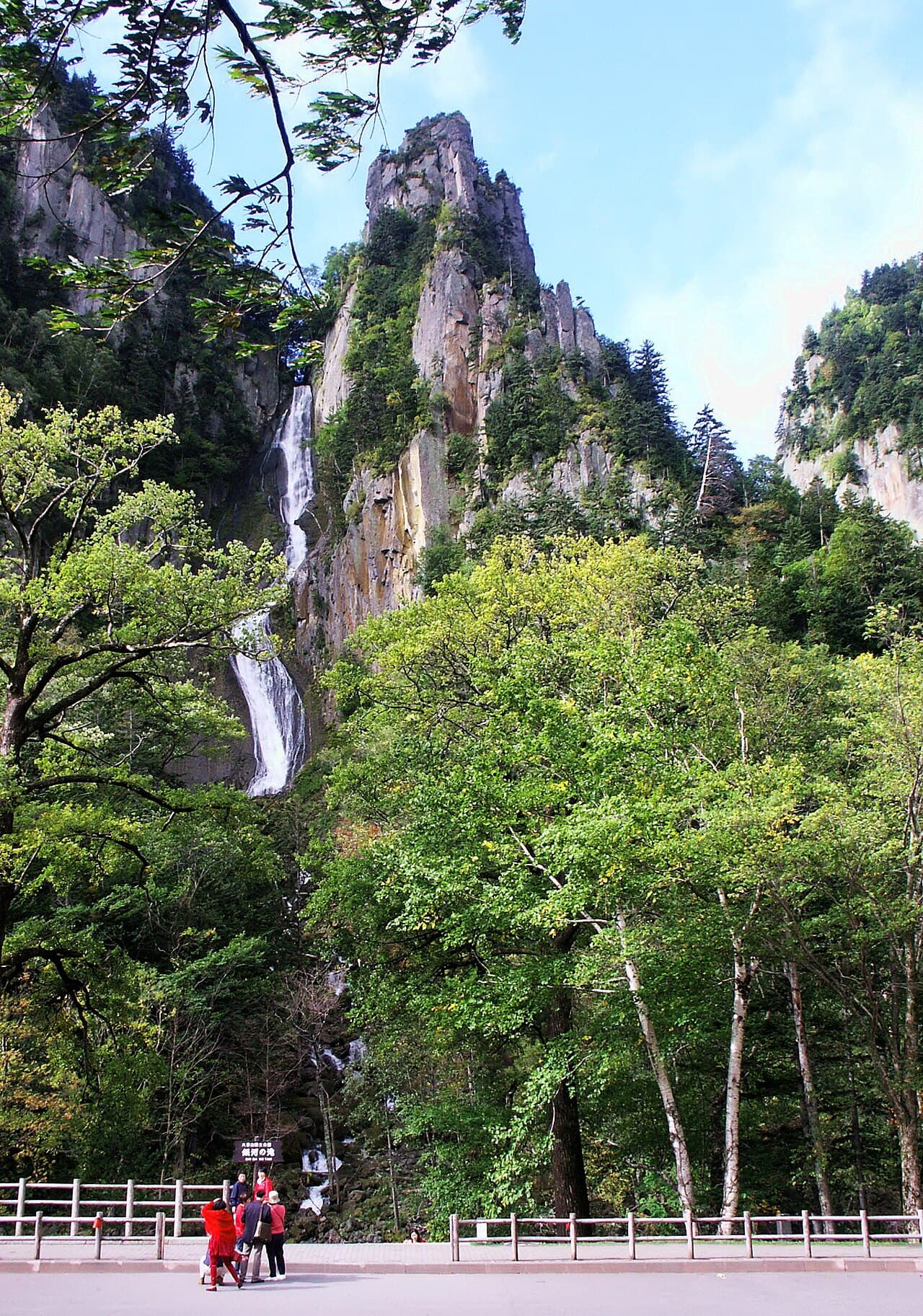
These twin waterfalls tumble from the cliffs of Sounkyo Gorge a short distance apart: the delicate, thread-like Ginga (Milky Way) Falls drops about 120 m, while the powerful Ryusei (Shooting Star) Falls plunges about 90 m. Known together as the "husband-and-wife falls," they rank among Japan's 100 finest waterfalls. Most tour buses stop only at the roadside lot for a quick photo and skip the steep 20-minute climb to the Sobakudai platform, where both falls frame up together. Getting there: About 3–4 km east of Sounkyo Onsen on Route 39, with free roadside parking and a viewpoint; reachable by car or a short taxi from Sounkyo Onsen, which is served by buses from JR Kamikawa Station. Best Autumn.
Shiretoko National Park
A UNESCO World Heritage site on Hokkaido's rugged eastern tip, Shiretoko pairs wild coastline and dense forest with some of the best chances in Japan to see brown bears in their natural habitat. Its remoteness and limited access are exactly why it stays quiet compared to the island's better-known stops. This is the wild coast at its most untamed. Getting there: Accessed via the town of Shari, with bus services from major cities in Hokkaido. Admission Free (boat cruises and some facilities charge separately). Best Summer.
04Hokkaidohidden gem
Notsuke Peninsula (Todowara)
野付半島(トドワラ)
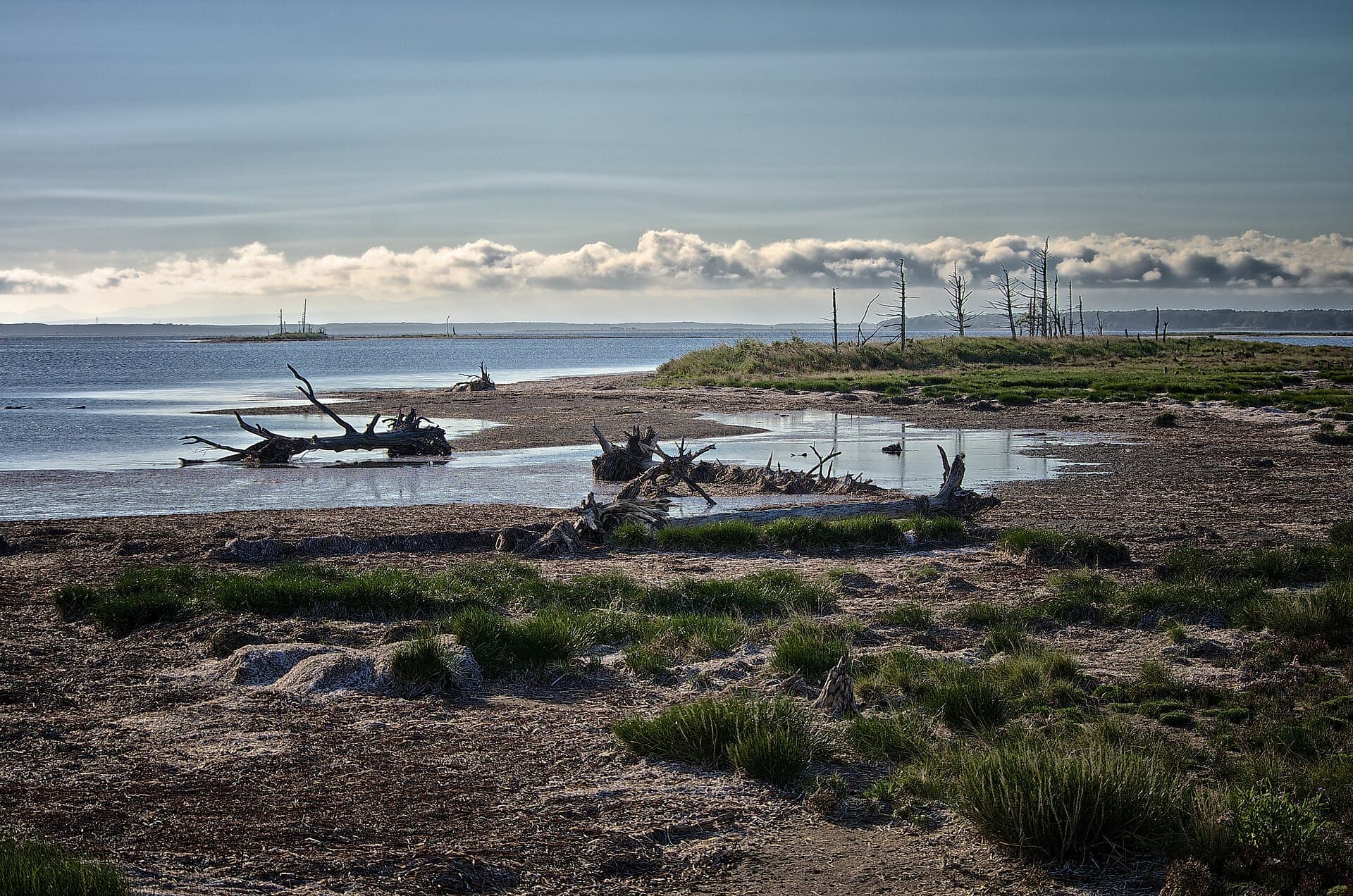
Japan's longest sandspit curls 26–28 km into the Nemuro Strait off eastern Hokkaido, enclosing Notsuke Bay. At its Todowara section, a forest of Sakhalin fir killed by seawater intrusion and land subsidence has bleached into a stark "ghost forest" of skeletal trunks rising above the wetland grasses. Ramsar-listed and reached only by a single flower-lined coastal road far past Shiretoko, it sees very few international visitors. Getting there: Drive Hokkaido Prefectural Road 950 (the "Flower Road") from Shibetsu, then walk or take the tram-cart from the Notsuke Peninsula Nature Center to Todowara (about 20 min). No train access; the nearest hub is Nakashibetsu (bus or taxi, ~40 km). Best June–August for wildflowers, September–October for stark autumn light on the driftwood.

05Hokkaido
Kushiro Shitsugen National Park
釧路湿原国立公園
Hokkaido's great eastern wetland is a vast expanse of reedbeds and marsh threaded by the meandering Kushiro River, best known as home to the red-crowned Japanese crane. It is a paradise for birdwatchers and anyone drawn to wide, quiet landscapes, yet it is routinely overlooked in favor of busier destinations. Boardwalks and observatories give access without disturbing the fragile ecosystem. Getting there: Reachable by public transport from Kushiro city, with buses running to various points in the park; Kushiroshitsugen Station is a 5-min walk from the wetland edge, and it's about 4h 38m by car from Sapporo Station. Admission Free (individual facilities such as observatories and canoe operators may charge separately). Best Spring, Summer or Autumn.
06Hokkaido
Cape Soya
宗谷岬
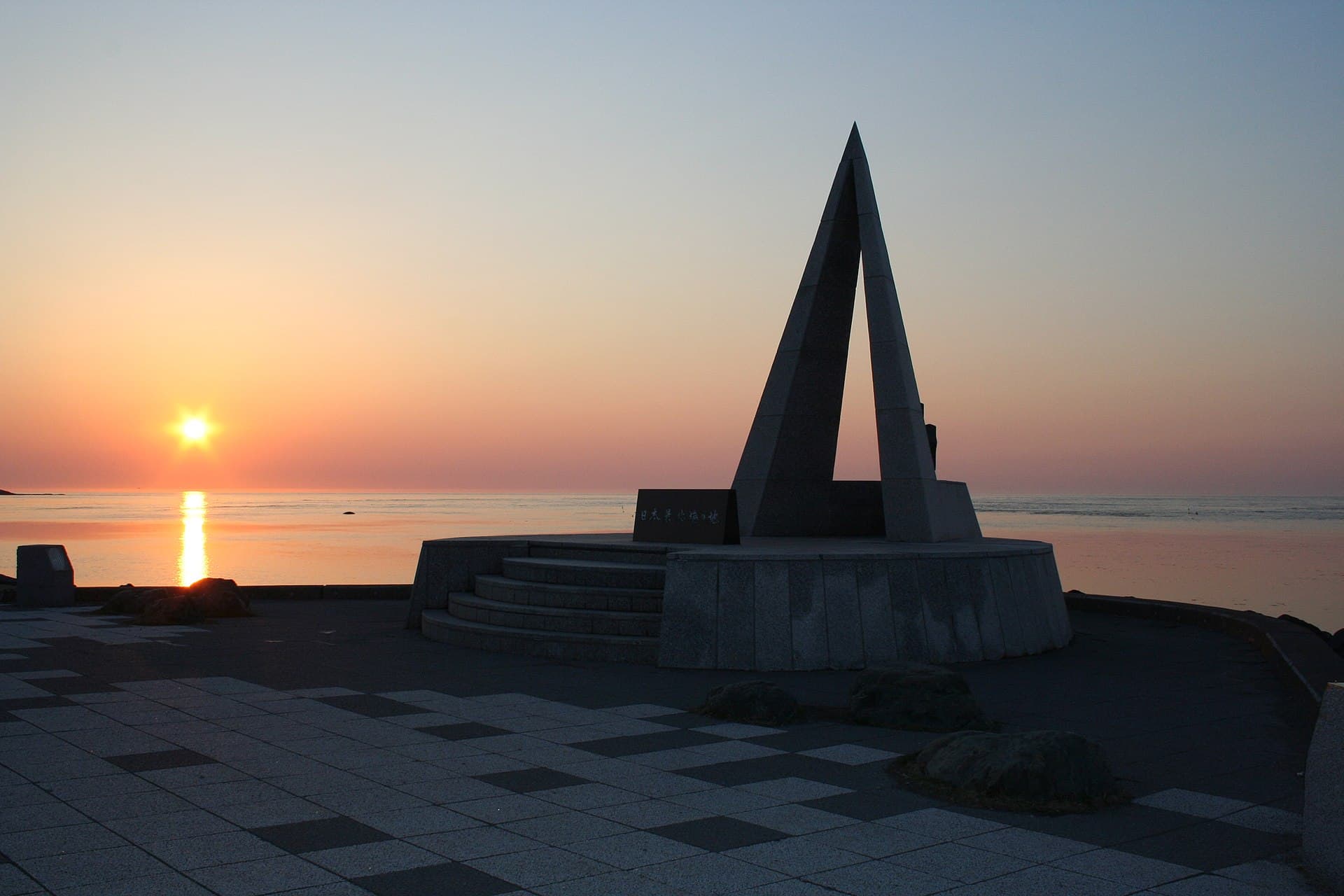
The northernmost point of Hokkaido — and of mainland Japan — where a monument marks the tip of the cape and, on clear days, Sakhalin Island is visible across the La Perouse Strait. More than ten monuments dot the grounds, including memorials to the USS Wahoo and Korean Air Lines Flight 007. Wakkanai is mostly a ferry gateway to Rebun and Rishiri, so few travelers make the extra 30 km out to the cape itself. Getting there: Soya Bus from Wakkanai Station, or a rental car via Route 238 (about 30 min); JR Wakkanai Station is roughly 50 min by bus or 30 min by taxi. Best Summer for clear Sakhalin views; winter sunsets are dramatic but cold and windy.
07Hokkaidohidden gem
Lake Shikaribetsu
然別湖
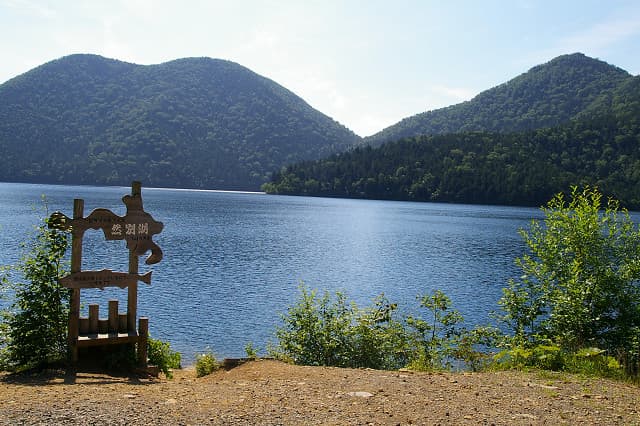
Hokkaido's highest-elevation lake at 810 m is a volcanic caldera lake ringed by lava domes in Shikaoi town, just south of Daisetsuzan National Park. In winter its frozen surface hosts "Kotan," a village of hand-built ice igloos with an open-air hot spring set directly on the ice; summer brings canoeing and hiking. Tucked in a mountain pocket well off the Furano–Biei–Tokachi flower circuit, it is skipped by most itineraries despite being one of the island's most dramatic caldera lakes. Getting there: About a 90-min drive from Obihiro or Furano, with limited public transit — mainly winter tour buses to Kotan. No train access; the nearest stations are Shintoku or Obihiro (~60–90 min drive). Best Winter (the Kotan ice village runs late January to late March) or summer.
08Hokkaidohidden gem
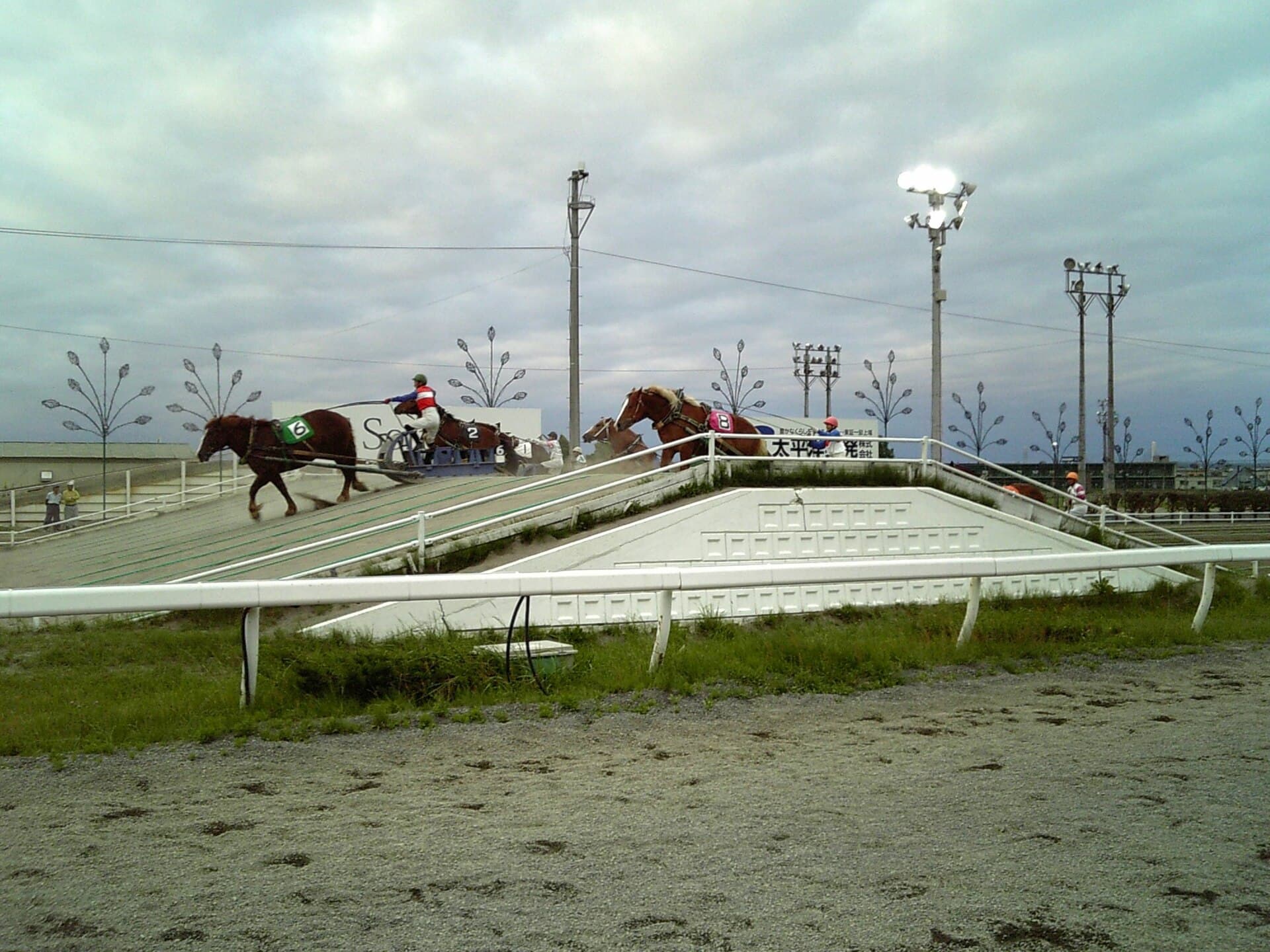
Banei Tokachi (Obihiro Racecourse)
帯広競馬場(ばんえい十勝)
This is the world's only surviving Ban'ei horse racing track, where jockeys ride sleds pulled by draft horses weighing up to a ton over sand hills on a straight 200 m course. A living remnant of Hokkaido's pioneer farming culture, it is designated a Hokkaido Heritage site. Almost unknown to international visitors on the flower circuit, it is a genuinely one-of-a-kind spectacle found nowhere else in the world. Getting there: A 15–20 min walk from Obihiro Station, or a free shuttle bus on race days. Best Year-round; summer Friday-night races are especially atmospheric.
When to go
Hokkaido runs on two clear seasons for travelers. From June through September the island turns green: alpine wildflowers open, the Notsuke "Flower Road" blooms, wetlands and farm country are at their most inviting, and Cape Soya offers its clearest views across to Sakhalin. Autumn (roughly late September into October) brings fiery color to the Sounkyo gorge and the Biei hills. February and deep winter belong to the snow — most striking at Lake Shikaribetsu, where the frozen Kotan ice village and its open-air hot spring appear from late January to late March. Because many of these places have thin or seasonal bus service, a rental car makes the difference between seeing one and stringing several together.
Keep exploring
- Autumn Leaves Off the Beaten Path
- Hidden Winter Onsen
- Tohoku Winter Festivals
- Hidden Hokkaido in Winter — the same coasts and lakes once the drift ice arrives.
Ready to plan? Build your own hidden-Japan itinerary → — our trip generator turns any of these spots into a day-by-day route.