Multi8 min read
Japan's Art Towns Beyond Naoshima: Kiln Villages & Museums in the Middle of Nowhere
Japan art towns beyond Naoshima — kiln villages, a James Turrell light house, a Kusama-filled museum in Aomori and an I.M. Pei museum hidden in Shiga's hills.
Best time: Year-round
Naoshima did something remarkable: it convinced the world that the best place to look at art in Japan might be a small town nobody had heard of. It also became a victim of that success — the ferries are full, the pumpkin has a queue, and the Setouchi islands now carry the whole reputation of rural Japanese art on their backs. They shouldn't have to. Long before the Inland Sea got its museums, Japan already had art towns: kiln villages where families have thrown the same clay for four hundred years, mountain hamlets where a single light-filled room counts as a permanent artwork, museums built deliberately far from anywhere so that reaching them is part of the piece. These are the art towns beyond Naoshima — places where art is not a bonus attraction but the entire reason to make the trip. All of them are quiet.
01Aomori
Towada Art Center
十和田市現代美術館
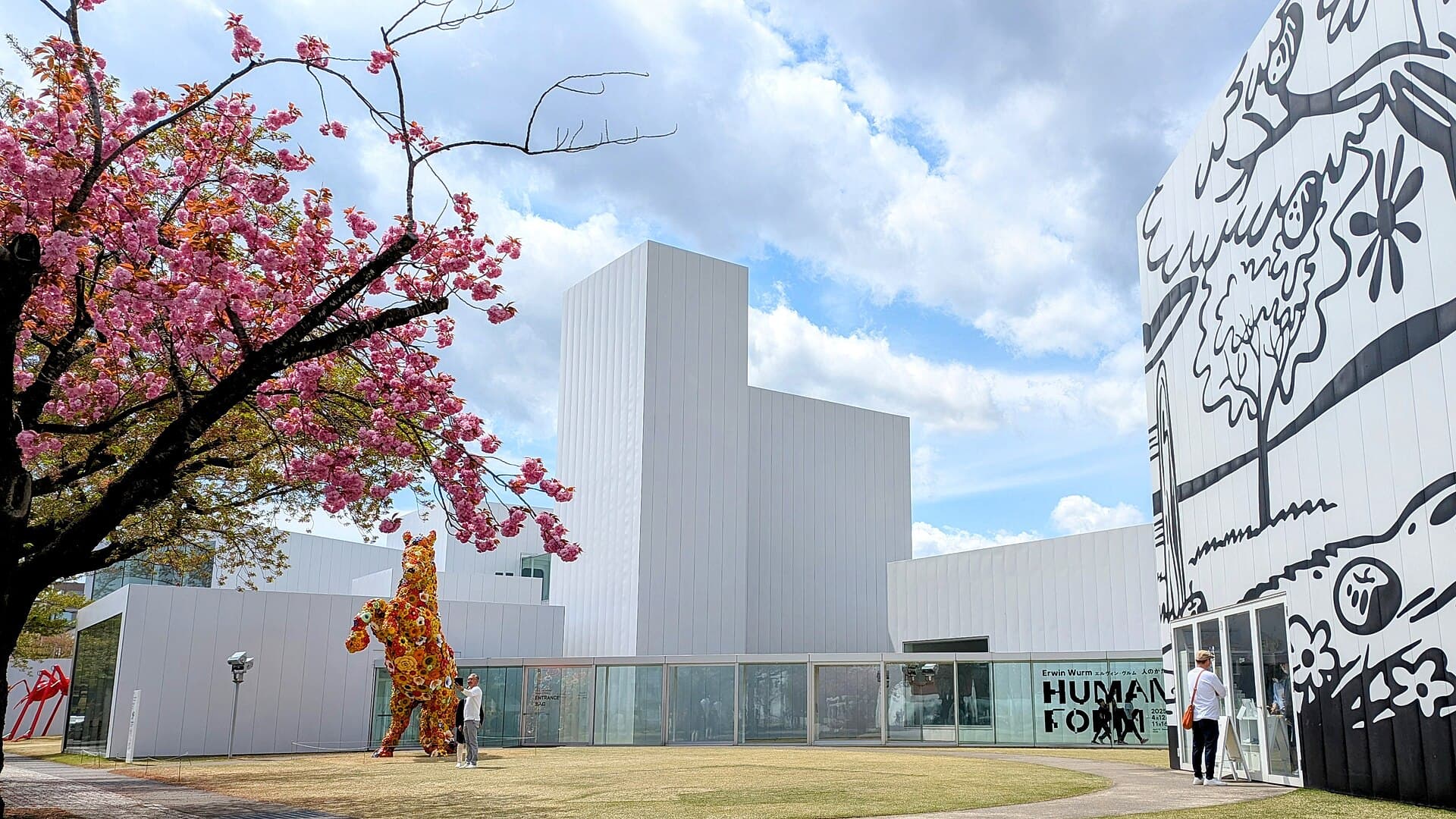
If one place deserves to inherit Naoshima's reputation, it is this. A contemporary art museum opened in 2008 in Towada City's Art & Craft district, it shows site-specific installations by artists including Yayoi Kusama, Ron Mueck and Erwin Wurm — each given its own glass-walled room — while outdoor sculptures spill down Kanchogai-dori avenue so that the art escapes the building entirely and takes over the street. It is genuinely a town remade by a museum. And almost nobody comes: Lake Towada pulls the coach tours, while Towada City itself, a separate castle town some 30km away, gets bypassed by day-trippers who only ever look at the water.
Getting there: From JR/Aoimori Railway Hachinohe Station, take the bus from the East exit toward Honcho-higashi (about 60 minutes) and alight at Kanchogai-dori. Admission ¥1,800 adult for collection plus exhibition, dropping to ¥1,000 between exhibitions. Closed Mondays; open 9:00–17:00 otherwise. Good year-round.
02Niigatahidden gem
House of Light
光の館
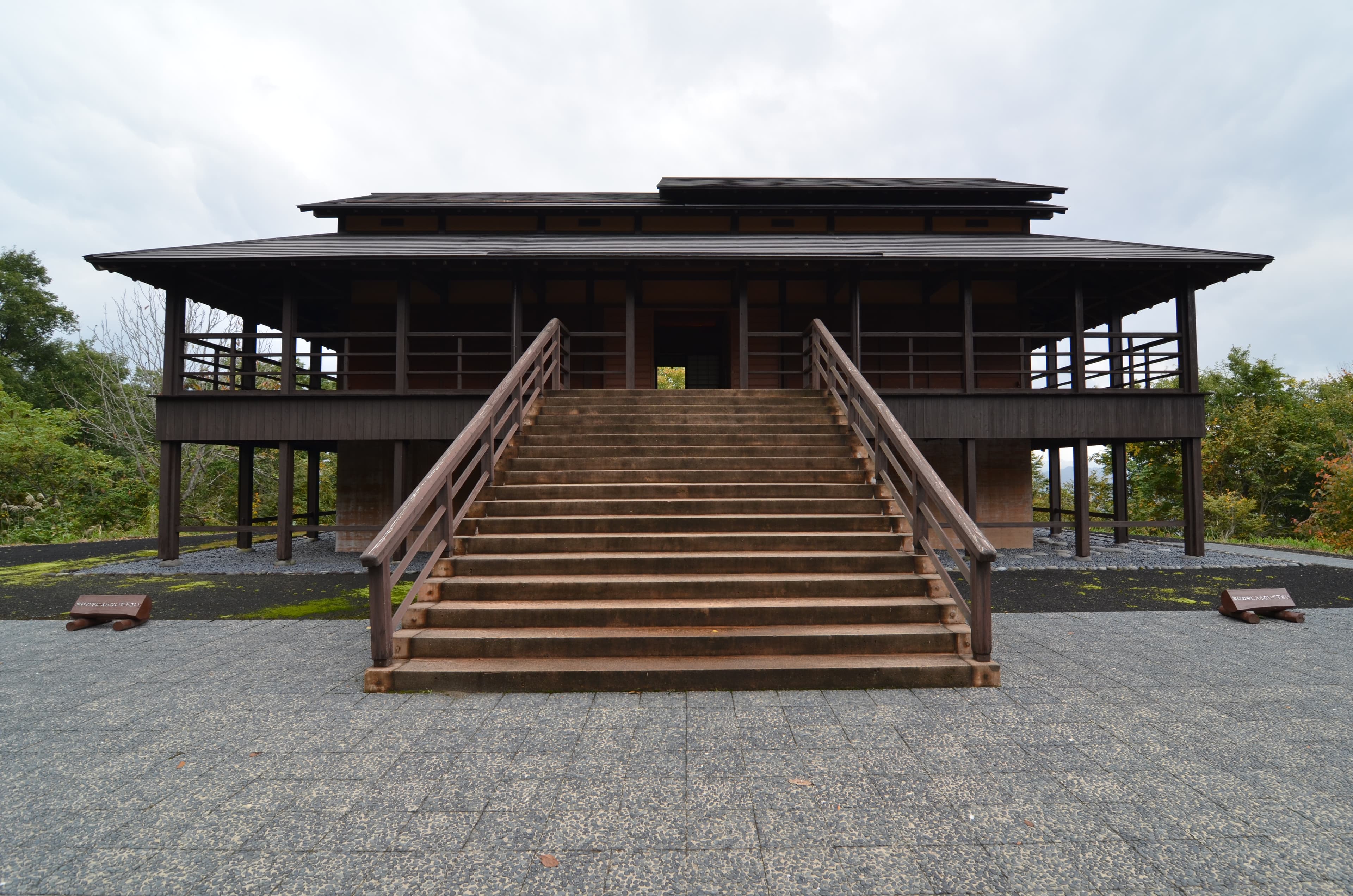
Not a museum. A house — one you can sleep inside. Built by the American light artist James Turrell for the 2000 Echigo-Tsumari Art Triennale, it is a permanent installation-house in the Niigata snow country whose centrepiece is an automated skylight room programmed to the light cycles of sunrise and sunset. You lie on your back and watch the sky change colour against the frame of the ceiling, and that is the artwork. Because it is a single specific building rather than a triennale hub, it slips through the cracks: bookable for day visits or for overnight stays, yet still barely known outside art circles.
Getting there: About 15 minutes by taxi from Tokamachi Station (JR Iiyama Line / Hokuhoku Line). Day visits ¥500 adult, ¥250 child, in an 11:30–15:00 window; overnight stays are separately priced and reservation-based.
03Shiga
Miho Museum
MIHOミュージアム
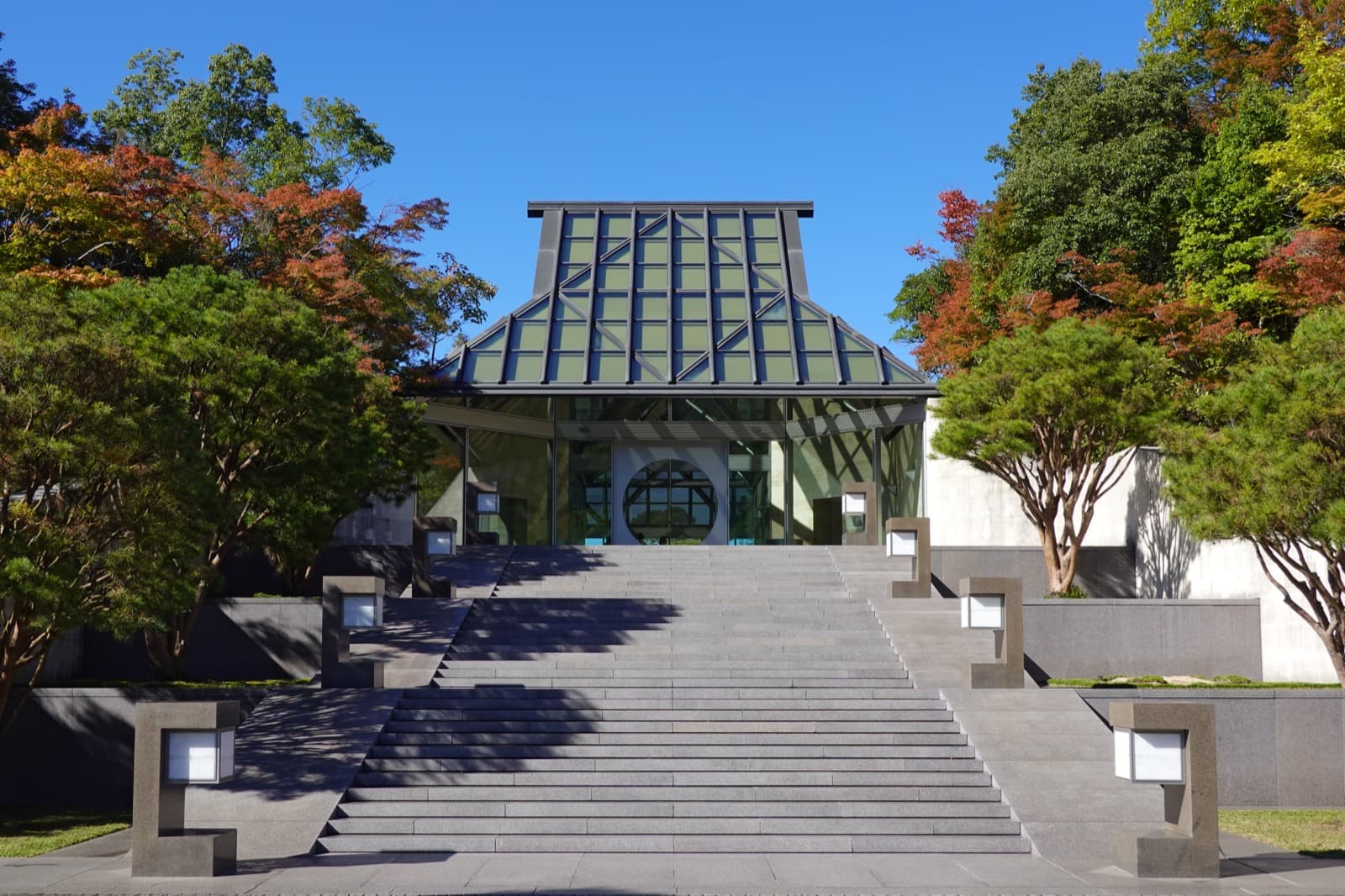
An I.M. Pei building — the same architect as the Louvre Pyramid — sunk into the forested hills of Koka, near Shigaraki. Some 80% of the structure is underground, and you reach it through a stone tunnel and across a suspension bridge that opens without warning onto a glass-and-steel pavilion. Inside sits a collection of ancient Egyptian, Greco-Roman, West and South Asian and Japanese art. The approach is deliberate theatre, and so is the obscurity: no roadside signage, seasonal opening only, and despite being an architectural landmark it stays firmly off the Kyoto–Osaka circuit.
Getting there: From JR Ishiyama Station, take the dedicated Teisan bus about 50 minutes to the museum (the last stop); by car it is 15 minutes from Shigaraki IC on the Shin-Meishin Expressway, with free parking. Admission ¥1,300 adult, ¥1,000 high-school and university, free for elementary and junior-high. Closed Mondays and outside the spring/summer/autumn exhibition periods — check the calendar before committing to the drive.

04Tokushimahidden gem
Kamiyama Artist in Residence (KAIR)
神山アーティスト・イン・レジデンス
Deep in the mountains of Tokushima, Kamiyama has run an artist residency since 1999 — long enough that the programme has reshaped the town around it. It sits at the centre of the satoyama creative-revival movement that turned Kamiyama into Japan's model "creative rural town," and the evidence is woven through the place: artist studios, installations left behind by past residents, a community of design firms and remote-work migrants who came for a season and stayed. It is well known inside Japanese art and rural-revival circles and has essentially no English-language tourism profile — which tells you how few foreign visitors ever arrive.
Getting there: Roughly 1.5 hours by car from Tokushima city centre (about 1h 36m from Takamatsu Station); public transport options are limited, so this is a car trip. Not a ticketed site — exhibitions and open studios are free to attend. Spring and autumn are the best months for mild weather and the scenery that drew the artists here.
05Nagano
Utsukushigahara Open-Air Museum
美ヶ原高原美術館
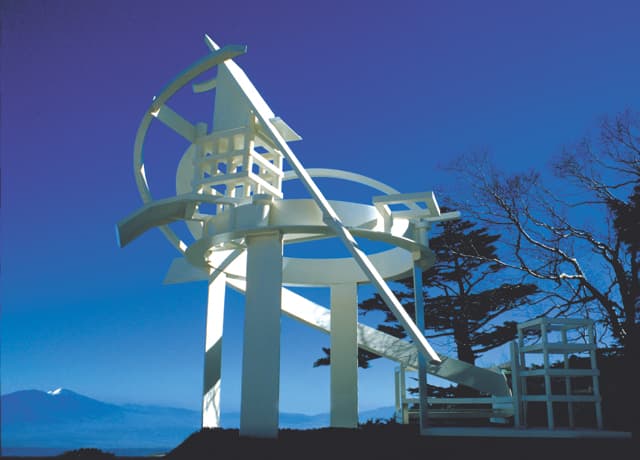
Contemporary sculpture, set loose on a high plateau. The collection sprawls across the grounds of the Utsukushigahara highland in Nagano, so that walking between the installations means walking a mountaintop with the view running away in every direction — art and landscape doing the work together rather than one framing the other. Its remoteness is precisely why mainstream travellers skip it: Nagano has no shortage of famous attractions closer to the station, and this one asks for a bus ride and a day.
Getting there: Bus from Matsumoto Station, about 40 minutes. Admission ¥1,000 adult, ¥500 elementary. Open 9:00–17:00 daily. Best from spring through autumn — this is a plateau, and winter closes the mood as much as the roads.
06Tochigihidden gem
Mashiko Pottery Village
益子焼の里
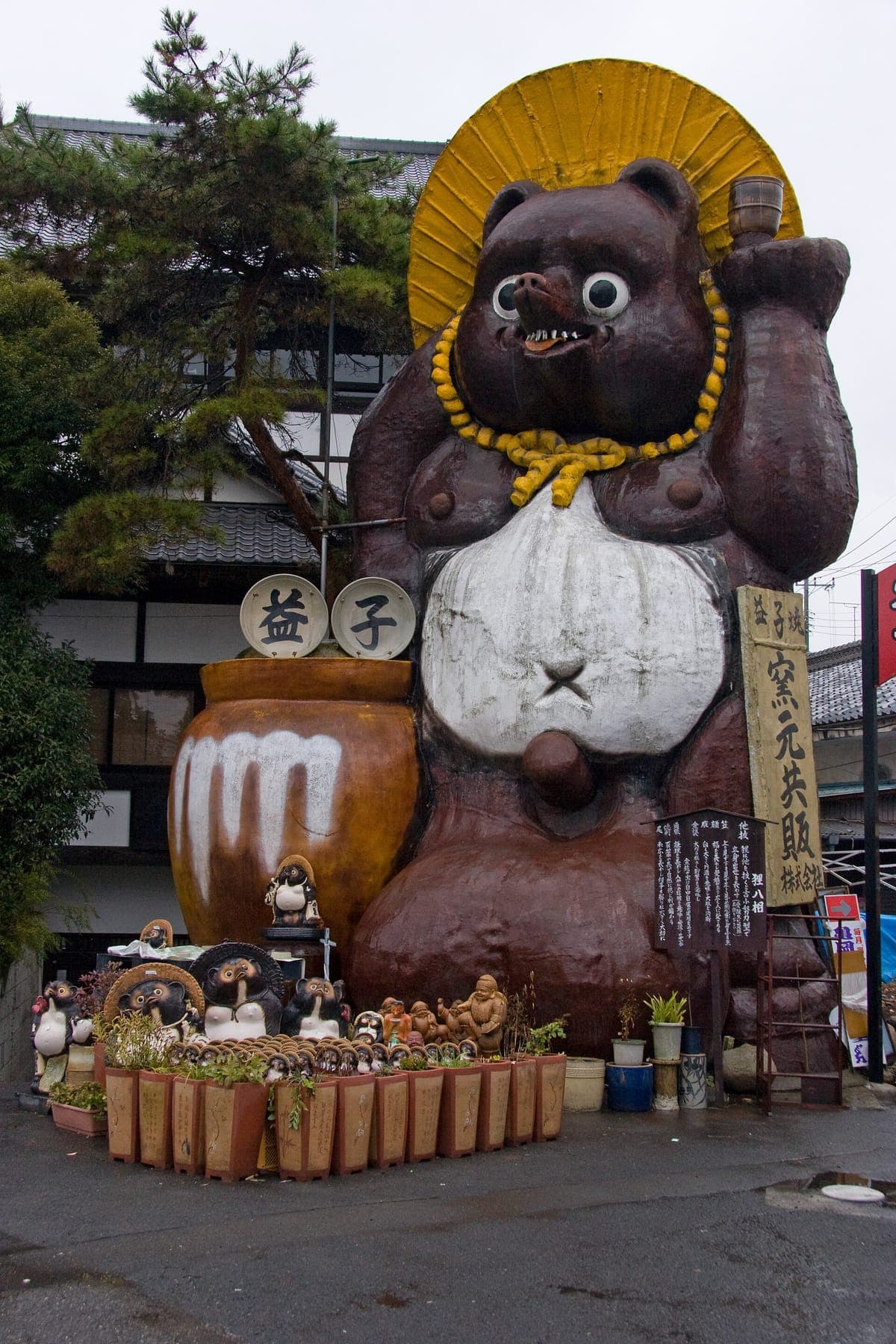
Now the kiln towns — starting with the one that turned pottery into a philosophy. Mashiko is the home of mingei, the Japanese folk-craft movement, and above all of Hamada Shoji, whose work made the village's unglamorous, hard-wearing ceramics into something the world took seriously. Twice a year the town throws a pottery market that pulls artisans and collectors from across Japan; the rest of the time it is a quiet spread of kilns, shops and studios. Most travellers head for the famous names elsewhere in Tochigi and never turn off for it.
Getting there: Take the JR Utsunomiya Line from Tokyo to Utsunomiya, then transfer toward Mashiko Station (about 26 minutes' walk from the pottery district). Free to wander the town's kilns and shops; individual museums and workshops charge separately. Shops generally run 11:00–17:00. Best in spring and autumn.
07Aichi
Tokoname Pottery Footpath
やきもの散歩道
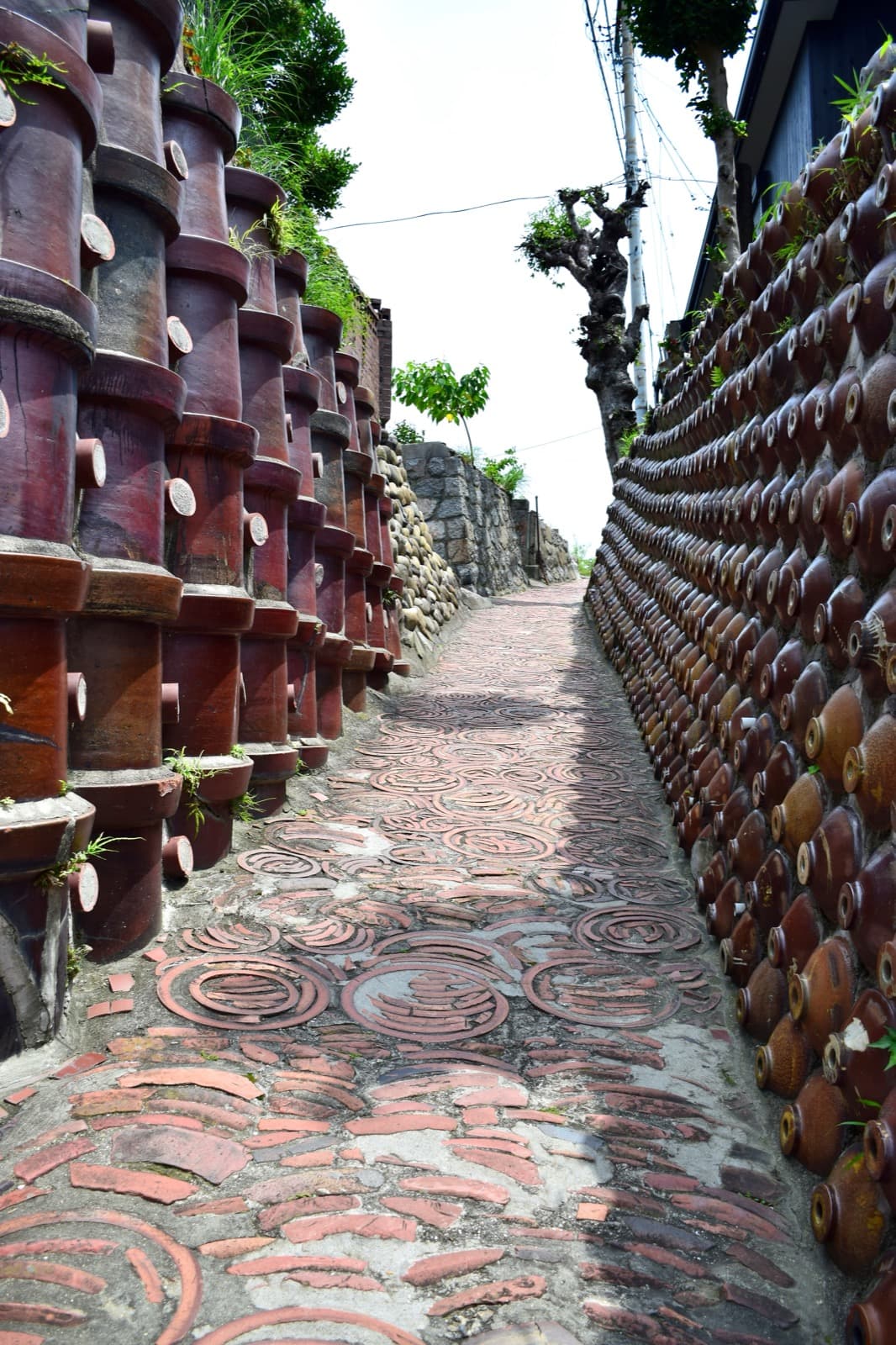
One of Japan's Six Ancient Kilns, and possibly the easiest art town in the country to reach — it is five minutes from Chubu Centrair Airport, which is exactly why nobody stops. The footpath is a walking course of 1.6 to 4km through the historic kiln district, winding past Meiji-era climbing kilns and brick smokestacks to Dokanzaka, an extraordinary sloping lane walled on both sides with stacked ceramic pipes and shochu jars. This is a working ceramics town, not a museum reconstruction, and the difference is visible in every scuffed wall.
Getting there: Five minutes' walk from Tokoname Station on the Meitetsu Tokoname Line; also reachable from Chubu Centrair Airport, one stop away. The footpath is open access and free, 24 hours a day — individual shops and the Ceramics Hall may charge for workshops. A perfect first or last day of a trip.
08Saga
Okawachiyama (Village of the Secret Kilns)
大川内山
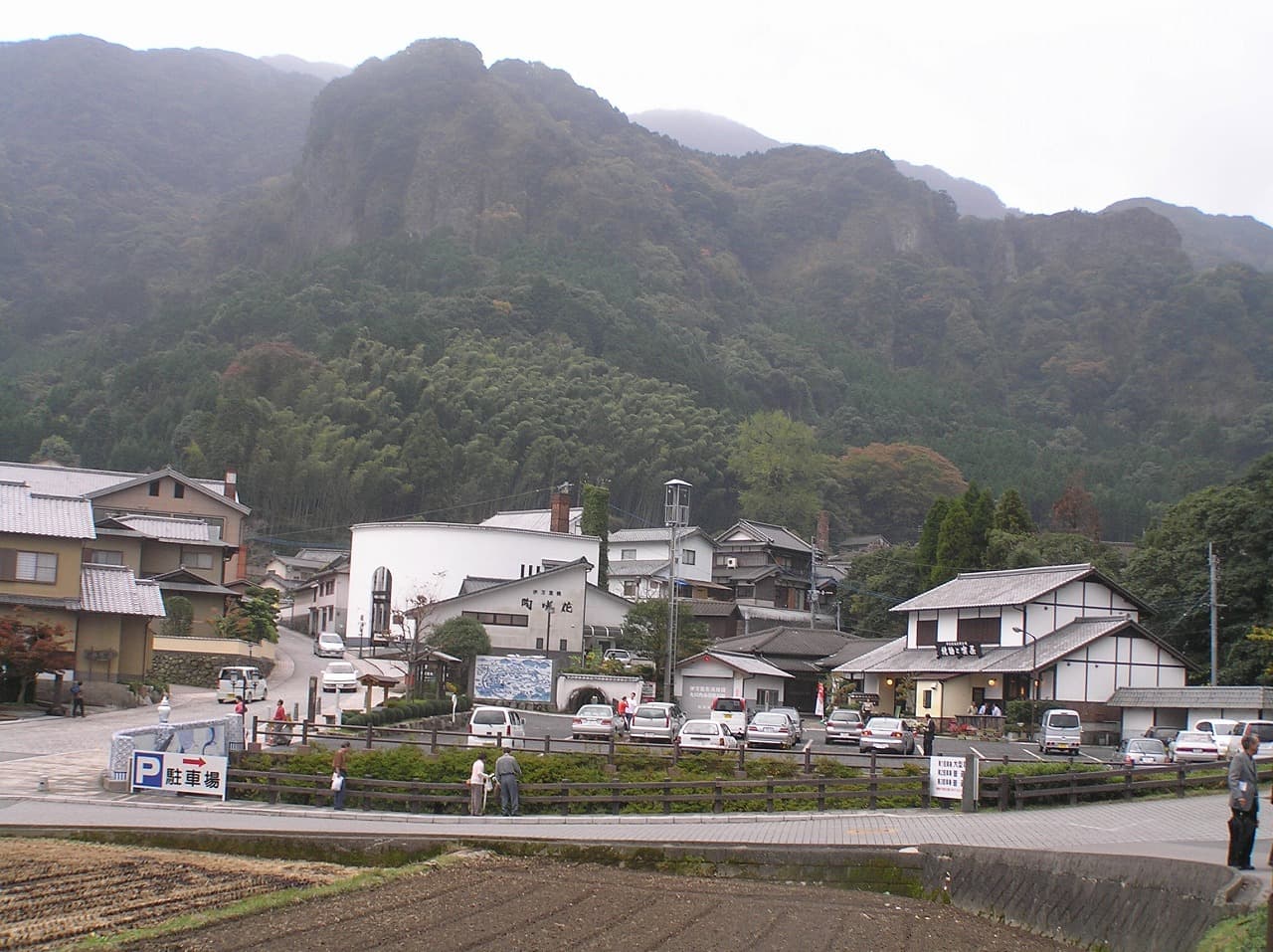
A secluded mountain hamlet just outside Imari that was, for nearly two centuries, a state secret. From 1675 to 1871 it served as the Nabeshima clan's guarded official kiln, producing porcelain exclusively for the shogunate and the imperial court — a guard post controlled access to protect the techniques. Today around 30 working studios line the narrow lanes beneath dramatic crags, and the village was designated a National Historic Site in 2003. It was literally built to be hidden, and somehow it still is, overshadowed by neighbouring Arita.
Getting there: From Imari Station (JR Chikuhi Line / Matsuura Railway), take a taxi or community bus about 15 minutes; there is no direct rail. Free to walk the village; parking is ¥500 per day for cars, ¥1,000 for buses, and hands-on pottery workshops run ¥1,000–5,000. Studios generally open 9:00–17:00.
09Oita
Onta Pottery Village
小鹿田焼の里
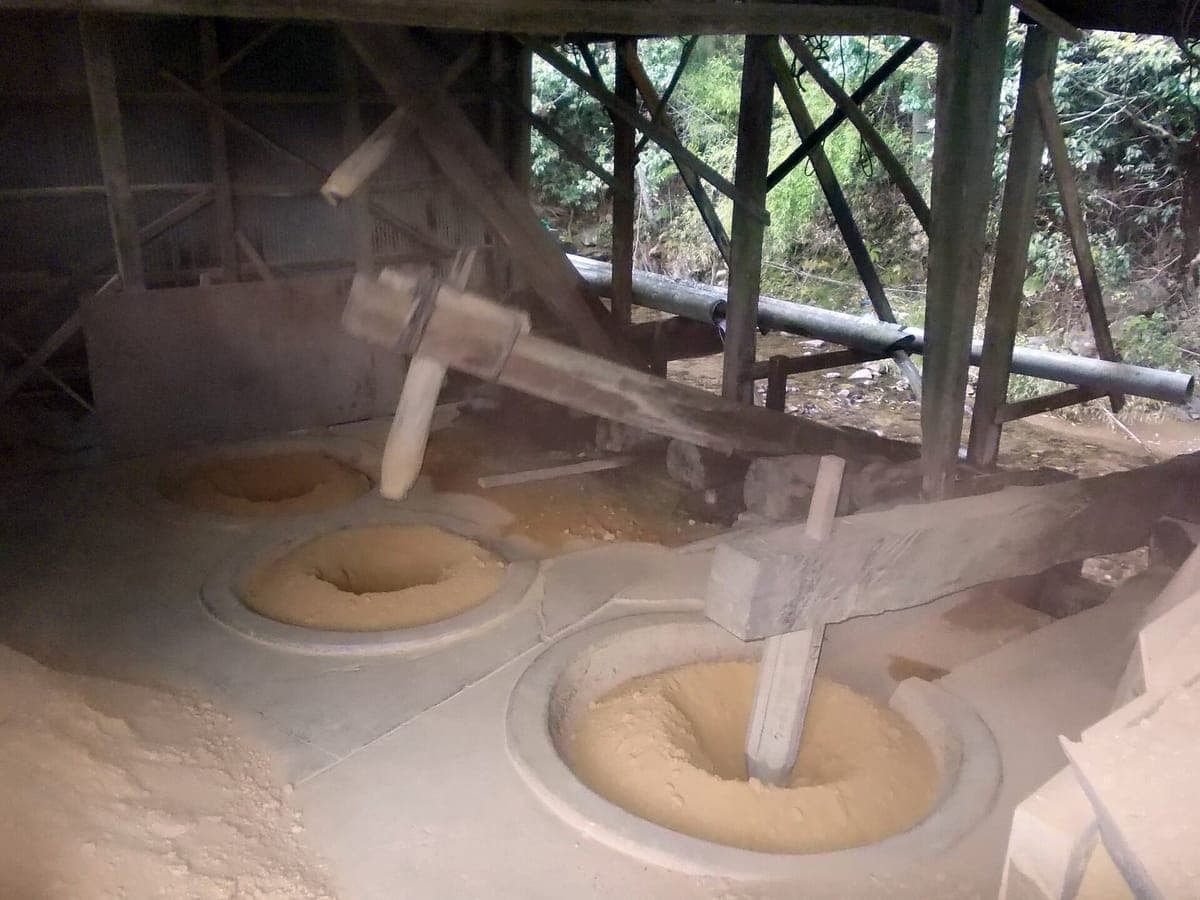
The sound is the thing here. Onta is a mountain pottery village in Oita where water-powered clay hammers still thud and echo through the narrow lanes, pounding raw clay the way they have for generations. Nothing about it is staged for visitors — the craft environment feels alive rather than preserved, which is a rarer quality than it should be. It stays off the radar for the simplest reasons: it is remote, and it is much smaller than Kyushu's famous ceramic towns.
Getting there: Best by car — about 1h 19m from Hakata Station, or a shorter drive from Hita; public transport toward Onta Village is limited. The village lanes are open around the clock, so an early morning or late afternoon visit, when the kilns are working and the light is low, costs you nothing but the drive.
10Okinawa
Tsuboya Pottery District
壷屋焼きの里
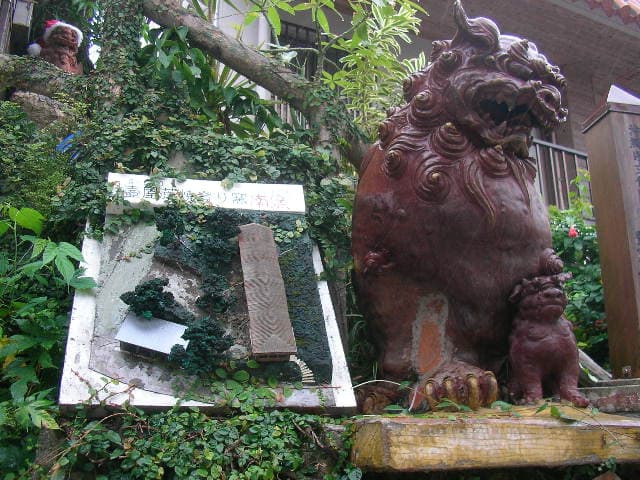
Okinawa's art town, hiding in plain sight in central Naha. Tsuboya is where Ryukyuan ceramics — yachimun — are made and sold, a district of pottery shops, galleries and workshops turning out the vividly coloured, boldly designed wares that look like nothing else in Japan, because the Ryukyu Kingdom's aesthetic never was. Visitors pour into Okinawa for beaches and resorts and walk right past the single best window into the islands' craft culture.
Getting there: Asato Station is a 10-minute walk, and the district is easily reached by bus from central Naha (about 27 minutes by car from Naha Airport); it is within walking distance of the Tsuboya Pottery Museum. The pottery street itself is public and free, open at all hours — though the shops keep their own schedules. Good year-round.
Planning an art-town trip
These places do not form a circuit, and stringing all ten together would ruin them. Pick a region and go deep. Kyushu is the strongest single run — Okawachiyama and Onta are both reachable from Hakata, and a car turns them into one unhurried ceramics weekend. Nagano gives you Utsukushigahara from a Matsumoto base; Towada rewards the long bus ride more than almost anywhere on this list.
Two warnings. Opening days: Towada and Miho both close on Mondays, and Miho shuts outside its spring, summer and autumn exhibition periods — a Monday in winter would strand you twice over. Transport: Onta, Kamiyama and Okawachiyama are car country, and a "limited local bus" can mean two services a day.
And if you do want the islands after all, take the ferry one stop past the famous one — Ogijima, in Naoshima's shadow, is quieter than the headlines suggest.
Keep exploring
- Setouchi: Art Islands & Inland-Sea Port Towns — the art islands themselves, including the quiet ones beyond Naoshima.
- Into the Japan Alps: Nagano, Gifu & Toyama — build Utsukushigahara into a wider mountain route.
- Kanto Day Trips Without the Crowds — Mashiko and other escapes within reach of Tokyo.
- Japan by Local Train — the slow way to reach kiln towns like Tokoname and Mashiko.
Ready to plan? Build your own hidden-Japan itinerary → — our trip generator turns any of these spots into a day-by-day route.